



Pressed Glass Dishes
Pressed glass dishes bring sculptural depth to a table, using industrial moulds to create intricate patterns in opalescent and clear surfaces.
Pressed Glass Dishes
When you search for pressed glass dishes, you are looking at utilitarian and decorative vessels formed by mechanical pressing rather than free-blowing. The versions you are most likely to meet on this page span the Victorian period through to the 1920s and 1930s.
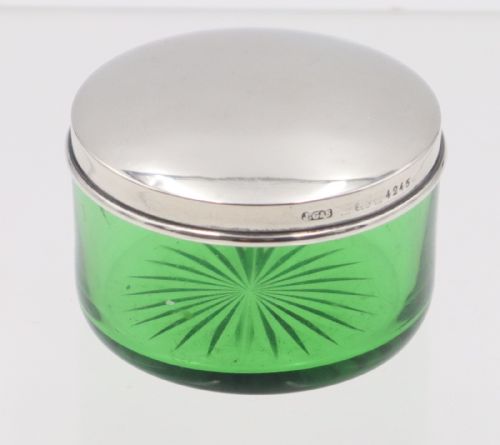
The forms range from deep decorative bowls and flat plates to trinket boxes, cake stands, and sweetmeat dishes. Victorian examples often display rich colours like pearline blue, while later twentieth-century pieces lean heavily into Art Deco design.
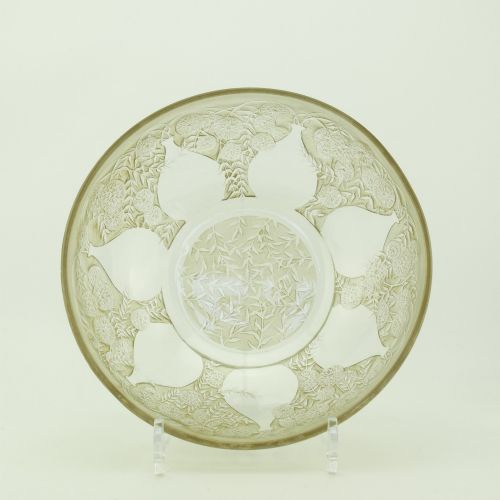
Makers utilised mechanical presses to imprint intricate motifs directly into the molten material, capturing floral, animal, and geometric designs. These objects served both domestic utility and display purposes across British and continental households.
Materials and technique
Molten glass was dropped into a metal mould and forced outward by a plunger, impressing the design onto the inner surface while leaving the outer surface smooth or patterned. This mechanical process allowed for rapid mass production of complex relief patterns that previously required tedious hand-cutting.
Makers worked with clear glass, frosted glass, and opalescent glass, occasionally applying sepia stain or silver mounts to finish the pieces. The inclusion of metallic oxides within the glass batch created the characteristic milky, light-catching opalescence seen in many twentieth-century French and British bowls.
The resulting items combined structural durability with delicate surface textures, balancing practical utility with decorative relief. Silver elements were sometimes added to table boxes and serving dishes to elevate their status for formal dining.
Pressed Glass Dishes Retail Price Guide 2026
Typical asking prices for pressed glass dishes among the pieces listed under this phrase on Sellingantiques today, from the lower quarter to the upper quarter. They describe what is for sale here now, not the wider market.
Fish swim across multiple French opalescent plates, proving that pressed glass makes an entire menagerie behave underwater.
Judging quality
Quality rests primarily on the crispness of the moulded relief and the depth of the opalescent effect within the glass body. Sharp detailing in floral heads, animal figures, and geometric borders separates finer studio output from softer commercial production.
The weight and clarity of the glass matter significantly, as does the intentional use of staining or shading to highlight the moulded design. Pieces that display a brilliant play of light through milky or translucent tones represent the higher end of the range.
Rene Lalique·G Vallon·Jobling·Davidson·Sabino·Etling
The Pressed Glass Dishes Glossary
- Opalescent Glass
- Glass that milky-blue appearance where it catches the light, shifting in tone depending on the angle of illumination. This effect was achieved by adding specific chemical agents to the molten batch before pressing.
- Pearline
- A patented Victorian two-tone pressed glass technique associated with makers like Davidson, shifting in colour across the moulded relief. It creates a striking contrast between the raised patterns and the recessed background.
- Sweetmeat Glass
- A small dish or bowl traditionally used for serving small confections, nuts, or dried fruits during formal meals. They frequently feature decorative moulded feet or lids.
- Vaseline Glass
- Glass containing uranium dioxide, which produces a distinctive yellowish-green colour and glows under ultraviolet light. It was widely pressed into decorative tableware and tazza forms during the early twentieth century.
- Tazza
- A shallow ornamental cup or bowl raised on a high stem and foot, commonly utilised for serving cakes or fruit. Pressed versions often feature elaborate moulded rims and patterned pedestals.
Pressed Glass Dishes: Frequently Asked Questions
How do I clean pressed glass dishes?
Wash them gently in warm soapy water using a soft cloth, avoiding harsh abrasives that can scratch the moulded surface. Dry them immediately with a lint-free towel to prevent water spots from dulling the clarity.
Take particular care with pieces that feature silver mounts or delicate opalescent finishes, as aggressive cleaning agents can damage the surface sheen over time.
Are these dishes safe for food use?
Most historical pressed glass dishes are suitable for serving dry foods, sweets, or fruit, though some antique pieces may contain trace elements like lead or uranium in the glass composition. It is generally advisable to treat them as decorative display items or use them for light entertaining rather than daily dining.
Avoid exposing antique glass to sudden temperature changes, such as pouring boiling liquids into a cold bowl, to prevent thermal cracking.
How can I tell Art Deco from Victorian pieces?
Victorian pressed glass tends to feature heavy, ornate floral patterns, scrollwork, and rich saturated colours like pearline blue or deep amber. The forms are often robust and functional, tied closely to nineteenth-century dining rituals.
Art Deco pieces from the 1920s and 1930s embrace stylized geometry, fauna, and minimalist floral motifs, frequently utilising opalescent or frosted finishes with sleek, modern silhouettes.
What causes opalescence in glass?
Opalescence occurs when specific mineral compounds, such as bone ash or arsenic, are added to the molten glass mixture and partially crystallize during the cooling process. This creates a milky, translucent quality that scatters light, making the raised parts of a moulded design appear blue or white.
The intensity of this optical effect varies depending on the precise chemical formula and the temperature at which the glass was pressed and cooled.