






Pottery Flower Vessel
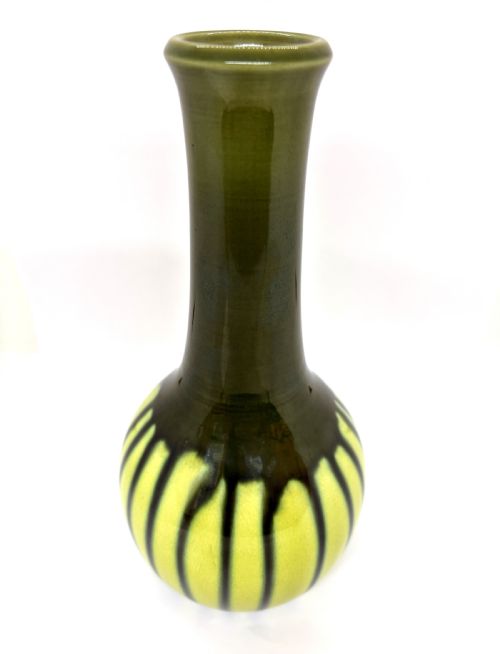
A pottery flower vessel brings tactile form and floral design together, offering an expressive medium for interior display across centuries of ceramic tradition.
Pottery Flower Vessel
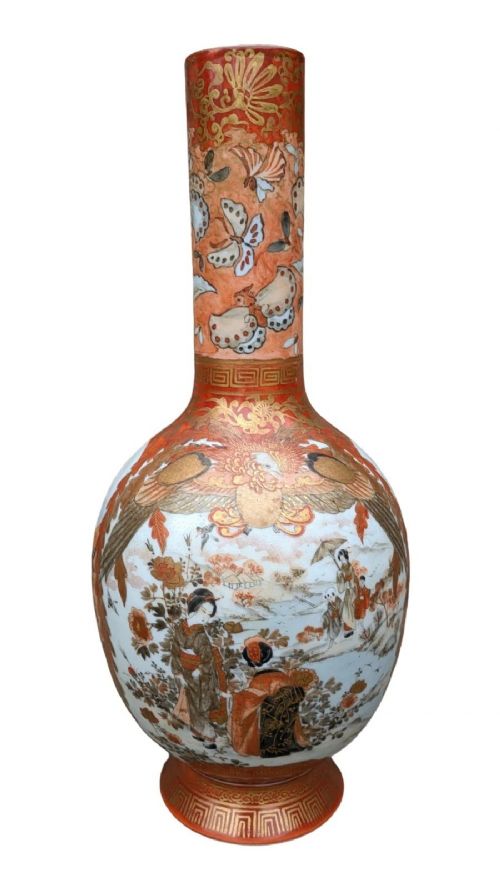
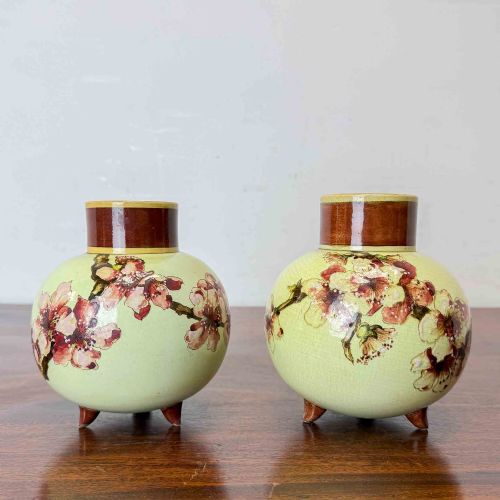
A pottery flower vessel encompasses diverse ceramic forms designed to hold botanical arrangements, ranging from traditional baluster and bulbous vases to specialised bough pots and planters. When exploring this selection, buyers frequently encounter pieces originating from British art potteries and European factories alongside Asian ceramics dating from the nineteenth century and earlier.
The objects span multiple stylistic movements, prominent among them being Art Nouveau, Arts and Crafts, and Japanese export wares from the Meiji and Edo periods. Forms vary from simple earthenware liners and handled vessels to monumental stoneware pieces and delicate porcelain shapes.
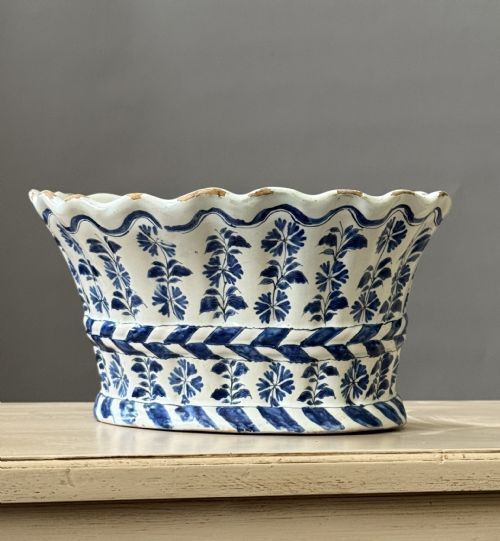
Early examples include eighteenth-century Delft bough pots and Chinese porcelain bombes, demonstrating how domestic floral display evolved over generations. Most pieces on this page lean towards late nineteenth- and early twentieth-century British studio and commercial pottery.
Materials and construction techniques
Makers shaped these vessels using earthenware, stoneware, and porcelain, applying glazes, enamels, and occasionally gold leaf to finish the surfaces. Stoneware pieces, such as those from Lambeth potteries, relied on dense vitrified clays fired at high temperatures to achieve durable, salt-glazed or slip-decorated finishes.
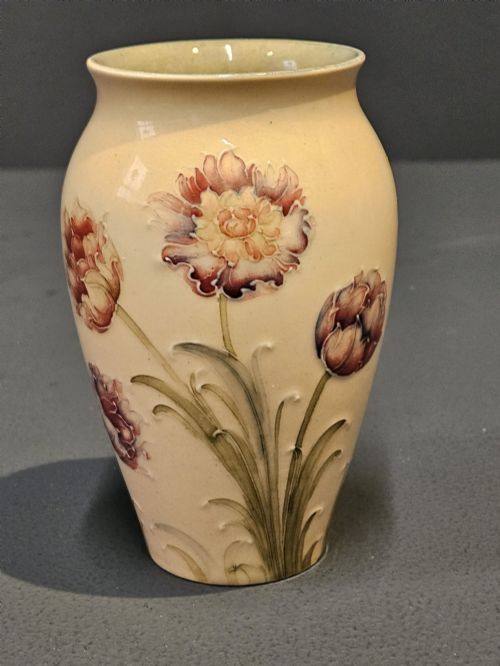
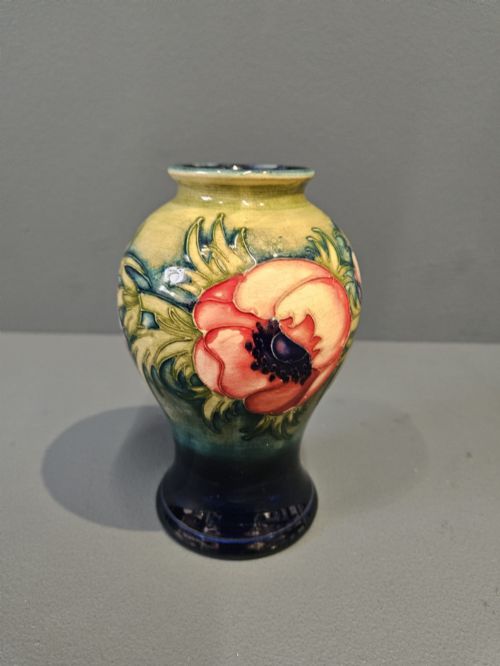
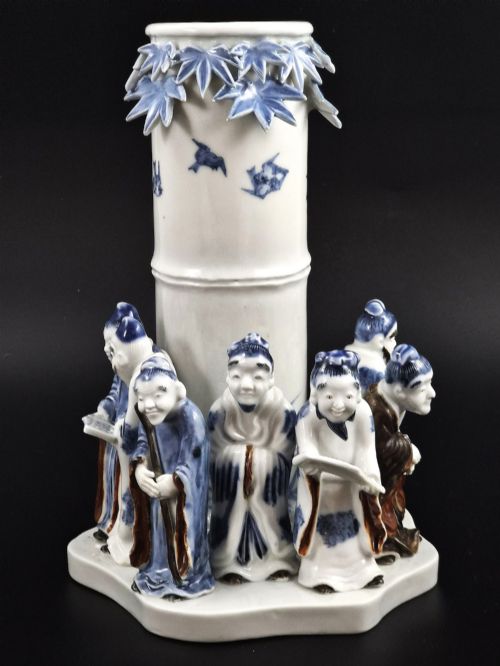
Earthenware and ceramic bodies often received hand-painted or tube-lined floral decoration under translucent or opaque glazes, as seen in Moorcroft and Wemyss productions. Japanese and Chinese pieces utilised refined porcelain and local clays, decorated with intricate cobalt blue underglazes or polychrome enamel scenes.
Pottery Flower Vessel Retail Price Guide 2026
Typical asking prices for pottery flower vessel among the pieces listed under this phrase on Sellingantiques today, from the lower quarter to the upper quarter. They describe what is for sale here now, not the wider market.
Ensure your garlic head vase does not actually smell ofAllium sativum; it is merely named for its bulbous silhouette.
Evaluating craftsmanship and execution
Quality in a pottery flower vessel rests on the precision of the form and the skill involved in its decoration, whether hand-painted, tube-lined, or incised. Superior pieces display confident brushwork, balanced proportions, and controlled glaze application that enhances rather than obscures the underlying ceramic body.
The reputation of the maker and the distinctiveness of the design dictate the upper tier of the range, separating standard commercial output from artist-signed studio works. Pieces that retain crisp surface detail, deliberate colour palettes, and well-preserved enamel or gold leaf decoration represent the finest manufacturing standards of their respective periods.
Moorcroft·Wemyss·Royal Doulton·Burmantoft s Pottery·Kinkozan
The Pottery Flower Vessel Glossary
- Baluster
- A vase form characterised by a rounded body that tapers toward the base and neck, resembling an architectural baluster. This shape provides stability and visual weight to larger floral displays.
- Bough pot
- A vessel designed specifically to hold branches of flowering shrubs or cut boughs for indoor decoration. They frequently feature perforated lids or compartmentalised interiors to keep stems upright.
- Stoneware
- A robust, vitrified ceramic made from clay fired at high temperatures until semi-vitreous and impermeable. It resists moisture and accepts salt or slip glazes readily.
- Tube-lining
- A decorative technique where liquid clay is squeezed through a nozzle onto a ceramic body to outline raised patterns before glazing. It creates distinct tactile borders for enamel colours.
- Imari
- A style of Japanese export porcelain characterised by a palette of underglaze blue, iron red, and gold. It gained immense popularity in European interiors during the seventeenth century and later.
Pottery Flower Vessel: Frequently Asked Questions
How do I use a bough pot?
A bough pot is traditionally filled with water and fresh tree branches or heavy stems to scent and decorate a room. Many period examples include removable pierced covers that hold individual stems in place.
Modern interiors can utilise these vessels similarly, placing them on sturdy side tables or windowsills where their decorative bodies and botanical functions remain fully visible.
What is the difference between earthenware and stoneware?
Earthenware is fired at lower temperatures, resulting in a porous ceramic body that requires an opaque or translucent glaze to hold water. Stoneware is fired much hotter until it vitrifies, making the clay dense and naturally waterproof without relying entirely on surface glaze.
Stoneware vessels generally feel heavier and offer greater durability, while earthenware allows for softer, more absorbent clay bodies suited to delicate hand-painted decoration.
How do I identify Art Nouveau pottery?
Art Nouveau ceramics typically feature organic, asymmetrical lines inspired by natural forms such as stems, flowers, and flowing water. Look for whiplash curves, stylised floral motifs, and iridescent or flowing metallic glazes.
Objects from this movement often bear factory marks, registration numbers, or artist signatures that date them to the turn of the twentieth century.
Can antique flower vessels hold water?
Most glazed ceramic vessels are designed to hold water safely, provided they possess no structural cracks or deep interior glaze crazing. Stoneware and porcelain pieces are generally the most secure for continuous use with fresh flowers.
Earthenware with fine hairline cracks in the glaze should be tested cautiously or fitted with a discreet internal liner to protect the historic ceramic body from prolonged moisture absorption.