





Post Impressionist Canvas Artwork
Post impressionist canvas artwork captures light and mood through expressive brushwork, offering collectors vivid windows into early twentieth century scenes.
Post Impressionist Canvas Artwork
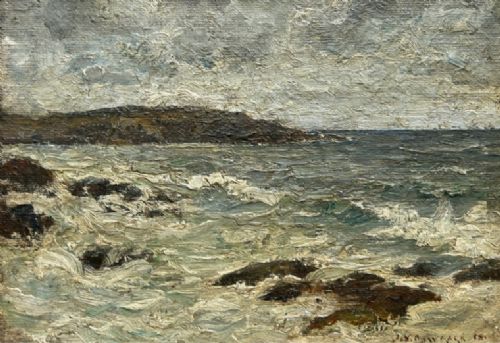
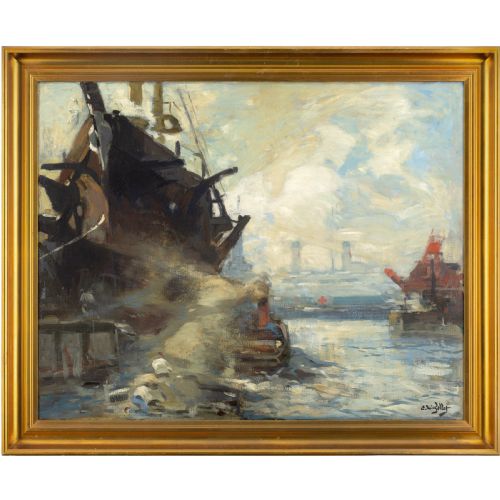
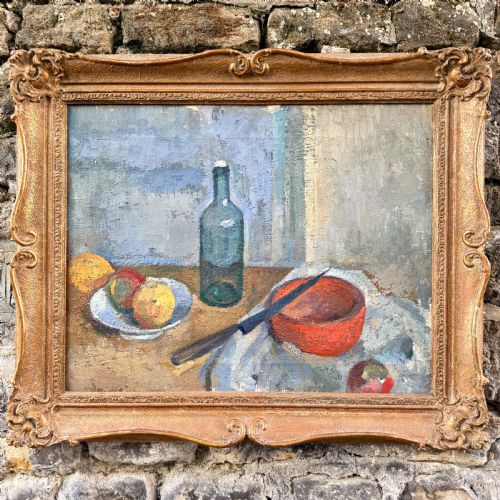
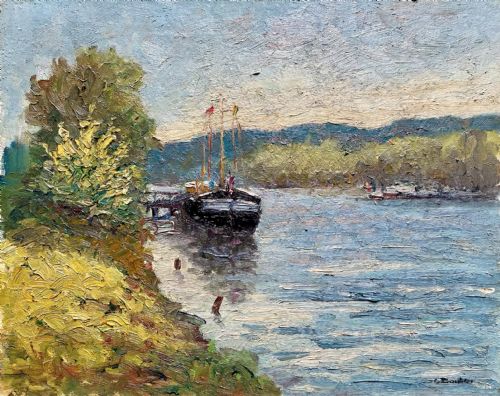
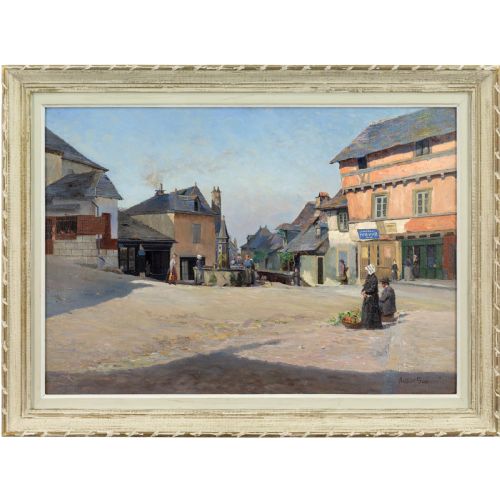
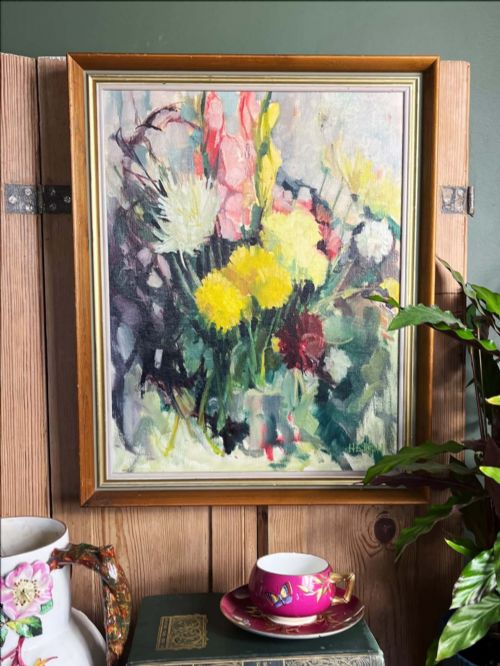
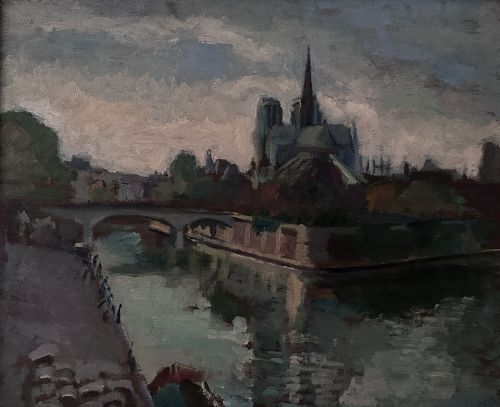
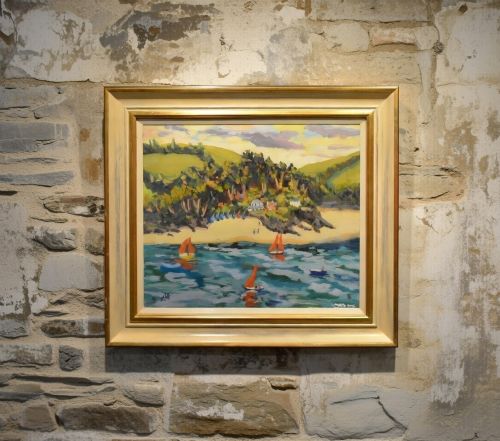
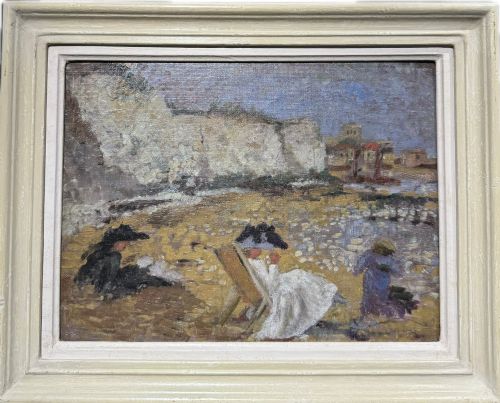
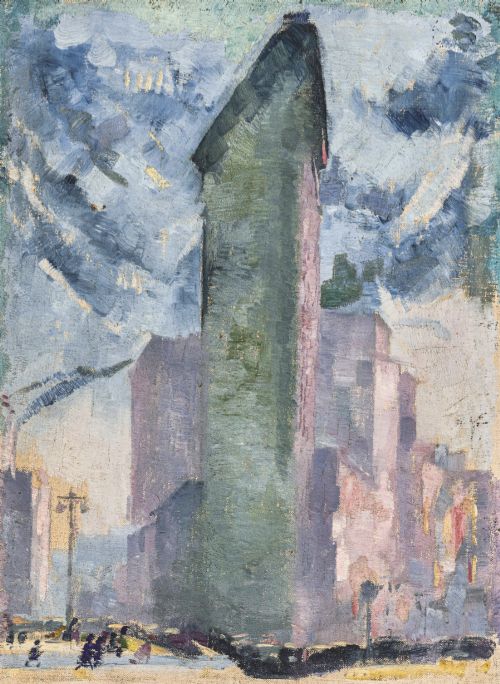
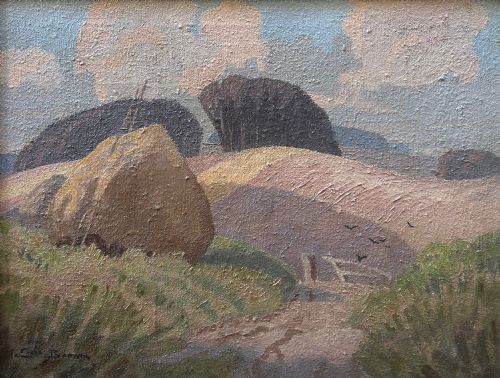
Post impressionist canvas artwork centres on oil paintings produced across the nineteenth and twentieth centuries, spanning French and British schools. You will frequently encounter coastal scenes, still lifes, and street views dated from the nineteen-tens to the nineteen-sixties.
Materials and Technique
Artists built these compositions primarily using oil paint applied to woven canvas supports, sometimes employing thick impasto or pointillist dabs to construct texture. Wooden stretchers and panels provide the underlying rigidity for the painted surfaces.
Frames play a structural and aesthetic role, constructed from wood and finished with intricate gesso mouldings and gilt surfaces that complement the tonal palette of the canvas within.
Listings span the nineteenth century through the nineteen-sixties, utilising oil paint on canvas and wood panels.
Evaluating the Range
Quality rests upon the confidence of the brushwork and the internal coherence of the light, where skilled tonal control distinguishes accomplished compositions from static studies. The handling of pigment reveals the artist's ability to evoke atmosphere rather than merely record topography.
The integration between the canvas and its period frame influences the overall integrity of the piece, as original mountings preserve the historical context intended by the creator or early handler.
Eugène-Louis Gillot·Arthur Gué·Henri Ottmann·Donald McIntyre·Edward Seago
The Post Impressionist Canvas Artwork Glossary
- Impasto
- Paint applied thickly to a canvas, standing out in relief from the surface and catching the light to create tactile depth. This technique highlights the physical gesture of the painter.
- Gesso
- A plaster-like mixture applied to wooden frames as a smooth base before gilding or painting. It provides crisp definition to ornamental mouldings.
- Gilt
- A thin layer of gold leaf or gold paint applied to the surface of a wooden frame. It enhances the visual warmth surrounding the canvas.
- Provenance
- The documented history of ownership and exhibition for a work of art. Clear records establish authenticity and trace the journey of the piece through time.
Post Impressionist Canvas Artwork: Frequently Asked Questions
How do I clean an oil painting?
Surface dust should be removed gently using a soft, dry natural bristle brush without applying pressure to the canvas.
Liquid cleaners and domestic solvents must be avoided entirely to prevent permanent damage to the oil pigments.
Where should I hang canvas art?
Select an interior wall shielded from direct sunlight and away from rapid temperature shifts caused by radiators or dampness.
Stable environmental conditions protect both the woven support and the wooden frame from warping over time.
What is impasto paint?
Impasto refers to thick paint application that leaves visible brush or palette knife marks standing proud of the canvas surface.
This method adds sculptural presence and captures dynamic highlights across the painted landscape.
How are periods identified?
Dating relies upon stylistic markers, artist signatures, framing materials, and stretcher construction typical of specific decades.
Comparative analysis with documented exhibition records helps narrow the creation window of unsigned canvases.