
Post Impressionist Artwork
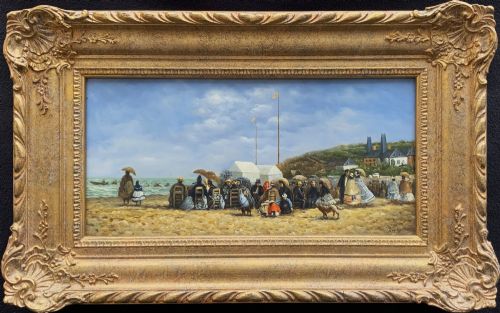
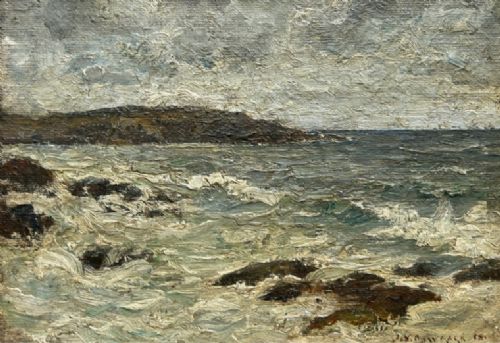
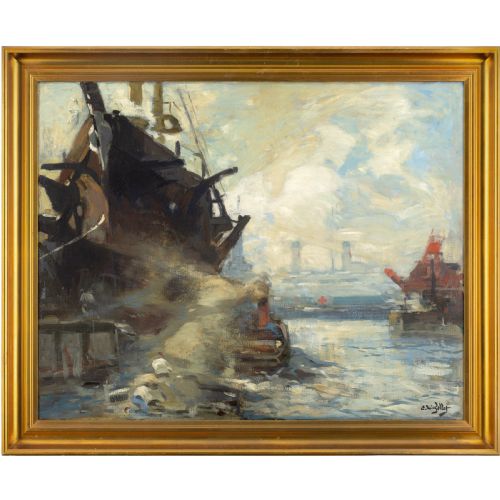
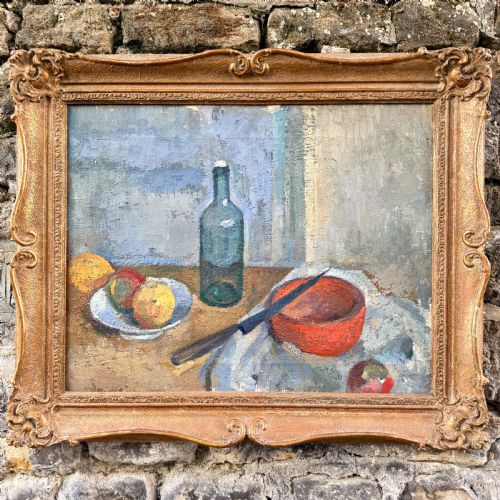
These post impressionist artwork pieces capture light and texture through energetic brushwork, offering buyers a direct connection to early twentieth century artistic experimentation.
Post Impressionist Artwork
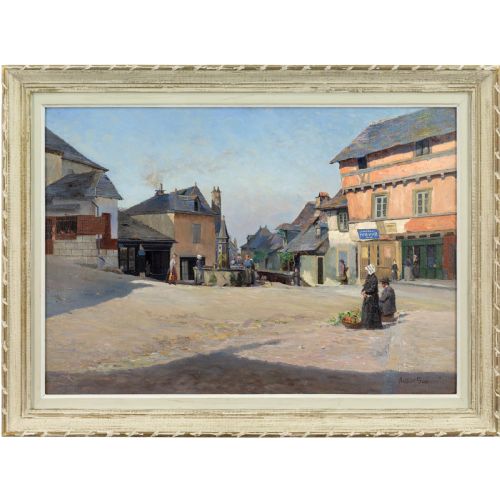
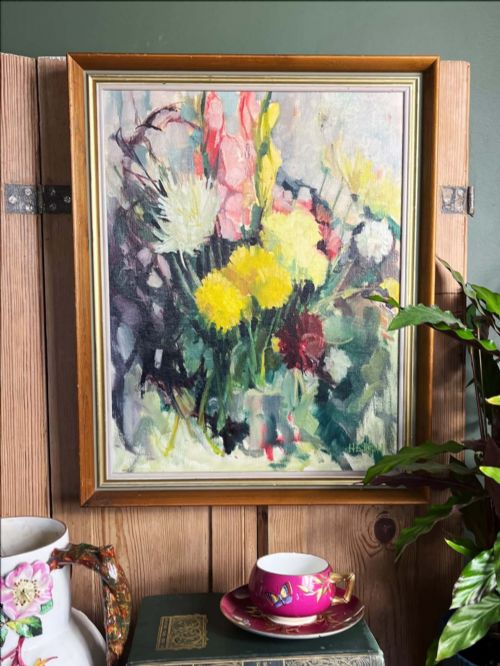
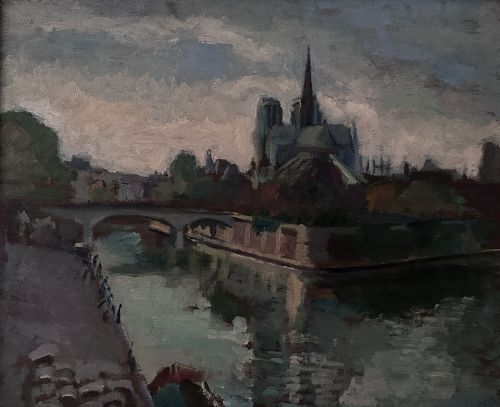
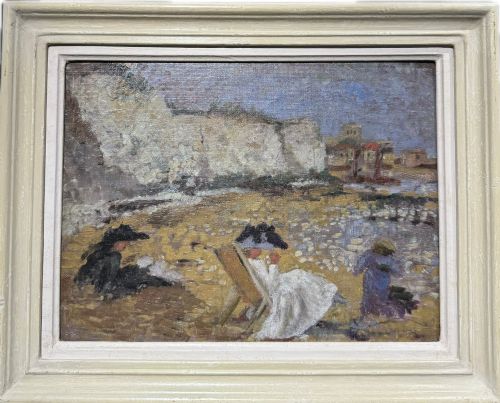
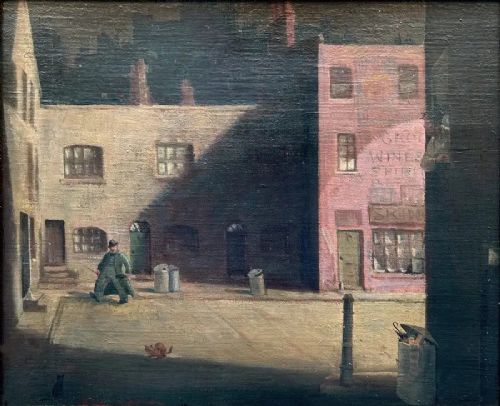
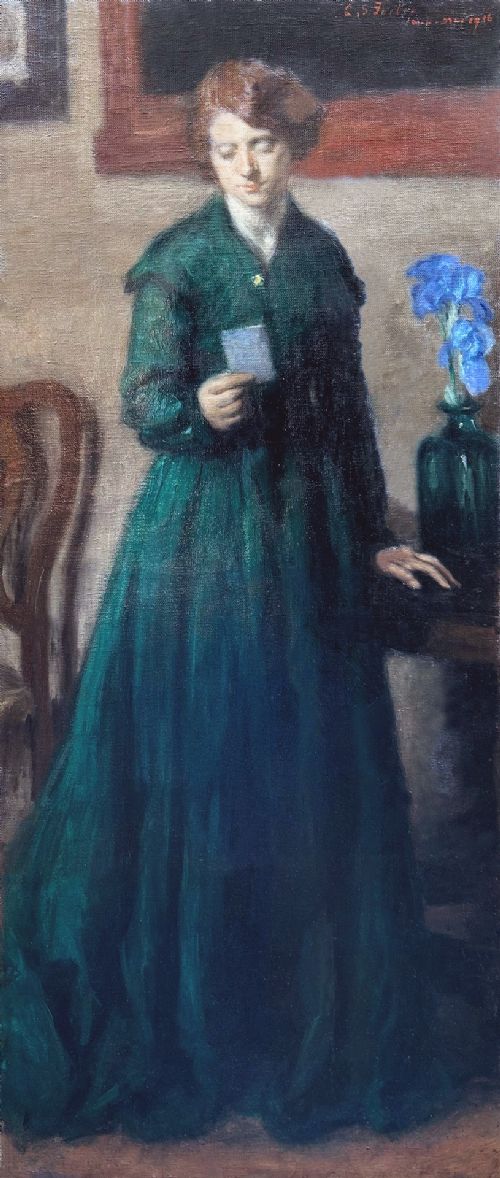
When you examine post impressionist artwork, you find oil paintings, works on paper, and framed panels spanning from the nineteenth century into the mid twentieth century. These pieces record coastal scenes, still lifes, town squares, and figure studies created within British, French, and Belgian artistic circles.
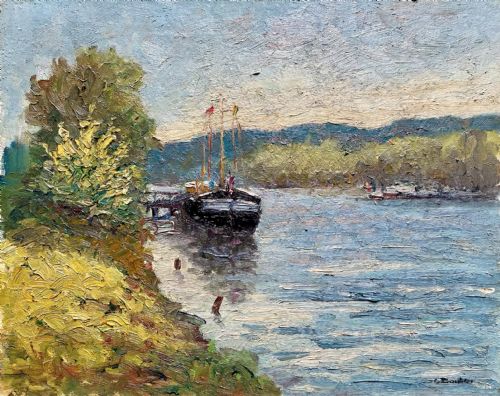
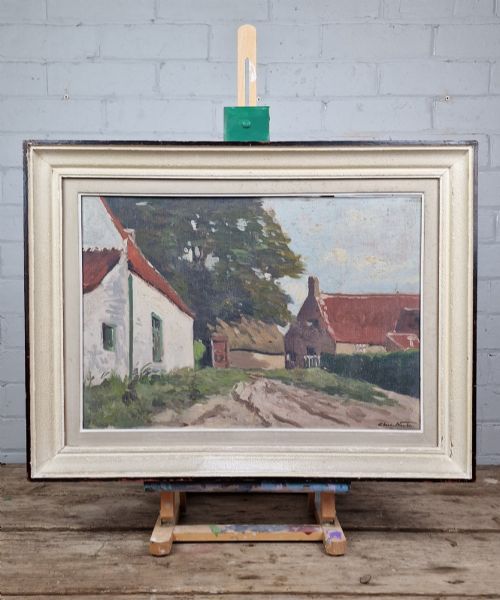
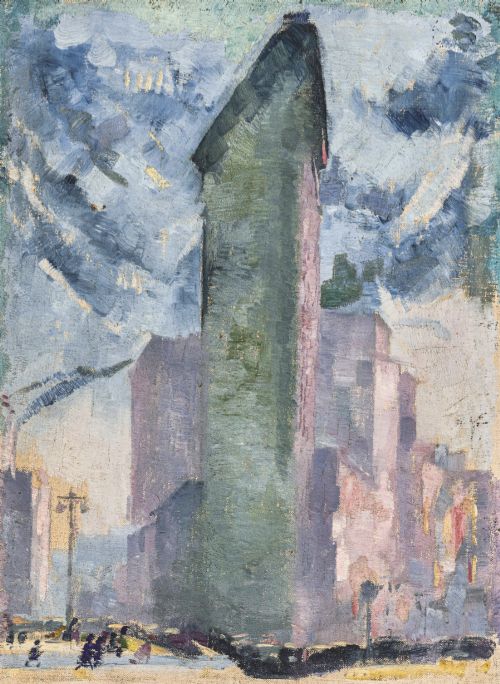
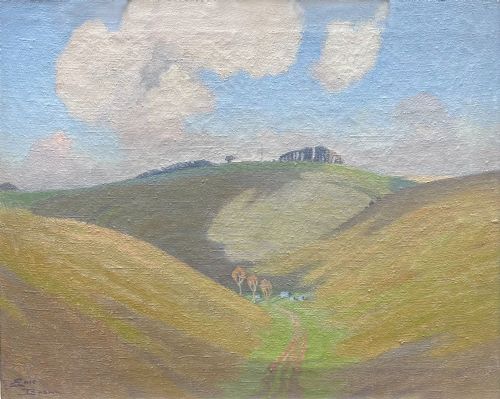
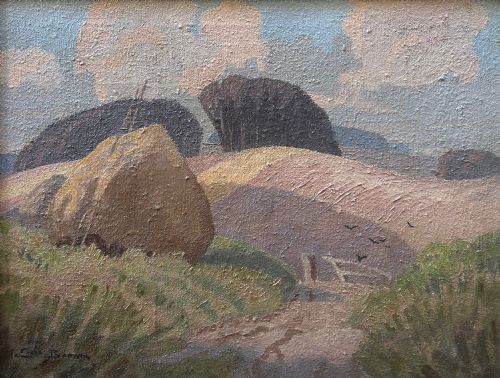
The most common examples on this page are oil on canvas and oil on board paintings originating from the early decades of the twentieth century. They often depict landscapes and architectural views rendered through visible, expressive brushstrokes rather than academic finish.
How they were made
Painters worked primarily with oil paint applied to canvas, wooden panels, or board, sometimes building thick layers of impasto to catch the light. Mixed media drawings on paper and lithograph prints also appear among the methods utilised by artists of the period.
Support frames frequently consist of gilt wood, which enhances the visual weight of the painted surface. Panels and canvases show the distinct grain of wood or the tight weave of fabric characteristic of the era's materials.
Post Impressionist Artwork Retail Price Guide 2026
Typical asking prices for post impressionist artwork among the pieces listed under this phrase on Sellingantiques today, from the lower quarter to the upper quarter. They describe what is for sale here now, not the wider market.
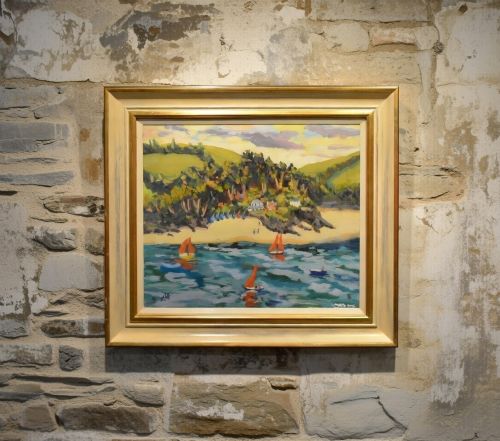
Coastal scenes from Normandy, Brittany, and St Ives appear frequently alongside still lifes and town squares.
What varies in quality
The strength of composition and the surety of the brushwork determine the visual success of a piece, distinguishing confident handling from hesitant execution. Stronger works demonstrate a deliberate command of colour and light that brings the subject to life on the canvas.
The preservation of the paint surface and the compatibility of the frame also influence the overall character of the work. Examples that retain their original pigment vibrancy without heavy intervention offer a more authentic encounter with the period.
Eugène-Louis Gillot·Arthur Gué·Charles Houben·Alfred Wolmark·Eric Brown·Henri Ottmann·Donald McIntyre·Alexander Jamieson·Paul-Élie Gernez·Ronald Ossory Dunlop·Victor Simonin·Hubert Wellington·Paul-Jean Anderbouhr·Edouard Julien·Henri Vincent-Anglade·Louis Suire·Jean-Baptiste Olive·André Prévot-Valéri
The Post Impressionist Artwork Glossary
- Impasto
- Paint applied thickly to a canvas or board so that it stands proud of the surface and retains the texture of the brush or palette knife. This technique gives physical depth and tactile presence to elements like water, clouds, or foliage.
- Oil on board
- A painting executed on a rigid wooden or cardboard substrate rather than stretched canvas. It provides a sturdy and stable base favoured by artists working outdoors.
- Lithograph
- A printmaking method based on the chemical repulsion of oil and water on a flat limestone or metal plate. Artists used this process to produce multiples with painterly tonal gradations.
- Gilt wood
- Timber framing coated with a thin layer of gold leaf or metallic gilt pigment. It adds a decorative boundary that frames the colours within the artwork.
- Mixed media
- An artwork combining two or more artistic materials, such as ink and watercolour on paper. This approach allows for layered textures and varied line qualities within a single composition.
Post Impressionist Artwork: Frequently Asked Questions
What is post impressionist artwork?
These pieces are paintings and works on paper created during the late nineteenth and early twentieth centuries that build upon impressionist traditions through bolder forms and expressive brushwork. They capture everyday scenes, landscapes, and portraits with an emphasis on personal interpretation over strict realism.
You will find works executed in oil on canvas, oil on board, and mixed media by artists working across Britain, France, and Belgium.
How should I display a painting on board?
Paintings on rigid wooden or cardboard supports benefit from stable indoor environments away from direct sunlight and sudden humidity shifts. Proper hanging on a secure wall bracket ensures the piece remains safely supported.
Keeping the original or period-appropriate frame intact helps protect the vulnerable edges of the board while maintaining the visual integrity of the artwork.
How do I identify the period of a painting?
Dating often relies on artist signatures, exhibition labels, recorded biographical dates, and stylistic markers typical of early twentieth century movements. Catalogues raisonnés and artist registers help confirm the active years of the creator.
The materials themselves, including canvas weaves, panel types, and framing styles, offer further physical clues to narrow down the decade of production.
Were these works made outdoors?
Many landscape and coastal scenes were painted plein air, meaning the artist worked directly in front of the subject to capture changing natural light. Portable boards and smaller canvases made it easier for painters to travel to riverbanks and coastal cliffs.
Studio finishing sometimes followed these initial outdoor painting sessions, allowing artists to refine the composition and surface textures.