

Portrait Study Drawing
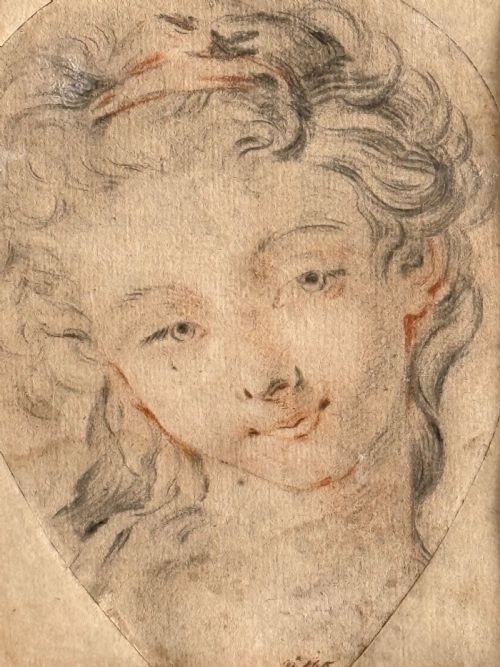
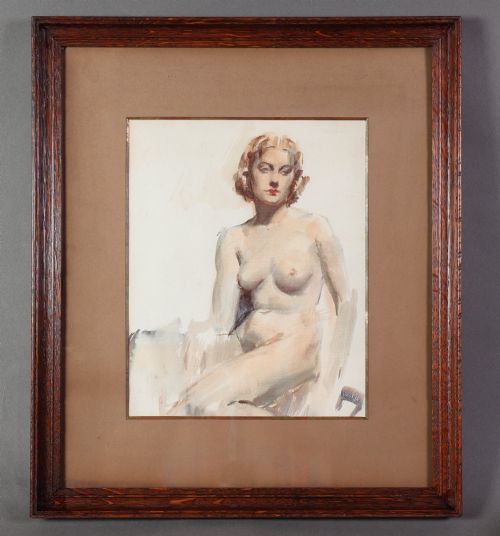
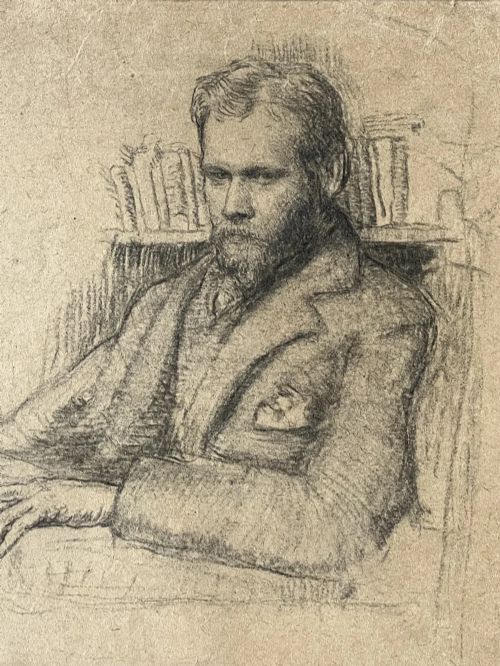
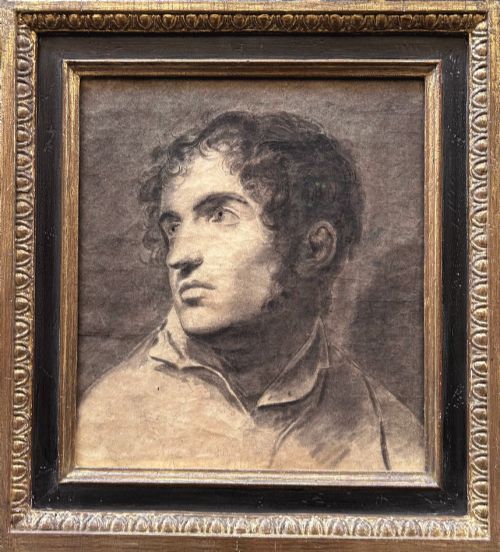
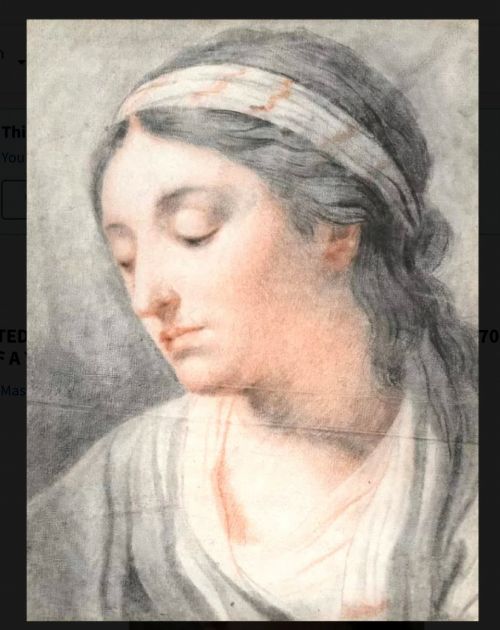
A portrait study drawing captures the immediate expression, bone structure and character of a sitter before a finished canvas begins.
Portrait Study Drawing
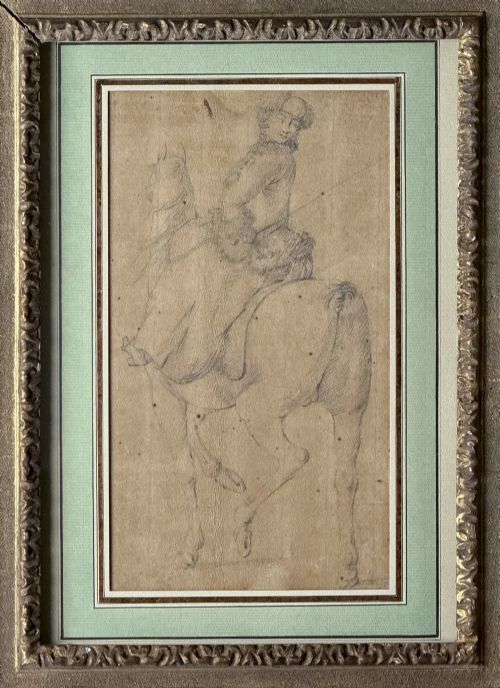
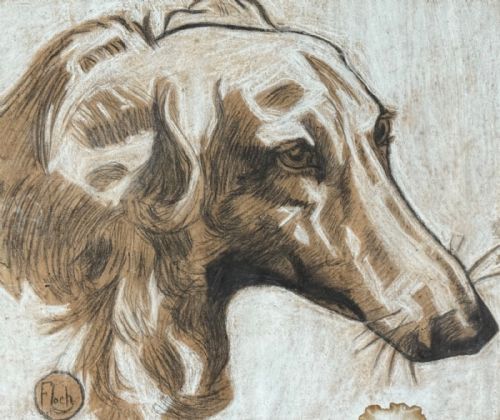
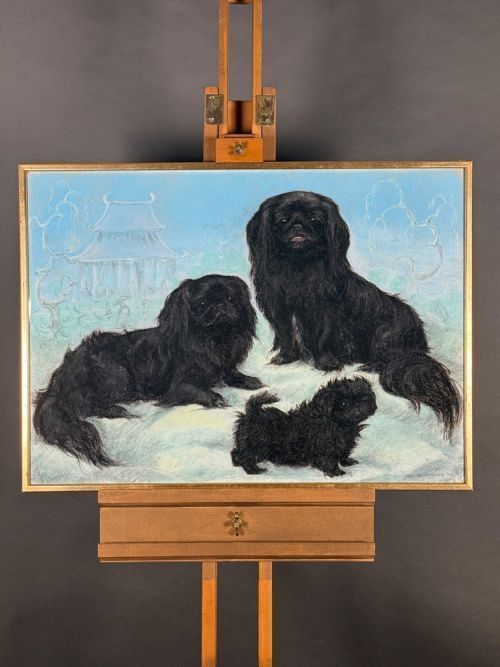
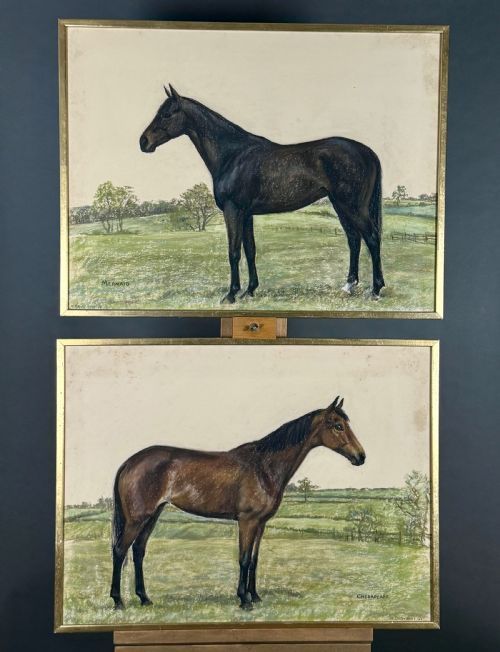
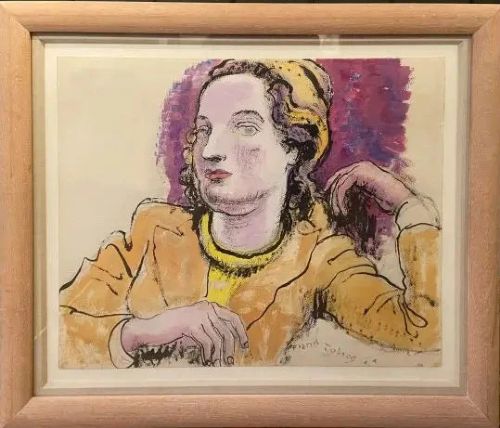
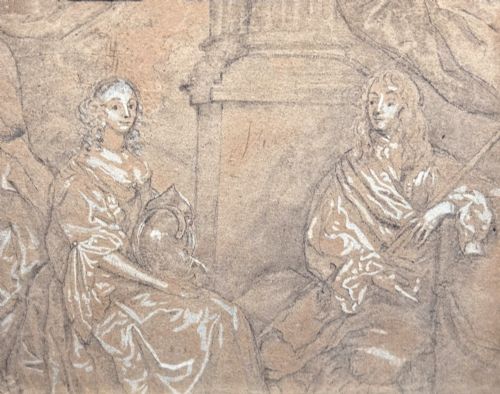
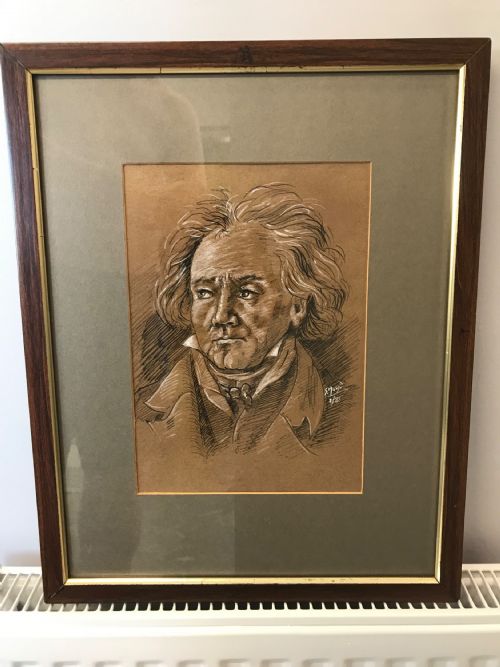
The selections available span multiple centuries, originating from British, French and wider European schools. Buyers encounter everything from seventeenth-century ink representations to mid-century modern pastel and charcoal renderings on paper.
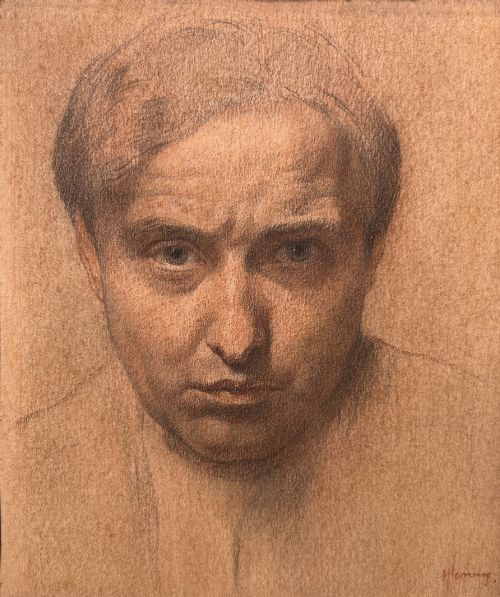
Many examples capture the intimacy of an artist's working method, focusing closely on a subject's head, profile or expressive posture. Such pieces offer insight into historical draughtsmanship without the formal constraints of a final commissioned portrait.
Materials and Techniques
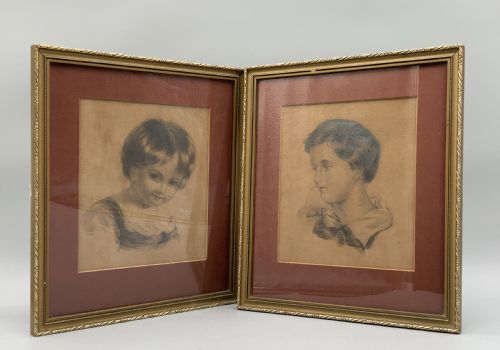
Draughtsmen relied primarily on paper supports, utilising buff sheets, tinted papers and traditional white laid paper as a mid-tone for highlights. Artists applied dry media such as graphite, charcoal and pastel to build form through layered hatching and tonal shading.
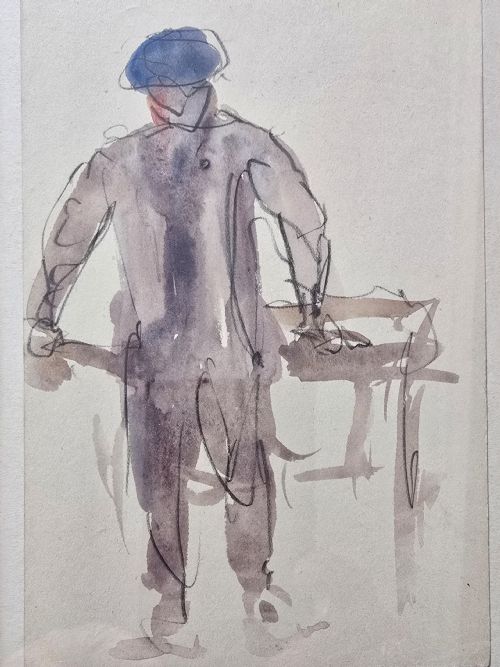
Wet media played an equally important role in capturing tonal depth, with ink, gouache and watercolour frequently supplementing pencil lines. Sanguine, a reddish chalk, also appeared across various periods to render warm flesh tones and soft contours.
Listings feature works executed on paper, utilising charcoal, graphite, chalk, ink, watercolour and pastel across multiple centuries.
Evaluating Quality in Works on Paper
Quality rests upon the sureness of the line and the economy with which the artist captures likeness and volume. A superior hand conveys bone structure and expression swiftly, whereas lesser examples often rely on laboured outlines.
The preservation of the paper support and the vibrancy of fugitive media like pastel or chalk influence the enduring impact of a drawing. Works that retain their original crispness without excessive fading or paper degradation demonstrate superior survival through time.
Augustus John·Frank Dobson·Henry Arthur Roberts·John Duncan Fergusson·Harry Epworth Allen·Friedrich August Von Kaulbach·Harold Hope Read·Sir George Hayter·Dame Ethel Walker
The Portrait Study Drawing Glossary
- Sanguine
- A reddish-brown chalk used historically for sketching figures and flesh tones. It allows artists to achieve warm, lifelike gradations.
- Academic life study
- A drawing executed from a live nude or clothed model, typically within an art school or studio setting. These exercises formed the backbone of traditional artistic training.
- Gouache
- An opaque water-based paint that provides solid, matte coverage. Artists often combined it with ink or pencil to add highlights to portrait drawings.
- Buff paper
- A pale brownish-yellow paper commonly utilised in the nineteenth and twentieth centuries. It provides a neutral mid-tone that allows white chalk highlights to stand out.
- Hatching
- Parallel or intersecting lines drawn closely together to create shadow and volume. The density of the lines determines the depth of the tone.
Portrait Study Drawing: Frequently Asked Questions
What is a portrait study drawing?
A portrait study drawing is an artwork focused on capturing the likeness, expression or anatomy of a specific sitter. Unlike formal portraits intended for display, these works often served as preparatory exercises or direct observations from life.
Artists used media such as charcoal, pencil and pastel on paper to record immediate details. They provide a direct window into the working methods of historical draughtsmen.
How should I frame a paper drawing?
Works on paper require conservation-grade framing to protect them from environmental damage. Acid-free mounts prevent the paper from discolouring over time.
Glazing with UV-filtering glass guards sensitive media like pastel, chalk and watercolour against fading. Keeping the drawing away from direct sunlight preserves the integrity of the pigments.
How do I identify the period of a drawing?
Dating a drawing involves examining the paper type, watermark, framing remnants and stylistic conventions of the period. Costume, hairstyle and the sitter's pose often offer further clues to the decade of creation.
Signatures, monograms or inscriptions on the reverse of the sheet provide definitive historical markers. Comparing the hand to documented works by known schools aids in narrowing down the date.
Where were life studies created?
Life studies were typically produced inside academic institutions, private studios or informal drawing societies. Artists gathered to draw from live models to hone their anatomical precision and draughtsmanship.
These sessions resulted in quick sketches or sustained studies capturing specific lighting and posture. Such drawings were rarely meant for public exhibition at the time of their creation.