



Portrait Relief Plaque
A portrait relief plaque captures the likeness of a notable figure in three dimensions, offering collectors a tangible piece of history.
Portrait Relief Plaque
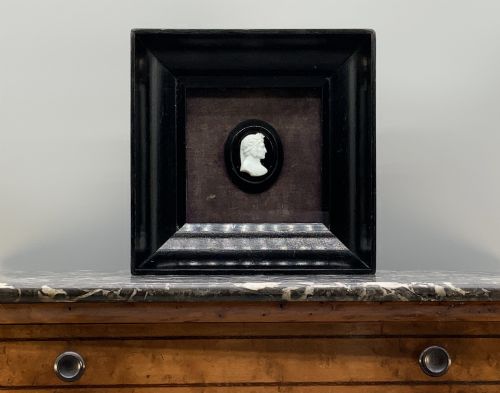
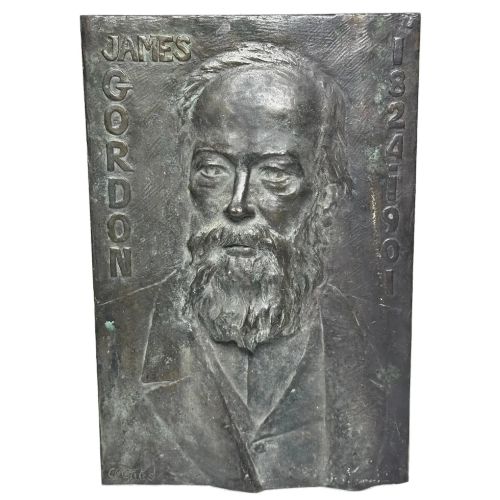
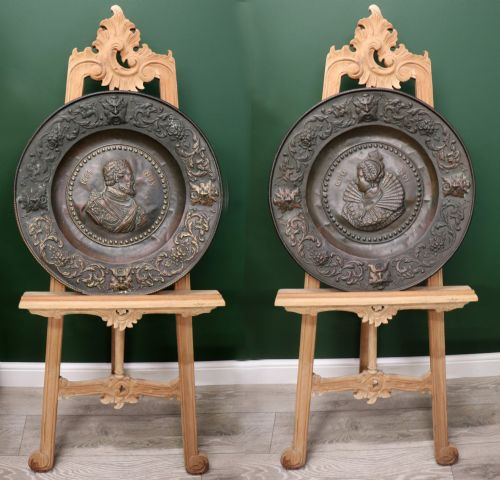
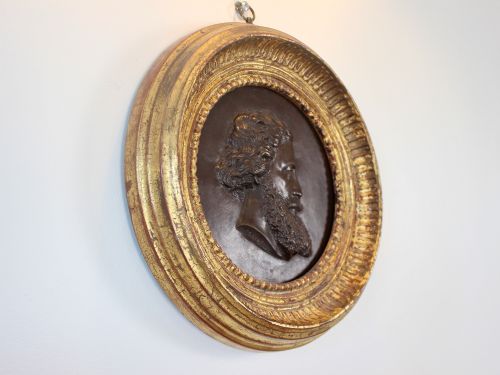
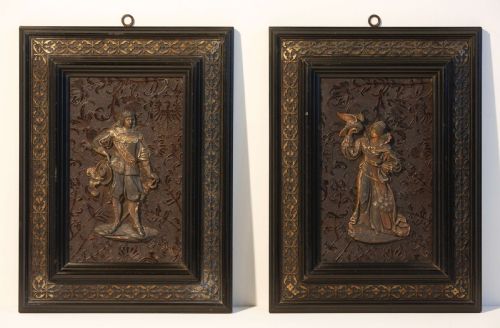
A portrait relief plaque presents a likeness of a historical figure, literary icon, or ruler projecting from a flat backing. These works appear across various formats, including framed wall art, decorative medallions, and wall chargers.
The 19th century and Victorian periods generate the highest concentration of examples on this page, alongside 18th-century pieces and later 20th-century items. Buyers frequently encounter materials ranging from cast bronze and marble to mahogany and jasperware.
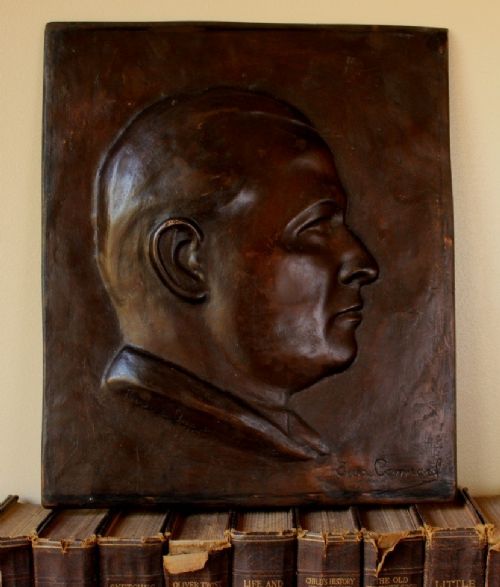
Makers and artists applied diverse stylistic influences to these subjects, encompassing neoclassical cameos, Gothic revival oak carvings, and Art Deco bronzes. Collectors select these objects to display individual profiles and historical commemorations on interior walls.
Materials and construction methods
Metalworking techniques dominate the physical record, utilising cast bronze, copper, brass, and white metal to form durable profiles and commemorative medallions. Sculptors also employed iron and lead, frequently applying patination or gilding to enhance the surface detail.
Natural media provide an alternative substrate, employing carved marble, mahogany, fruitwood, ivory, and shell to create bas-relief portraits. Artisans additionally utilised ceramics such as jasperware, stoneware, and basalt to produce fine-grained neoclassical cameos.
Workshops combined these primary materials with supporting mounts of wood, brass frames, or gold mountings to secure the wall panels and table plaques.
Materials documented across the inventory include bronze, marble, mahogany, copper, jasperware, stoneware, and carved ivory.
Distinguishing quality in relief work
Foundry execution determines the standard of metal plaques, where crisp chasing and controlled patination preserve the artist's original modelling. High-grade ceramics and jasperware exhibit sharp, clean sprigging against contrasting backgrounds without blurring.
The integration of the plaque with its original frame, whether turned mahogany or brass, preserves the integrity of the piece.
Alice Gates·Eugene Canneel·MAINFROY·Gustav Grohe·R Pernice·Thorvalsen Workshop·Sherwin And Cotton·J Lavergne·Kasper Hendrik Roskam
The Portrait Relief Plaque Glossary
- Bas-relief
- A sculptural technique where the figures project only slightly from the background plane. This shallow depth is common in marble and metal portrait plaques.
- Cameo
- A method of carving where a profiled figure is raised in relief from a background of a different colour. These appear frequently in shell and jasperware.
- Roundel
- A circular panel or plaque used for decorative wall display. They often depict historical personages in profile.
- Jasperware
- A fine-grained, unglazed stoneware developed with a contrasting white relief applied to a solid coloured ground. Wedgwood frequently produced portrait medallions in this ceramic body.
- Grand Tour
- A cultural journey undertaken by European elites that resulted in the acquisition of souvenir art. This practice generated many Italian marble and carved ivory portrait plaques.
Portrait Relief Plaque: Frequently Asked Questions
What materials are used for portrait relief plaques?
Makers utilised a diverse range of materials, including cast bronze, copper, brass, iron, and white metal. Natural media such as marble, mahogany, fruitwood, ivory, and shell also appear alongside ceramics like jasperware and stoneware.
Support structures frequently incorporate wood frames, brass mounts, and gold settings to display the panels securely upon walls.
How do I identify the period of a plaque?
Stylistic indicators and material choices point toward specific eras, such as neoclassical motifs on 18th-century jasperware or Art Deco lines on 1920s bronzes. Signatures, inscriptions, and attribution details inscribed on the reverse or border also clarify the date of origin.
Matching the subject matter, such as historical monarchs or literary figures, with the documented working dates of the sculptor helps confirm the timeline.
How were these wall plaques originally used?
Many examples served as commemorative tributes to political leaders, military commanders, authors, and historical figures. Owners displayed them in domestic interiors as wall sculptures, framed panels, or decorative chargers.
Souvenirs from travel, particularly Grand Tour carvings from Italy, were similarly brought home to adorn private studies and libraries.
How should I care for a bronze or marble plaque?
Metal plaques require minimal intervention, benefiting primarily from gentle dusting to preserve the original patination and finish. Avoid liquid cleaners that might strip the historic surface treatment.
Marble and wood pieces should be kept away from direct heat sources and sudden humidity changes to prevent cracking or warping of the organic mounts.