





Antique Ceramic Medallions
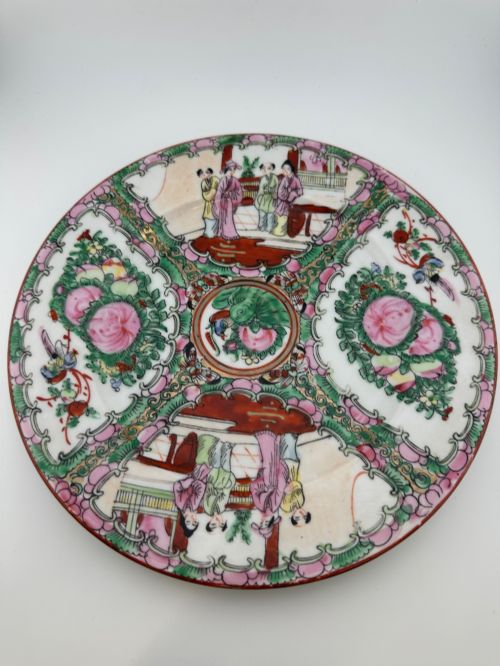
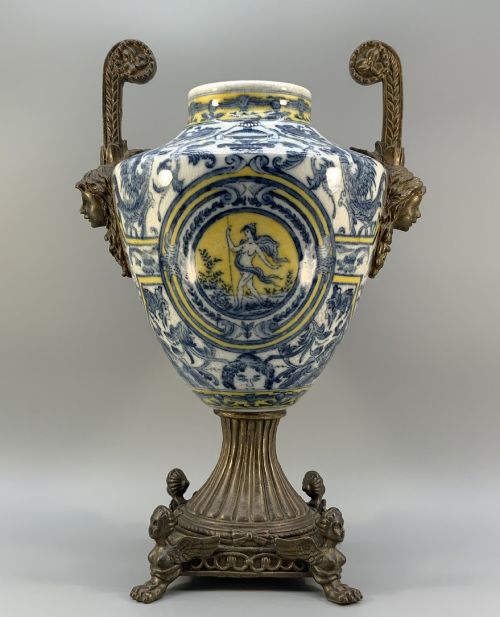
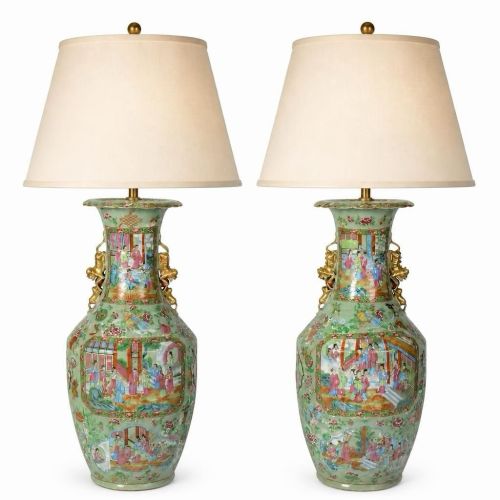
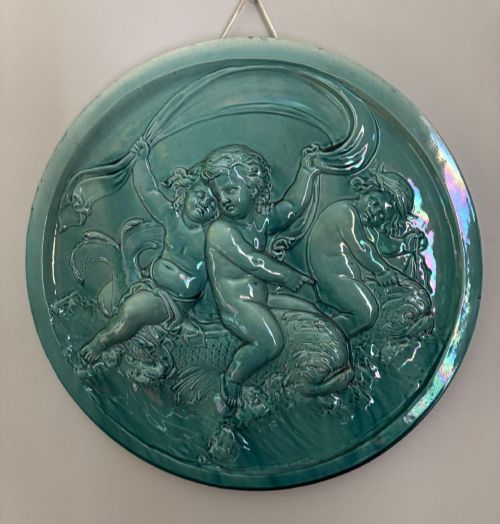
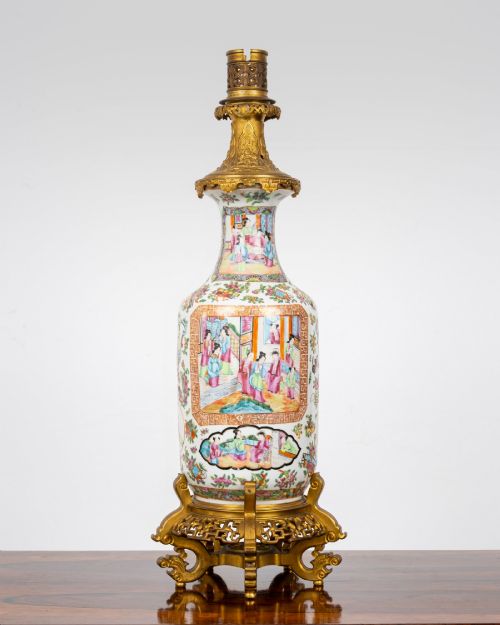
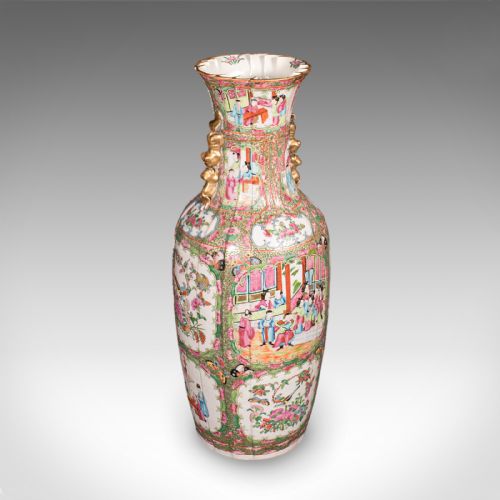
Antique ceramic medallions appear here as framed portraits, glazed plaques, and painted porcelain inserts mounted in bronze, ready for wall display.
Antique Ceramic Medallions
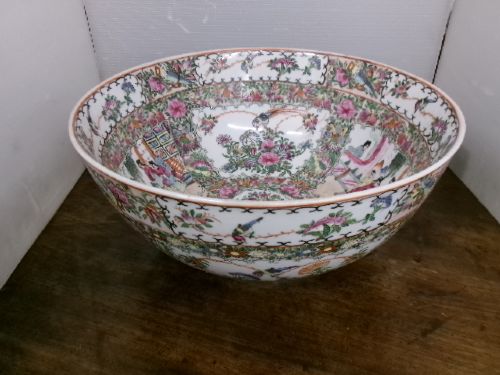
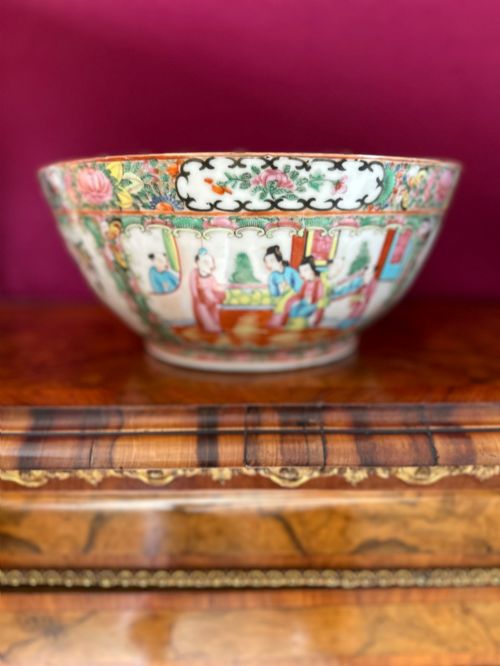
Antique ceramic medallions comprise framed cameos, circular wall plaques, and porcelain tondos originating from nineteenth-century European and Asian kilns. The selection leans heavily toward British jasperware portraits, French enamel plaques, and Chinese export porcelain sections mounted for interior display.
Buyers encounter subjects ranging from neoclassical literary figures to historical personages rendered in high relief against contrasting coloured grounds. These round or oval ceramic panels serve primarily as decorative wall art or cabinet ornaments rather than functional tableware.
How they were made
Potters employed fine white clay bodies, applying liquid slip over darker grounds to build crisp relief profiles through press moulding. Manufacturers such as Wedgwood utilised specialised stoneware recipes that required careful kiln firing to maintain sharp detail without warping.
Makers often enriched the ceramic surfaces with gilt bronze mounts, brass frames, or delicate enamel painting applied over the glaze. Artisans then secured the delicate plaques within protective wooden surrounds or cast metal bezels to facilitate hanging.
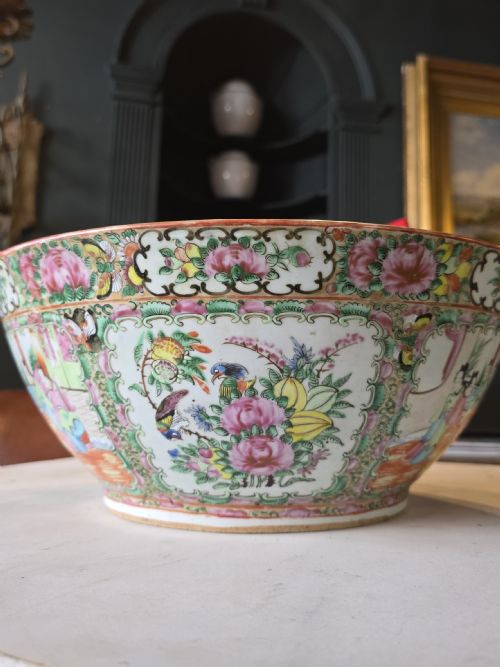
Listings feature nineteenth-century ceramic medallions created in both British stoneware and French porcelain.
What varies in quality
Quality rests in the crispness of the modelled relief, where sharper undercuts and cleaner edges distinguish superior portraiture from softer, worn impressions. The subtlety of the colour contrast between the raised figure and the background clay dictates the visual depth of the piece.
The sophistication of the secondary mount adds considerable merit, as finely chased gilt bronze or ormolu frames require distinct artisan skill. Pieces retaining original frames and uncompromised ceramic bodies demonstrate greater integrity than those with replaced surrounds or ground edges.
Clement Messier·Mintons·Wedgwood
The Antique Ceramic Medallions Glossary
- Medallion
- A circular or oval plaque bearing a modelled or painted design in relief. These items are typically mounted on walls or integrated into decorative furniture.
- Jasperware
- A fine-grained, unglazed stoneware developed in the eighteenth century, known for its contrasting white reliefs against coloured fields. It forms the basis of many British portrait plaques.
- Tondo
- A Renaissance term for a circular work of art, applied here to round ceramic plaques and paintings. They provide a balanced focal point within square or rectangular frames.
- Cameo
- A method of carving or moulding a motif in relief so that it projects from a background of a different colour. Ceramic versions mimic traditional hardstone carvings.
- Mount
- A decorative metal fitting, often cast in bronze or brass, used to frame or support a ceramic plaque. These elements provide structural stability and ornamental enhancement.
Antique Ceramic Medallions: Frequently Asked Questions
How do I hang ceramic medallions safely?
Most antique medallions arrive with integrated metal loops or fitted wooden frames designed for wall suspension. Ensure the chosen wall fixing matches the combined weight of the ceramic and its metal mount.
Avoid placing these plaques in areas subject to direct sunlight or heavy vibration, which might compromise historic frames or adhesives over time.
Were these medallions made for display?
These ceramic pieces were created specifically for interior ornamentation, frequently hung in Victorian libraries, parlours, and studies. Their detailed portraiture served as both decorative art and tributes to historical figures.
Unlike utilitarian pottery, they were handled sparingly and retained primarily for visual appreciation within domestic settings.
What periods do these medallions represent?
The available selection concentrates heavily on nineteenth-century production, spanning the Victorian era and the height of neoclassical revival styles. British and European workshops dominated this period of portrait plaque manufacture.
Earlier eighteenth-century influences appear through subsequent revivals, while later nineteenth-century pieces demonstrate industrial refinement in ceramic moulding techniques.