
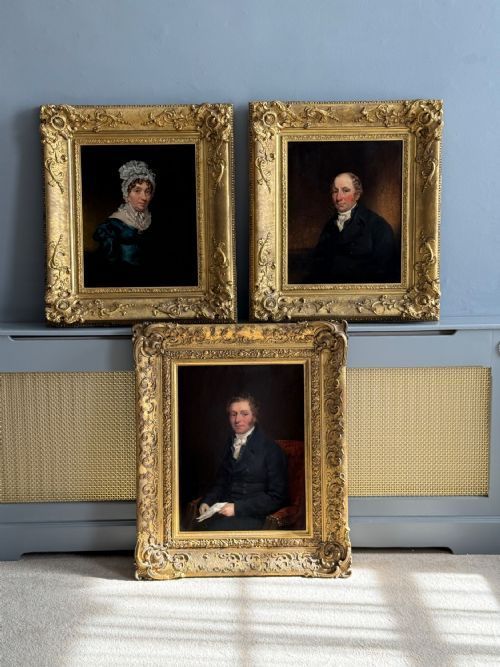
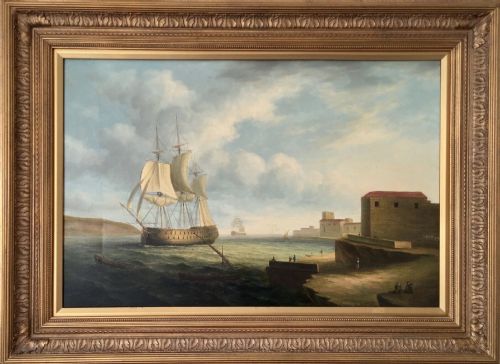
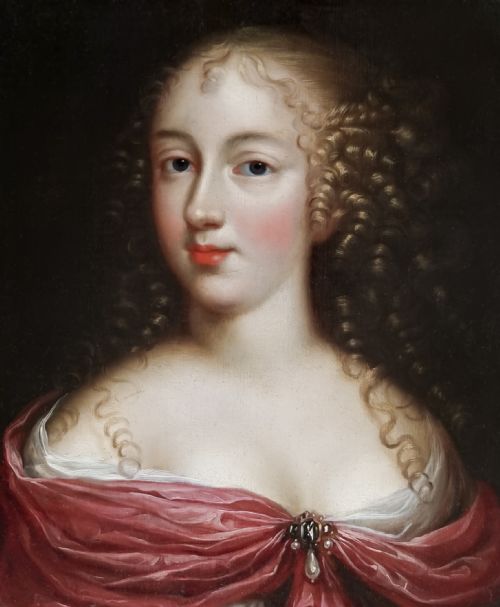
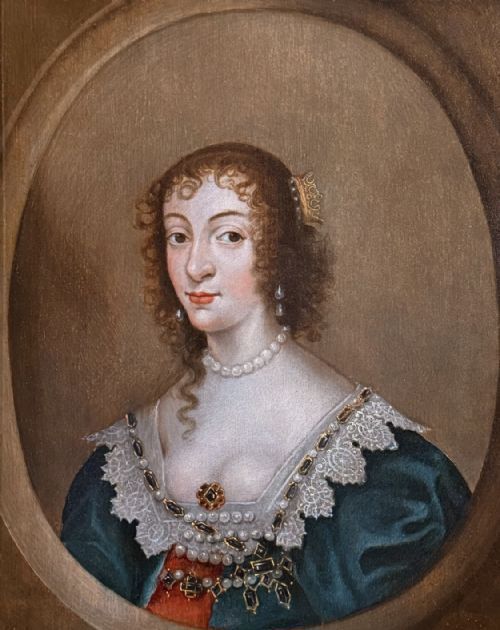
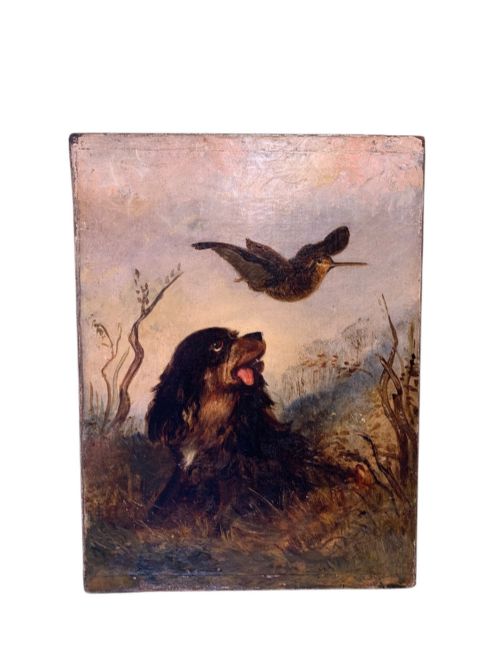
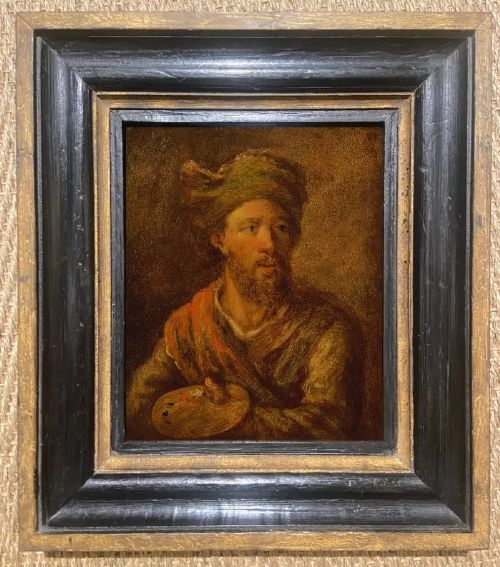
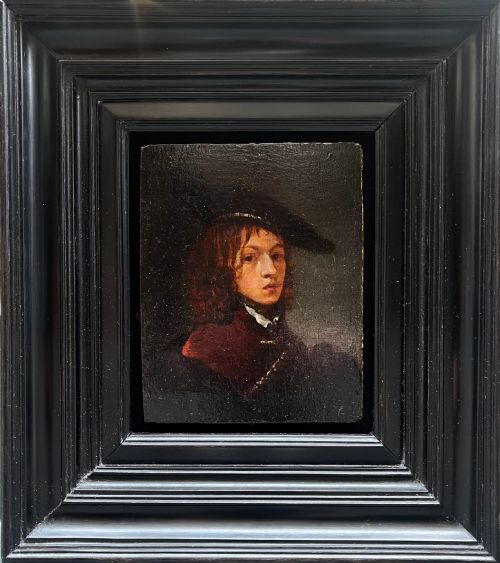
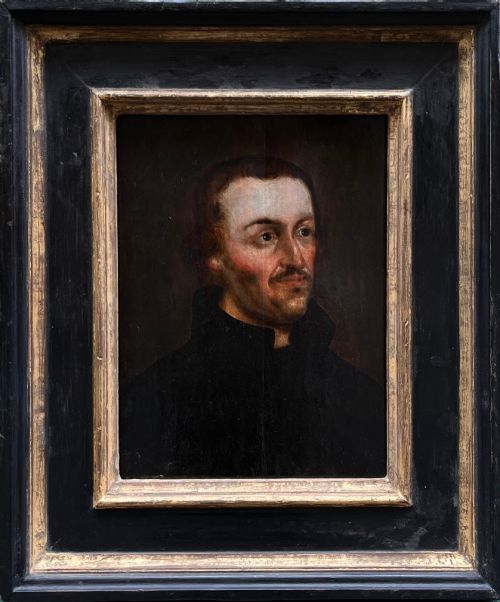
Portrait Panel Painting
These historic portrait panel painting works capture likenesses across centuries on firm wooden supports.
Portrait Panel Painting
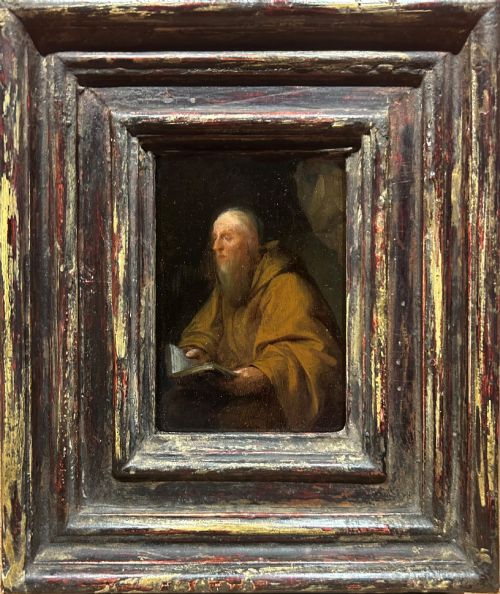
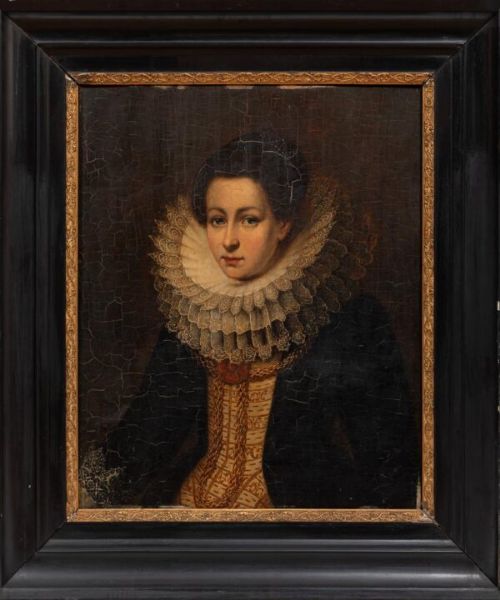
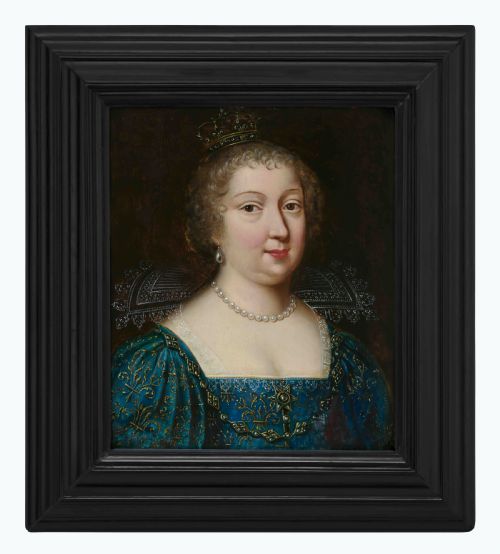
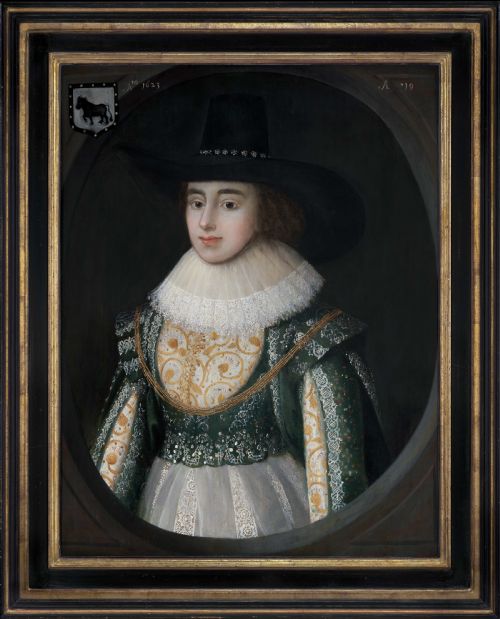
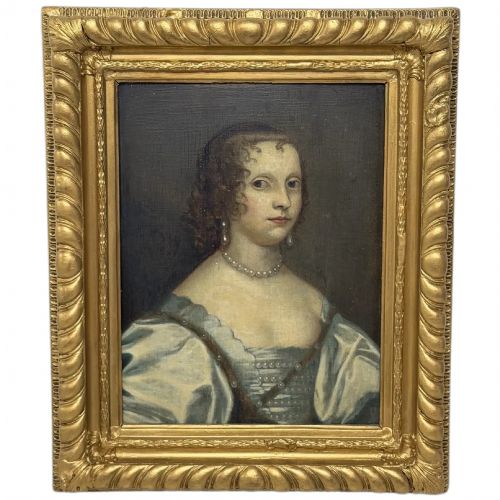
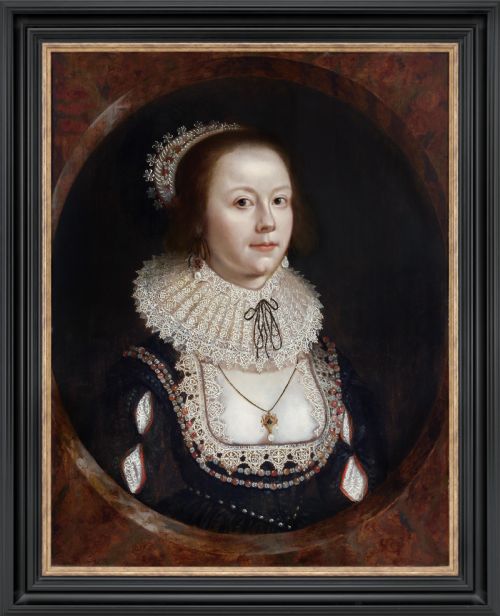
When searching for portrait panel painting, buyers encounter works executed on wooden boards rather than stretched canvas, spanning centuries of artistic production. The selection ranges from sixteenth and seventeenth-century panel portraits depicting nobles in ruff collars to nineteenth-century interpretations and later depictions.
The subjects include named historical figures, anonymous gentlemen and ladies in formal attire, self-portraits, and children. Oak panel is common in earlier centuries, providing a stable ground that has survived hundreds of years.
Alongside formal portraiture, the category encompasses regional European schools, copies after old masters, and naive works from the eighteenth and nineteenth centuries. These smaller formats were favoured for intimate likenesses and domestic interiors.
Materials and construction
Artists painted primarily in oil upon prepared wooden panels, frequently oak or pine, which offered a rigid and durable surface compared to canvas. Wood grain sometimes remains subtly visible beneath thin glazes of oil paint, particularly in earlier works.
Preparation involved sealing the wooden support with gesso or a similar ground before applying layers of pigment. Framing often matched the period, utilising giltwood or moulded wood to house and protect the panel.
Listings feature works spanning from the seventeenth century through to the mid-twentieth century, executed primarily in oil paint on wood panels.
Factors determining quality
The condition of the wooden panel itself dictates longevity, with stable boards free from warping or historic splits commanding greater regard. Attribution to documented artists or identifiable schools also elevates the standing of an individual piece.
Joseph Clover RA·Pierre Mignard·Cornelius Johnson·William Williams·Lorenz Strauch
The Portrait Panel Painting Glossary
- Panel painting
- A painting executed on a rigid flat support made of wood rather than stretched canvas.
- Ruff
- A prominent pleated starched collar worn in European fashion during the sixteenth and seventeenth centuries.
- Oil on panel
- Pigment mixed with drying oil applied directly to a prepared wooden board.
- School
- A group of artists working in a similar style or region, often following a master.
- Doublet
- A close-fitting man's jacket worn during the Renaissance and seventeenth century.
Portrait Panel Painting: Frequently Asked Questions
How do I clean a wooden panel painting?
Surface dust should be removed gently using a soft, dry brush without applying moisture or pressure to the paint layer.
Chemical cleaners and water can damage historic oil pigments and should be avoided entirely.
Why were artists using wood instead of canvas?
Wood panels provided a completely rigid surface that allowed for high detail and resisted the sagging associated with early canvas supports.
Oak and other timbers were readily available to cabinet makers and painters across European workshops.
How can I tell the period of a panel portrait?
Clothing styles, such as ruff collars, doublets, and lace caps, offer the most reliable clues to the exact decade of creation.
Construction marks on the reverse of the wood panel also help date the support itself.
Where should I hang a panel painting at home?
Select an interior wall away from direct sunlight and fluctuating heat sources like radiators to protect the wood from warping.
Stable humidity levels prevent the wooden board and the oil paint layer from expanding and contracting.