

Portrait Painting Wall Art
Portrait painting wall art brings centuries of individual presence and painterly craft into domestic spaces through oils, panels and canvases.
Portrait Painting Wall Art
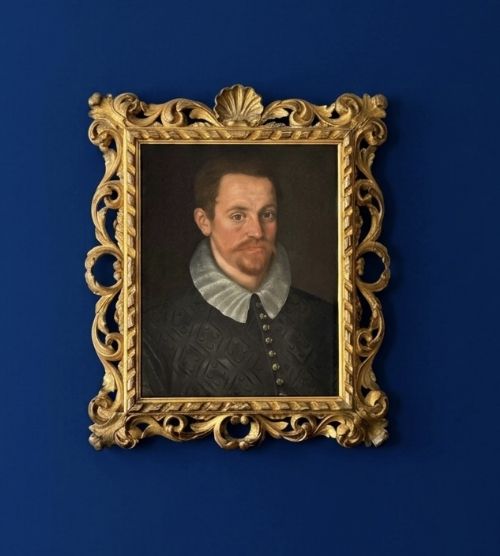
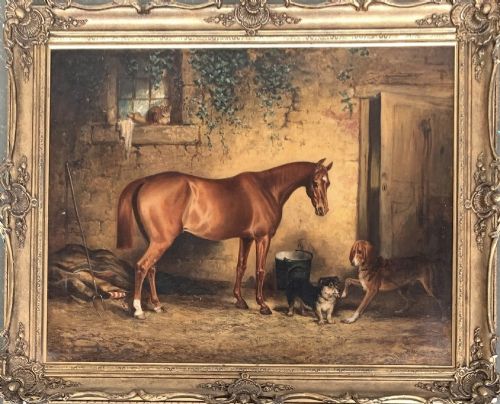
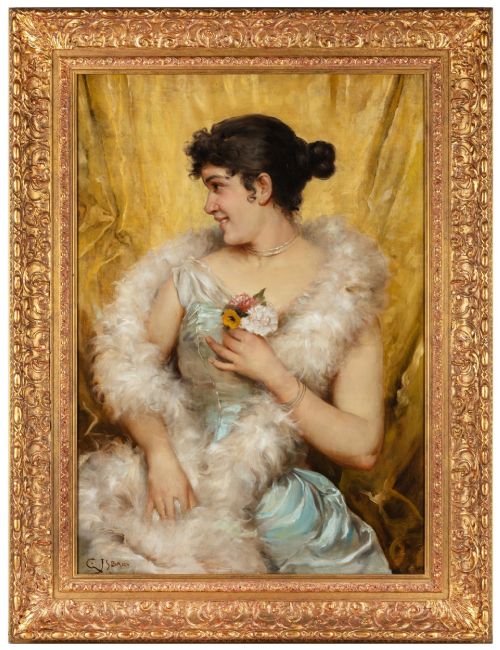
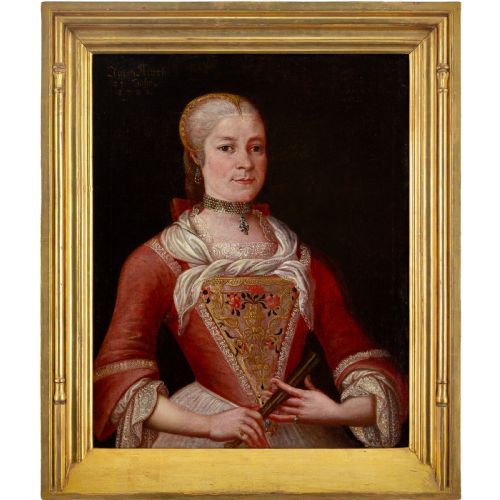
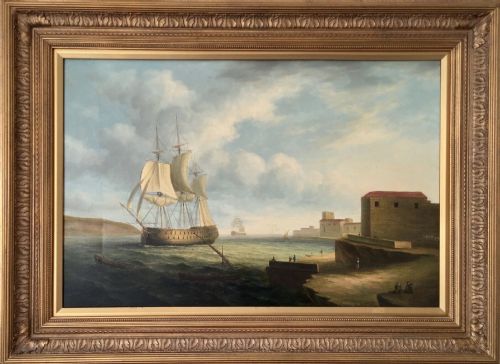
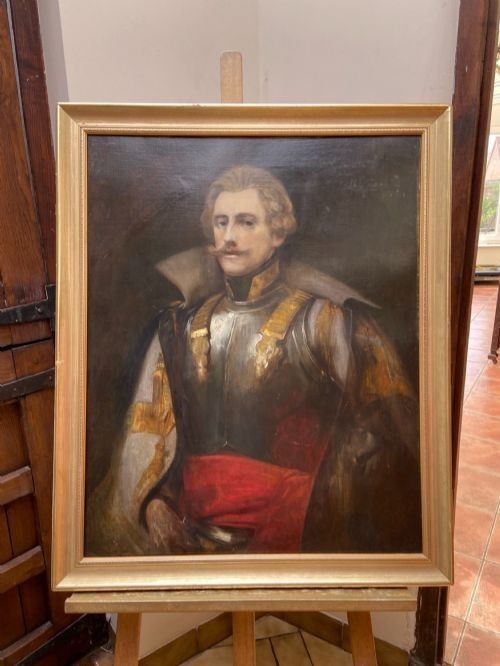
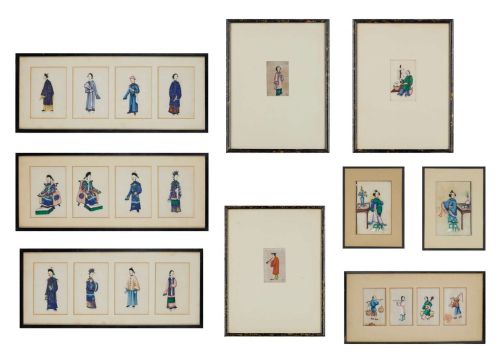
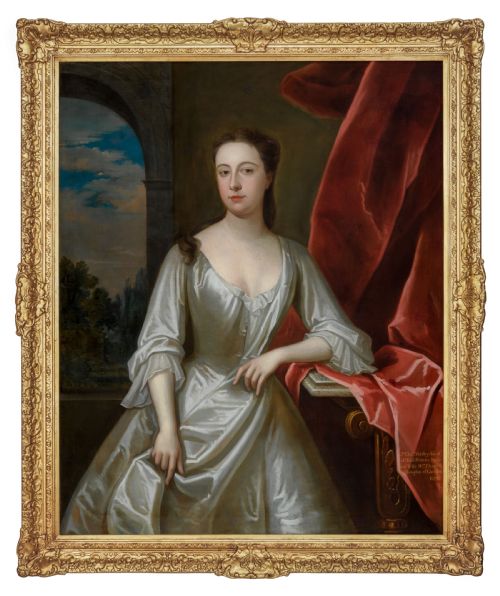
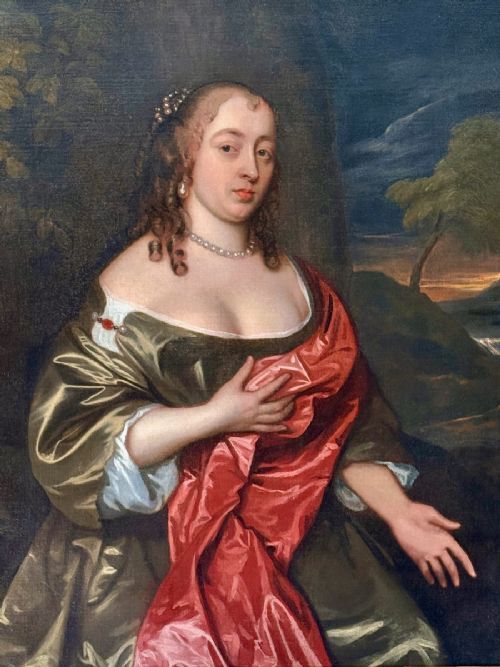
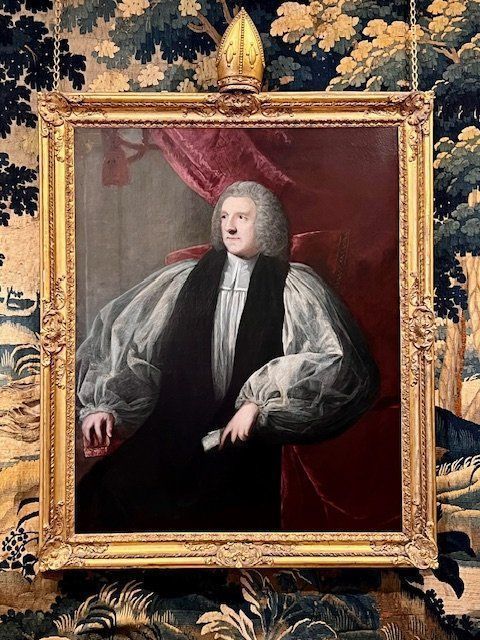
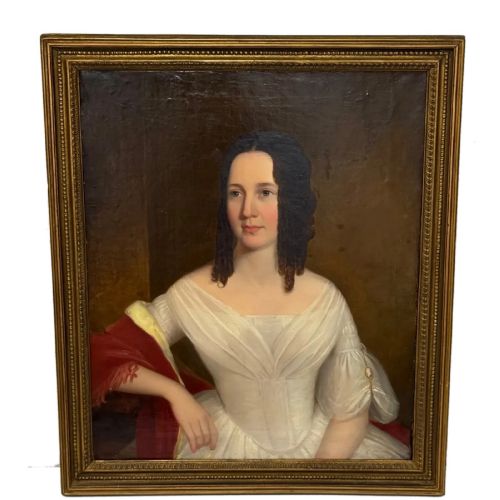
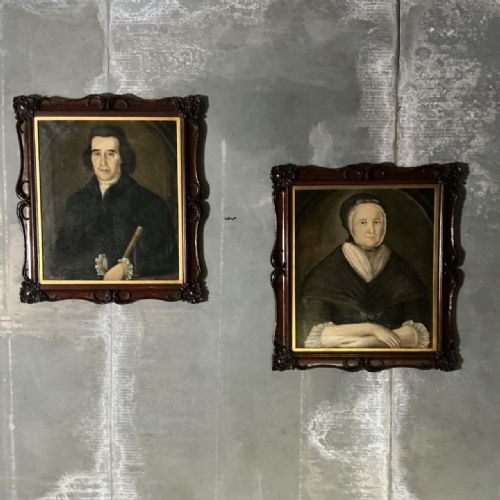
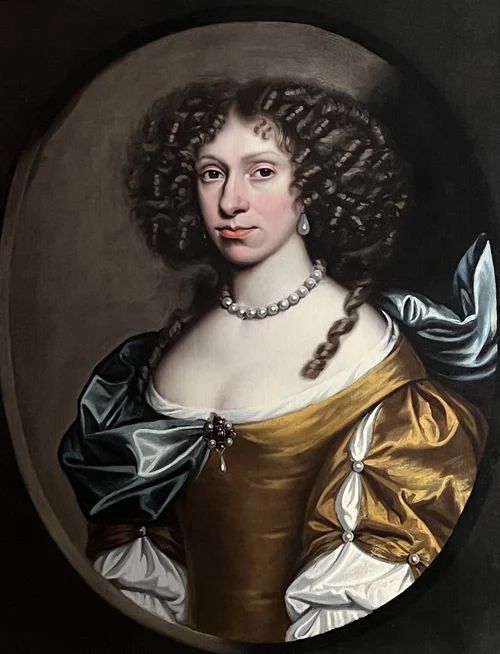
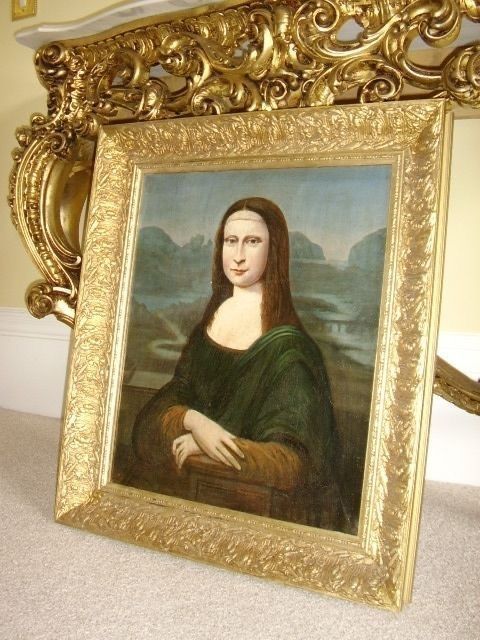
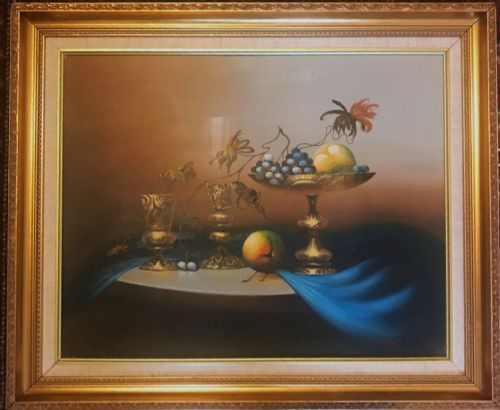
Portrait painting wall art comprises framed oils, panels and miniature likenesses spanning from the seventeenth century through to the mid-twentieth century. Buyers encounter depictions of nobility, architects, domestic animals and classical subjects rendered by regional schools and named hands.
The selections on this page range from British Baroque and Georgian formal compositions to nineteenth-century realism and early twentieth-century pastels. Canvases stretch across centuries, capturing human character, costume detail and livestock with distinct historical weight.
Materials and construction
Works of this scale rely primarily on oil paint applied to woven canvas or timber panels, supported by traditional wooden stretching frames. Frames themselves often employ giltwood or gold leaf over carved wood to complement the imagery.
Earlier centuries utilise ground pigments mixed with oils to build depth through layered glazes, while later examples incorporate board, vinyl canvas and glass protection for miniature formats.
Factors influencing quality
Quality rests upon the skill of brushwork in rendering facial anatomy, textiles and ambient light, distinguishing studio output from hurried provincial copying. Preserved surface integrity, minimal overpainting and original period framing elevate an individual piece.
The strength of provenance, whether linked to a documented artist or an identifiable sitter, marks the division between standard decorative canvases and historically significant works.
Sir Godfrey Kneller·Sir Joshua Reynolds·Sir Peter Lely·Joseph Clover·Anthony Van Dyck
The Portrait Painting Wall Art Glossary
- Oil on Canvas
- Pigment suspended in a drying oil medium and applied to a stretched fabric surface. This combination provides flexibility and allows for rich colour blending.
- Giltwood
- Timber carved and coated with a thin layer of gold leaf or gilt powder. It is commonly found on antique frames surrounding formal canvases.
- Portrait Miniature
- A small-scale likeness executed with fine detail on materials such as vellum, card or ivory. These portable items were often worn or kept in private chambers.
- British Baroque
- An artistic style prevalent in Britain during the late seventeenth and early eighteenth centuries. It emphasises grandeur, rich drapery and dramatic lighting.
- Panel Painting
- Artwork created on a flat wooden support rather than fabric. These sturdy surfaces frequently predate the widespread adoption of canvas.
Portrait Painting Wall Art: Frequently Asked Questions
How do I date an antique portrait?
Dating relies primarily on the style of costume, hair and framing visible in the composition. Documentary clues such as inscriptions, painter signatures or canvas stamps also help narrow the period.
Examinations under ultraviolet light can reveal later retouching that might obscure the original creation date. Comparing the technique to known dated works by the same school provides further confirmation.
What is the difference between canvas and panel portraits?
Canvas paintings utilise woven textile stretched over a wooden frame, offering slight give and a textured surface. Panel portraits are painted on solid timber boards, which tend to remain rigid and stable.
Panels are more common in earlier centuries before large canvases became readily available. Each support type requires specific environmental conditions to prevent warping or cracking.
How should I hang and care for oil portraits?
Oil paintings require stable indoor humidity away from direct sunlight and heat sources to prevent cracking. Hanging them securely from picture rail mouldings using appropriate cord protects the frame and wall.
Dust should be removed gently with a soft, dry brush without applying moisture or cleaning solutions. Professional conservators should handle any structural repairs or surface cleaning.
Are portrait miniatures different from standard paintings?
Miniatures are executed on a much smaller scale, often requiring magnifying glasses for the painter to achieve intricate facial details. They served as personal mementoes rather than grand wall displays.
Unlike large canvases, miniatures are frequently encased in protective brass or leather frames with glass fronts. Their preservation depends heavily on shielding the delicate pigments from light exposure.