
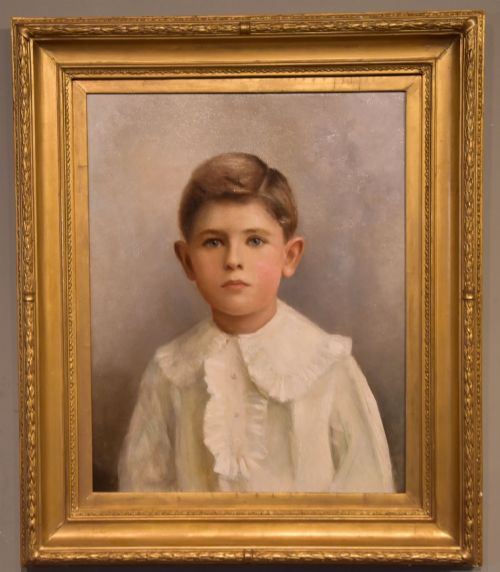
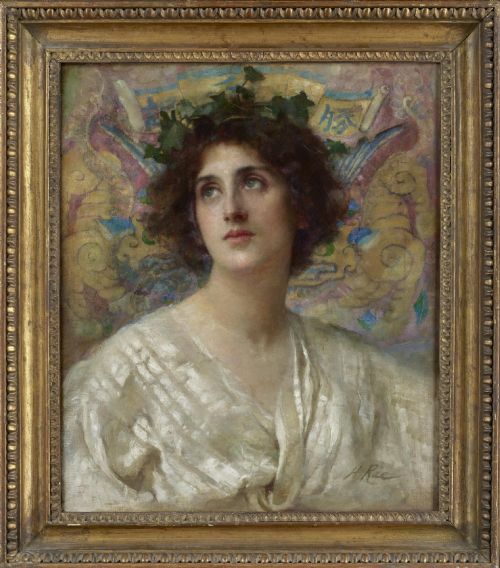
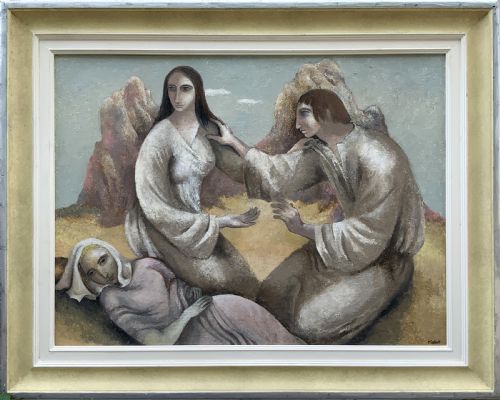


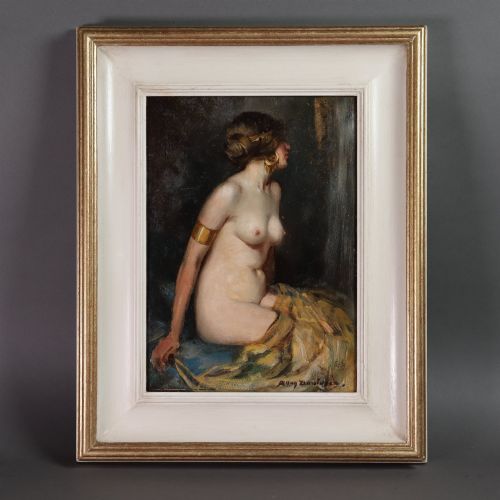

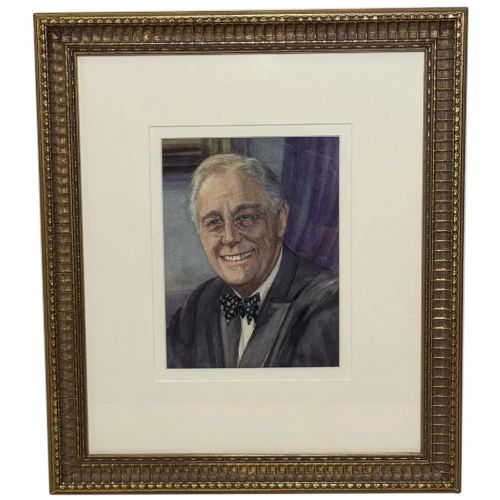
Cream Framed Portrait Painting
A cream framed portrait painting brings character to a room through historical likenesses and traditional framing.
Cream Framed Portrait Painting
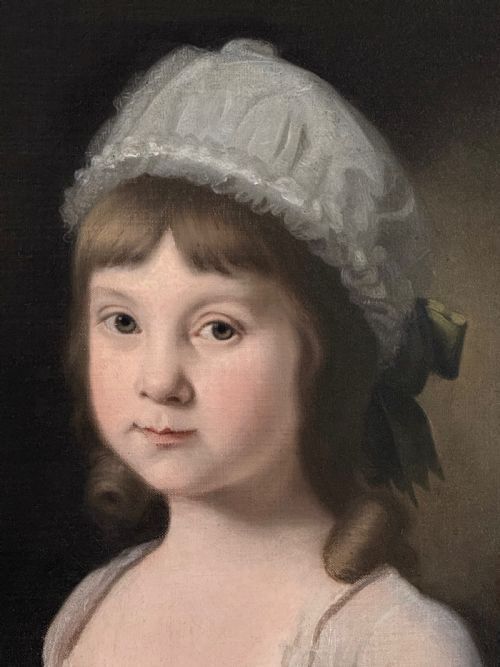
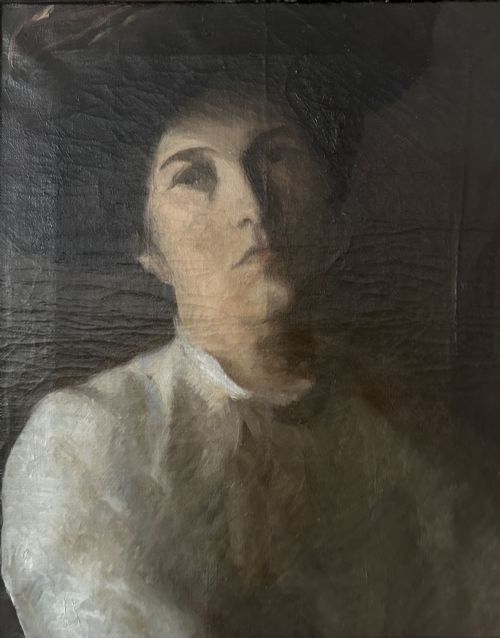
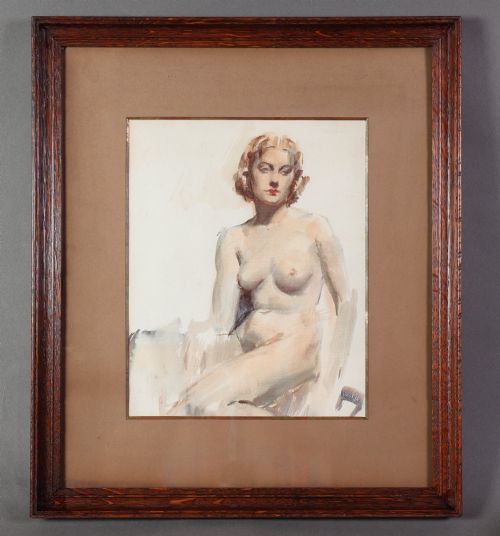
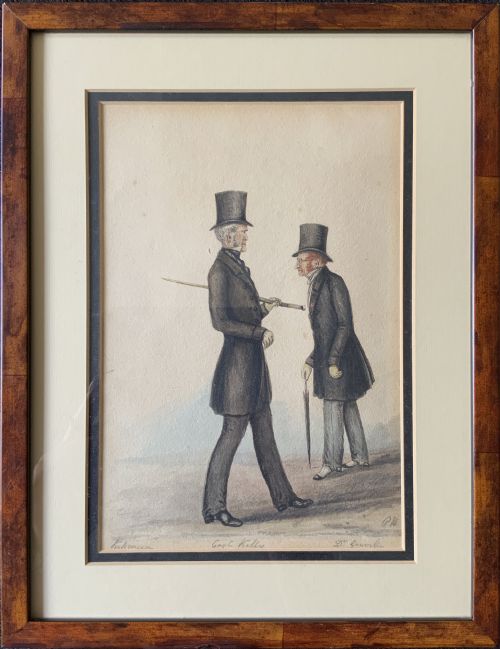
When you search for a cream framed portrait painting, you encounter works spanning the eighteenth century through to the mid-twentieth century. The selection includes oil on canvas, watercolour, gouache, and pastel depictions of human sitters and animals alike. These pieces originate from British, French, Italian, and American hands, reflecting diverse regional schools and methods.
Most examples you meet on this page pair period portraiture with painted or toned wooden surrounds. The subjects range from formal studies of ladies and gentlemen to informal sketches of children, dogs, and studio settings. The prevailing formats demonstrate how artists from the Regency era onward captured human and animal subjects within decorative boundaries.
Materials and construction
The physical foundations rely upon stretched canvas, paper, wood panels, and card. Artists applied oil paint, watercolour, ink, gouache, and pastel directly to these surfaces, frequently building texture through impasto or fine brushwork. Protective layers of glass often cover the paper and board works to guard against environmental damage.
Framing utilises timber shaped into ornate or simple mouldings, finished with paint, gesso, or gilt. The cream colourway on these frames typically derives from historic paint applications or later decorative treatments that complement the tones within the painted canvas or paper.
Listings feature works spanning the eighteenth, nineteenth, and twentieth centuries, utilising oil, watercolour, canvas, and wood.
Distinctions in execution
Quality rests upon the anatomical proportion, handling of light, and expressive depth achieved by the artist. Stronger works convey texture in hair, fabric, and skin with confident strokes, whereas weaker pieces display stiff outlines and flat planes.
The integration between the artwork and its surround affects the overall integrity. Pieces retain higher distinction when the frame complements the period of the painting without compromising the original presentation of the artwork.
Joshua Reynolds·Henry Windsor Fry·Henrietta Rae·Christine Nesbit·Henri Vincent-Anglade·Alice Anne Renshaw·Gaetan Dumas·Attilio Toro·Allan Douglas Davidson·J. Hardy·John Horsburgh·James Clark·Edwin Marsh·Jules Chardigny·Mabel Gear·John Emms·Takashi Nakayama·Ernst Stierhof·William Albert Clark·Eugene Verboeckhoven·John E. Bosanquet·Geoffrey Robert Russell·William Dring·Henry Edridge
The Cream Framed Portrait Painting Glossary
- Gesso
- A plaster-like mixture applied to wood frames to create a smooth surface for gilding or painting. It allows craftsmen to carve intricate decorative details before finishing.
- Impasto
- Paint applied thickly to a canvas or board so that it stands proud of the surface. This technique preserves the physical marks of the brush or palette knife.
- Gouache
- An opaque water-based paint that dries to a matte finish. It provides stronger coverage than traditional watercolour.
- Pastel
- A dry drawing medium composed of powdered pigment and a binder. Works executed in this material require glass protection to prevent smudging.
- Provenance
- The documented history of ownership surrounding a work of art. It establishes authenticity and traces the journey of the piece through time.
Cream Framed Portrait Painting: Frequently Asked Questions
How do I clean a cream framed portrait painting?
Dust the frame gently with a soft, dry brush to prevent dirt accumulation. Avoid using liquid cleaners or chemical sprays on both the frame and the painted surface.
Keep the artwork away from direct sunlight and high humidity. Professional conservators should handle any deep cleaning of the canvas or paper elements.
Can I hang these portraits in a modern interior?
Neutral frame finishes allow these works to sit comfortably against contemporary wall colours. The contrast between historic subjects and modern spaces adds visual depth to a room.
Ensure you use appropriate wall fixings matched to the weight of the wood and glass components.
What is the difference between oil and watercolour portraits?
Oil portraits utilise pigment suspended in drying oil on canvas or board, offering rich colour depth and textured brushwork. Watercolour works use water-soluble pigments on paper, presenting a lighter and more translucent finish.
Watercolours require glass framing for protection, whereas many oil paintings on canvas remain unglazed.
How do I identify the period of a frame?
Frame styles often align with the fashion of the era in which the artwork was created. Moulding profiles, corner construction, and the composition of the underlying gesso reveal manufacturing techniques of specific decades.
Subsequent framing can introduce later cream paint layers over older wooden structures.