

Portrait of Officer
A portrait of officer captures the gravitas, uniform, and rank of military figures from past centuries through oil, watercolour, and miniature formats.
Portrait of Officer
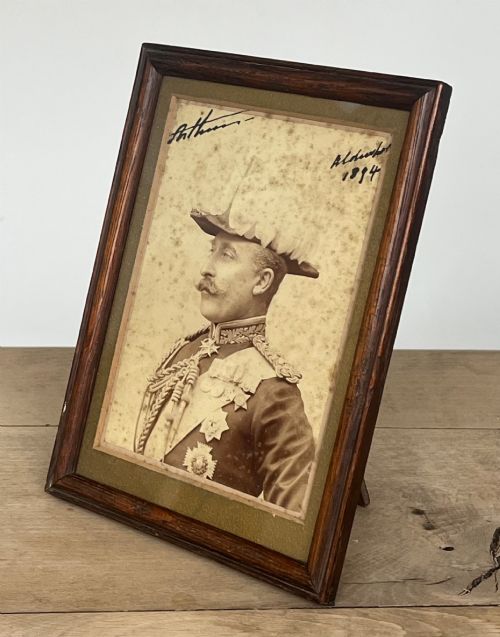
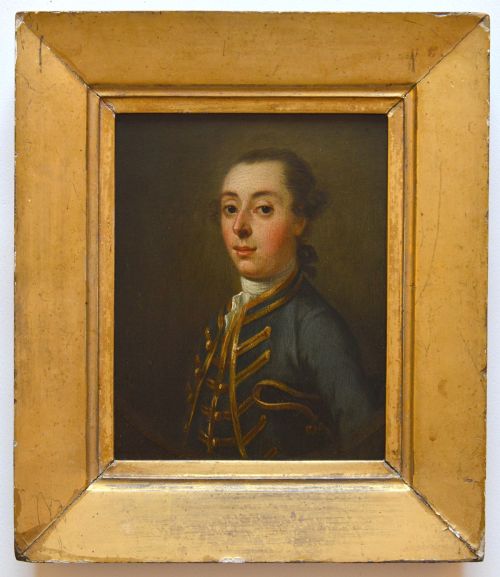
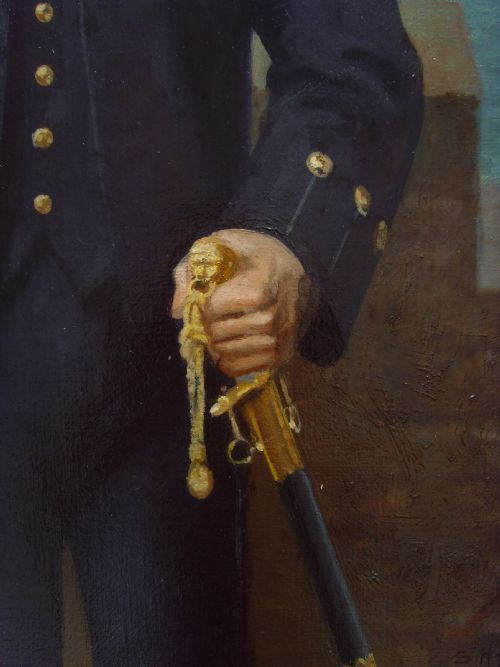
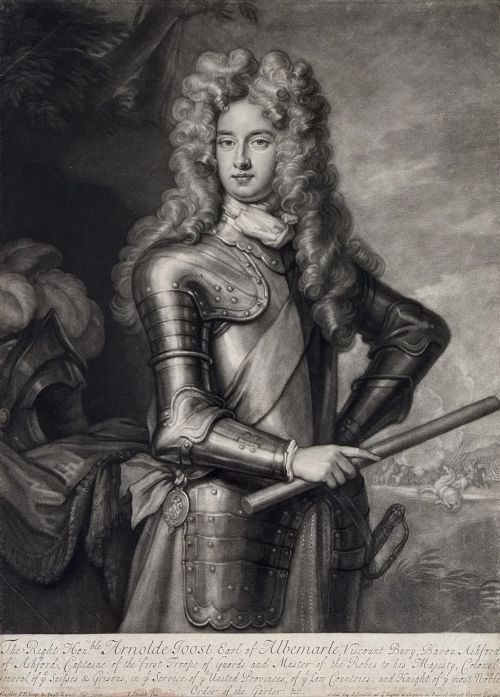
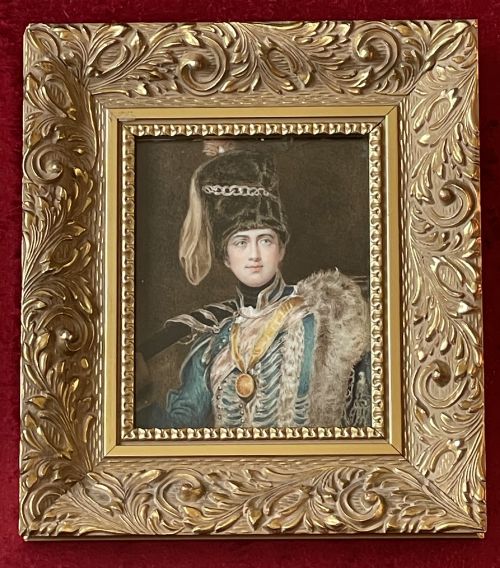
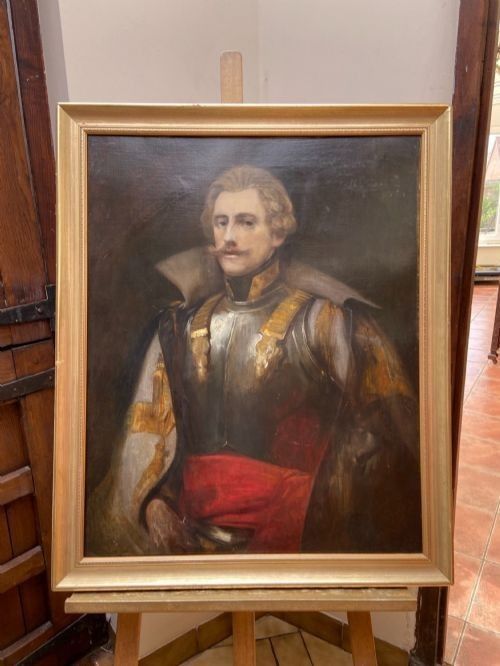
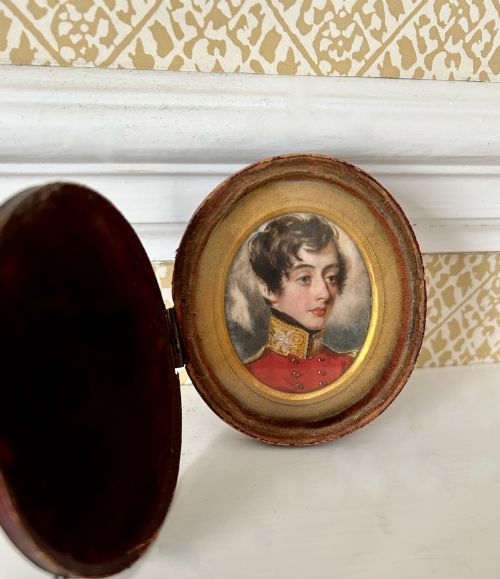
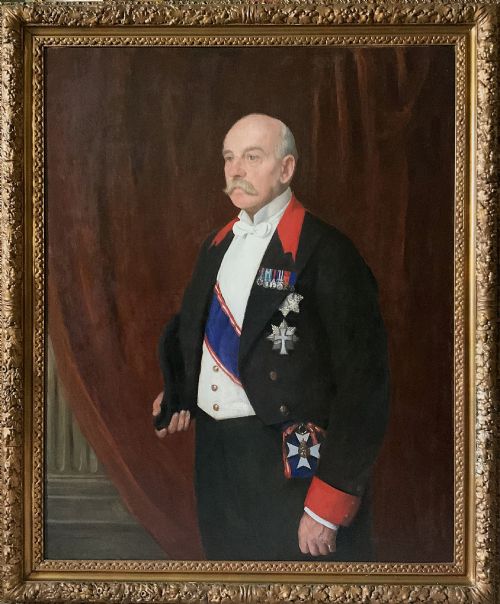
When you search for a portrait of officer, you encounter depictions of military, naval, and militia personnel ranging from the seventeenth century through to the mid-twentieth century. The selection spans grand oil paintings on canvas, delicate miniatures on paper or glass, and wartime sketches in pastel and gouache.
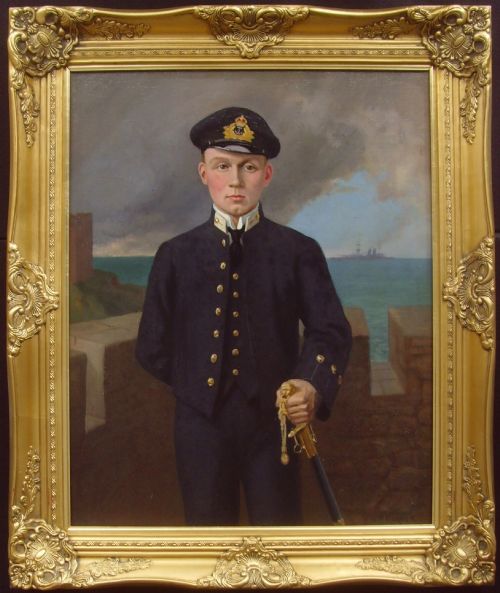
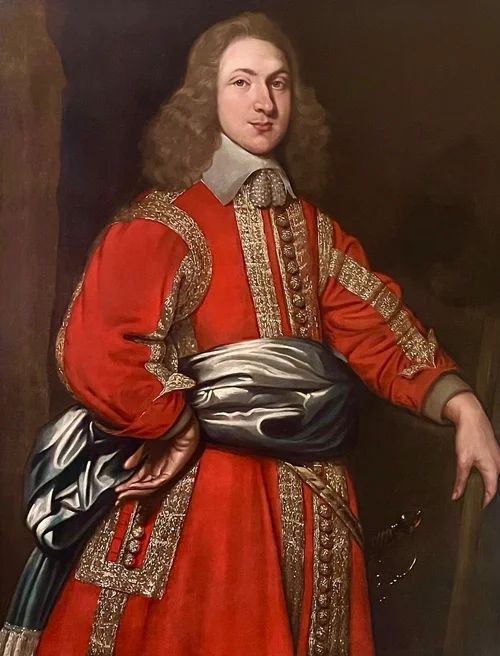
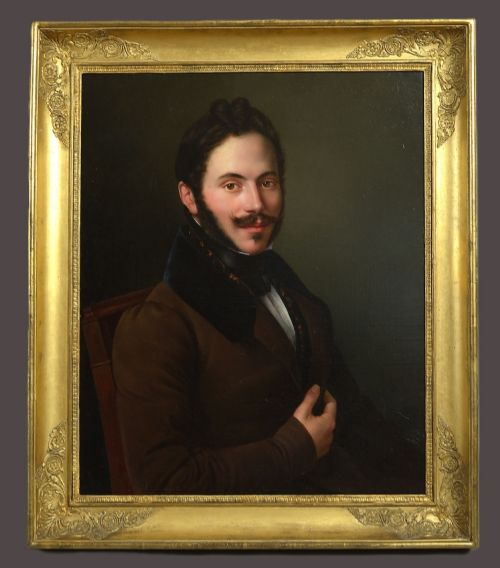
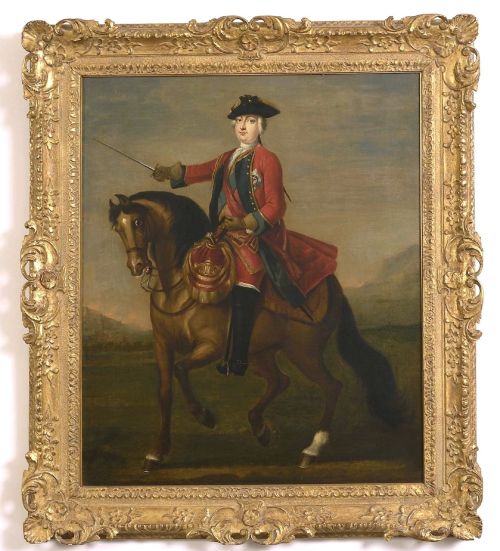
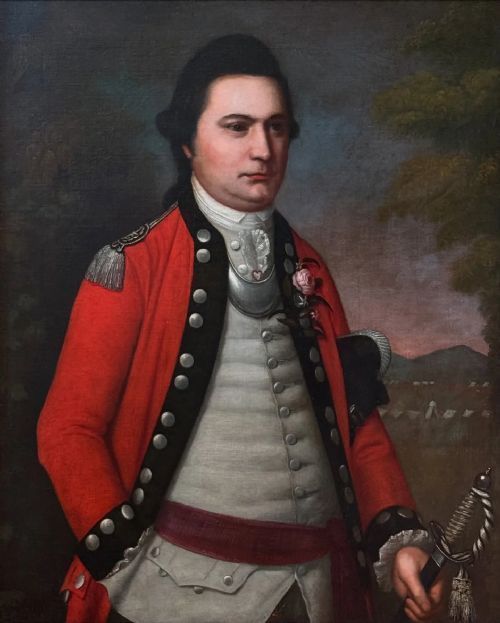
The version you are most likely to meet on this page is an oil painting from the eighteenth or nineteenth century, often showing an officer in a distinctive red coat or uniform. These works record the changing styles of military dress, from the heavy armour and lace cravats of the seventeenth-century Anglo-Dutch and Baroque periods to the tailored tunics of the Victorian era and the operational dress of the 1940s.
Materials and Techniques
The physical construction of these works relies heavily on oil on canvas, which forms the core of the larger military portraits and allows for rich depictions of gold braid, medals, and scarlet cloth. Painters utilised stretched canvas alongside wood panels to support heavy pigment layers, sometimes augmented by preparatory drawings and mezzotint printing techniques.
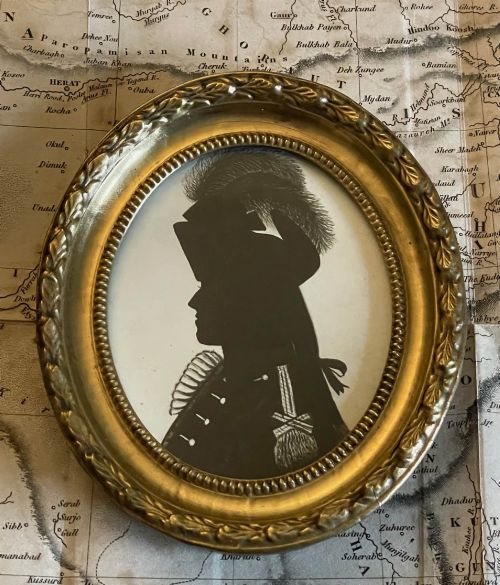
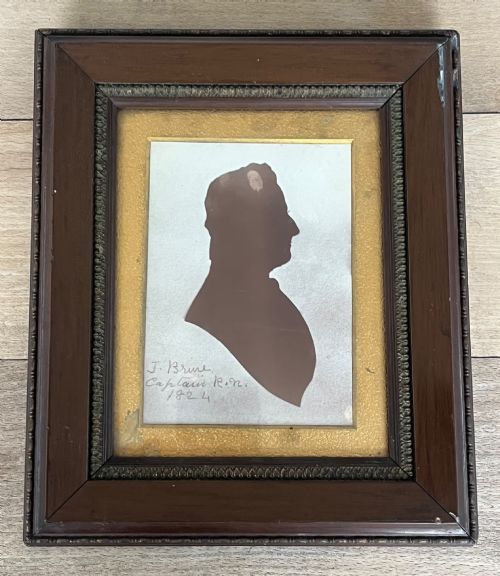
Smaller works employ alternative supports such as paper, glass, and card, particularly for portrait miniatures, silhouettes, and wartime pastel or gouache sketches. Frames constructed from wood and giltwood frequently accompany the paintings, providing structural protection and period-appropriate ornamentation that matches the era of the subject.
Portrait of Officer Retail Price Guide 2026
Typical asking prices for portrait of officer among the pieces listed under this phrase on Sellingantiques today, from the lower quarter to the upper quarter. They describe what is for sale here now, not the wider market.
Listings feature works spanning the 17th Century to 1950, utilising oil on canvas, watercolour, gouache, glass, and enamel.
Evaluating Quality
Provenance and documentation also elevate certain pieces, particularly when the sitter's identity, regiment, and the artist can be confirmed through signatures, contemporary inscriptions, or historical records. The integration of the subject within a detailed background, such as a battlefield, ship deck, or encampment, rather than a generic studio backdrop, marks a more ambitious and accomplished composition.
Francis Lindo·John Smith·Sir Godfrey Kneller·Samuel Harry Hancock·Lemuel Francis Abbott·Stickland Lowry·Sir Anthony van Dyck·Henry Bone·John Simmons·Edouard Pingret
The Portrait of Officer Glossary
- Miniature
- A small-scale portrait, often painted on ivory, vellum, or card, designed to be portable or worn as a locket. These pieces demand exceptional skill due to their diminutive size.
- Mezzotint
- A printmaking process of the intaglio family where the plate is roughened uniformly to achieve tones and gradients. This technique was frequently used to reproduce oil paintings of notable military commanders.
- Giltwood
- Wood that has been coated with gold leaf or gold paint, commonly found on the ornate frames enclosing eighteenth and nineteenth-century canvas portraits.
- Gouache
- An opaque water-based paint composed of pigment, water, and a binding agent such as gum arabic. It appears frequently in wartime sketches alongside pastel.
- Cuirassier
- A type of cavalry soldier equipped with metal armour consisting of a breastplate and backplate. Portraits from French and British schools often feature these distinct uniforms.
Portrait of Officer: Frequently Asked Questions
How can I identify the rank of the officer?
The rank is usually indicated by the uniform details, such as lace patterns on the collar and cuffs, epaulettes on the shoulders, and the style of headdress. Medals and orders worn on the chest also provide clues to seniority and service history.
Written inscriptions on the back of the canvas or frame often record the officer's name and regiment, helping to confirm their exact position within the military hierarchy.
What uniforms appear most often?
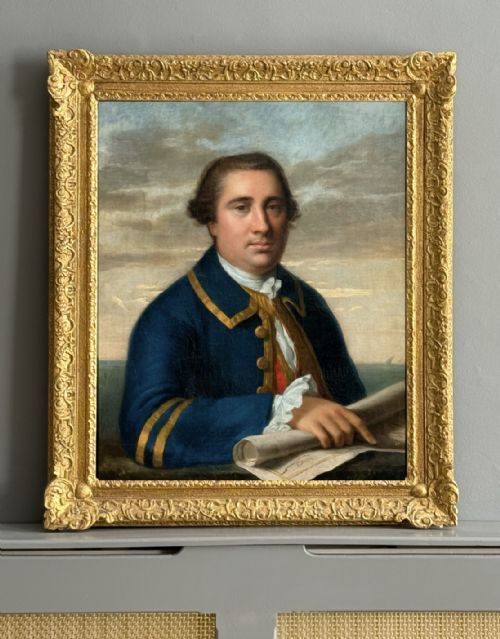
Red coats dominate the earlier centuries, reflecting standard British infantry and cavalry uniforms of the Georgian and Napoleonic periods. Naval uniforms featuring dark blue jackets and gold buttons also appear frequently in maritime portraits.
Later Victorian and twentieth-century pieces introduce khaki service dress, wartime field gear, and specialised regimental tartans or ceremonial tunics.
How should I hang an oil portrait?
Hang oil paintings away from direct sunlight and fluctuating heat sources to prevent the canvas from warping and the pigments from fading. Ensure the wall can support the combined weight of the painting and its heavy giltwood frame.
Keep the room at a stable humidity level, and use appropriate picture hooks fixed securely into wall studs or masonry rather than standard plaster fixings.
How do I date a military portrait?
Examine the style of the uniform, including the cut of the coat, lapels, and headwear, which changed according to strict military dress regulations of specific decades. Hairstyle, facial hair, and wig styles offer additional chronological markers.
The canvas preparation, stretcher construction, and artist signatures or exhibition labels on the reverse provide further evidence for dating the work.