

Portrait of Lady in Blue
When you search for a portrait of lady in blue, you are looking at centuries of painted likenesses captured in oils, watercolours and pastels.
Portrait of Lady in Blue
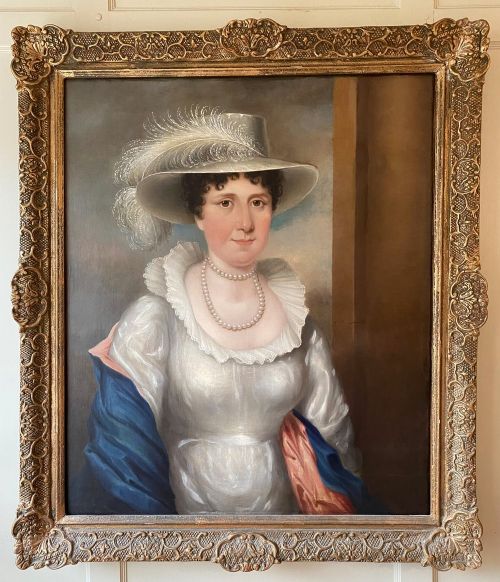
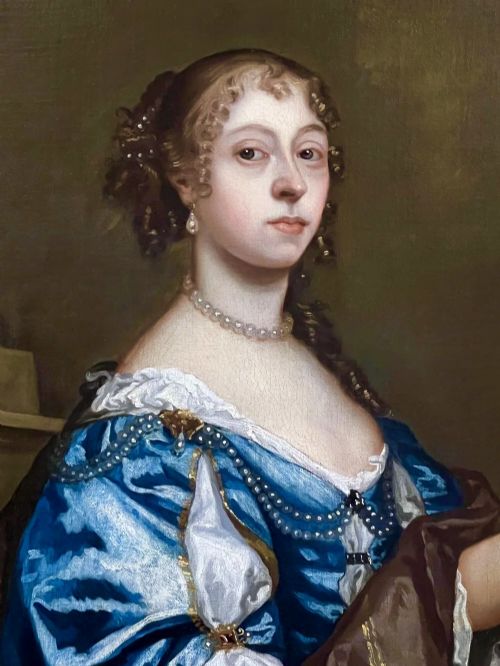
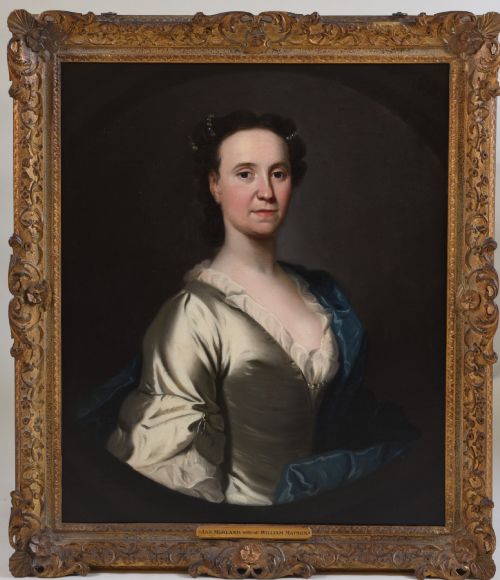
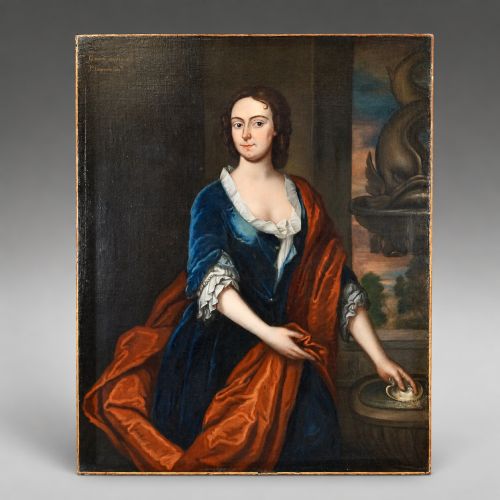
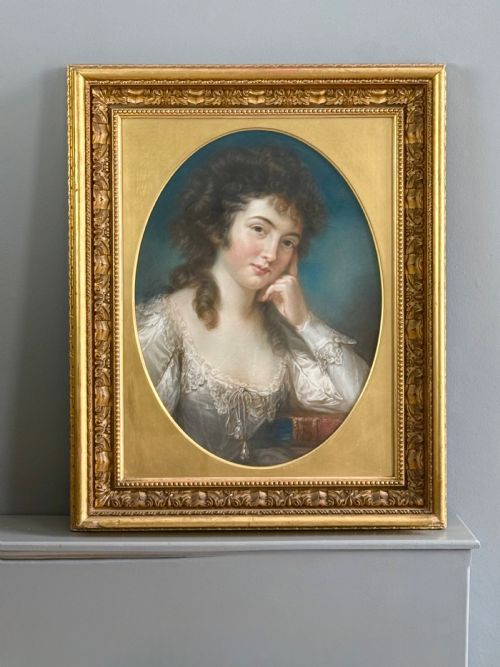
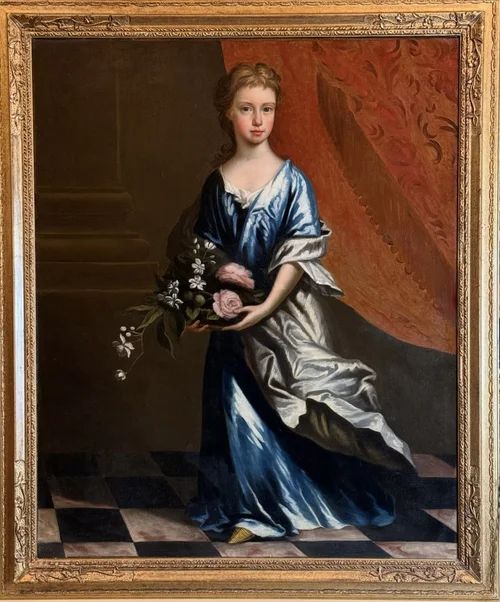
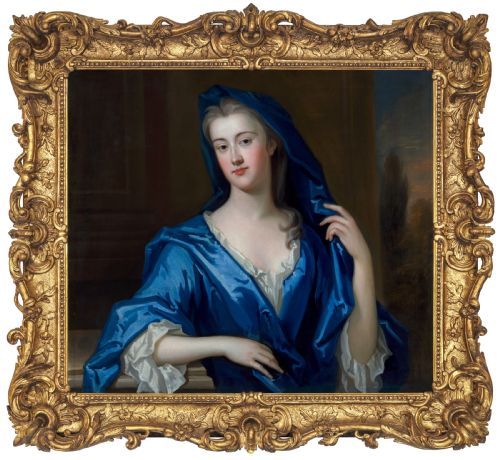
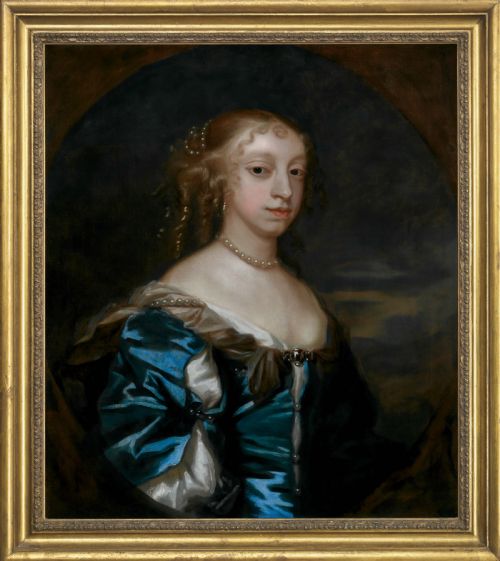
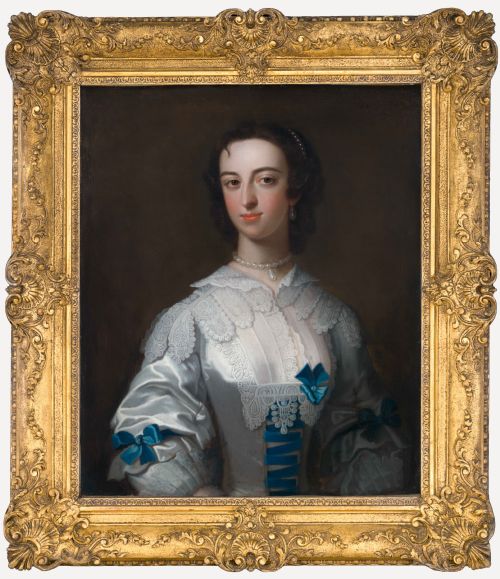
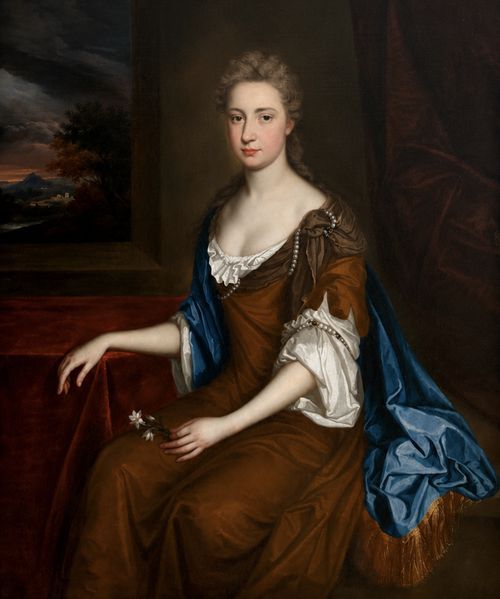
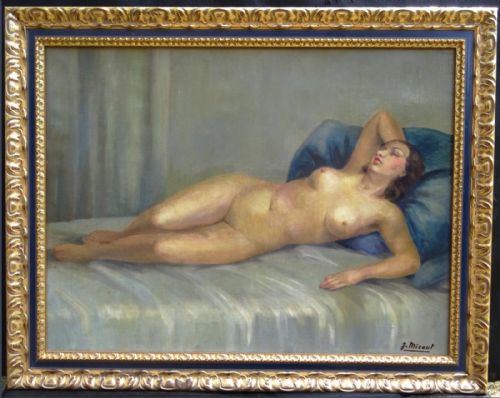
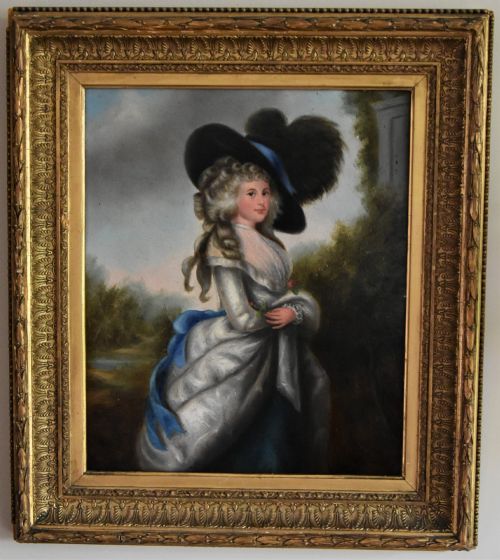
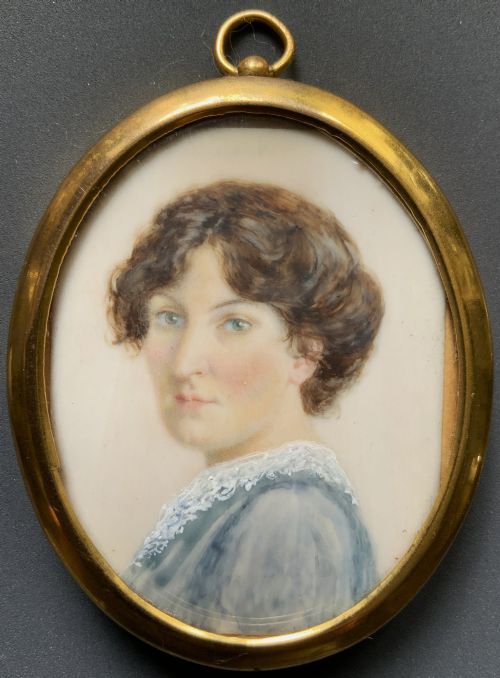
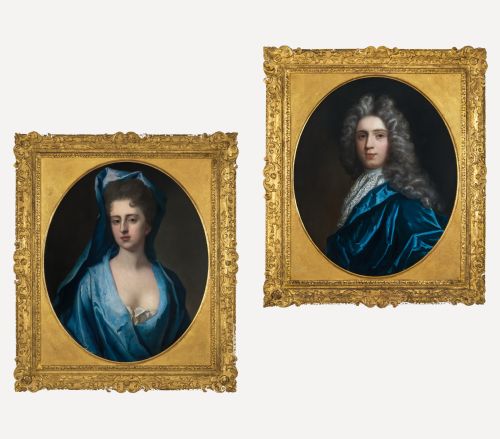
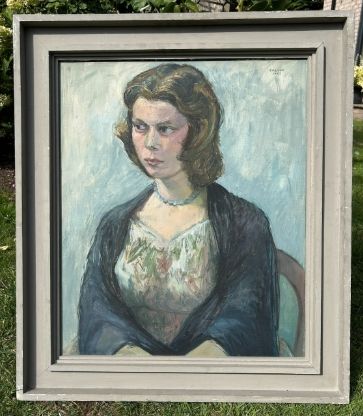
A portrait of lady in blue brings together centuries of artistic representation, spanning from the seventeenth century through to the mid-twentieth century. The subjects range from named nobility and gentlewomen to unidentified sitters captured in oil on canvas, board, or delicate watercolours on paper and ivory. These works reflect changing fashions in dress, from seventeenth-century silk gowns and wraps to Regency and Victorian attire.
The most common examples on this page are eighteenth-century and nineteenth-century oil paintings and portrait miniatures. Many works carry attributions to notable artists or schools of the period, while others remain anonymous studies of female beauty and status. They appear in various formats, from large framed canvases to small wall art and intimate miniatures.
Materials and technique
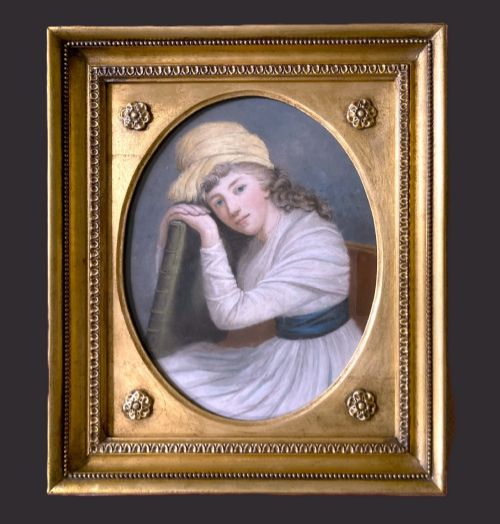
The primary medium across these listings is oil paint applied to canvas, wood panels, or zinc, often housed within original giltwood or maple frames. Artists also employed pastel on paper and watercolour on ivory and paper for smaller, more intimate portrait miniatures.
Techniques varied from classical studio painting with layered oils to looser pastel work and detailed miniature painting. Pigments were worked onto prepared grounds to capture the textures of silk dresses, velvet, and ribbons, alongside the subtle tones of the sitter's skin.
Portrait of Lady in Blue Retail Price Guide 2026
Typical asking prices for portrait of lady in blue among the pieces listed under this phrase on Sellingantiques today, from the lower quarter to the upper quarter. They describe what is for sale here now, not the wider market.
The site listings feature oil paintings, watercolours and pastels spanning the seventeenth century to the mid-twentieth century.
Quality and execution
Quality in these portraits rests upon the skill of the brushwork and the precision with which the sitter's likeness and textiles are rendered. Finer works display a confident handling of light on fabrics like blue silk or velvet, capturing the sheen and folds without stiffness.
The integrity of the ground surface, the preservation of the original paint layer, and the quality of the accompanying period frame also separate standard studio pieces from exceptional works of fine art.
Pieter Borsseler·Anna Tonelli·Joseph Highmore·John Russell·Charles Jervas·Michael Dahl·Thomas Murray·Robert Byng·Henry Pickering·Jeremiah Davison·Kenneth Cozens·Richard Cosway·Allan Ramsay·Raymond Moritz·John Horsburgh·Nicolas Fouché·Fernand Toussaint·Frederick Tayler·Jeremiah Steele·George Percy Jacomb-Hood·Sir Godfrey Kneller
The Portrait of Lady in Blue Glossary
- Portrait miniature
- A small-scale painting, often executed in watercolour on ivory or vellum, popular from the sixteenth century onwards. These intimate pieces were frequently kept in protective cases or worn as jewellery.
- Giltwood
- Wood that has been coated with a thin layer of gold leaf or gold paint. It is commonly found on the ornate frames enclosing oil paintings from the seventeenth to nineteenth centuries.
- Pastel
- A dry painting medium consisting of powdered pigment and a binder, shaped into a stick. Artists utilised pastel for soft-toned portraits on paper.
- Attributed to
- A term used when a work is believed to be by a specific artist based on style and technique, but without definitive documentation or signature.
- Canvas
- A heavy woven fabric used as a surface for oil painting, stretched over a wooden frame before being painted.
Portrait of Lady in Blue: Frequently Asked Questions
How do I date an antique portrait?
Dating relies primarily on the style of the sitter's clothing, hair and collar, alongside the materials of the canvas, panel or frame. Examining the stretcher bars, nails and pigments offers further clues to the period.
Signatures, inscriptions on the reverse, and historical records or attributions to specific artists also help narrow down the decade of creation.
Where should I hang a painted portrait?
These works suit traditional living spaces, studies or hallways where they can be displayed at eye level. Placing them away from direct sunlight protects the pigments in oils and watercolours.
Pairing a framed canvas with traditional wall lighting enhances the depth of the dark backgrounds and the tones of the blue garments.
What is the difference between an oil painting and a miniature?
Oil paintings are typically larger works executed on canvas, wood or zinc panels using brushwork and layered paint. They were designed to command a wall in a principal room.
Miniatures are much smaller, painted with fine watercolours on ivory, paper or vellum, and were intended for close-up viewing or personal transport.