


Historical Oil Portrait Canvas
A historical oil portrait canvas brings centuries of character into a room through layered oil paint and woven fabric.
Historical Oil Portrait Canvas
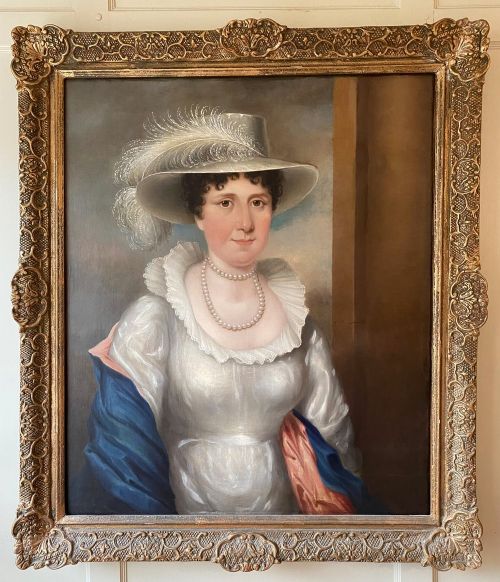
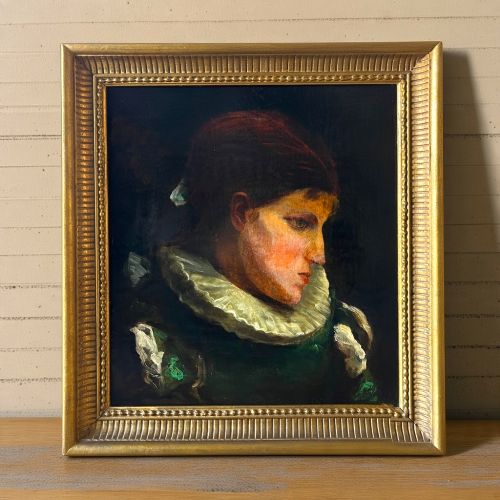
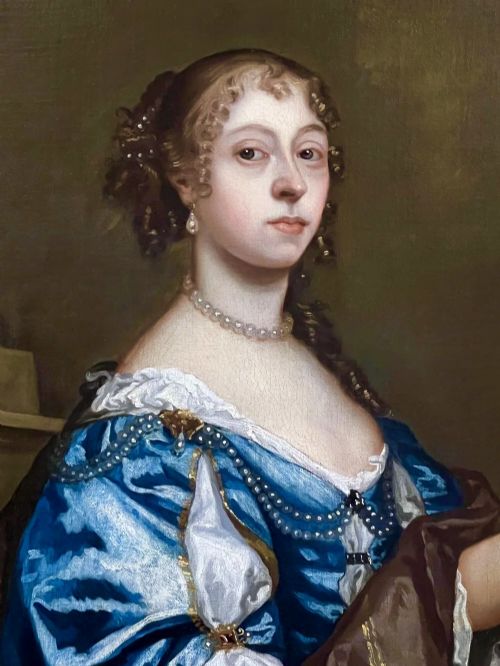
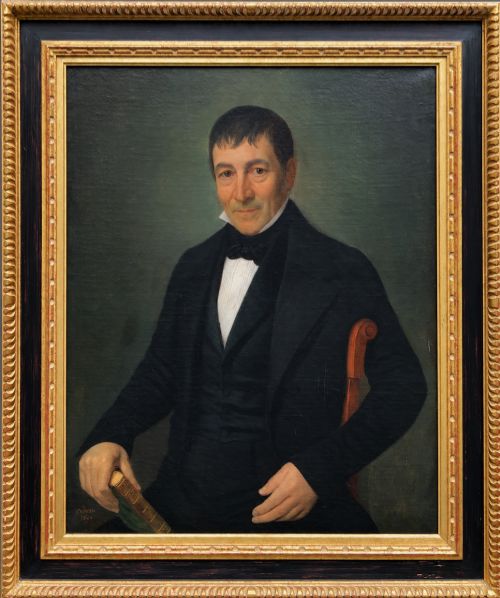
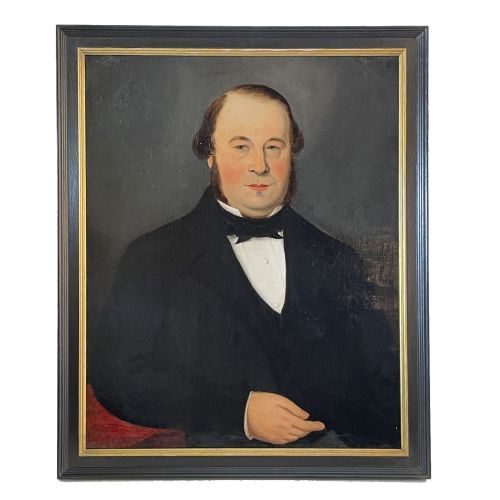
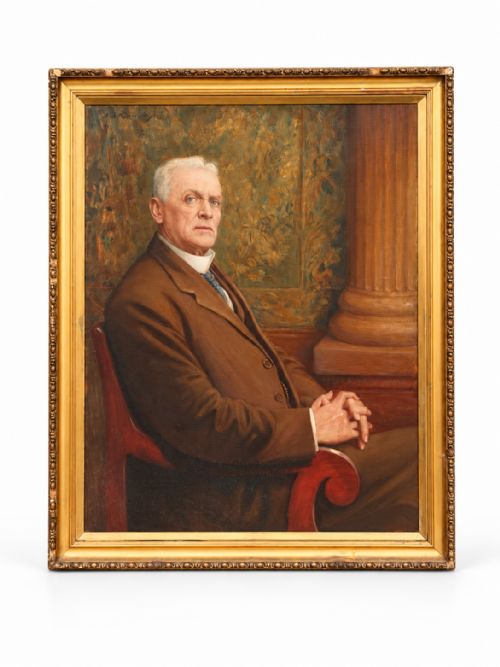
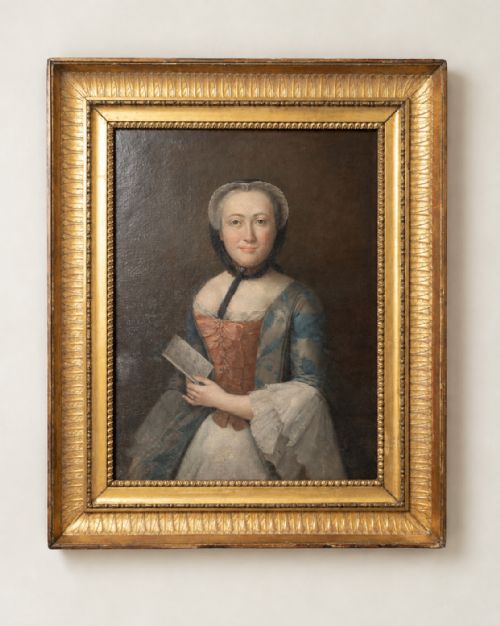
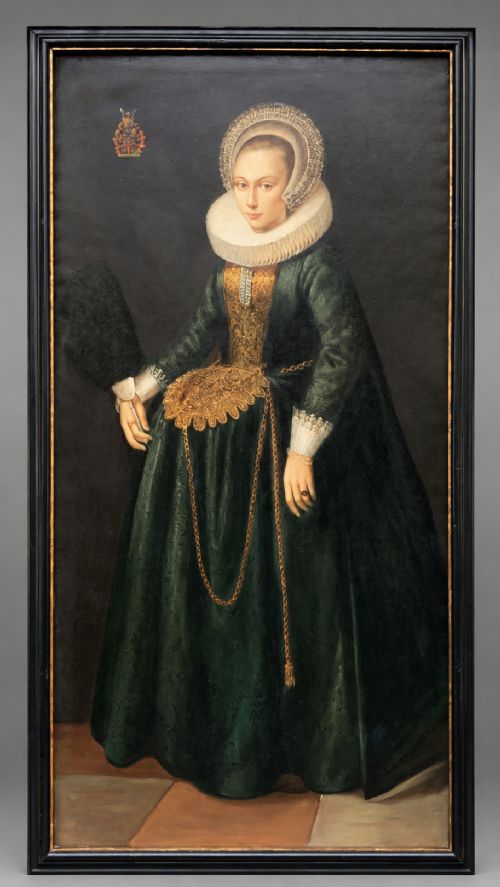
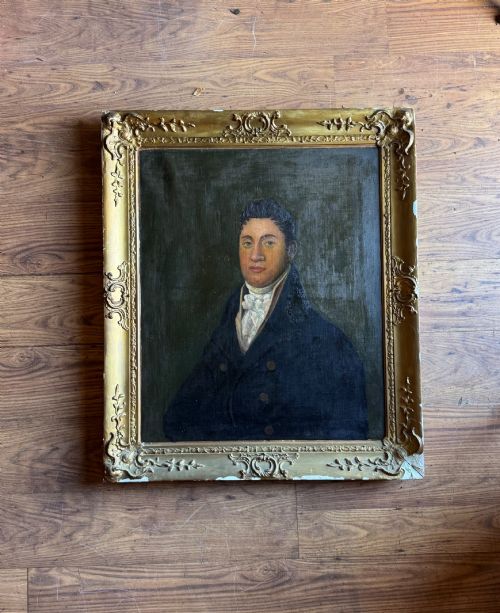
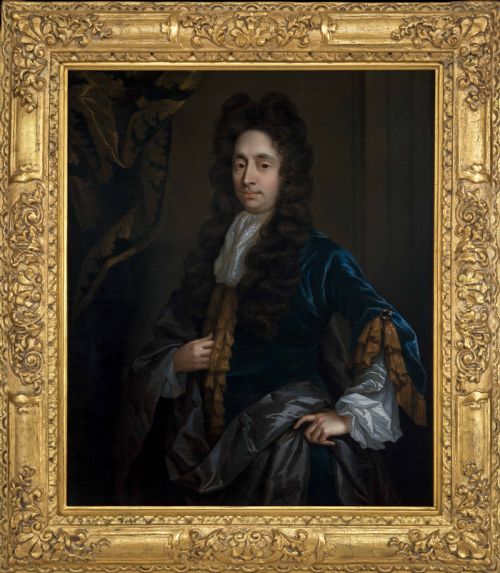
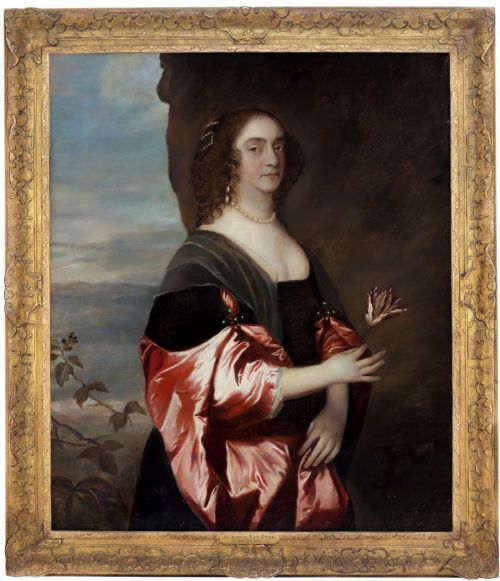
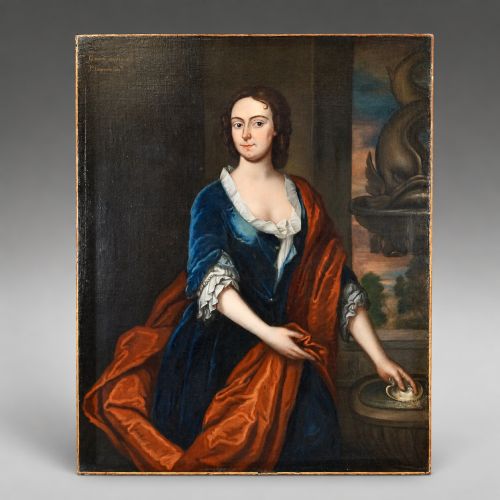
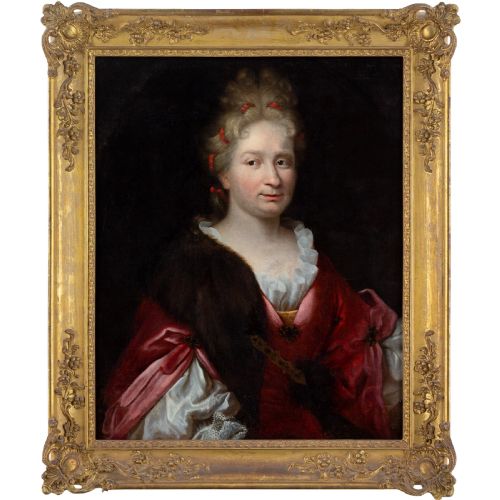
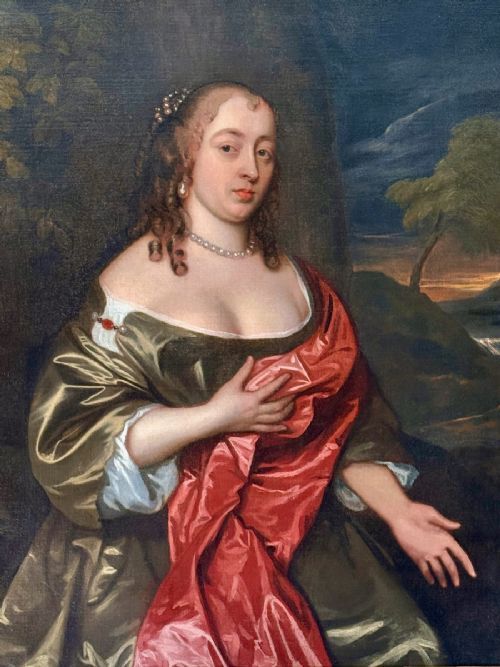
A historical oil portrait canvas captures recognizable individuals, nobility, officers, and merchants from past centuries. These works span the sixteenth through the nineteenth centuries, reflecting shifts in dress, posture, and social standing across English, French, Dutch, and Italian schools.
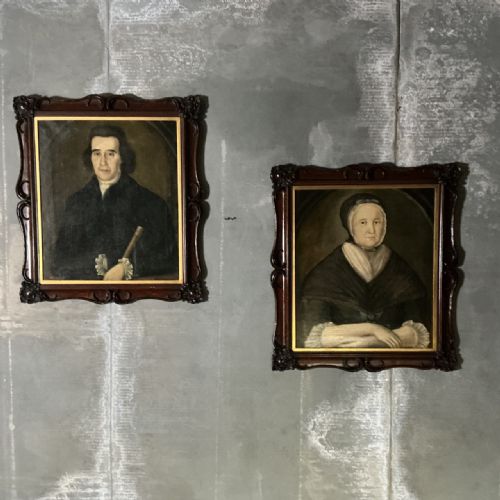
Buyers will encounter seventeenth and eighteenth-century examples most frequently on this page, often framed in giltwood or carved wood. Subjects range from aristocratic ladies in ruffs and pearls to military officers in red coats and merchants in blue or dark wool.
Works appear either by named artists, studio hands, or followers working within established traditions. The formats vary from intimate bust-length studies to large canvases depicting sitters beside curtains or within extensive landscapes.
Quality and Execution
Quality rests in the anatomical precision of the hands and face, the handling of light on drapery, and the psychological presence of the sitter. Superior works display confident brushwork in lace collars and fabrics, while lesser pieces rely on stiff or formulaic rendering by workshop assistants.
The preservation of the pigment layer and the originality of the canvas support influence the integrity of the piece. Retouching, relining, and the condition of the original giltwood frame contribute further to the standing of the work.
Historical Oil Portrait Canvas Retail Price Guide 2026
Typical asking prices for historical oil portrait canvas among the pieces listed under this phrase on Sellingantiques today, from the lower quarter to the upper quarter. They describe what is for sale here now, not the wider market.
Materials documented across the listings include oil on canvas, gold leaf, and carved giltwood frames.
Pieter Borsseler·René Cadeau·Constantyn Netscher·Michiel van Musscher·Sir Godfrey Kneller·Lavinia Fontana·Michael Dahl·Thomas Murray·David Scougall·Trajan Hughes·Sir Joshua Reynolds·George Willison·Anthony Van Dyck·Lemuel Francis Abbott·Stickland Lowry·Samuel De Wilde·Jean Baptiste Van Loo·Bartholomeus van der Helst
The Historical Oil Portrait Canvas Glossary
- Canvas
- A heavy woven fabric stretched across a wooden frame to serve as the ground for oil paintings.
- Giltwood
- Wood carved and coated with gold leaf or metallic powder, commonly used for period picture frames.
- Studio of
- A term indicating a work produced by assistants under the direct supervision of a master artist.
- School of
- A designation for anonymous artists working within a specific region and period, sharing a distinct stylistic approach.
- Relining
- A conservation technique where a new canvas is secured to the back of an original, fragile canvas for structural support.
Historical Oil Portrait Canvas: Frequently Asked Questions
What periods do these paintings cover?
The listings span from the sixteenth century through the nineteenth century, encompassing Renaissance, Baroque, Dutch Golden Age, and Regency eras.
Victorian and later nineteenth-century interpretations also appear alongside earlier works.
How do I identify the subject of a portrait?
Subjects are frequently identified through period inscriptions on the canvas, labels on the reverse, or historical records matching the sitter's costume and heraldry.
Military uniforms, clerical dress, and specific ruffs or lace collars help narrow down the date and social rank.
Are these works original or copies?
The selection includes original period paintings, works produced by an artist's studio, and later period copies after masters such as Anthony Van Dyck or Cornelis van der Voort.
Attributions in the titles indicate whether a piece is by the named hand or from their wider circle and manner.
How should I care for an oil portrait canvas?
Display the canvas away from direct sunlight, high humidity, and rapid temperature fluctuations to protect the oil paint and wooden stretcher.
Dust the surface gently with a soft, dry brush and avoid using liquid cleaners on the paint or giltwood frame.