

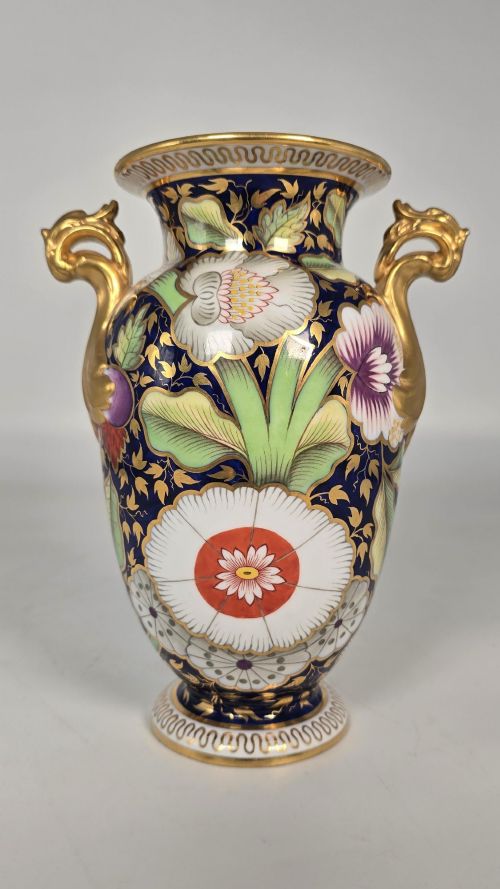
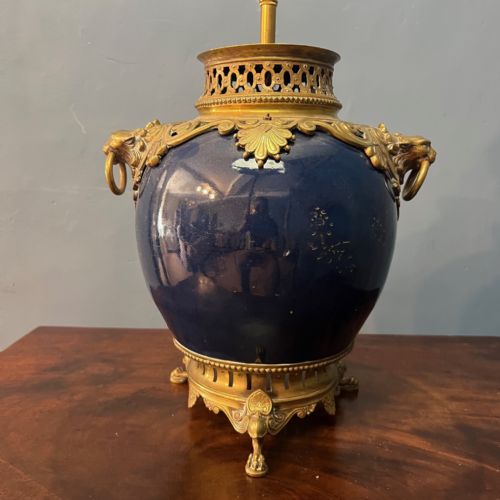
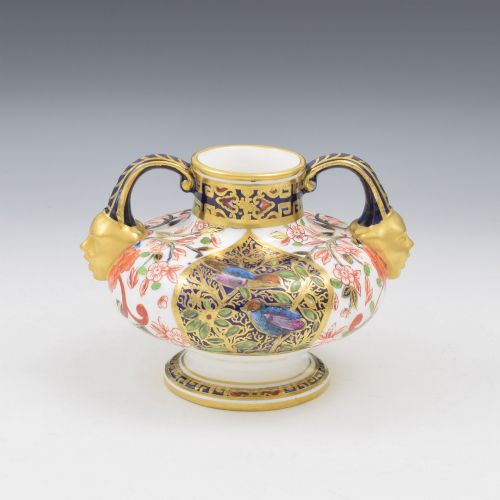
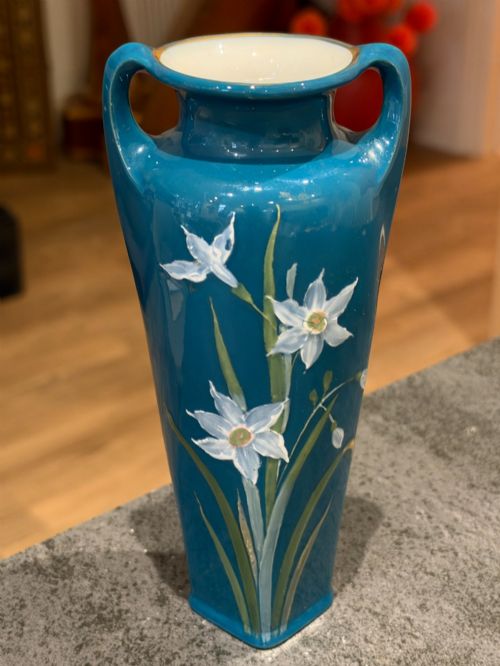
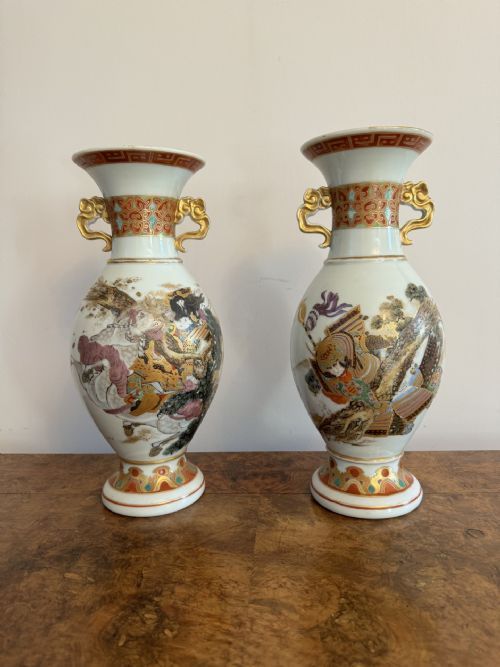

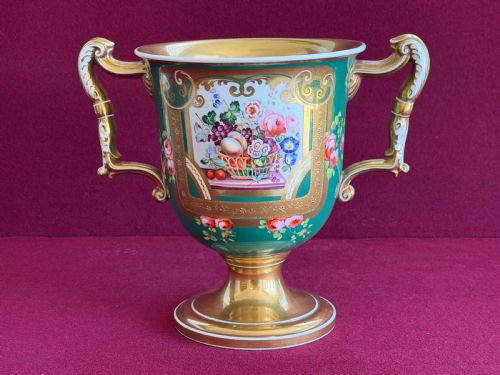

Porcelain Urn with Handles
A porcelain urn with handles brings classical dignity to a room, offering ornamental presence and hand-painted artistry.
Porcelain Urn with Handles
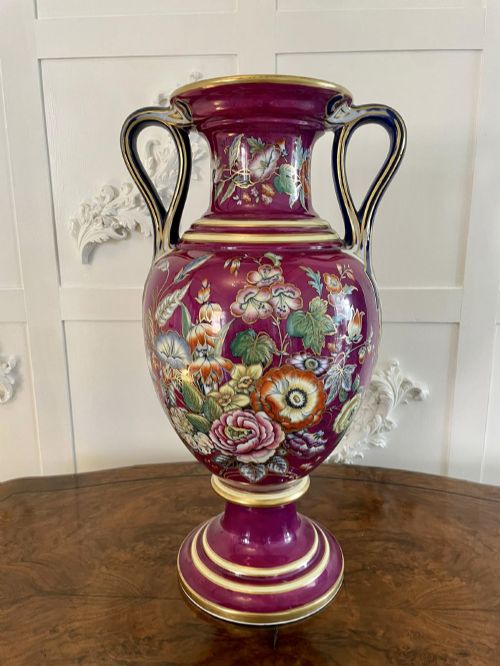
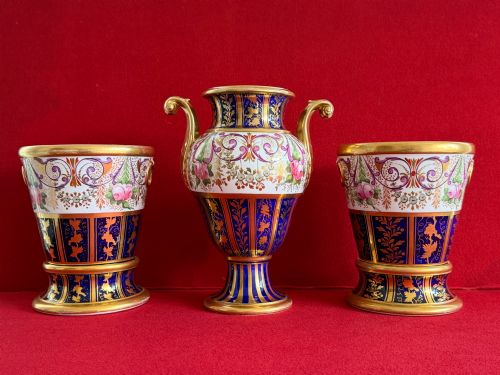
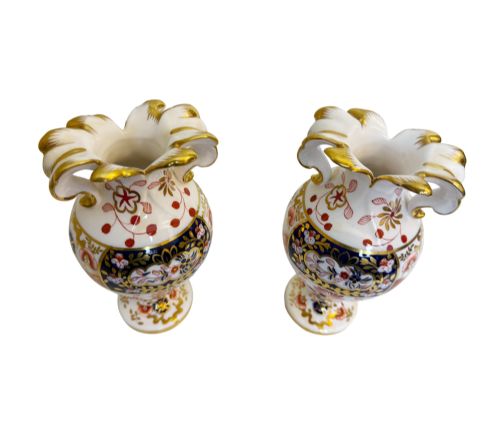
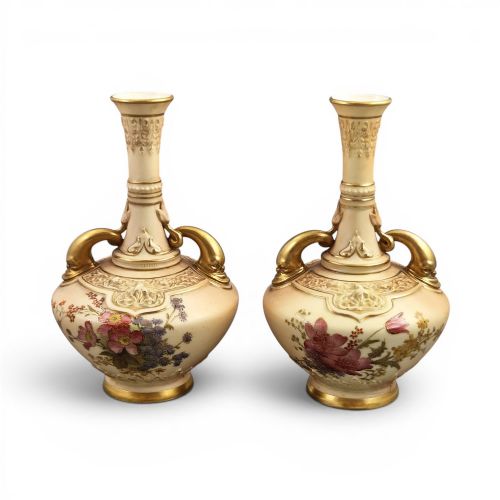
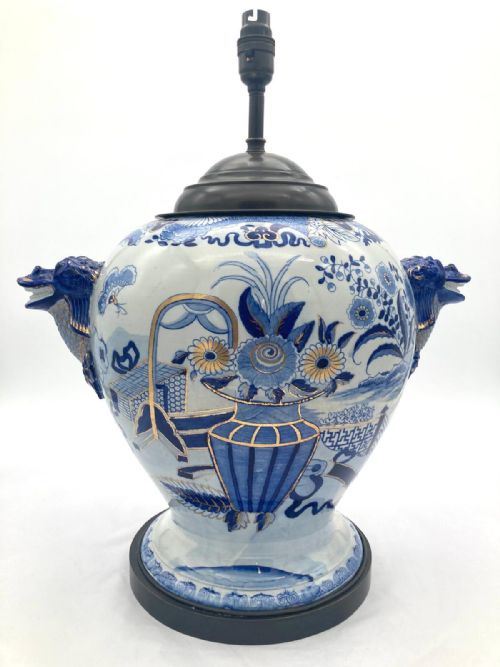
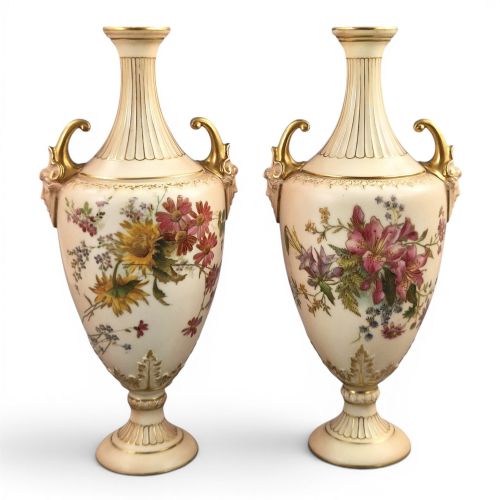
When someone seeks a porcelain urn with handles, they examine decorative vessels shaped for display, often featuring twin handles and painted detail. The most common pieces met here belong to the nineteenth century, including Victorian examples and English manufactory productions.
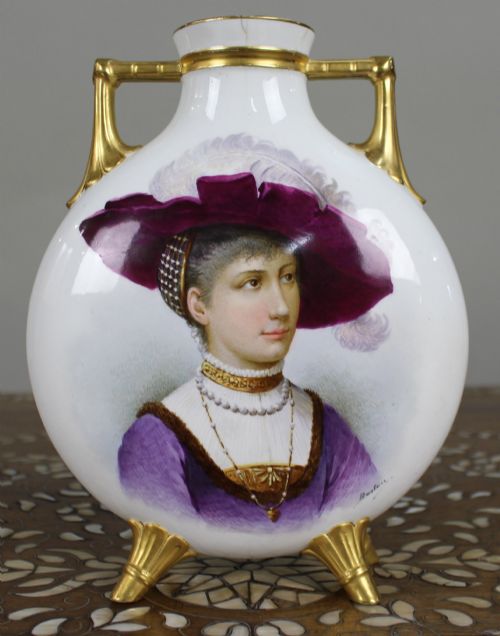
Makers from various traditions shaped these objects, spanning English houses like Worcester and Coalport alongside Japanese Satsuma and Kutani workshops. Forms range from covered vases and pedestal pieces to pilgrim flasks and sauce tureens.
The style varies from Regency classical restraint to French Rococo Revival and Japanese Meiji period aesthetics. Buyers encounter everything from blush ivory surfaces to intricate floral and figural painting.
How they were made
Potters shaped these vessels from porcelain, earthenware, and soft-paste porcelain before applying hand-painted decoration. Artisans often utilised raised white enamel, moriage technique, and intricate gilding with gold leaf and gold gilt.
Firing took place in kilns to set the body and glaze, followed by delicate enamel painting and subsequent low-temperature refiring. Mounts and decorative elements sometimes integrated wood components alongside ceramic bodies.
Porcelain Urn with Handles Retail Price Guide 2026
Typical asking prices for porcelain urn with handles among the pieces listed under this phrase on Sellingantiques today, from the lower quarter to the upper quarter. They describe what is for sale here now, not the wider market.
Materials recorded across the selection include soft-paste porcelain, earthenware, enamel, wood, and gold leaf.
What varies in quality
Quality rests upon the crispness of the porcelain form, the precision of the hand-painted decoration, and the finesse of the gilding. Named artists and recognised factory marks elevate a piece above standard decorative ware.
The sophistication of handle integration and the complexity of enamel work, such as raised white enamel or moriage, separate standard production from finer studio output. Preservation of the painted surface and original gilding dictates the standing of each vessel.
Chamberlain Worcester·Spode·Samson Paris·Coalport·Flight Barr And Barr·Hadley's Worcester·KPM·Royal Worcester·Derby·Royal Crown Derby
The Porcelain Urn with Handles Glossary
- Moriage
- A Japanese ceramic technique using slip trailed from a pastry-bag-like tube to create raised decorative patterns.
- Gilding
- The application of gold leaf, gold gilt, or powdered gold to the surface of the porcelain.
- Soft-paste porcelain
- A ceramic material composed of clay and glass frit, fired at lower temperatures than hard paste.
- Imari
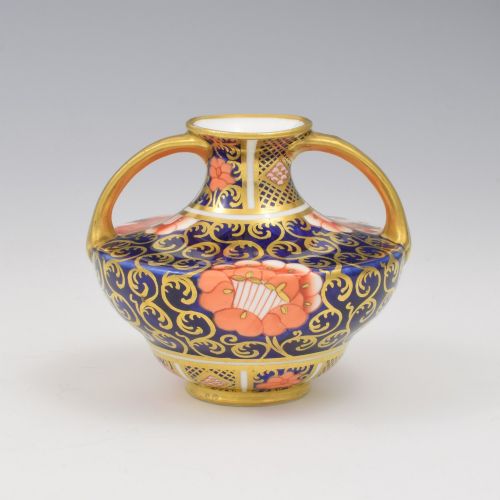
- A style of Japanese export porcelain decorated in underglaze blue and iron red, with added gold.
- Blush ivory
- A soft, creamy porcelain body finish popularised by late nineteenth-century English potteries.
Porcelain Urn with Handles: Frequently Asked Questions
How do I date an antique porcelain urn?
Dating relies on factory marks stamped or painted on the base, stylistic clues such as Regency classical lines or Victorian floral motifs, and manufacturing materials.
Comparison with documented pieces from makers like Worcester or Coalport helps narrow the production window.
Are these urns waterproof for fresh flowers?
Many nineteenth-century decorative urns were intended primarily for display rather than holding water and fresh stems.
Using them for interior arrangement is possible, but liners are advisable to protect historic interior glazes from moisture damage.
How should I clean my porcelain urn?
Dusting with a soft, dry brush is the safest method for preserving delicate enamel work and fragile gilt surfaces.
Harsh chemical cleaners and abrasive cloths must be avoided to prevent permanent damage to hand-painted details.