
Porcelain Tea Cups Saucers
Porcelain tea cups saucers bring the refined craftsmanship of eighteenth and nineteenth century breakfast tables directly to your hands.
Porcelain Tea Cups Saucers
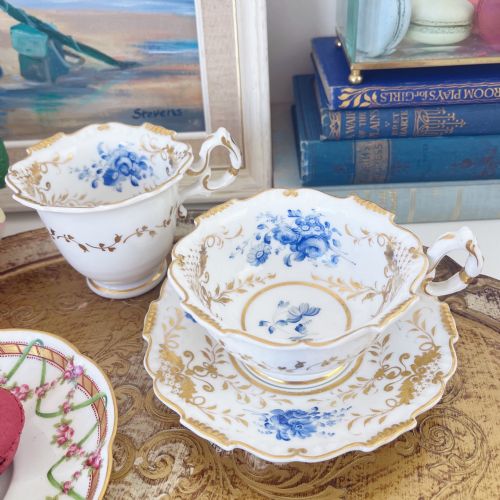
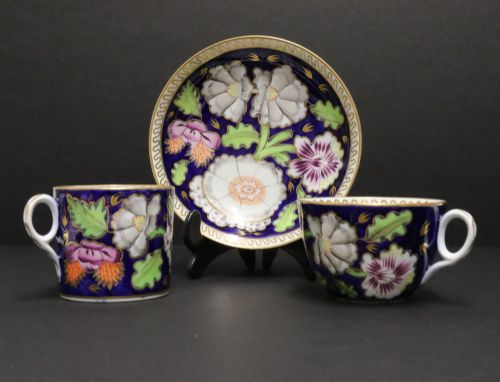
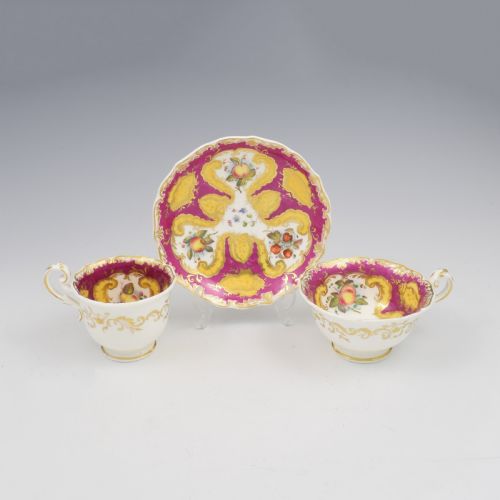
Porcelain tea cups saucers comprise delicate drinking vessels and matching plates created for hot beverages during the Georgian, Regency, and Victorian eras. These items range from simple handleless tea bowls paired with saucers to elaborate cabinet trios that include coffee cups.
You will frequently encounter English and Continental examples dating from the late eighteenth century through to the early twentieth century. Makers such as Worcester, Coalport, and various European factories dominate the selection.
The forms span individual duos and trios up to larger tea services intended for formal afternoon gatherings. Each piece demonstrates the shifting domestic habits and decorative tastes of past centuries.
Materials and Method
Potters utilised hard-paste porcelain, soft-paste porcelain, and bone china as the primary body materials for these wares. Each body required specific firing temperatures and chemical compositions to achieve translucency and strength.
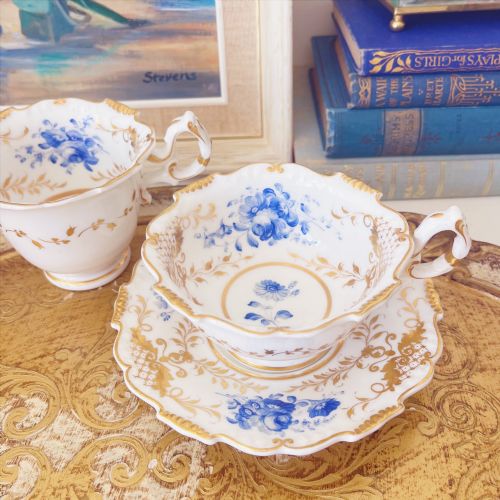
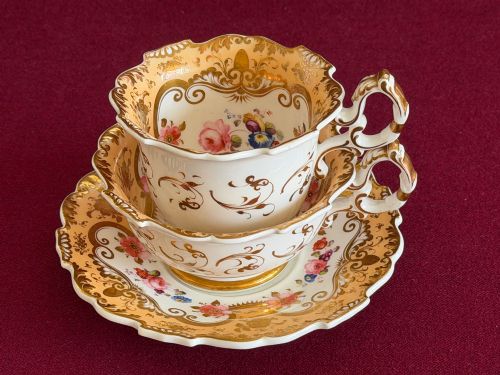
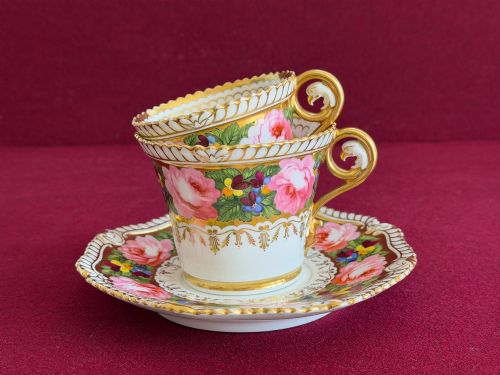
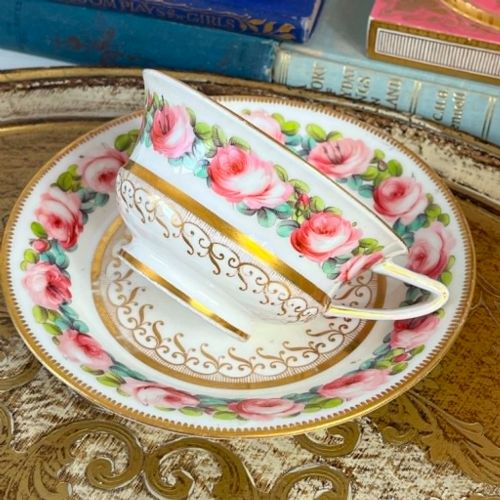
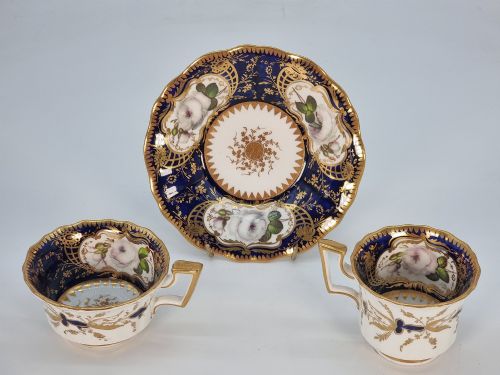
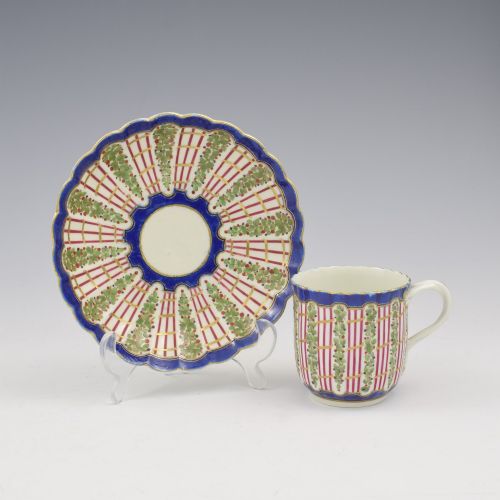
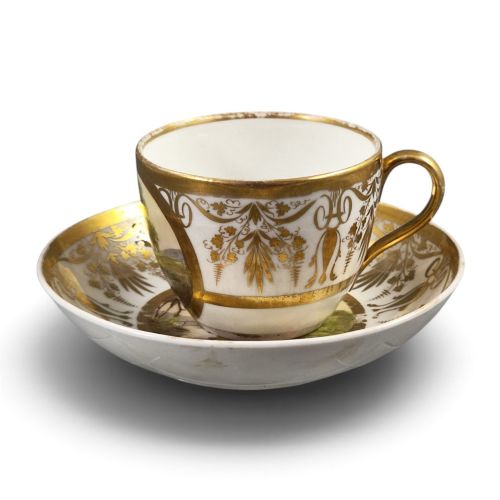
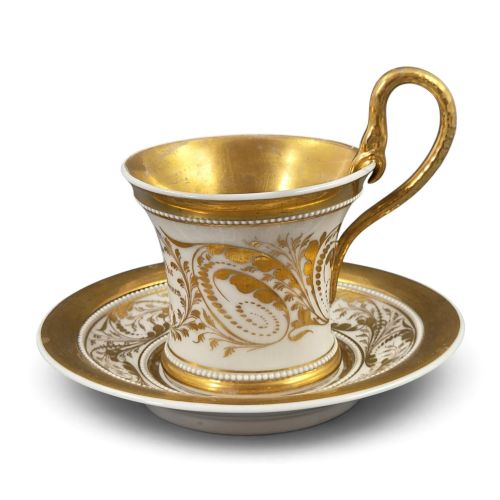
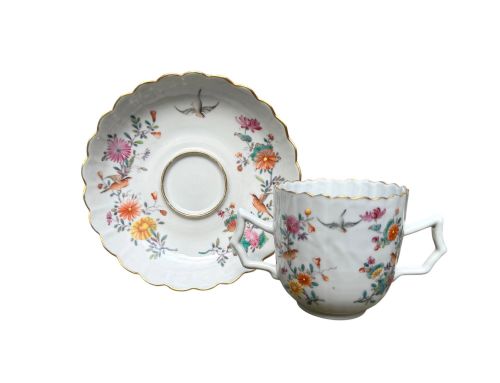
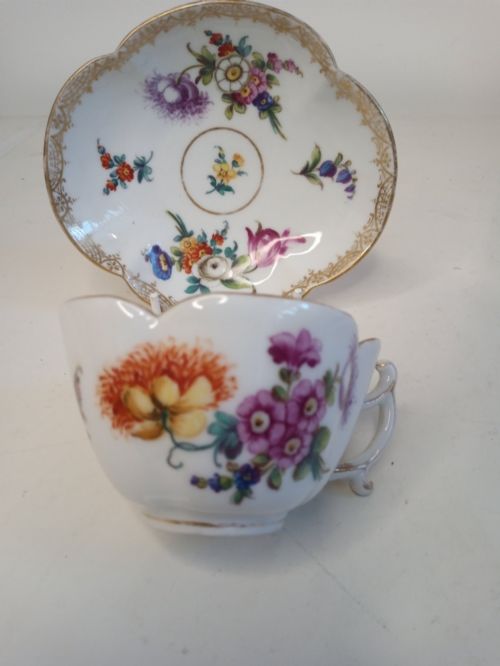
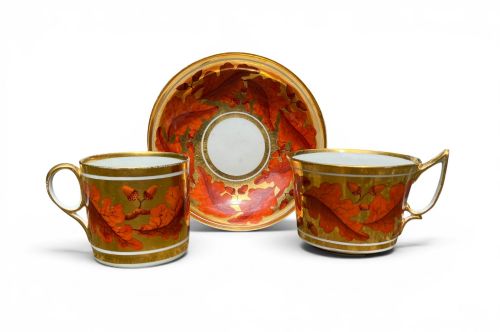
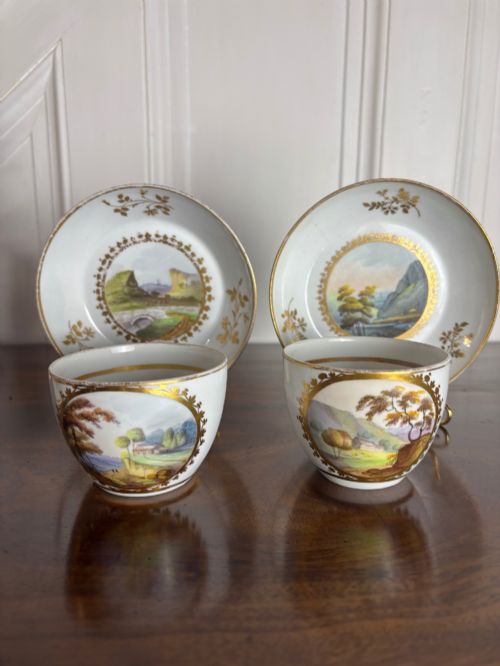
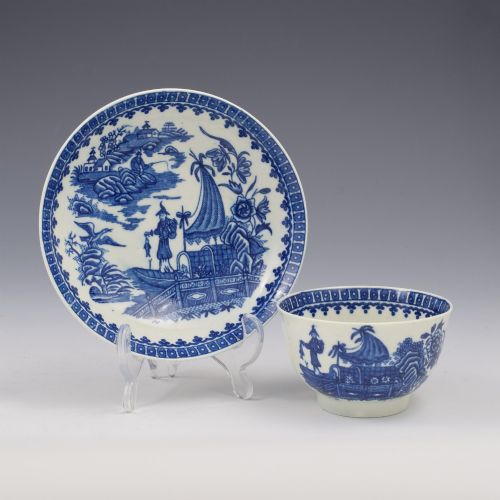
Decoration relied heavily on handpainted pigments, enamel work, and applied gold leaf or gilding. Artisans painted intricate landscapes, botanical studies, and oriental motifs directly onto the glazed ceramic surface before a final low-temperature kiln firing.
Listings feature porcelain tea cups saucers spanning the eighteenth, nineteenth, and early twentieth centuries, created in English, German, and Chinese workshops.
Standards of Execution
The fineness of the porcelain body and the precision of the throw determine the baseline quality of any cup and saucer. Thinner walls and greater translucency generally indicate higher manufacturing skill.
The complexity and execution of the handpainted details elevate certain examples above standard production pieces. Skilled brushwork in enamel and substantial application of gold leaf separate ordinary wares from superior cabinet items.
H and R Daniel·Chamberlain Worcester·Coalport·KPM Berlin·Flight Barr and Barr·Royal Worcester
The Porcelain Tea Cups Saucers Glossary
- Trio
- A matched set consisting of a teacup, coffee cup, and saucer. These three pieces allowed the owner to serve different hot drinks from a single decorative service.
- Tea Bowl
- A small handleless drinking vessel used before Western-style handled cups became standard. They derive their form directly from early Chinese prototypes.
- Soft-Paste Porcelain
- A ceramic composition made from white clay and ground glass fired at lower temperatures than hard-paste. This material produces a warm, creamy body common in eighteenth-century English factories.
- Enamel
- Opaque coloured glass fused to the porcelain surface during decoration. It provides the vibrant reds, blues, and greens seen on painted patterns.
- Gilding
- The application of gold leaf or gold paint to rims, handles, and borders. It highlights the decorative motifs and adds a reflective finish to the ceramic.
Porcelain Tea Cups Saucers: Frequently Asked Questions
Can I use antique cups for tea?
Using these delicate vessels for daily tea drinking is generally discouraged due to their age and historical value. Thermal shock from boiling water can crack nineteenth-century ceramic bodies.
Handwashing in lukewarm water with mild soap preserves the delicate enamel paints and gold leaf details. Storing them securely prevents accidental chips on the fragile rims.
What is a tea trio?
A tea trio consists of a teacup, a matching coffee cup, and a shared saucer. This configuration became popular in the early nineteenth century when households served both tea and coffee after meals.
Factories produced these sets in matching patterns so guests could enjoy different hot beverages while maintaining a cohesive table setting. Today, trios remain highly sought after by collectors for their completeness.
How do I date porcelain?
Dating porcelain involves examining factory marks, shape styles, and painting techniques applied to the base or body. Many eighteenth and nineteenth-century makers stamped or painted distinct ciphers onto the ceramic underside.
Stylistic shifts, such as the transition from Chinese-inspired export motifs to Regency neo-classical designs, also help narrow down the period. Comparing known patterns in factory archives provides further chronological accuracy.