


Porcelain Table Urn
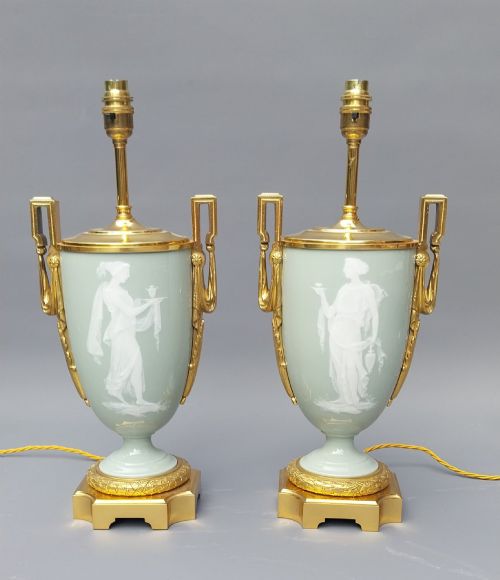
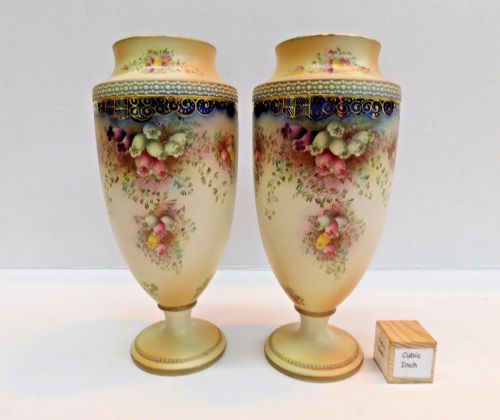
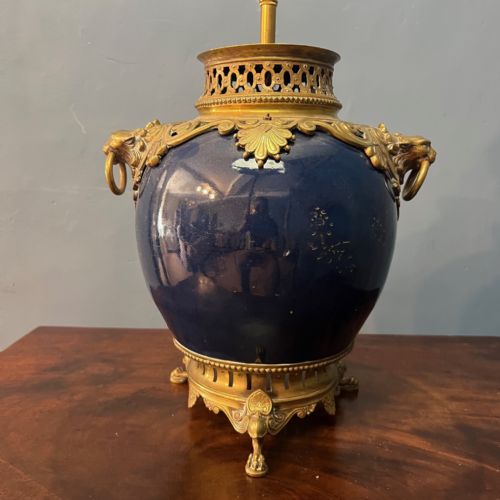
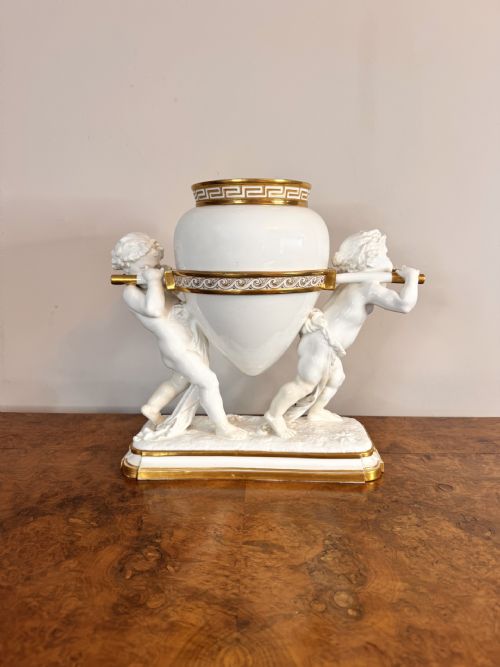
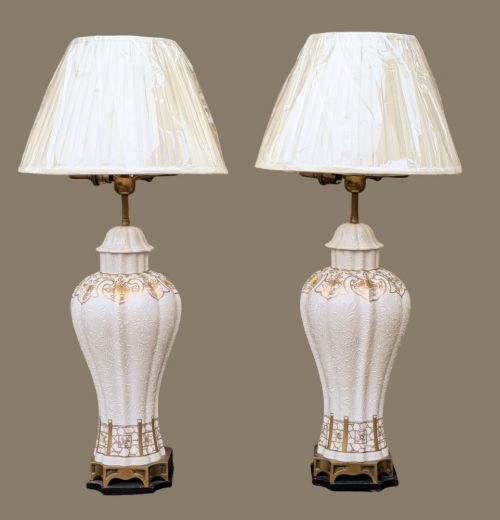
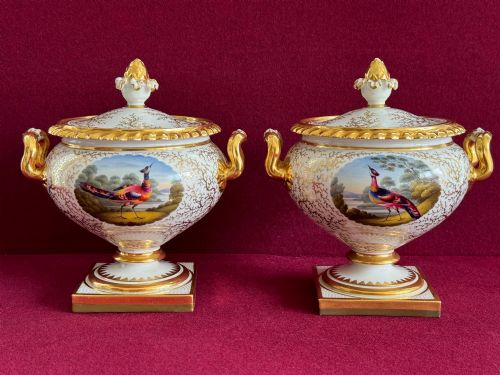
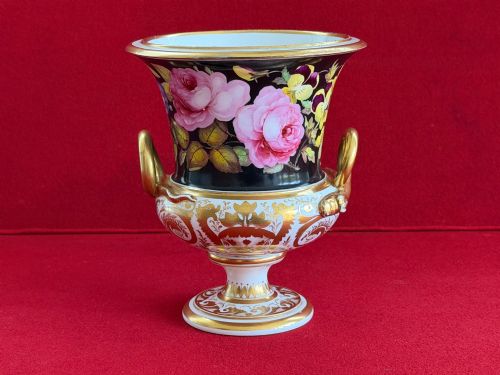
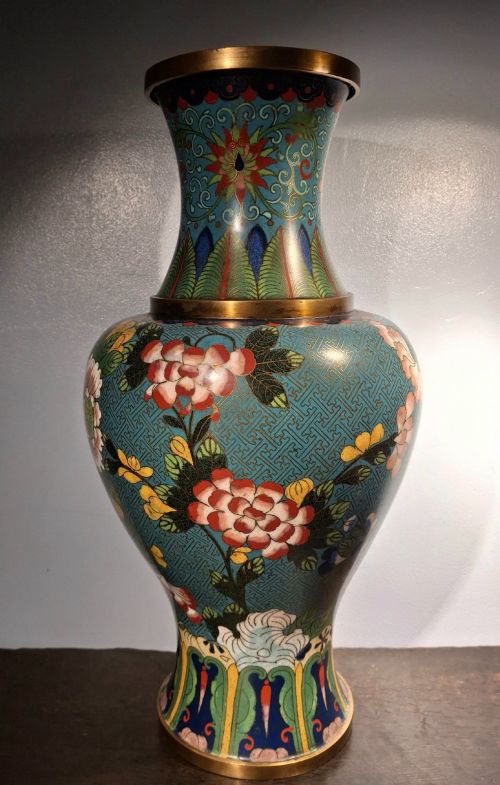
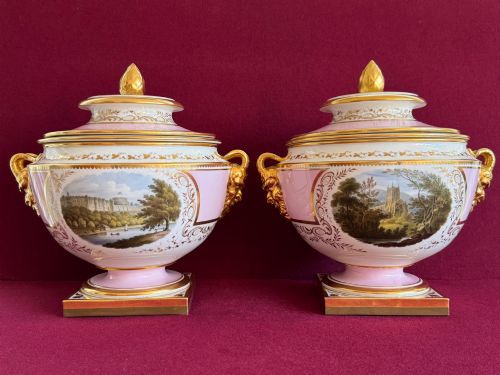
A porcelain table urn brings refined ceramic form and decorative metal mounts together as a striking focal point for a room.
Porcelain Table Urn
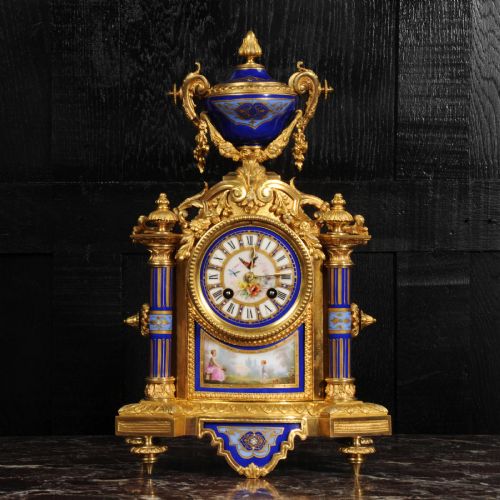
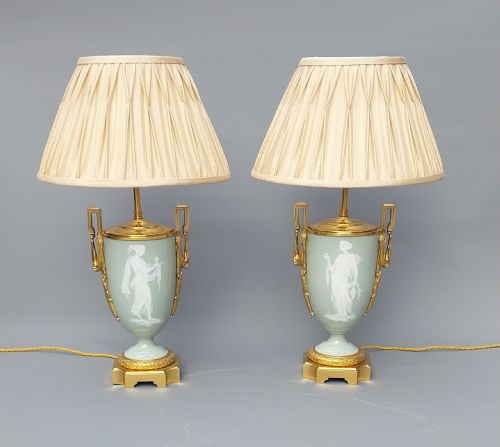
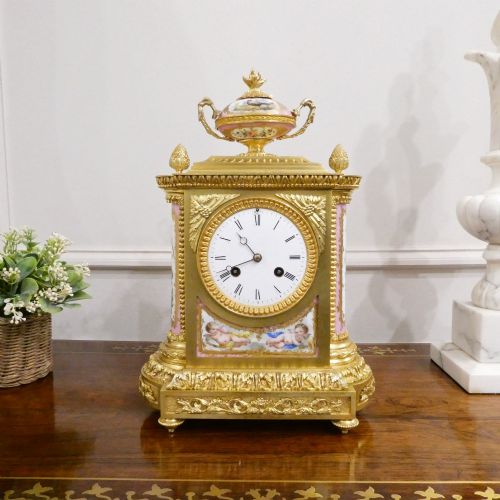
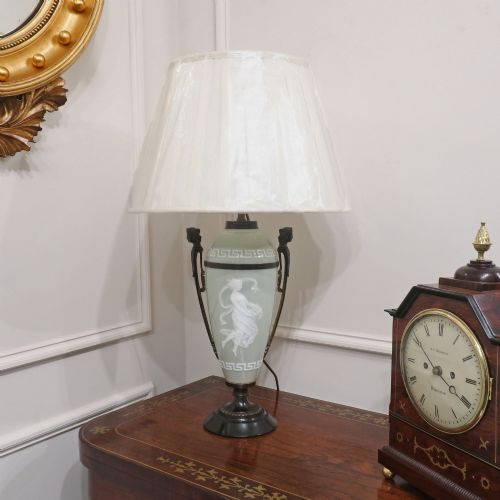
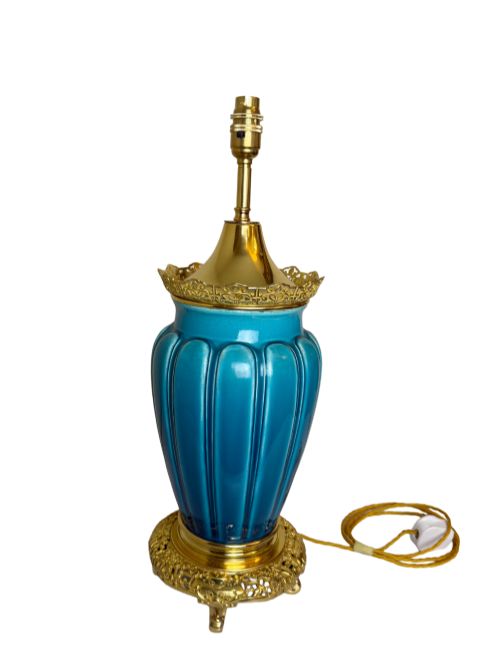
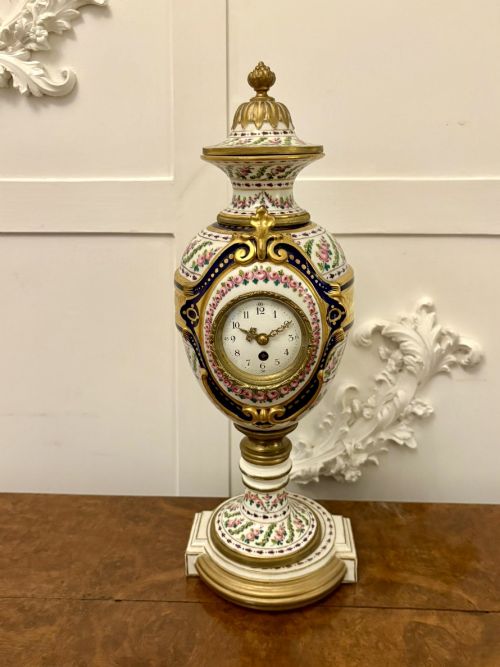
When you search for porcelain table urn, you encounter decorative vessels, mantel clocks, and vases transformed into table lamps from the nineteenth century onward. These objects combine fired ceramic bodies with metal mounts, often presented in pairs.
The selection includes English works from factories like Derby and Worcester alongside French gilt bronze mounted pieces and Japanese Satsuma imports. Many items originate from the Victorian and Edwardian periods, reflecting diverse aesthetic revivals.
Vessels span from hand-painted floral ornamentation to crackle-ware glazes and celadon finishes. Whether standing as independent decorative centerpieces or wired for domestic lighting, these forms display significant ornamental ambition.
How they were made
The construction relies on hard or soft paste ceramic bodies shaped by throwing, moulding, or casting, then glazed and fired at high temperatures. Artisans applied hand-painted pigments, enamel details, and pate-sur-pate relief work before secondary glazing.
Metal components utilise brass, gilt bronze, and ormolu, cast and chased to form decorative handles, bases, and mounts. Silk or fabric elements sometimes complete pieces that have been adapted into lighting.
Porcelain Table Urn Retail Price Guide 2026
Typical asking prices for porcelain table urn among the pieces listed under this phrase on Sellingantiques today, from the lower quarter to the upper quarter. They describe what is for sale here now, not the wider market.
Materials span porcelain, ormolu, gilt bronze, cloisonne enamel, and ironstone.
What varies in quality
Quality rests in the precision of the ceramic body's form and the artistry of the hand-painted decoration. Finer examples show meticulous brushwork, crisp enamel application, and well-defined contours without glazing flaws.
The standard of metalwork distinguishes superior pieces, visible in the sharpness of cast ormolu and gilt bronze mounts. Heavier, more substantial metal fittings that integrate harmoniously with the ceramic body indicate higher workshop standards.
Flight Barr And Barr·Japy Freres·Jean Baptiste Delettrez·Achille Brocot·Kinkozan
The Porcelain Table Urn Glossary
- Ormolu
- Gilt bronze mounts applied to furniture, clocks, and ceramics. This technique involves coating cast bronze with a fine layer of gold amalgam.
- Pate-sur-pate
- A ceramic decorating method where liquid clay is built up in successive layers on a contrasting body to create a low relief cameo effect.
- Garniture
- A set of ornamental vases or urns designed to be displayed together on a mantelpiece, sideboard, or table.
- Celadon
- A pale green or grey-green glaze derived from iron oxide fired in a reduction kiln, originating from East Asian traditions.
- Ironstone
- A type of heavy, durable ceramic patented in the nineteenth century that bridges the gap between earthenware and porcelain.
Porcelain Table Urn: Frequently Asked Questions
How do I identify a porcelain table urn?
Examine the ceramic body for potting marks, glaze characteristics, and hand-painted or transfer-printed decoration. Look at the mounting style and metalwork to determine the likely period of manufacture.
Check for maker signatures or pattern numbers on the underside, which often link the object to specific European factories or Asian kilns.
Were these urns originally made as lamps?
Many urns and vases were originally created as decorative vessels, garniture pieces, or ice pails before being converted into table lamps later in their lifespan.
Adaptation for lighting often occurred during the twentieth century, integrating electrical fittings while preserving the antique ceramic body.
How should I care for antique porcelain?
Dust the ceramic surface gently with a soft, dry cloth to prevent the accumulation of dirt within crevices or hand-painted details. Avoid harsh chemical cleaners or submersion in water, particularly on pieces with gilt bronze mounts.
Keep pieces away from direct sunlight and areas of high temperature fluctuation to protect painted enamels and delicate glazes.
What is the difference between Satsuma and French porcelain?
Satsuma wares originate from Japan, typically featuring an earthenware body with a distinctive crackle-glaze and intricate polychrome and gilt decoration depicting figures or nature. French porcelain items generally employ hard-paste ceramic bodies with Neoclassical or Rococo revival styling.
The French pieces frequently incorporate heavy ormolu mounts, whereas Japanese items emphasise elaborate surface painting and traditional motifs.