




Porcelain Portrait Figure
These porcelain portrait figures bring historical likenesses straight into the room, offering cabinet busts and Staffordshire figures of royalty and public figures.
Porcelain Portrait Figure
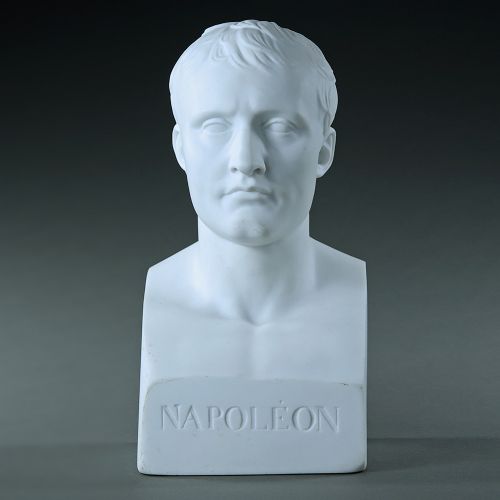
A porcelain portrait figure captures known historical personages, literary characters, and contemporary figures in three dimensions. Collectors encounter everything from large cabinet busts of Napoleon and Marie Antoinette to flatback Staffordshire pottery groups depicting Queen Victoria and Prince Albert.
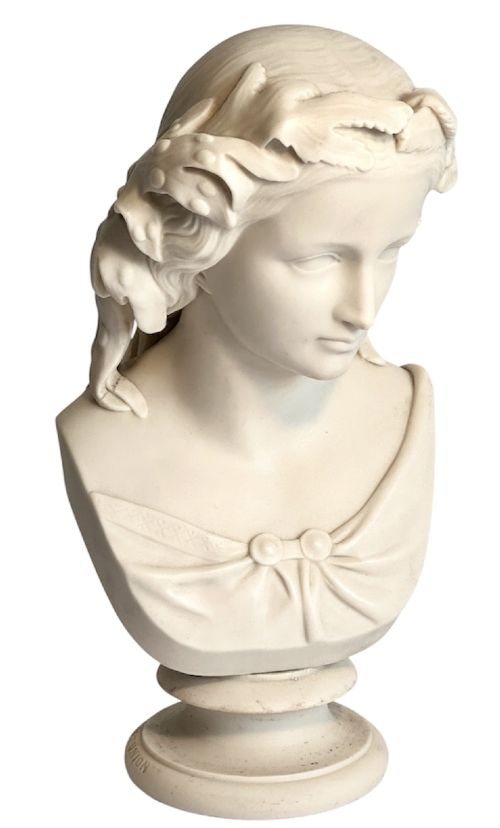
The selection ranges across the nineteenth century, taking in Neoclassical, Victorian, and Art Nouveau aesthetics. Pieces appear as single portrait busts, paired figures, and group settings featuring rulers and dignitaries.
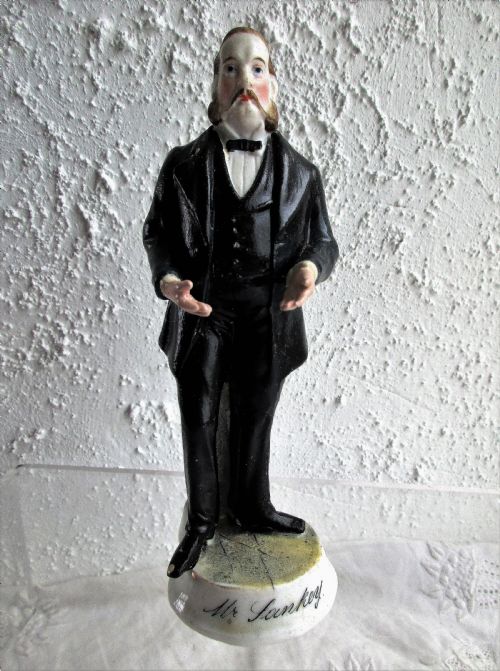
Makers utilised various ceramic bodies, rendering subjects in white biscuit porcelain, painted earthenware, and glazed finishes with gilt detailing. Buyers find both monumental factory-produced busts and humble domestic pottery figures.
Materials and production methods
Factories formed these sculptures using ceramic bodies such as standard porcelain, earthenware, and specialised unglazed parian ware. Potters poured liquid slip into multi-part moulds, allowing the clay to set before assembling and firing the pieces in kilns.
Decorators applied coloured enamels and metallic gilt highlights by hand over the glaze, while parian pieces relied purely on the matte texture of the fired body to define form. Figures often received moulded inscriptions or titles on their bases to identify the sitter.
Porcelain Portrait Figure Retail Price Guide 2026
Typical asking prices for porcelain portrait figure among the pieces listed under this phrase on Sellingantiques today, from the lower quarter to the upper quarter. They describe what is for sale here now, not the wider market.
Listings feature nineteenth century pieces spanning Neoclassical, Victorian, and Art Nouveau styles in porcelain, parian ware, and earthenware.
Evaluating craftsmanship and detail
The precision of the enamel painting and the crispness of any gilt application differentiate factory output. Finer pieces show careful hand-finishing after moulding, removing seam lines and refining the contours of hair and drapery.
Ernst Wahliss·Copeland·Sèvres
The Porcelain Portrait Figure Glossary
- Parian porcelain
- A fine-grained, unglazed porcelain developed to imitate marble, frequently utilised for nineteenth-century portrait busts. It fires to a smooth, matte white finish.
- Flatback
- A style of ceramic figure moulded with a finished front and a flat, unpainted reverse intended to sit flush against a wall or mantelpiece. This method saved material and production time.
- Enamel
- Opaque coloured glass fused to the ceramic surface during a secondary low-temperature kiln firing. It provides the vibrant skin tones and costume colours on earthenware figures.
- Biscuit
- Fired unglazed porcelain or ceramic ware. Portrait busts often utilise this matte state to highlight sculptural contours without interfering glaze reflections.
- Gilt
- A thin layer of gold applied to ceramic details as a surface decoration. It accents borders, jewellery, and lettering on the bases of portrait pieces.
Porcelain Portrait Figure: Frequently Asked Questions
What periods do porcelain portrait figures span?
These pieces predominantly date from the nineteenth century, capturing nineteenth-century tastes across the Victorian, Neoclassical, and Art Nouveau styles.
Makers produced them from around eighteen fifty through to the late eighteen nineties, reflecting changing aesthetic movements in ceramics.
How were portrait figures displayed?
Cabinet busts and decorative figurines sat on mantelpieces, sideboards, and dedicated display tables in Victorian homes. Flatback pieces were specifically designed to stand safely against walls on narrow shelves.
Group figures commemorated royal weddings and political alliances, serving as patriotic ornaments for domestic interiors.
How do I identify the subject of a figure?
Many pieces feature moulded names, titles, or royal ciphers directly on the front or reverse of the ceramic base. Figures also rely on characteristic historical attributes, uniforms, and contemporary hairstyles to identify sitters like Queen Victoria or Napoleon.
Inscribed titles assist collectors in separating royal portrait groups from generic theatrical or literary subjects.