












Porcelain Platter Wall Display
Porcelain platter wall display pieces bring vibrant colour and intricate patterns from the nineteenth and early twentieth centuries directly onto domestic walls.
Porcelain Platter Wall Display
When you search for porcelain platter wall display, you are looking at large decorative plates and chargers designed to be hung or mounted for interior decoration. The pieces you meet most often on this page hail from the nineteenth century, including Victorian and Edwardian examples, alongside earlier periods.
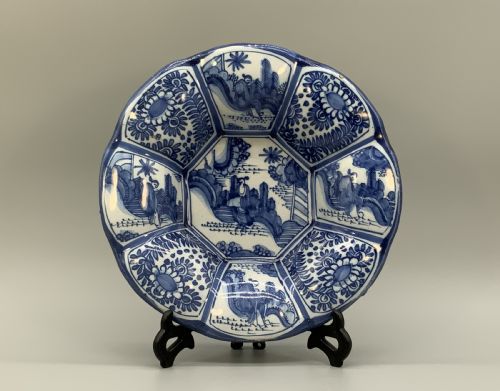
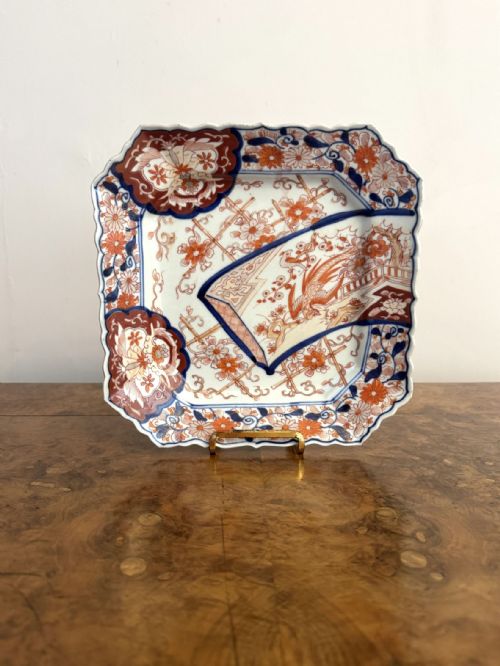
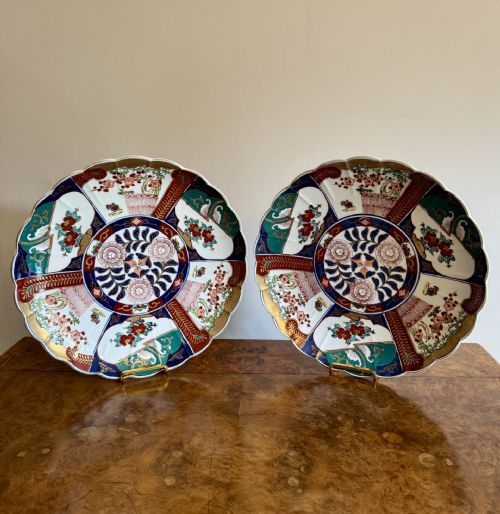
The forms span circular chargers, square plates, fan-shaped pieces, and lobed dishes. Japanese Imari dominates the selection, sitting alongside Chinese export porcelain, English cabinet plates, and Dutch Delft designs.
Origins stretch across Japan, China, France, and England, giving you a diverse geographical spread of ceramic traditions adapted for display.
How they were made
Potters shaped ceramic bodies from porcelain and ironstone, applying cobalt underglaze, enamel pigments, and cobalt paint by hand. Many examples incorporate gilding and gold leaf to accent intricate motifs.
Specialised techniques such as cloisonne tree bark textures appear on Totai Shippo chargers, combining metalwork detailing with ceramic bases. Firing in kilns fixed the deep blues, vibrant reds, and polychrome glazes to the hard-paste surfaces.
Porcelain Platter Wall Display Retail Price Guide 2026
Typical asking prices for porcelain platter wall display among the pieces listed under this phrase on Sellingantiques today, from the lower quarter to the upper quarter. They describe what is for sale here now, not the wider market.
Listings feature porcelain, ceramic, and ironstone materials decorated with enamel, gold leaf, and cobalt underglaze pigments.
What varies in quality
The skill of the hand painting sets the standard, separating mass-produced items from pieces with precise brushwork depicting figures, koi carp, or landscapes. The crispness of the cobalt underglaze and the richness of the enamel application determine visual depth.
Form complexity also alters the tier of a piece, moving from standard round chargers to unusual square, scalloped, or fan-shaped plates that demand greater technical mastery from the potter.
Pucher Deroche Paris·Coalport·Copeland·Mason
The Porcelain Platter Wall Display Glossary
- Imari
- A style of Japanese porcelain featuring a distinct palette of underglaze blue, iron red, and gilt highlights. Pieces show dense floral, landscape, or figurative patterns.
- Charger
- A large decorative plate traditionally used for service or display. These broad vessels provide a wide canvas for intricate hand-painted designs.
- Cabinet Plate
- A fine ceramic plate intended for display in a cabinet or on a wall rather than dining use. These items often feature detailed pictorial scenes.
- Cobalt Underglaze
- A blue pigment applied to the ceramic body before glazing and firing. This technique produces deep, permanent blue tones beneath a glossy surface.
- Totai Shippo
- Japanese porcelain decorated with cloisonne enamel techniques over the ceramic body. This creates a textured surface resembling tree bark or metal wirework.
Porcelain Platter Wall Display: Frequently Asked Questions
How do I hang a heavy charger?
Heavy ceramic chargers require specialised wall mounting hardware that distributes weight securely across the back rim. Spring-loaded brass wire hangers designed for large plates offer reliable support.
Ensure the mounting hook is fixed directly into wall studs or uses appropriate wall anchors to hold the combined weight safely.
How do I date an Imari charger?
Dating an Imari charger involves examining the clay body, the vibrancy of the iron red and cobalt pigments, and the style of the hand-painted motifs. Nineteenth-century examples often display specific Meiji period characteristics in their border patterns.
Signatures or potter marks on the reverse can provide further clues regarding the era of production.
Were these plates used for dining?
Larger chargers and cabinet plates served primarily as decorative objects or centrepieces rather than tableware. Their elaborate hand-painted surfaces and gilt detailing made them suitable for visual display.
Plates featuring delicate enamel work were kept on cabinets or walls to protect the pigments from wear.
How do I clean antique porcelain?
Dust antique porcelain gently using a soft, dry brush or a lint-free cloth to remove surface particles. Avoid submerging pieces with old repairs or exposed gilt in water.
If washing is necessary, use lukewarm water and mild soap, then dry immediately with a soft towel.