





Porcelain Plaque Art
Porcelain plaque art brings together delicate fired ceramics and intricate hand painting, offering a lasting focal point for any wall.
Porcelain Plaque Art
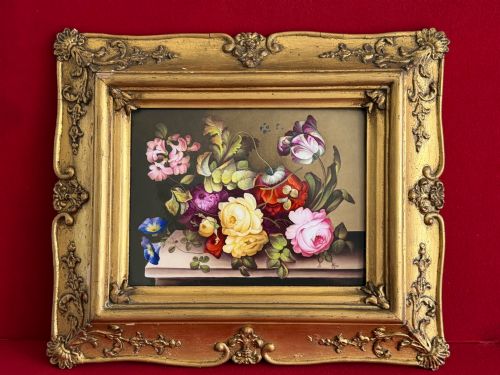
Porcelain plaque art encompasses hand-painted ceramics, framed panels, and decorative wall tiles originating from the nineteenth and early twentieth centuries. These pieces translate classical portraiture, floral still lifes, and narrative scenes onto a smooth ceramic surface meant for permanent display.
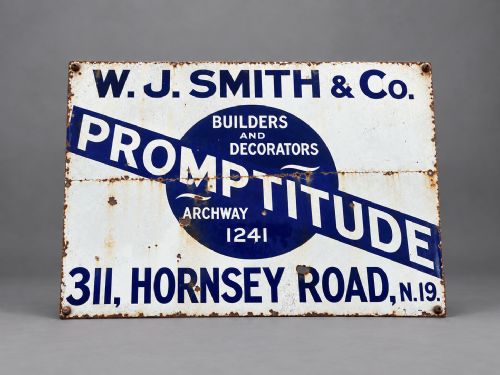
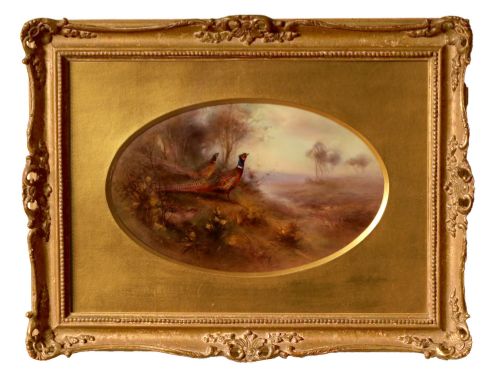
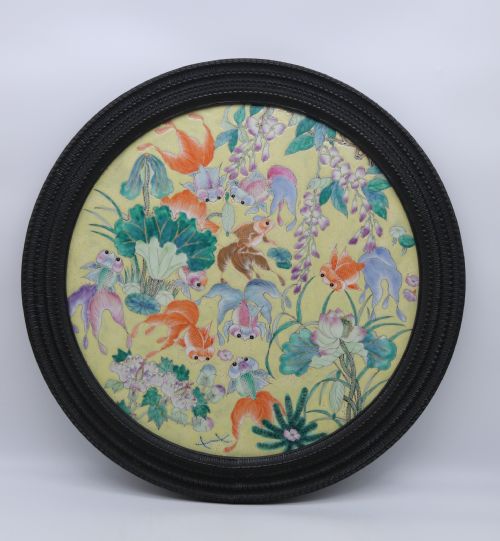
The selection on this page relies heavily on nineteenth-century European production, including works from German factories like KPM alongside English makers. Collectors also encounter early twentieth-century Chinese panels and decorative advertising signs executed in enamel.
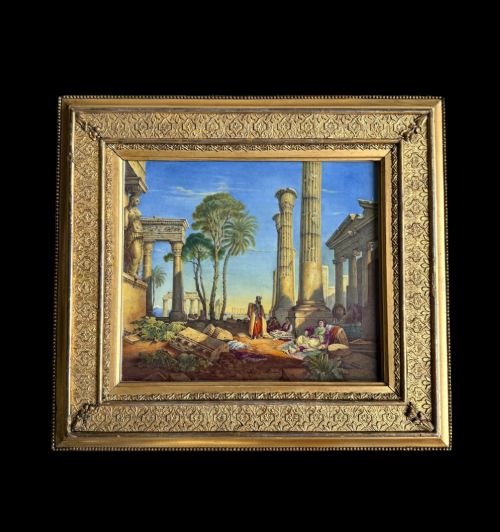
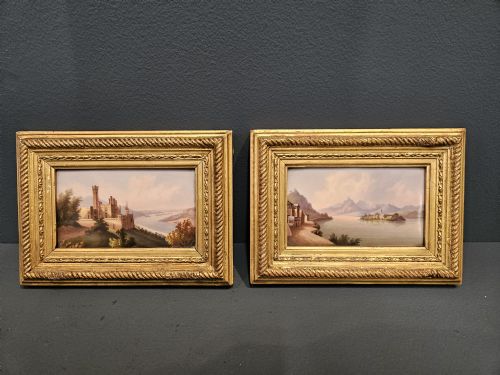
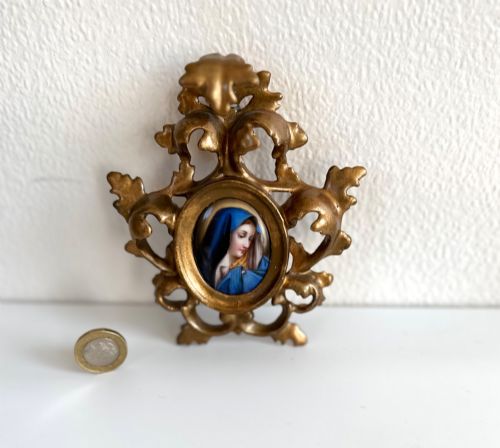
Wall plaques and framed miniatures represent the core of these listings, often housed in giltwood or carved frames that complement the fired artwork within. Buyers frequently select these items to introduce refined colour and historic narrative to domestic interiors.
Materials and Technique
Makers produced these works using fine ceramic bodies and porcelain, applying detailed overglaze enamels and hand-painted pigments that were subsequently fired to fix the colours. Gold leaf and gilt accents frequently highlight the edges, framing the central imagery with metallic brilliance.
Many compositions rely on specialised techniques such as pate sur pate, building up delicate white reliefs on coloured porcelain slips. Master painters signed their miniature portraits and narrative scenes directly onto the ceramic surface before sealing the work through heat.
Support structures typically involve carved wood, giltwood frames, or silver mounts that secure the fragile ceramic panels. These protective enclosures range from simple domestic frames to elaborate Victorian housings designed to elevate the status of the plaque.
Porcelain Plaque Art Retail Price Guide 2026
Typical asking prices for porcelain plaque art among the pieces listed under this phrase on Sellingantiques today, from the lower quarter to the upper quarter. They describe what is for sale here now, not the wider market.
Listings feature nineteenth-century European porcelain plaques alongside early twentieth-century Chinese panels and Victorian enamel signs.
Assessing Quality and Execution
The refinement of the brushwork and the precision of the hand-painted detail distinguish superior examples from standard commercial production. Master artists working for established factories achieved subtle facial expressions and complex tonal gradations that lesser workshops failed to replicate.
The ambition of the subject matter, such as multi-figure mythological scenes after Renaissance masters versus simple repeating floral motifs, dictates the artistic standing of the piece. Firings that maintain clean, vibrant colours without surface blistering or discoloration denote superior kiln control.
The quality of the surrounding frame or mount significantly influences the overall character of the piece, with period-appropriate carved wood and original gilt framing indicating higher original investment and better preservation.
James Stinton·KPM·Royal Worcester·William Rayworth·Gio Ponti for Richard Ginori
The Porcelain Plaque Art Glossary
- Pate sur pate
- A French term meaning paste on paste, describing a ceramic decoration technique where successive layers of white slip build up low-relief designs against a contrasting coloured background. This method creates a cameo-like effect with translucent depth.
- Enamel
- A durable vitreous substance fused to a metal or ceramic base through high-temperature firing. It provides a glossy, smooth surface resistant to fading.
- Charger
- A large ornamental plate intended for display on a wall or sideboard rather than practical dining use. These items often feature elaborate painted scenes across a broad central field.
- Giltwood
- Wood that has been coated with a thin layer of gold leaf or gold paint. It frequently frames nineteenth-century wall art to add reflective warmth.
- Miniature portrait
- A small, highly detailed painting executed on ivory, vellum, or porcelain. These intimate works capture individual likenesses with microscopic precision.
Porcelain Plaque Art: Frequently Asked Questions
How do I hang a heavy porcelain plaque?
Secure hanging requires assessing the weight of the ceramic panel and its wooden frame to choose appropriate wall anchors and picture wire. Ensure the mounting hardware engages wall studs or utilises heavy-duty fixings rated for the combined weight.
Position the piece at eye level away from direct sunlight and moisture fluctuations to protect both the ceramic surface and the surrounding gilt frame.
Are these plaques meant for walls?
Most pieces recorded here function specifically as wall art, featuring integrated hanging loops, custom frames, or mountings designed for vertical display. Nineteenth-century examples were created to adorn domestic interiors much like oil paintings.
Smaller items like brooches or pendants serve as wearable art, while chargers and large tiles occupy prominent spaces on walls or specialised display stands.
How do I clean antique porcelain art?
Dust the surface gently using a soft, dry artist brush or a clean microfiber cloth to remove particulate matter without disturbing the painted glaze. Avoid liquid cleaners, chemical solvents, or abrasive cloths that might damage delicate overglaze enamels or gilding.
Consult a professional conservator if the ceramic bears stubborn residue or if the mounting frame requires structural maintenance.
What subjects appear on these plaques?
Common themes include classical mythological narratives, religious iconography such as madonnas, and detailed floral still lifes executed by factory artists. Portraiture after Renaissance masters and regional British landscapes also feature prominently.
Twentieth-century examples expand into abstract tile designs, aquatic scenes, and industrial advertising signage.