




Porcelain Group Figurine
Porcelain group figurine pieces bring multi-figure narrative scenes to life, capturing mythological, pastoral, or domestic moments in glazed and biscuit ceramic.
Porcelain Group Figurine
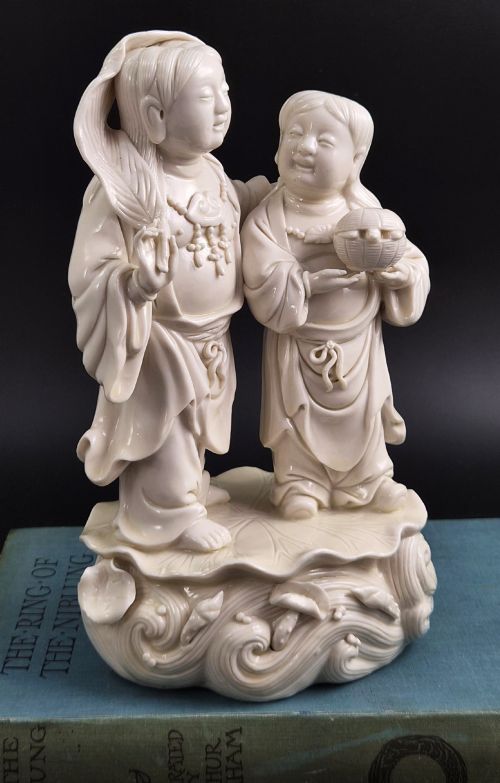
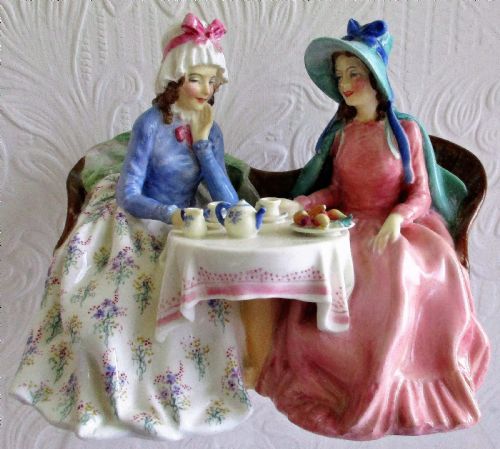
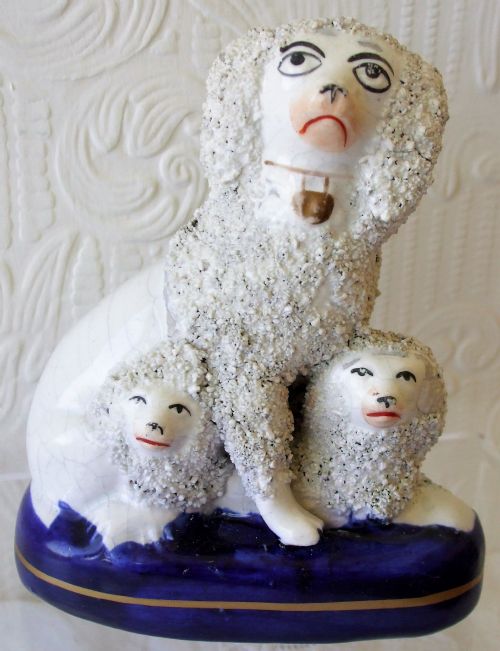
A porcelain group figurine depicts two or more interacting figures, animals, or symbolic elements arranged on a shared ceramic base. These sculptural works range from intimate 18th-century classical and romantic table decorations to larger 19th-century Staffordshire and continental salon groups.
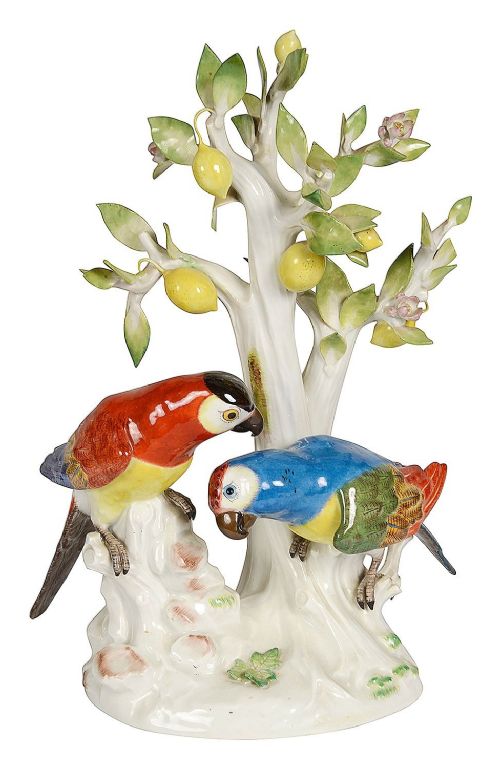
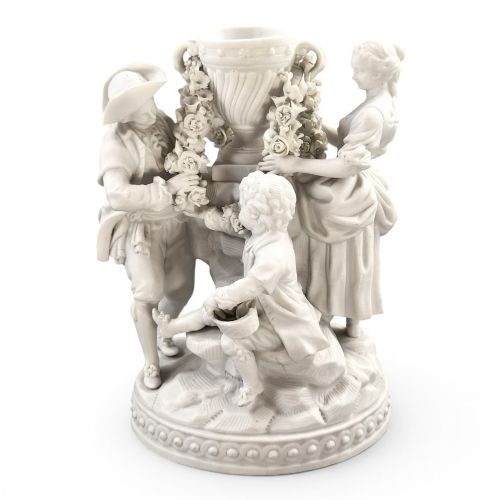
The most common examples on this page hail from European factories such as Meissen, Derby, and various French and German workshops. They depict subjects from pastoral lovers and musicians to literary and allegorical themes rendered in rich enamel colours and gold leaf.
How they were made
Makers utilised hard-paste and soft-paste porcelain, alongside unglazed biscuit porcelain and earthenware, shaping the clay through press-moulding or slip-casting. Complex compositions required multiple individual parts - such as limbs, floral garlands, and instruments - to be hand-modelled and luted together before firing.
Surface decoration involved hand-applied enamel colours, delicate gilding with gold leaf, and glossy or matte glaze layers. Some continental pieces incorporated real fabric dipped in liquid porcelain slip, known as lace porcelain, which fired to delicate ceramic threads.
Figural forms range from allegorical representations of the seasons to musicians, courting couples, and domestic animals.
What varies in quality
The crispness of the modelling defines the top tier of production, where facial expressions, hands, and drapery folds remain sharp and expressive. Substandard examples suffer from softened details and sluggish moulding that obscure the underlying narrative.
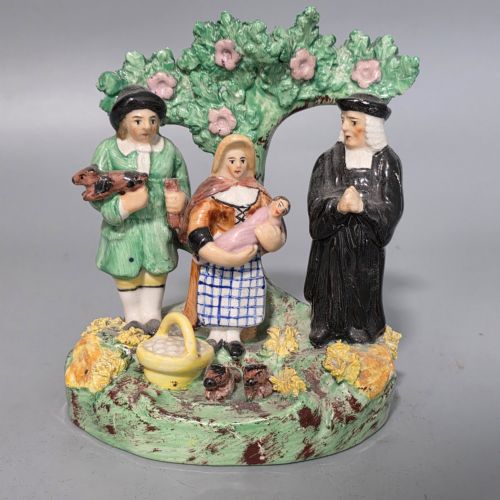
Hand-painting precision dictates the finish, separating lively, detailed polychrome enamel work from flat, rushed washes. Additionally, the complexity of the composition and the integrity of delicate protruding elements like bocage foliage or musical instruments mark superior craftsmanship.
Meissen·Minton·Vieux Paris·Derby·Royal Doulton·Bourdois and Bloch·Samson Paris·Carl Thieme·Luca Madrassi·Ernst Wallace·Ernst Bohne Sohne·Volkstedt·Wedgwood and Co
The Porcelain Group Figurine Glossary
- Biscuit porcelain
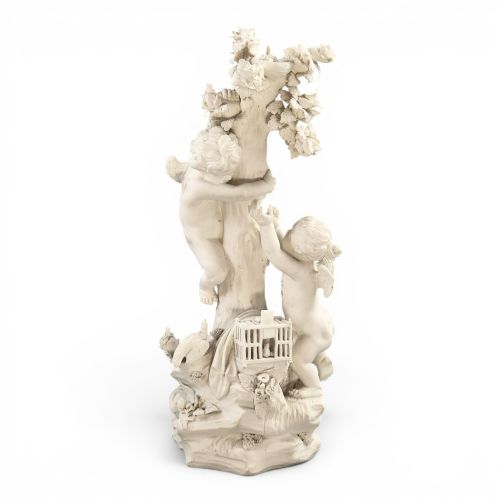
- Unfired-looking, unglazed porcelain with a matte, marble-like texture that highlights sculptural form.
- Bocage
- An intricate background of applied ceramic leaves and branches often found framing 18th-century figures.
- Hard-paste porcelain
- A true porcelain fired at very high temperatures using kaolin and petuntse, yielding a dense, vitreous body.
- Staffordshire flatback
- A type of pottery figure designed to be viewed from the front, with an unpainted or partially glazed flat back.
- Enamel
- Vitreous coloured pigments painted onto the glazed porcelain surface and fixed in a muffle kiln.
Porcelain Group Figurine: Frequently Asked Questions
How were these figures used?
These pieces served primarily as decorative centerpieces for dining tables, mantelpieces, and cabinet displays during formal dinners and drawing-room gatherings.
Owners displayed them to signal cultural literacy, wealth, and refined taste through classical, theatrical, or pastoral narratives.
How do I clean porcelain figures?
Dust the surface gently with a soft, dry artist's brush to remove particulate matter without abrading delicate enamel or gilding.
Avoid submerging pieces in water, particularly older items with applied lace or delicate floral elements that can easily dissolve or snap.
How can I tell the period?
Examine the base paste, glaze texture, and factory marks, comparing the sculptural style against known historical movements like Rococo or Neoclassical.
Early pieces often feature hand-painted underglaze blue marks and softer, warmer paste characteristics, whereas later Victorian works show heavier moulding.
What is biscuit porcelain?
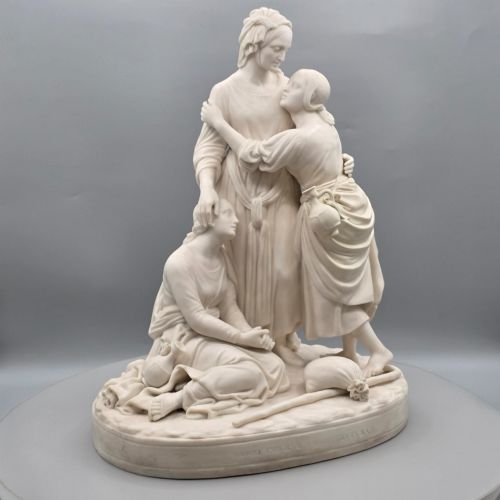
Biscuit porcelain is fired ceramic left entirely unglazed, giving it a tactile, chalky white finish reminiscent of carved marble.
Factories favoured this finish for classical and allegorical subjects to emphasise fine anatomical details and sculptural depth.