


19th Century Dresden Figures
These 19th century dresden figures bring intricate pastoral charm and elaborate Victorian room presence to any mantelpiece.
19th Century Dresden Figures
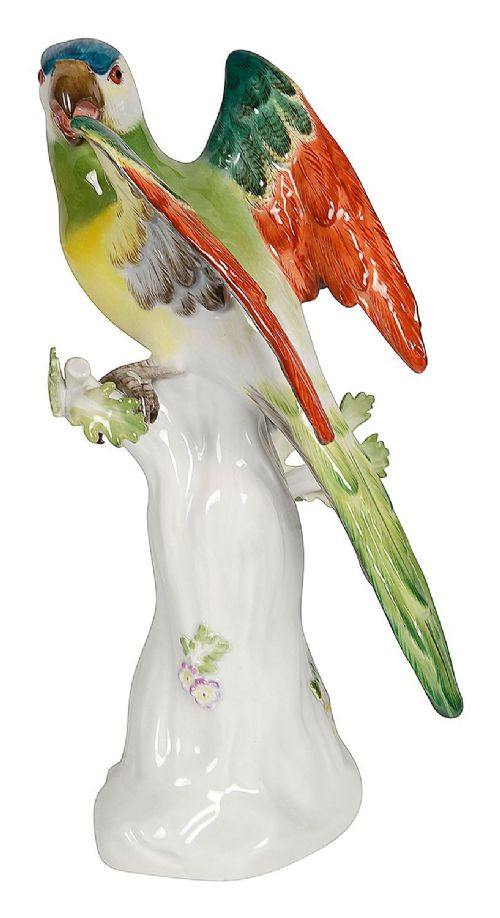
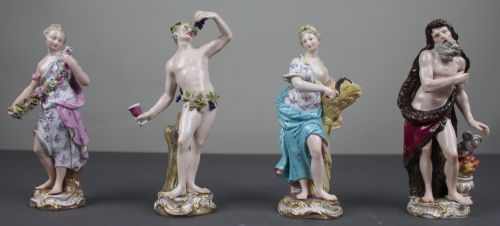
When you search for 19th century dresden figures, you encounter ornate ceramic figurines, candelabras, centrepieces and figural groups produced across German factories during the Victorian era. The selection draws heavily upon Rococo Revival styling, featuring pastoral subjects, musicians, shepherdesses and allegorical figures.
Most pieces you meet on this page hail from major German manufacturing centres such as Meissen, Sitzendorf, Volkstedt and the decorating studios associated with Helena Wolfsohn. They span dates from the mid 19th century through to 1900, capturing the height of Continental decorative porcelain production.
Materials and Techniques
Makers utilised hard-paste porcelain as the primary body, shaped through detailed moulding and delicate hand-sculpting before high-temperature firing. Artisans then applied rich enamel glazes and fine hand-painting to bring out the subtle expressions and intricate costume details.
Many examples incorporate generous applications of gold leaf and gilding to highlight scrollwork, bases and rocaille motifs. Certain specialist groups also integrated fine porcelain lace to render garments with astonishing textural realism.
Listings feature hard-paste porcelain figures and candelabras spanning the 19th century, incorporating enamel glazes, gold leaf and Rococo Revival styling.
Judging Quality and Execution
Weaker items suffer from heavy, blurred enamel application and overly simplified moulding that obscures fine detail. Superior sculptural groups also maintain structural balance and dynamic composition across multi-figure arrangements.
Bourdois & Bloch Paris·Helena Wolfsohn·Sitzendorf·Meissen·Triebner ENS & Eckert Volkstedt
The 19th Century Dresden Figures Glossary
- Hard-paste porcelain
- A durable ceramic composition fired at very high temperatures, made from kaolin and petuntse. It provides the smooth, vitreous body essential for nineteenth-century European figural work.
- Enamel glaze
- A coloured, glassy coating fused to the porcelain surface during a secondary kiln firing. This technique locks in vibrant hues for pastoral scenes and detailed garments.
- Rococo Revival
- A nineteenth-century design movement resurrecting the asymmetric curves, scrolls and natural motifs of the mid-eighteenth century. It dominates the aesthetic of continental porcelain figures and candlesticks.
- Gilding
- The application of gold leaf or powdered gold mixture to ceramic highlights. It accentuates moulded flourishes on bases and candelabra arms.
- Figural group
- A porcelain sculpture comprising multiple characters interacting within a narrative scene. These complex compositions often depict musicians, children or seasonal allegories.
19th Century Dresden Figures: Frequently Asked Questions
What are 19th century dresden figures?
These pieces are ornamental porcelain ceramics modelled as human figures, animals, pastoral groups and functional items like candelabras and centrepieces. They reflect the ornate tastes of the Victorian era through European revivalist styles.
Produced primarily in German factories, the items range from single shepherdess figures to complex multi-figure allegorical groups designed for display on mantelpieces and dining tables.
How should I clean porcelain figures?
Cleaning requires a very soft dry brush or feather duster to gently sweep away accumulated dust from delicate crevices and painted surfaces. Avoid using water or chemical cleaners, as moisture can damage fragile enamel decorations and historical gilding.
For stubborn dust, a slightly damp cotton bud can be utilised with extreme care on unpainted areas, avoiding any gold leaf or delicate porcelain lace.
How do I identify the maker?
Makers are typically identified by underglaze blue or impressed marks located on the unglazed base of the porcelain object. Different factories used specific monograms, crowns, crossed swords or shield symbols corresponding to distinct nineteenth-century production periods.
Matching stylistic traits, such as the specific pastel palette of Helena Wolfsohn or the crisp moulding of Meissen, helps confirm attribution when marks are faint or absent.
Where were these figures displayed?
Nineteenth-century households placed these decorative groups upon mantelpieces, console tables and within glass-fronted display cabinets in principal reception rooms. Matching pairs of candlesticks often flanked clocks or mirrors on drawing room fireplaces.
Centrepieces served as decorative focal points for dining tables during formal meals, showcasing the wealth and refined taste of the homeowner.