


Porcelain Floral Centrepiece
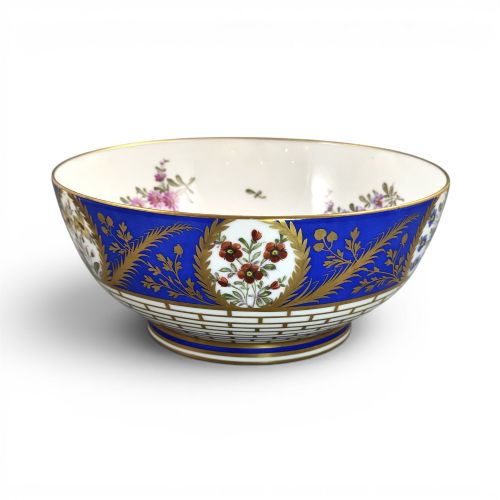
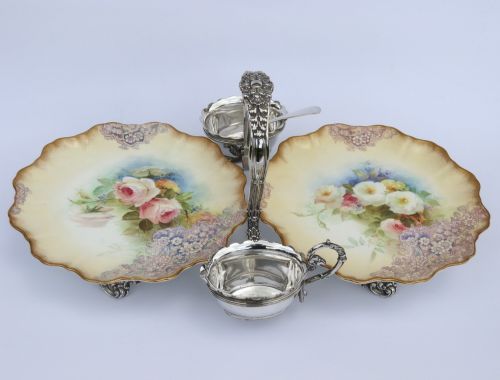
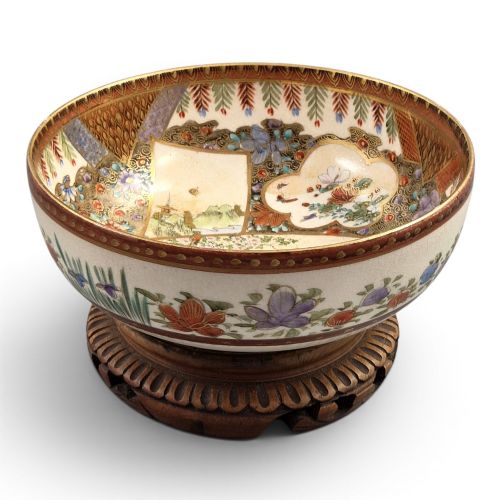
These porcelain floral centrepieces combine sculpted ceramic forms with intricate botanical details, offering a striking focal point for a table setting.
Porcelain Floral Centrepiece
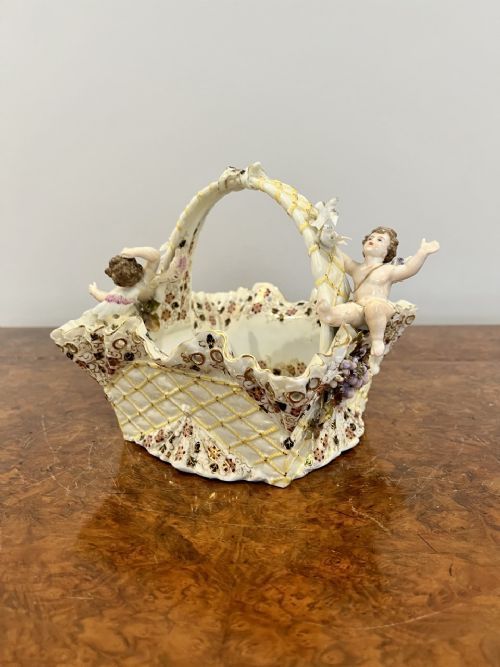
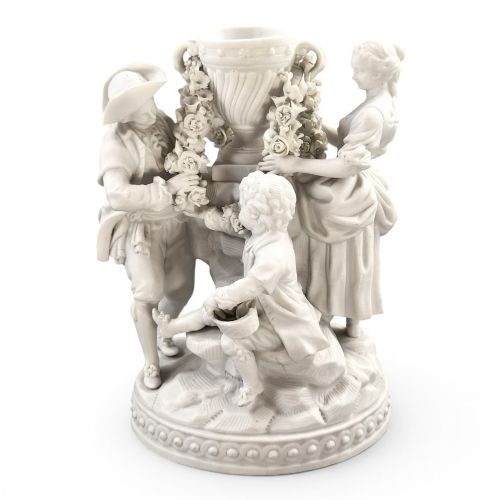
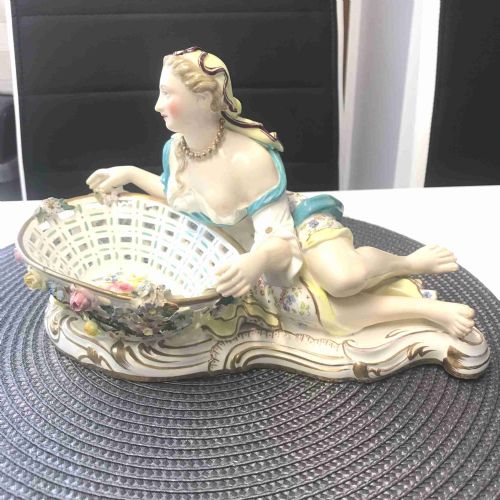
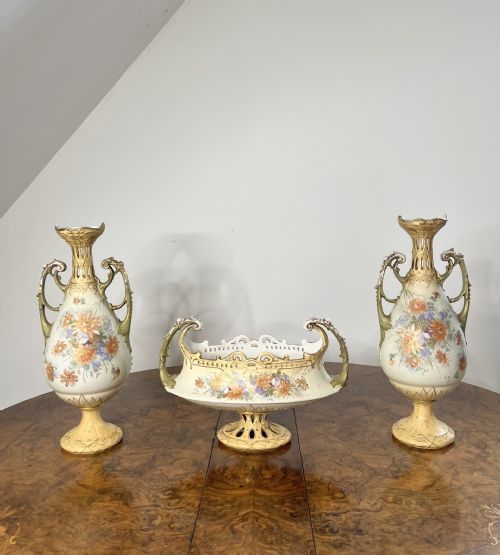
A porcelain floral centrepiece serves as a decorative focal point for a dining table or sideboard, often taking the form of an elaborate bowl, basket, or figural grouping. These pieces are designed to draw the eye through their intricate modelling and painted surfaces.
The selections available here span multiple eras, most notably the nineteenth century, featuring Victorian, Edwardian, and Georgian examples alongside continental European and Asian imports. Pieces range from straightforward decorative bowls to complex sculptural candelabra adorned with applied flowers.
Makers from various traditions, including Meissen, Royal Worcester, and various German and French factories, produced these items to showcase technical skill in ceramics. Buyers will encounter both grand centrepieces meant for formal dining and smaller dessert dishes or baskets.
How They Were Made
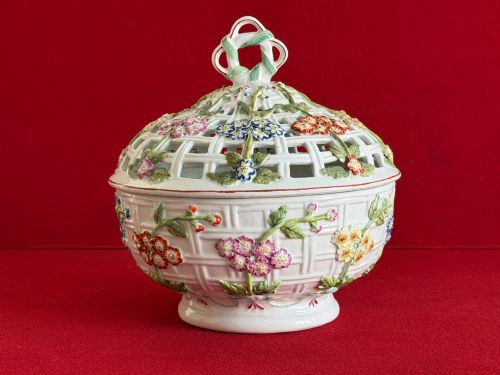
Makers utilised high-fired ceramic bodies, including porcelain and earthenware, shaped through casting or hand-modelling. Applied elements such as individual leaves and petals were often handcrafted separately and attached before firing.
Decoration relied on hand-painted enamel colours, sometimes enhanced with gold leaf, gilding, or glaze to highlight moulded surface details. Ormolu mounts and metal hardware were frequently added to support complex candelabra and figural groupings.
Listings feature 19th Century, 18th Century, Georgian, Victorian, and Edwardian periods across porcelain, earthenware, and enamel materials.
What Varies in Quality
The refinement of the modelling distinguishes standard production from exceptional work, particularly in the delicacy of applied floral garlands and figural details. Crisp execution in the hand-painted enamel and gilding reflects the skill level of the decorator.
The integrity of the ceramic body and the preservation of delicate applied elements dictate the overall standard of survival. Heavier, simpler bowls rely on robust utility, whereas highly sculptural centrepieces depend on meticulous preservation of fragile projections.
Derby Porcelain·Limoges·Meissen·Royal Vienna·Samson Paris·Walker and Hall·Doulton Burslem·Royal Worcester·Ryuzan·C G Schierholz und Sohn·Plaue·Sitzendorf·Ridgway
The Porcelain Floral Centrepiece Glossary
- Biskuit
- Unglazed porcelain fired once to produce a matte, porous surface resembling white marble. This finish was favoured for sculptural figures and detailed botanical groups.
- Imari
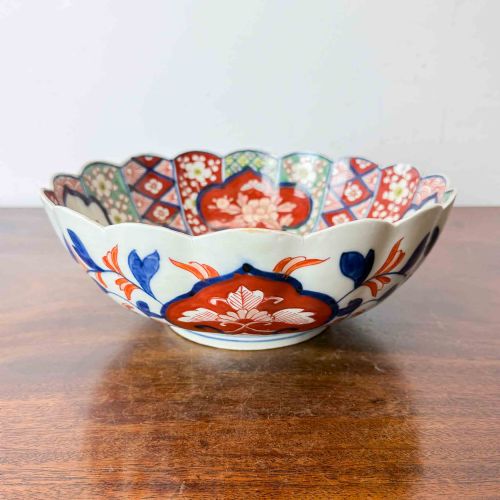
- A style of Japanese export porcelain characterised by underglaze blue, iron red, and gold ornamentation. It appears frequently on decorative bowls and centrepieces.
- Putti
- Sculpted figures of winged infants, often appearing as cherubs in German and Victorian centrepieces. They typically scramble among applied roses and baskets.
- Comport
- A raised dish or bowl used for serving fruit or sweetmeats at dessert. These pieces often feature footed bases or stands.
- Ormolu
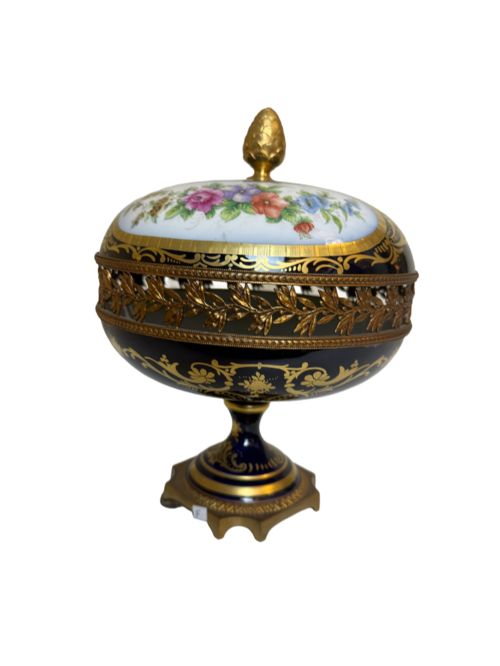
- Gilt bronze mounts applied to nineteenth-century porcelain vessels and candelabra. This technique combined metalworking with ceramic forms.
Porcelain Floral Centrepiece: Frequently Asked Questions
How do I clean a porcelain centrepiece?
Dust gently with a soft, dry brush to protect delicate applied floral elements and painted surfaces. Avoid submerging pieces that feature metal mounts or older glazes in water.
Use a damp cloth only on robust, glazed interior surfaces where no fragile enamel or gilding is present. Allow the ceramic to dry completely before returning it to display.
Were these centrepieces used for flowers?
Many examples were designed specifically to hold fresh blooms, fruit, or sweetmeats during formal nineteenth-century dining. Pierced baskets and vessels with built-in frogs or inserts kept floral arrangements in place.
Other sculptural pieces served purely as decorative ornaments for the centre of a table or sideboard. Their elaborate figural groups and applied roses were meant to be admired as art objects.
How do I date a nineteenth-century centrepiece?
Examine the maker marks on the underside, as factory stamps and impressed numbers often provide a reliable production window. Stylistic indicators, such as Rococo Revival curves or Victorian floral painting, help narrow down the decade.
Consider the manufacturing technique and material composition alongside any known artist signatures. Comparing the piece with documented examples from factories like Meissen or Royal Worcester confirms the period.
What is the difference between a bowl and a comport?
A bowl sits directly on a surface or rests on a low foot, while a comport is elevated on a distinct stem and footed base. Comports were traditionally used to serve fruit or sweetmeats above the table level.
Bowls often function as general decorative vessels or larger centrepieces without the elevated pedestal. Both forms utilise similar painted porcelain and applied floral techniques.