


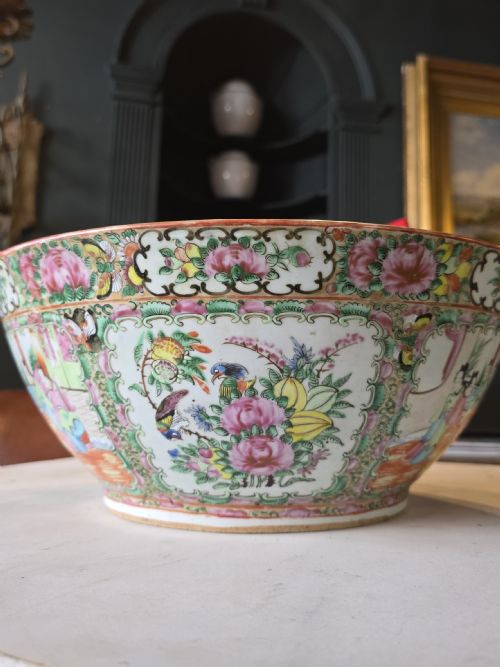


Porcelain Canton Bowl
These porcelain canton bowl examples are hand-painted export pieces that bring rich floral palettes and figural scenes into a modern interior.
Porcelain Canton Bowl
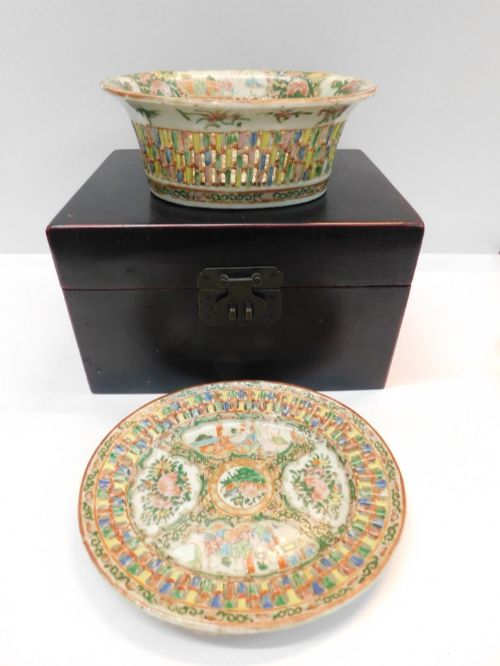
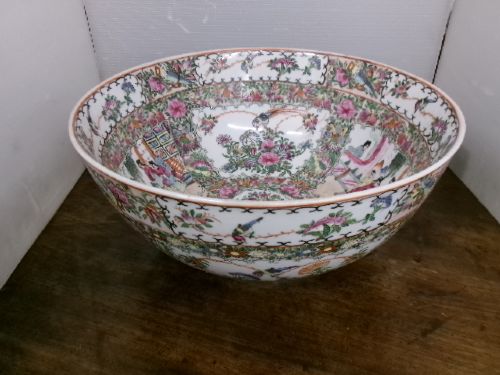
When you search for a porcelain canton bowl, you are looking at decorative vessels created for export during the nineteenth century. These items span various forms, including large punch bowls, jardinières, pedestal dishes, and reticulated chestnut baskets with stands.
The versions most likely to meet you on this page belong to the nineteenth century, encompassing styles such as Qing Dynasty, Chinese Export, and Cantonese Famille Rose. They arrive in scales ranging from standard domestic bowls to large twenty-inch punch basins, occasionally mounted in gilt bronze or ormolu.
How they were made
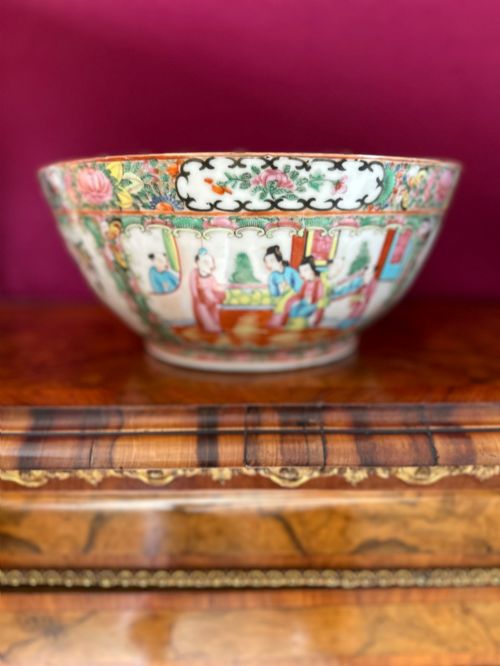
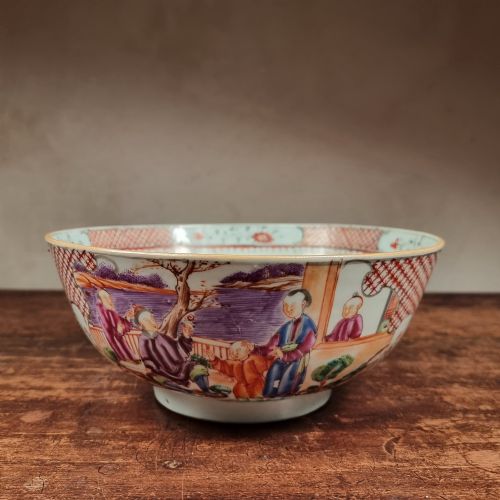
These items are constructed from porcelain and decorated using overglaze enamel in bright pinks, greens, and reds characteristic of the Famille Rose palette. Many surfaces integrate hand-painted figural scenes, butterflies, and floral motifs.
Makers finished these works with details in gold leaf, gilt, and gilding to highlight borders and panels. Certain heavier vessels and baskets were paired with carved hardwood stands or fitted with gilt bronze mounts.
Several bowls come with unusual butterfly designs fluttering across the porcelain panels.
What varies in quality
The standard of a porcelain canton bowl depends upon the crispness and complexity of the hand-painted enamel work. Pieces featuring densely detailed Mandarin figural scenes and butterflies alongside clean white porcelain represent the superior end of the range.
Weight, scale, and the presence of original fittings like hardwood stands or ormolu mounts also elevate certain items. Simpler decoration or heavy wear to the surface gilding places a vessel lower down the scale.
Daoguang Cantonese
The Porcelain Canton Bowl Glossary
- Famille Rose
- A palette of opaque overglaze enamel colours dominated by pink or rose, introduced in the Qing Dynasty. It defines the vibrant floral and figural painting found on Canton export wares.
- Rose Medallion
- A specific decorative layout featuring alternating panels of figures, birds, and flowers arranged around a central medallion. This pattern is frequently seen on large nineteenth-century punch bowls.
- Reticulated
- Pierced or openwork patterning formed in the clay before firing, seen on baskets and stands. It required high skill to prevent warping in the kiln.
- Jardiniere
- A large decorative pot or basin designed to hold potted plants. In this inventory, they appear in nineteenth-century porcelain with heavy enamel decoration.
- Ormolu
- Gilded bronze mounts applied to the base or rim of a ceramic vessel. This French technique was occasionally used to mount export porcelain for the European market.
Porcelain Canton Bowl: Frequently Asked Questions
What is a porcelain canton bowl used for?
These vessels originally served as punch bowls, wash basins, or large centrepieces for dining tables and reception rooms in European and American households. Their generous scales made them practical for serving beverages or displaying fruit.
Today, buyers place them on sideboards, tables, or specialised stands as standalone decorative focal points. They bring historic colour and pattern into traditional and contemporary interiors alike.
How do I date a porcelain canton bowl?
Most pieces on this page date from the nineteenth century, specifically the Victorian era and the Qing Dynasty. Stylistic clues include the vibrancy of the overglaze enamels and the complexity of the hand-painted figural scenes.
Examining the base and the condition of the porcelain body also helps confirm the period. Export pieces from this era often carry subtle variations in weight and glaze texture rather than factory stamps.
What is the difference between Canton and Rose Medallion?
Canton porcelain is a broad term for export wares decorated in southern China with varied floral and figural motifs. Rose Medallion is a specific sub-style featuring distinct panels of birds, flowers, and people arranged around a central pink medallion.
While all Rose Medallion pieces originate from the Canton region, not all Canton bowls use the segmented medallion layout. Both share the bright Famille Rose enamel palette characteristic of the period.
How do I care for an antique porcelain bowl?
Clean the surface gently with a soft, dry cloth to remove dust. Avoid using abrasive sponges, chemical cleaners, or immersion in water, which can damage the overglaze enamel and delicate gilding.
Display the bowl away from direct sunlight and heavy traffic areas where it might be knocked. If the piece includes a hardwood stand or ormolu mount, lift the vessel by its main body rather than the attachments.