

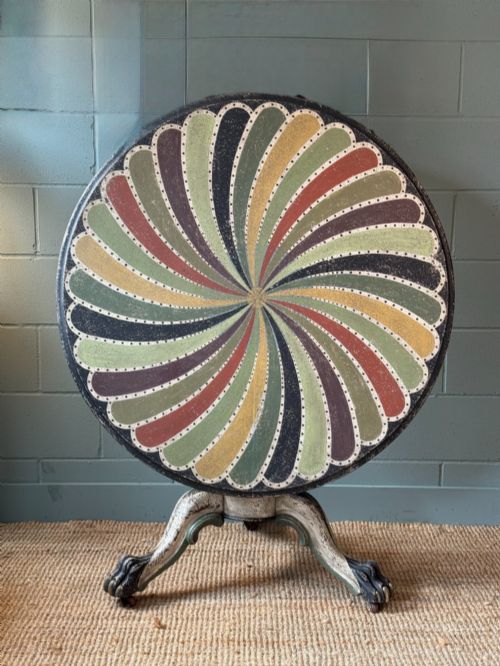


Polychrome Wood Folk Art
These pieces of polychrome wood folk art combine carved timber with applied colour, offering direct insight into regional vernacular traditions and domestic devotional or decorative practices.
Polychrome Wood Folk Art
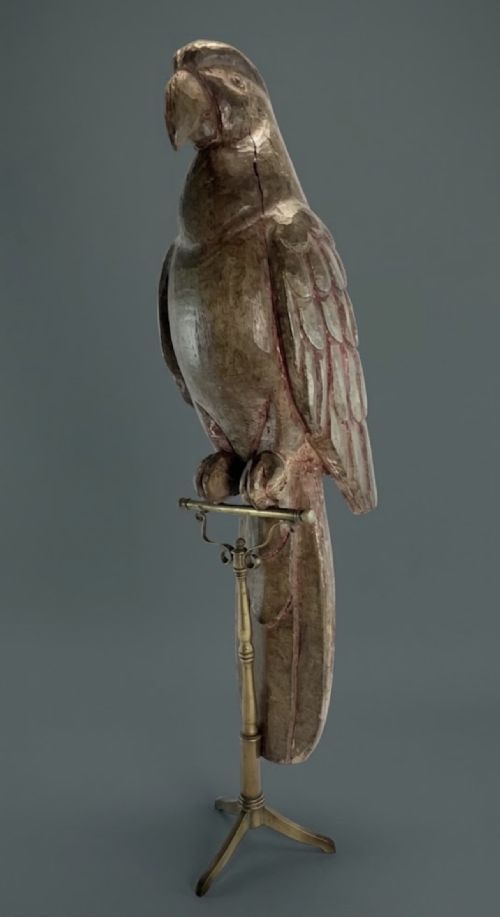
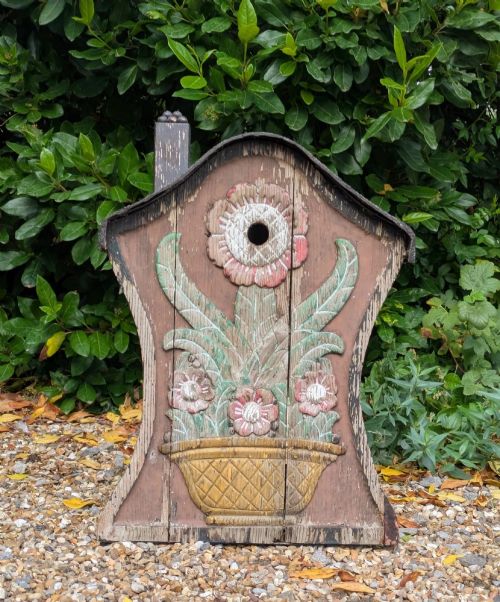
When searching for polychrome wood folk art, buyers encounter a diverse array of carved objects that span multiple centuries, ranging from the seventeenth to the mid-twentieth century. The selection includes religious sculptures, animal figures, fairground panels, and practical items such as bird boxes and walking sticks originating from Britain, Europe, Asia, and the Americas.
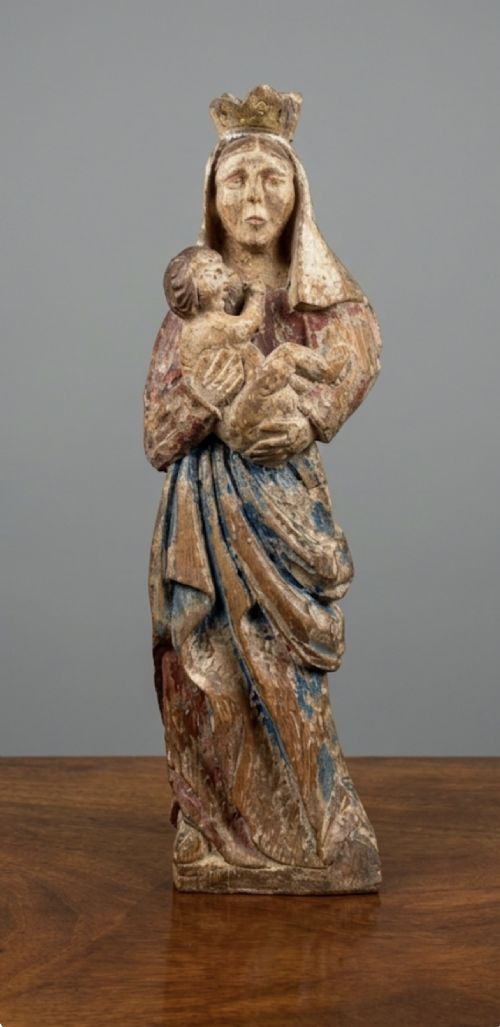
Religious figures, including depictions of Mary and Jesus, saints, and Buddhas, form a substantial part of the early material, often dating to the eighteenth and nineteenth centuries. Alongside these sacred works, vernacular carvings encompass trade signs, whirligigs, and whimsies created by regional makers for local use.
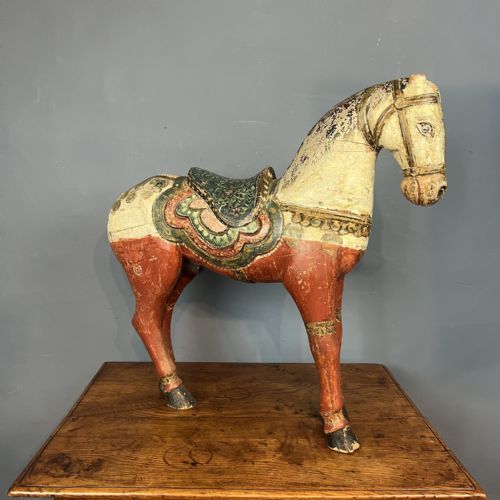
Fairground panels and carousel figures represent the twentieth-century expression of this category, bringing bright pigments to large-scale entertainment pieces. Buyers meet these objects in various states of preservation, from retained original finishes to surfaces marked by age and use.
How They Were Made
Carvers shaped these items from solid timber using hand tools, producing forms that rely on strong regional styles rather than academic proportions. Artisans utilised available local woods, incorporating materials such as thorn wood and gesso foundations to prepare surfaces for decoration.
Colour was applied using paint, polychrome pigment, and occasionally gold leaf over the carved wood基 substrate. Iron and brass elements appear on specific objects like stands, hooks, and mechanical joints, adding structural support or functional utility to the finished pieces.
A risqué black forest nude coat hook shares space with solemn religious icons and cheerful carousel horses.
What Varies in Quality
The strength of the carving distinguishes the upper tier of objects from simpler regional pieces, showing confidence in the handling of form and anatomical detail. Expressive faces, well-defined drapery, and dynamic postures separate superior sculptural works from more static examples.
The integrity and survival of the surface decoration dictate much of the visual impact. Pieces retaining cohesive layers of original paint, without excessive overpainting or loss, present a more unified aesthetic representation of their period.
H.S Andy Anderson
The Polychrome Wood Folk Art Glossary
- Polychrome
- Decorated in multiple colours. This term describes objects featuring painted or tinted surfaces.
- Folk art
- Art produced from an indigenous culture or peasant society. These works are typically made by self-taught or artisanal makers outside formal academic traditions.
- Gesso
- A paint mixture consisting of a binder mixed with chalk, gypsum, or pigment. It served as a preparation layer for wood before gilding or painting.
- Whirligig
- A wooden toy or decorative object with moving parts actuated by wind. These kinetic pieces often feature painted figures performing simple mechanical actions.
Polychrome Wood Folk Art: Frequently Asked Questions
What is polychrome wood folk art?
These pieces consist of carved wooden objects decorated with painted pigments, created by regional artisans and vernacular makers across different centuries.
They encompass a wide variety of forms, including religious figures, fairground panels, animal sculptures, and trade signs.
How do I date these carvings?
Dating relies on stylistic markers, tool marks left by the maker, and the composition of the wood and paint layers. Comparing the wear patterns with documented examples from specific periods helps establish an approximate timeframe.
Certain items carry inscriptions, initials, or dates that provide direct evidence of their origin and age.
How should I clean painted wooden surfaces?
Painted surfaces require gentle dry dusting with a soft brush to remove loose particles without disturbing fragile pigment layers. Liquid cleaners and abrasive materials should be avoided to protect the original finish.
Consulting a professional conservator is recommended for pieces with flaking paint or structural instability.
Where were these objects made?
The pieces originate from diverse geographic regions, including Britain, Scandinavia, continental Europe, India, China, and the Americas. Each area developed distinct vernacular carving and painting traditions.
Local materials and cultural practices heavily influenced the subjects and techniques employed by the makers.