


Polychrome Japanese Porcelain Vases
These polychrome japanese porcelain vases bring vibrant hand-painted enamel and gold leaf from nineteenth-century export kilns straight into a modern room.
Polychrome Japanese Porcelain Vases
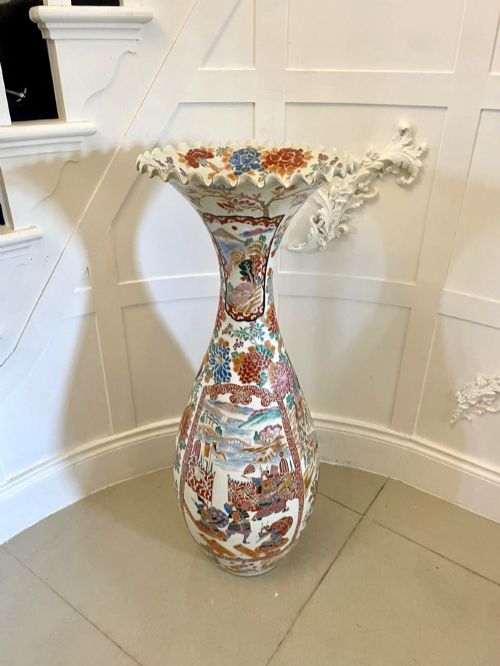
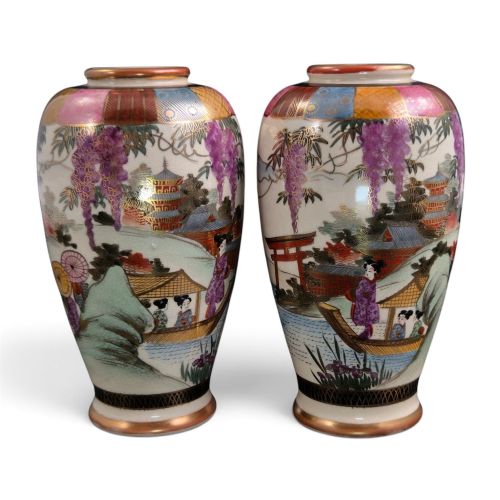
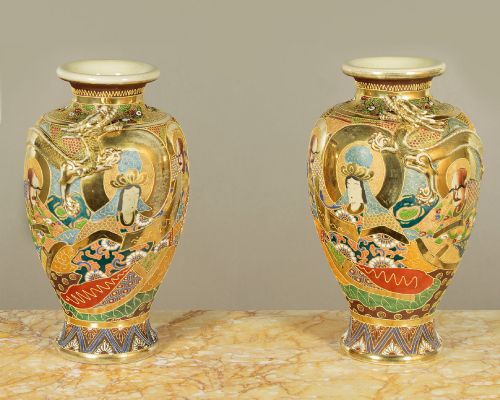
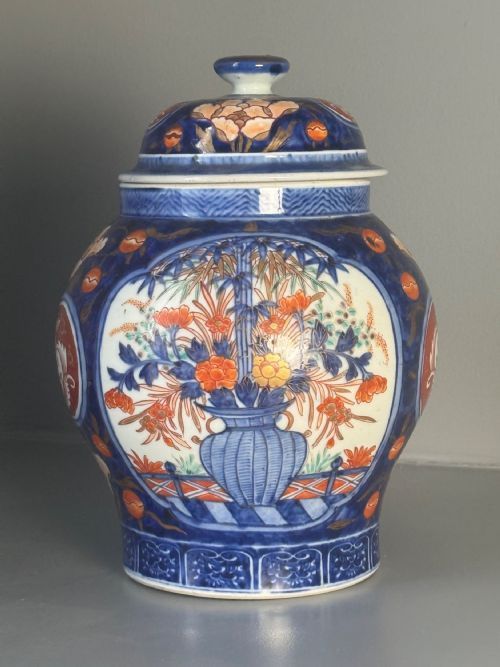
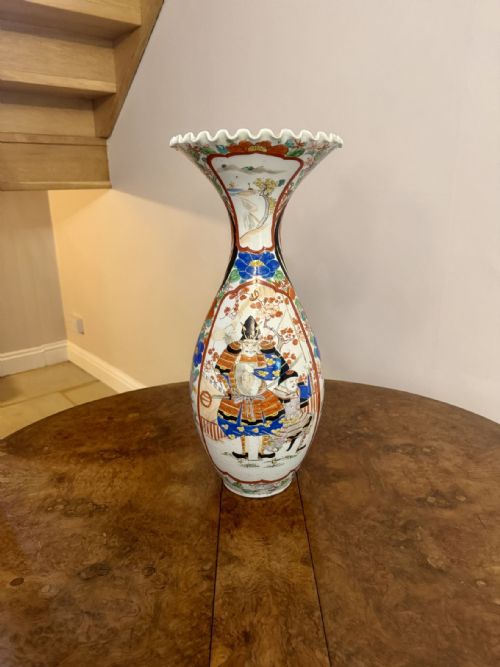
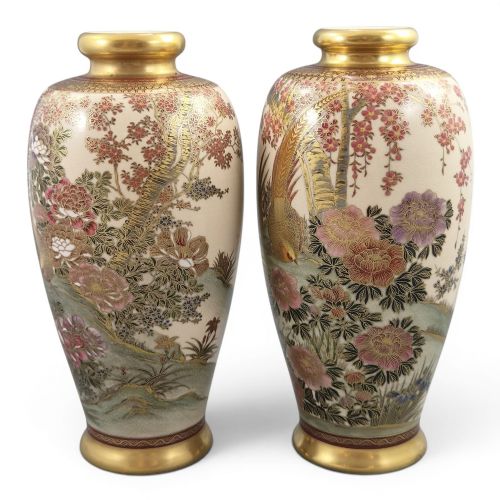
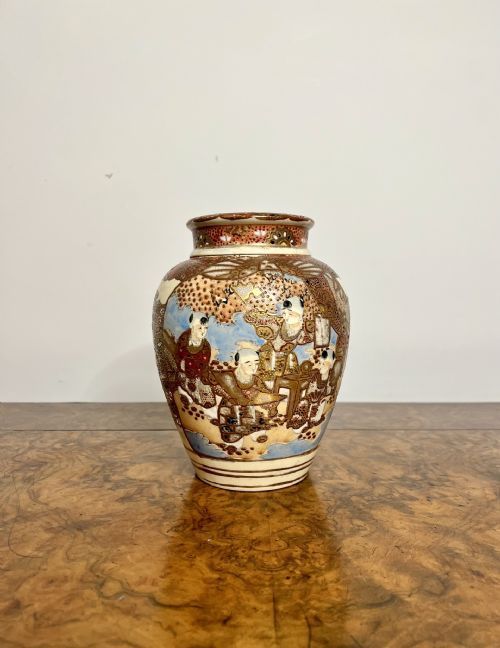
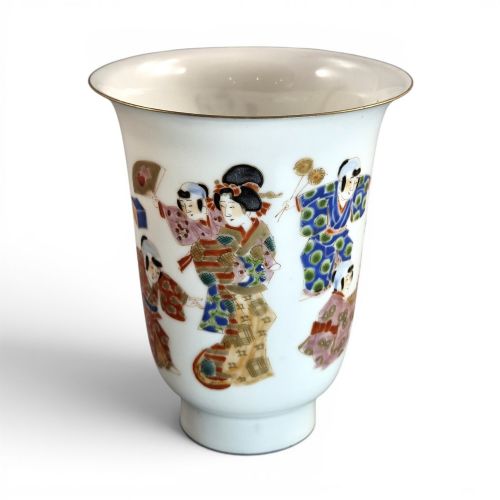
Polychrome japanese porcelain vases encompass heavily decorated export wares produced across the Meiji, Taisho, and Showa periods. Buyers searching this phrase meet robust Imari patterns, delicate Satsuma earthenwares, and striking Kutani vessels.
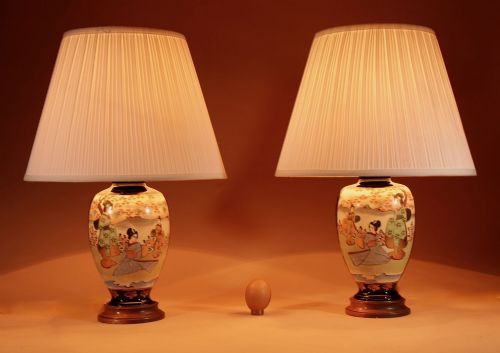
The inventory leans heavily toward large nineteenth-century forms, including lidded jars, floor-standing examples, and pairs adapted into table lamps. Many retain intricate landscape scenes, floral motifs, or figural compositions created for Western markets.
Materials and Manufacture
Potters shaped fine porcelain and earthenware bodies before applying complex underglaze blues and overglaze polychrome enamels. Artisans then layered rich gold leaf and raised gilt decoration across the panels.
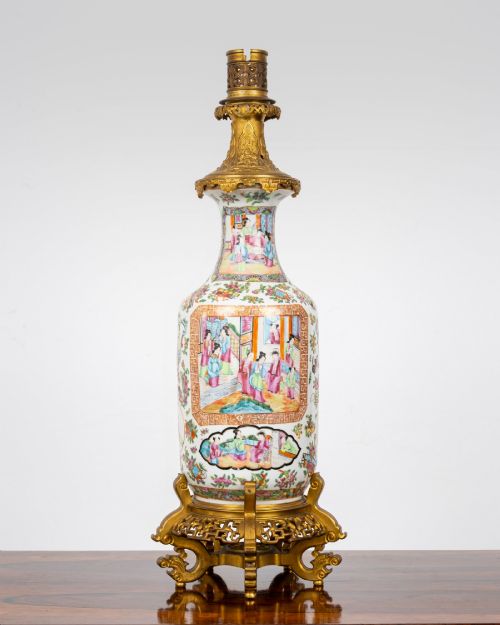
Kilns in Arita, Kyoto, and Kutani developed distinct palettes, utilising translucent glazes and eggshell porcelain techniques. Export pieces often incorporated bronze mounts or were later wired for electrical use.
Listings feature porcelain, earthenware, and gilt bronze mounts across nineteenth-century and Edwardian periods.
Assessing Quality and Execution
Quality rests upon the precision of the brushwork and the density of the enamelling. Superior examples display disciplined control in fine gold linework and balanced composition across complex figural scenes.
Exhibition-grade pieces feature named studio marks, such as Kinkozan or Hododa, and demonstrate deeper relief in the gilt decoration. Softer enamel application and crowded, rushed patterns distinguish ordinary production from master works.
Manpei, Kobe·Yamashu·Hododa·Hayakawa·Kinkozan
The Polychrome Japanese Porcelain Vases Glossary
- Imari
- A traditional style of Japanese porcelain featuring a distinct palette of underglaze blue, iron red, and abundant gold leaf. These pieces were heavily exported to Europe during the Meiji period.
- Satsuma
- A type of Japanese earthenware characterised by an ivory-coloured, crackle-glaze finish that serves as a canvas for dense polychrome and gilt decoration. Makers often included intricate figural scenes and landscapes.
- Kutani
- Japanese porcelain and pottery noted for vibrant overglaze enamel colours, particularly strong greens, purples, and reds. Kutani wares frequently depict nature studies and narrative scenes.
- Meiji Period
- The era of Japanese history lasting from 1868 to 1912, marking a major surge in decorative arts created specifically for international export. Pieces from this time show exceptional technical ambition.
- Shimazu Mon
- The crest of the Shimazu clan, featuring a cross within a circle, frequently found on Satsuma pottery produced in the Satsuma domain. Its presence often indicates higher status or exhibition intent.
Polychrome Japanese Porcelain Vases: Frequently Asked Questions
How do I date an antique Japanese vase?
Dating relies on stylistic shifts between the Meiji, Taisho, and Showa periods, alongside base marks and studio signatures. Nineteenth-century examples typically show heavier potting and more meticulous hand-painted details.
Export regulations and western influence also changed over time, moving from traditional feudal styles to more ornate exhibition pieces by the late Victorian and Edwardian eras.
Are Satsuma vases made of porcelain?
Satsuma wares are actually earthenware rather than true porcelain, possessing a characteristic porous, buff-coloured body. This absorbent clay is coated with a fine, creamy glaze that develops a deliberate network of tiny cracks.
Overglaze enamels and gold leaf are applied over this crackled surface, which distinguishes Satsuma pieces from smooth-bodied porcelain wares like Imari or Kutani.
How should I display a large floor vase?
Large floor-standing vases and lidded jars require stable, level placement away from heavy household traffic. Because many of these pieces possess considerable height and weight, keeping them clear of pets and swinging doors is essential.
Natural light enhances the rich polychrome enamels and gold leaf without exposing the pigments to harsh, direct sunlight that might fade delicate details over time.
What does Imari mean on a vase?
Imari refers to the port town from which these distinct blue, red, and gold ceramics were shipped to the West. The style combines deep cobalt underglaze blue with vibrant overglaze red and heavy gilding.
This robust aesthetic made Imari porcelain immensely popular in European interiors from the eighteenth century onwards, leading to continued production through the Meiji period.