



Polychrome Japanese Ceramic Plates
These polychrome japanese ceramic plates bring vibrant palettes and intricate traditional motifs straight from Meiji workshops and Victorian cabinets.
Polychrome Japanese Ceramic Plates
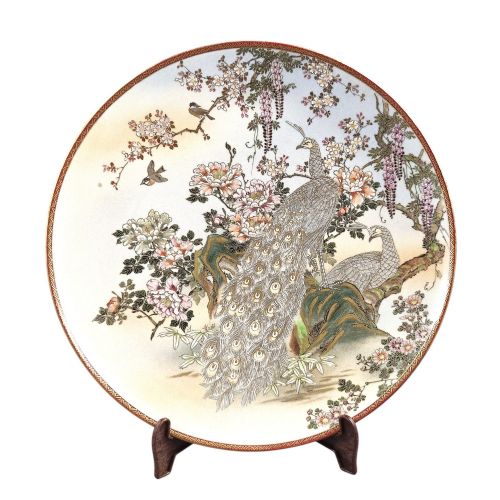
Polychrome japanese ceramic plates comprise decorative chargers, cabinet plates, and shallow dishes originating largely from the nineteenth century and the Meiji period. Buyers encountering this selection will frequently find Japanese Imari designs alongside Satsuma and Kutani wares.
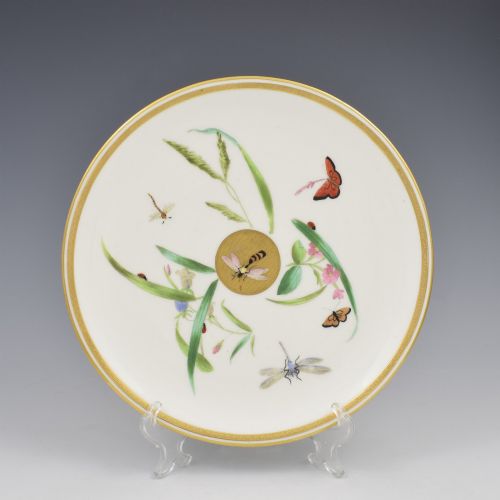
The assortment spans traditional Japanese output from the Edo and Meiji eras, alongside Victorian interpretations influenced by the Aesthetic Movement. Forms range from standard circular plates to octagonal plates and substantial decorative chargers.
How they were made
Makers utilised porcelain and earthenware bodies, applying cobalt underglaze, enamel, and gold leaf or gilt highlights. Hand-painted decoration defined the surface, often incorporating moriage relief work alongside intricate pictorial scenes.
Firing techniques allowed artisans to fuse rich iron-red and cobalt blue pigments with gold details, creating durable surfaces suitable for display chargers and cabinet pieces.
Listings feature porcelain and earthenware bodies decorated with enamel, gold leaf, and cobalt underglaze across the Edo and Meiji periods.
What varies in quality
Quality rests in the precision of the hand-painted brushwork and the complexity of the pictorial composition, from simple geometric borders to detailed figural scenes and naturalistic fauna. The richness of the gilding and the clarity of the enamel colours further distinguish finer examples.
Signatures by recognised makers or studios elevate specific pieces, whilst the crispness of the porcelain body and the absence of distortion during firing mark out superior output.
Shuzan for Yasuda·Meizan·Shozo
The Polychrome Japanese Ceramic Plates Glossary
- Imari
- A style of Japanese porcelain featuring a palette of underglaze blue, iron red, and gilt highlights. These pieces were exported in quantity to Europe from the port of Imari.
- Satsuma
- An earthenware type with a crackle-glaze finish, typically decorated with polychrome enamels and raised gold details. Production expanded significantly during the Meiji period.
- Kutani
- Japanese ceramic ware known for bold polychrome designs, often employing greens, purples, and heavy gilding. Kutani pieces frequently depict narrative scenes or natural subjects.
- Charger
- A large decorative plate intended for display on a wall or sideboard rather than for dining use. Chargers often measure over thirty centimetres in diameter.
- Moriage
- A decorative technique using slip trailing to build up raised relief patterns on ceramics. This method provides texture beneath the enamel and gilt layers.
- Cobalt underglaze
- A blue pigment applied to the raw ceramic body before glazing and firing. It withstands high temperatures without losing definition.
Polychrome Japanese Ceramic Plates: Frequently Asked Questions
What is an Imari plate?
An Imari plate is a Japanese export ceramic decorated in cobalt blue, iron red, and gold.
These pieces were produced primarily for European markets from the Edo period onwards.
How do I display a charger?
Large chargers are typically shown using sturdy wall hangers or displayed upright on specialist plate stands.
Their substantial size makes them effective focal points on sideboards or mantelpieces.
Are these plates for dining?
Most pieces listed are decorative chargers or cabinet plates intended for visual display.
Their delicate enamel surfaces and gold gilding mean they are unsuited for regular dining use.
How do I date Meiji ceramics?
Meiji period ceramics date from eighteen sixty-eight to nineteen twelve, coinciding with the reign of Emperor Meiji.
Datation relies on stylistic shifts, studio marks, and historical export records.