


Gilded Satsuma Ceramic Dishes
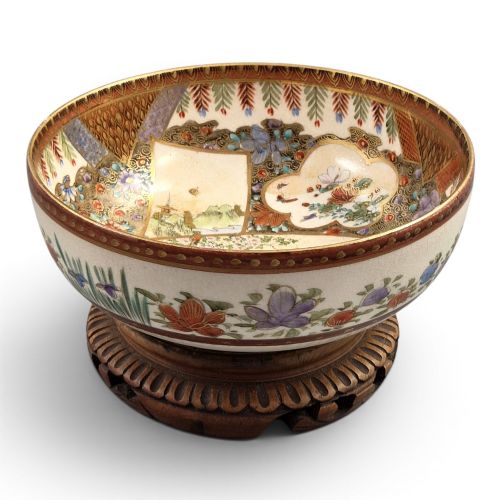
These gilded satsuma ceramic dishes bring intricate Japanese artistry to your home through delicate earthenware forms.
Gilded Satsuma Ceramic Dishes
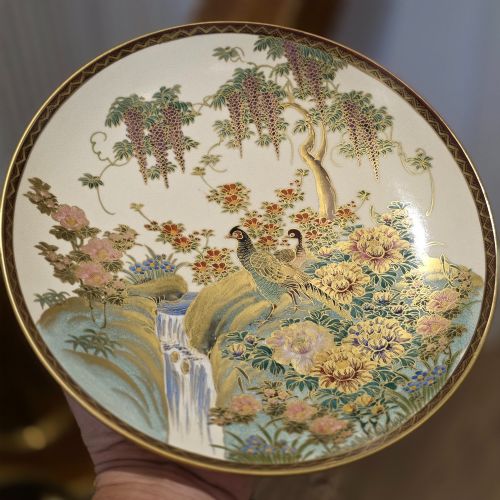
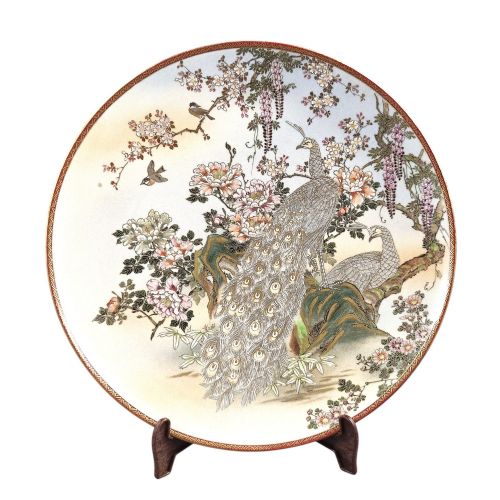
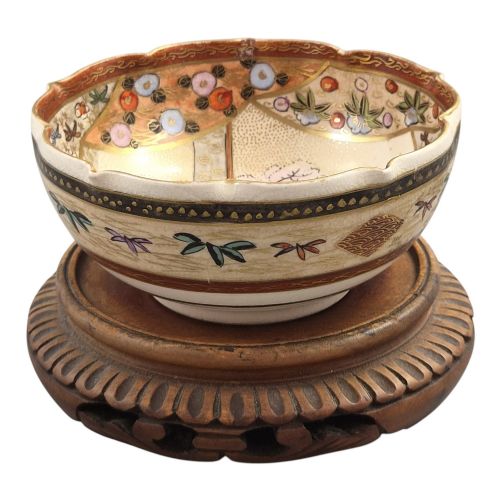
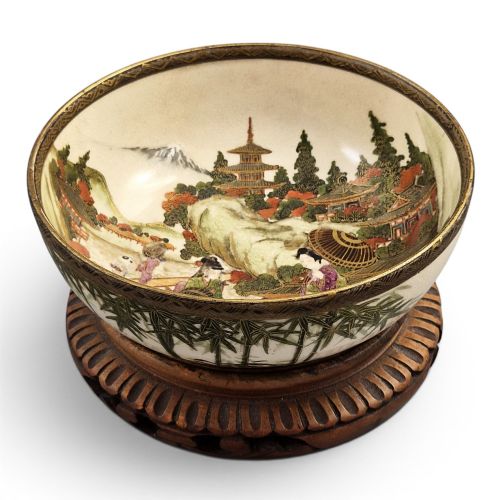
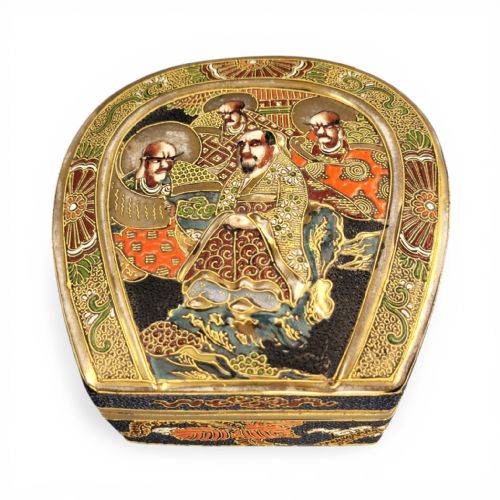
When you search for gilded satsuma ceramic dishes, you encounter detailed earthenware items primarily originating from the Meiji period and Victorian eras. These decorative pieces include bowls, plates, chargers, trinket boxes, and saucers.
The version you are most likely to meet on this page is a Meiji period bowl or dish featuring traditional Japanese decoration, often painted with flowers, birds, and figures.
Makers such as Koshida, Gyokkō, Kozan, Toshozan, Shuzan for Yasuda, and Hododa of Yokohama appear across the listings, alongside Kyoto origins.
How they were made
These pieces are constructed from earthenware and finished with enamel and gold leaf, utilising gilt accents to highlight complex painted scenes.
Techniques involve detailed moriage work and intricate millefleur patterns, creating textured surfaces that catch the light.
Materials recorded across the selection include earthenware, enamel, gold leaf, wood, and gilt.
What varies in quality
Quality rests upon the precision of the hand-painted detail and the fineness of the gold leaf application across the earthenware body.
Signed works by recognised Meiji period artists demonstrate superior execution in composition and subject matter compared to unsigned examples.
Koshida·Gyokkō·Kozan·Toshozan·Shuzan for Yasuda·Hododa
The Gilded Satsuma Ceramic Dishes Glossary
- Satsuma
- A type of Japanese earthenware originating from Satsuma Province, traditionally characterised by an ivory crackle glaze and detailed polychrome enamel painting. This forms the foundational material for these decorative dishes.
- Moriage
- A decorative ceramic technique using raised slip painting to create a textured, three-dimensional effect on the surface. Artisans apply this to emphasise floral motifs and borders.
- Charger
- A large decorative plate intended for display rather than serving food. These items showcase expansive painted scenes featuring peacocks and peonies.
- Millefleur
- A pattern style translating to thousand flowers, covering the entire surface in dense floral designs. This meticulous approach demands exceptional patience from the painter.
Gilded Satsuma Ceramic Dishes: Frequently Asked Questions
What are gilded satsuma ceramic dishes?
These are Japanese earthenware items decorated with polychrome enamels and gold leaf. They encompass bowls, plates, chargers, and boxes.
Most examples date from the Meiji period and feature traditional motifs such as birds, flowers, and human figures.
How were satsuma pieces used?
They served primarily as decorative objects for display within a home rather than for practical dining use. Large chargers and decorative plates were traditionally placed on stands or hung on walls.
Smaller bowls and trinket boxes functioned as ornamental containers for personal items.
How do I live with these dishes?
Display them in well-lit areas where the gold leaf and enamel details can catch the natural light. Keep them away from direct sunlight to protect the painted surface.
Use stable plate stands or dedicated display cabinets to ensure their safety.
How do I tell periods apart?
Meiji period pieces often bear artist signatures and feature dense, intricate hand-painted designs with heavy gilding. Victorian and Edwardian era datings align with the British import periods for these Japanese goods.
Examine the base for signatures and studio marks to establish origin.