

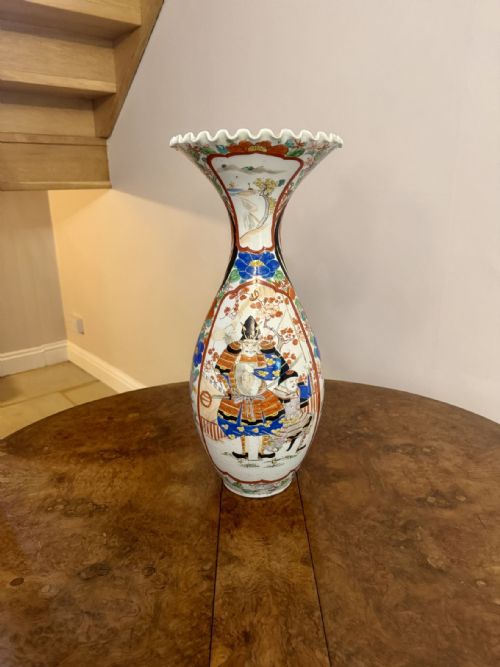


Polychrome Imari Porcelain Vase
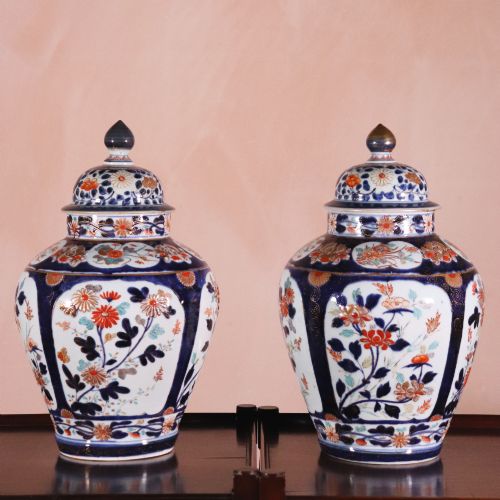
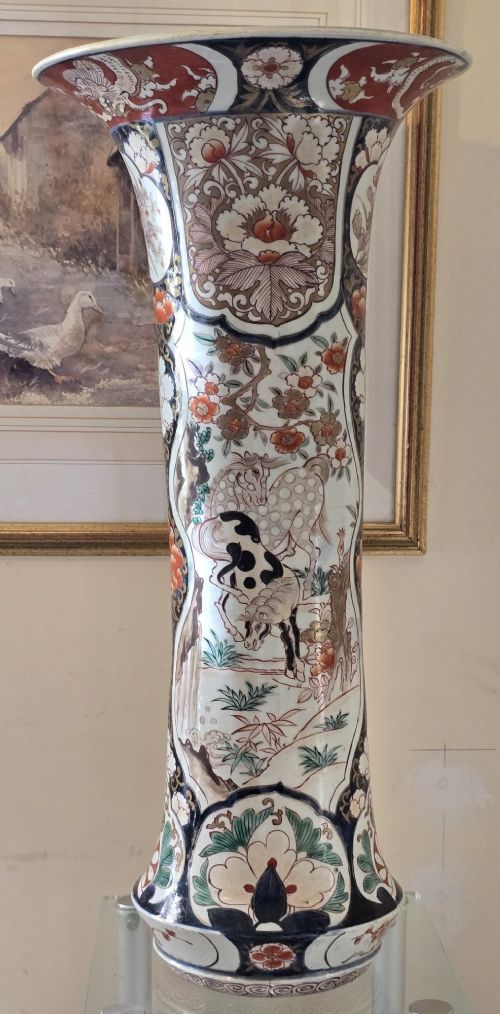
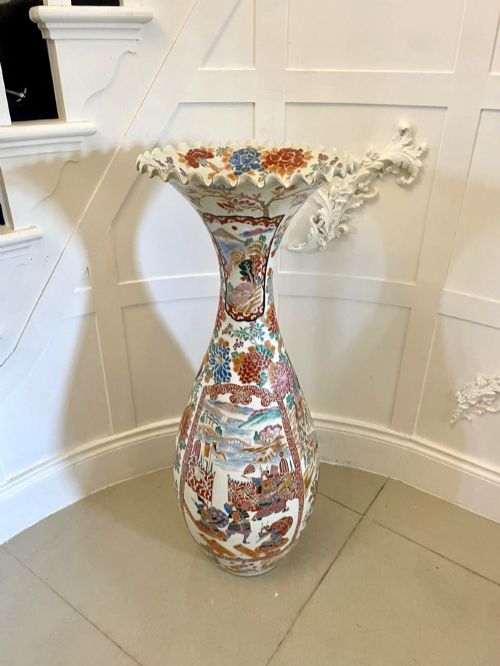
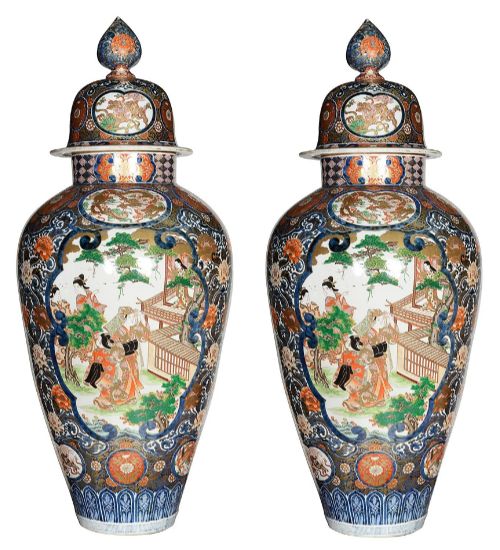
These polychrome imari porcelain vase examples bring rich iron-red, cobalt blue and gold leaf decoration to a room, offering striking focal points for a collector.
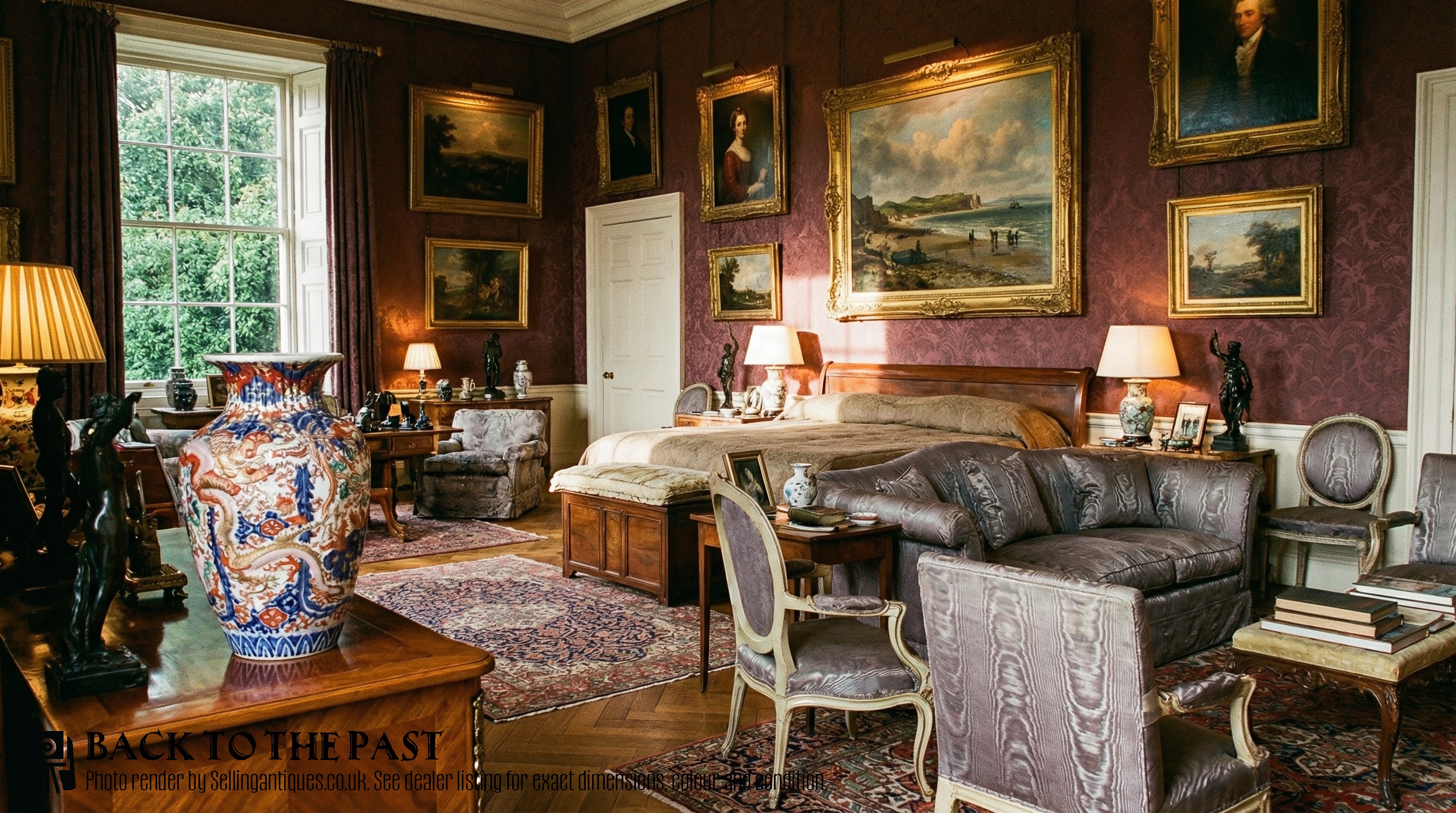
Polychrome Imari Porcelain Vase
When you search for a polychrome imari porcelain vase, you enter a field defined by rich hand-painted palettes of cobalt blue, iron-red and gold leaf. The pieces meeting you on this page span several centuries, originating primarily in Japanese kilns during the Edo and Meiji periods, alongside select European interpretations.
You will encounter various physical formats ranging from grand floor-standing vessels and lidded urns to smaller table lamps and decorative bowls. The historical timeline stretches from eighteenth-century Arita pieces through nineteenth-century Meiji examples up to early twentieth-century creations.
How they were made
The foundation of every piece is hard porcelain formed through skilful throwing and moulding, often featuring ribbed surfaces or applied details. Artisans then applied intricate hand-painted underglaze blue alongside vibrant enamel colours directly onto the ceramic body.
Gold leaf detailing provides the characteristic metallic brilliance that highlights specific motifs within the design. Some later adaptations integrate additional materials such as hardwood bases and brass mounts to alter the presentation of the vessel.
Polychrome Imari Porcelain Vase Retail Price Guide 2026
Typical asking prices for polychrome imari porcelain vase among the pieces listed under this phrase on Sellingantiques today, from the lower quarter to the upper quarter. They describe what is for sale here now, not the wider market.
One extraordinary nineteenth-century piece earns the charming kennel title "Crazy Cow" alongside "Bengal Tiger" within its recorded factory pattern.
What varies in quality
The distinction between standard output and the finest examples rests upon the precision and complexity of the hand-painted decoration. Superior pieces display meticulous brushwork where the cobalt blue and iron-red enamels sit precisely within the gilded outlines.
Substantial scale combined with crisp moulding elevates certain vessels above simpler production ware. The integration of well-preserved gold leaf and the depth of the glaze further separate ordinary items from masterworks.
Minton·Fukagawa
The Polychrome Imari Porcelain Vase Glossary
- Imari
- A traditional style of Japanese porcelain originating from the port of Arita and exported widely through the town of Imari. These items typically feature distinct palettes of underglaze blue and iron-red with supplementary gold highlights.
- Polychrome
- Multi-coloured decoration utilising various enamel pigments applied over or under the glaze. This technique allows for complex pictorial narratives across the ceramic surface.
- Meiji Period
- The era in Japanese history spanning from 1868 to 1912 marked by significant artistic production for international export. Pieces from this time often exhibit exceptional decorative ambition and scale.
- Edo Period
- The historical Japanese epoch lasting from 1603 to 1867 which laid the foundational ceramic traditions for subsequent generations of makers.
- Arita
- The Japanese town recognised as the birth-place of Japanese porcelain production. Kilns here produced the earliest prototypes for the distinctive Imari aesthetic.
Polychrome Imari Porcelain Vase: Frequently Asked Questions
How do I date an imari vase?
Dating relies upon stylistic markers, body weight and the specific vibrancy of the enamel colours used in the decoration. Earlier eighteenth-century examples often display softer iron-red tones compared to the brighter pigments seen on Meiji period pieces.
Examining the base for kiln marks or stylistic shifts provides further clues regarding the era of production. European interpretations from the Regency and Edwardian periods reveal distinct paste compositions when compared directly to Japanese originals.
Where were these vases made?
The vast majority originate from the kilns of Arita in Japan, shipped historically through the port of Imari for international markets. European factories also produced inspired interpretations during the nineteenth century.
Japanese pieces reflect regional aesthetic shifts across the Edo and Meiji periods. European iterations demonstrate how western potteries adapted eastern decorative principles.
Are these vases waterproof?
While manufactured from fired porcelain and glaze, antique vessels require careful handling due to their age and delicate enamel surfaces. Many collectors prefer to display them dry or utilise internal liners if holding water.
The presence of added gold leaf and hand-painted enamels means aggressive cleaning should be avoided. Modern conversions into lamps also alter the original internal structure of the piece.
What is the difference between Arita and Imari?
Arita refers specifically to the Japanese town and production region where the porcelain clay was sourced and fired. Imari was simply the shipping port from which these ceramics were exported to the west.
Over time, the term Imari became synonymous with the distinct blue, red and gold decorative style originating from those Arita kilns. Collectors use both terms to understand the geographical and stylistic roots of a vessel.
How should I clean my vase?
Dusting gently with a soft, dry brush is the safest method for preserving fragile enamel and gold leaf decorations. Moisture can degrade vulnerable surface pigments on older pieces.
Avoid chemical cleaners or submersion in water entirely. Maintaining a stable environment away from direct sunlight protects the vibrant iron-red and blue pigments over time.