




Polychrome Ceramic Seat
A polychrome ceramic seat brings rich painted decoration and sculptural form to interior and garden spaces alike, offering durable beauty.
Polychrome Ceramic Seat
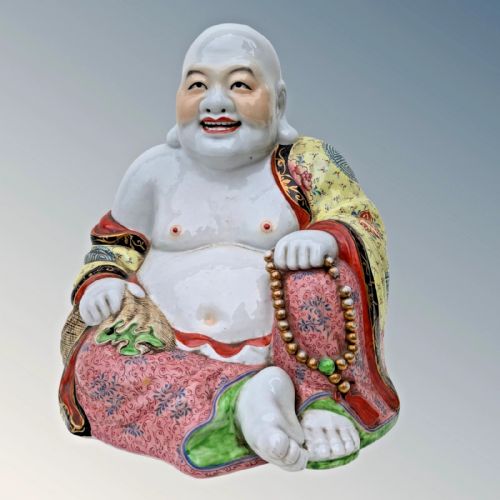
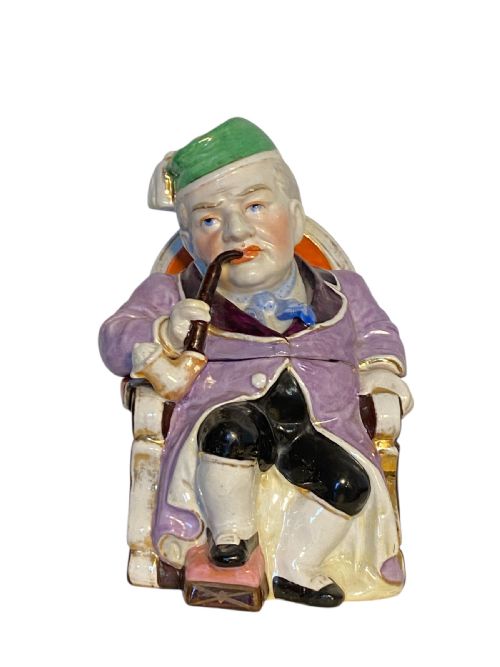
A polychrome ceramic seat encompasses substantial garden furniture and smaller sculptural figures created across the eighteenth, nineteenth, and twentieth centuries. Buyers searching for a polychrome ceramic seat will encounter large barrel-shaped Chinese garden seats alongside European porcelain figures depicting seated subjects.
The Chinese export tradition supplies robust stoneware and porcelain garden drums finished in vibrant enamels, while European factories such as Derby, Bow, and Meissen contribute delicate porcelain figures shown sitting in chairs or on naturalistic bases. These diverse forms share a reliance on multi-coloured painted decoration fired directly onto a ceramic body.
Originating from periods spanning the Georgian era to the mid-twentieth century, these pieces range from utilitarian outdoor furnishings to highly decorative cabinet pieces. Understanding whether a piece belongs to the Chinese Canton tradition or eighteenth-century English porcelain production helps collectors appreciate its specific domestic function.
Materials and production methods
Makers utilised hard-paste porcelain, soft-paste porcelain, and sturdy ceramic bodies to form the structural foundation of each polychrome ceramic seat. Artisans shaped these materials by hand or in moulds before applying initial glazes and firing the clay at high temperatures.
Colour derives from complex enamel palettes applied over or under the glaze, sometimes supplemented by gold leaf or gilt highlights. This multi-stage process required repeated firings to fix the vibrant pigments and metallic details permanently to the ceramic surface.
Polychrome Ceramic Seat Retail Price Guide 2026
Typical asking prices for polychrome ceramic seat among the pieces listed under this phrase on Sellingantiques today, from the lower quarter to the upper quarter. They describe what is for sale here now, not the wider market.
Object forms recorded here range from Chinese garden seats and tobacco jars to European porcelain figures depicting musicians and literary characters.
Evaluating craftsmanship and detail
The depth and brilliance of the glaze, alongside the careful application of gilding, distinguish finer studio outputs from simpler commercial wares. Heavier garden seats depend on structural integrity and the crispness of pierced coin or ring handles, while figures rely on anatomical accuracy and expressive poses.
Zhu Mao Ji·Derby·Meissen·Bow·Staffordshire
The Polychrome Ceramic Seat Glossary
- Polychrome
- Decoration executed in multiple colours. This technique defines the vibrant painted surfaces seen across various ceramic bodies.
- Enamel
- Opaque vitreous composition applied to ceramics for decoration. Artisans fire these glassy paints onto the glazed surface to achieve bright, lasting hues.
- Hard-paste porcelain
- A dense, vitrified ceramic invented in China and later replicated in Europe. It uses kaolin and petuntse to create a durable, translucent body.
- Soft-paste porcelain
- An artificial ceramic compound containing glass and white clay. European factories utilised this material before discovering true hard-paste porcelain recipes.
- Gilt
- Application of gold or gold-coloured material to a surface. This treatment highlights decorative borders and sculptural details on both figures and garden seats.
Polychrome Ceramic Seat: Frequently Asked Questions
How were garden seats used?
Garden seats served primarily as movable outdoor furniture on terraces, in courtyards, and within sunrooms. Their glazed ceramic construction resisted weathering while providing an ornamental perch.
Beyond functional seating, owners utilised these heavy ceramic barrels as plant stands or decorative pedestals for sculptural displays inside the home.
Where were porcelain figures displayed?
Porcelain figures found homes on mantelpieces, side tables, and within dedicated collector cabinets during the eighteenth and nineteenth centuries. Their detailed modelling rewarded close inspection in well-lit interior spaces.
Pairs of figures often decorated the ends of dining tables or adorned grand drawing-room consoles as part of symmetrical decorative schemes.
How do I distinguish eighteenth-century pieces?
Eighteenth-century pieces typically exhibit softer enamel colours, unglazed base rims on European porcelain, and distinct potting characteristics tied to early factory output. Weight, paste composition, and handling marks offer clues to their age.
Consulting known model numbers, such as those from Derby, helps confirm the manufacturing period when stylistic details align with archival records.
Can these garden seats stay outside?
Most antique ceramic garden seats endure mild outdoor conditions if brought indoors during freezing winter months. Frost can penetrate porous historic bodies and crack the glaze.
Placing them on covered porches or patios prolongs the life of the enamel decoration and protects the ceramic structure from weather damage.