


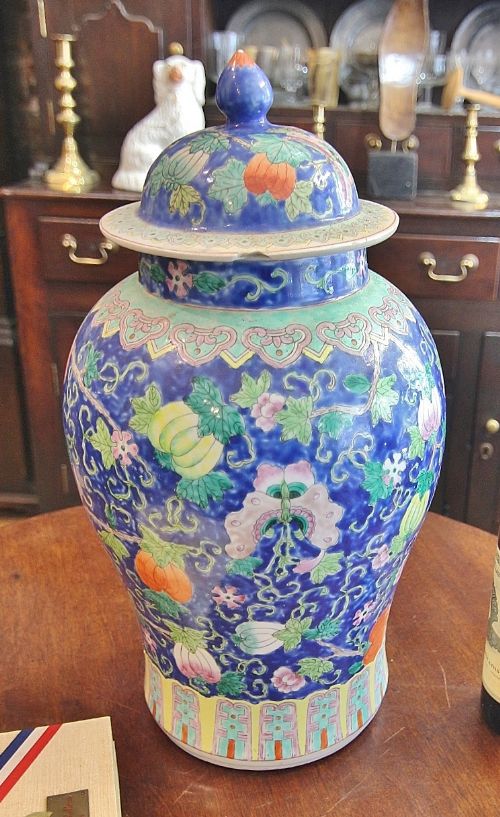

Polychrome Ceramic Jar
A polychrome ceramic jar brings vibrant colour and layered pattern into a room through centuries of global kiln traditions.
Polychrome Ceramic Jar
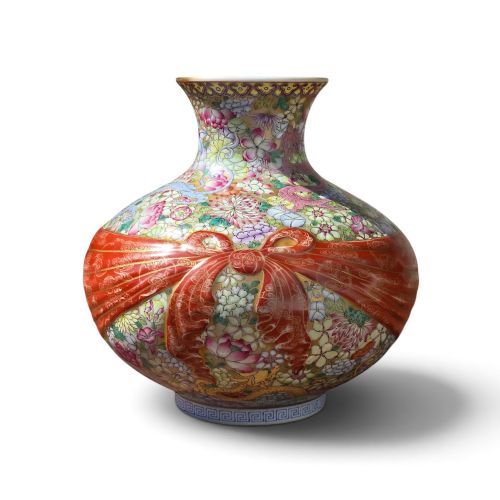
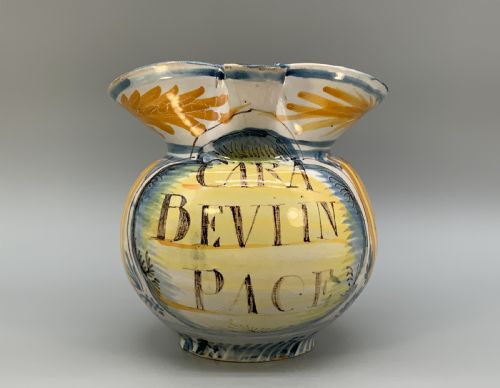
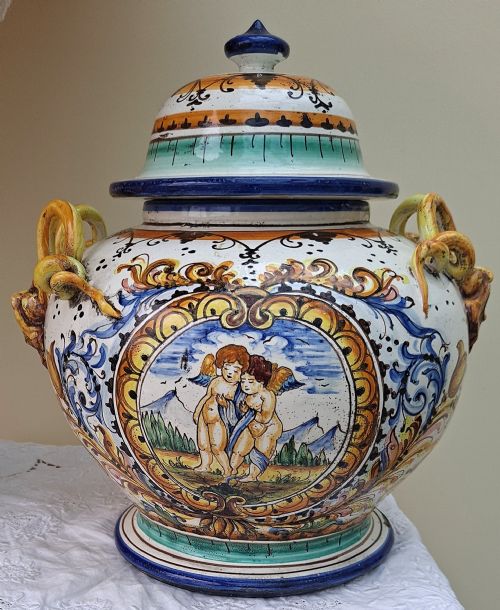
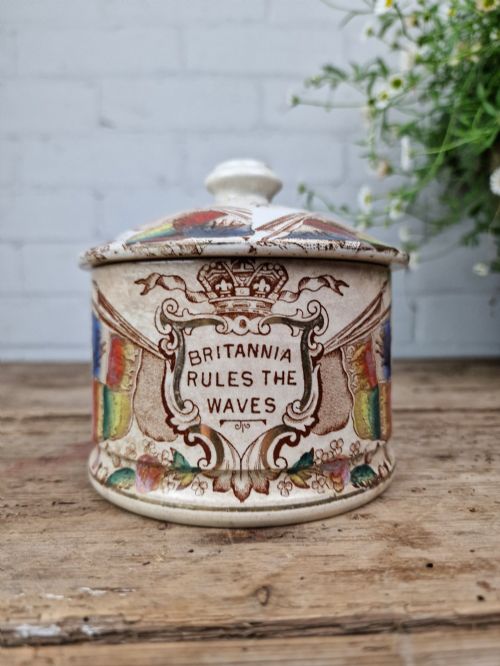
A polychrome ceramic jar combines multiple glaze colours and hand-painted motifs on an earthenware, stoneware, or porcelain body. When searching for a polychrome ceramic jar, collectors encounter everything from apothecary vessels to lidded ginger jars and decorative urns.
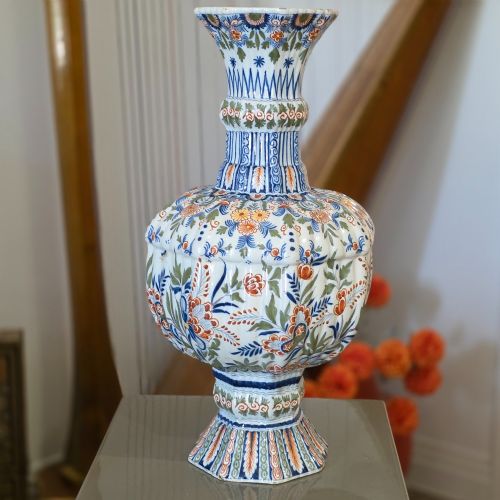
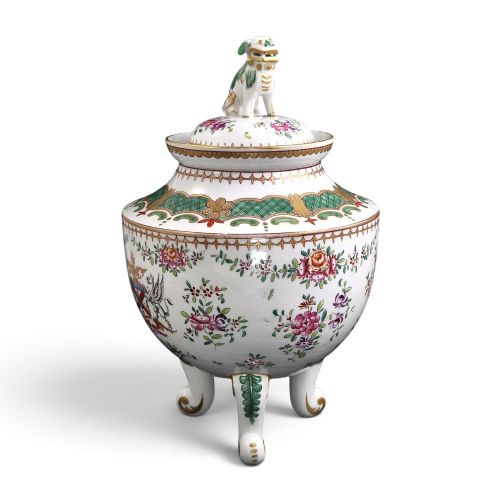
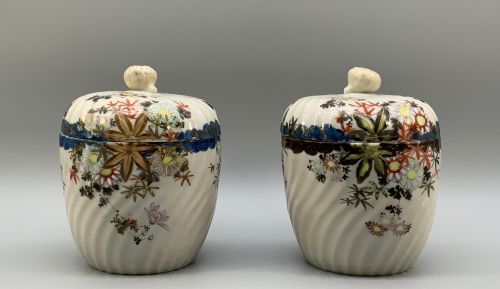
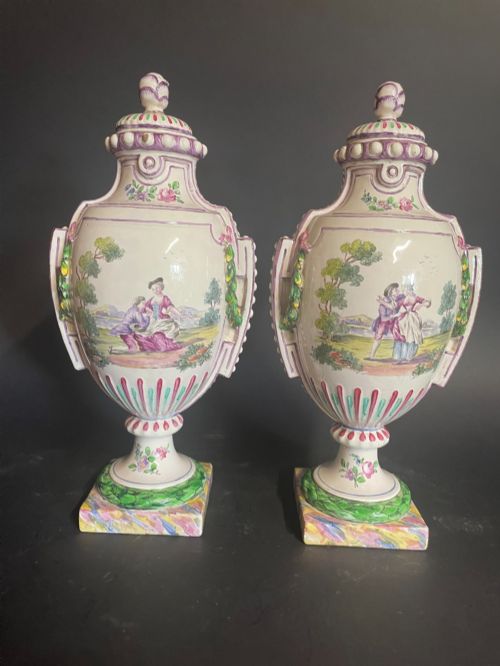
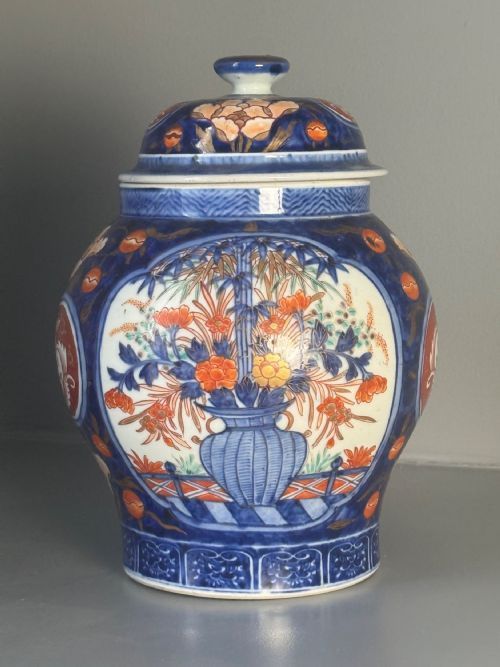
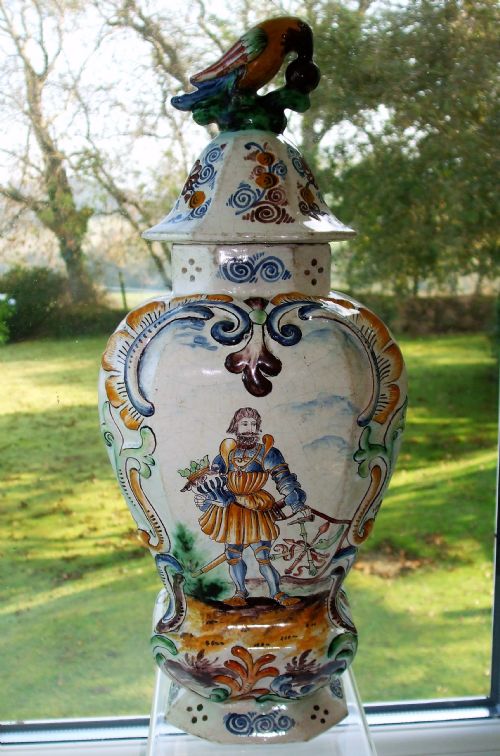
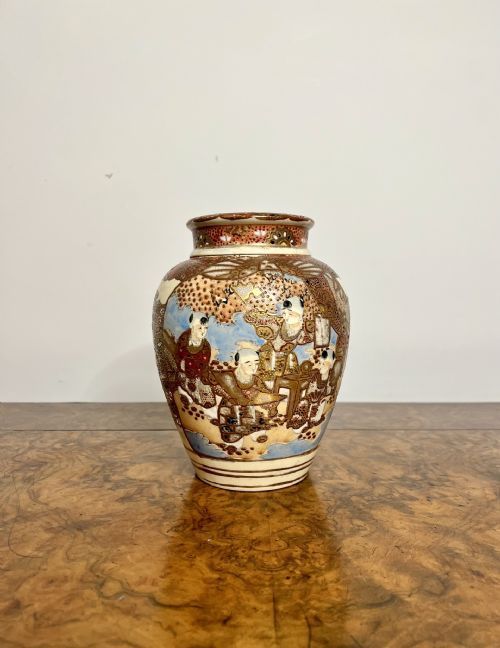
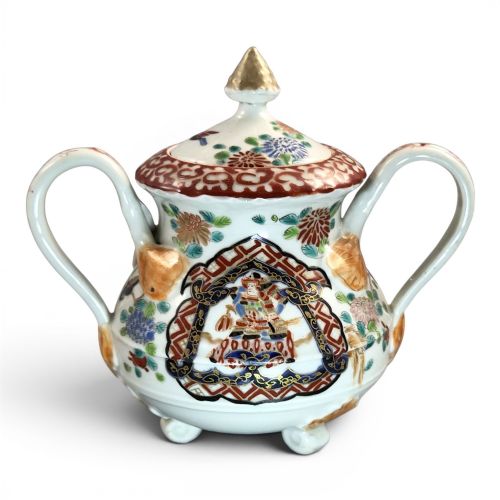
The pieces appearing here span centuries of production, originating from English factories, continental European workshops, and Asian kilns. Japanese Satsuma wares, Chinese famille rose pieces, and Dutch Delft containers feature prominently among the available forms.
Many survivors include fitted covers or serve specific historical functions, such as pharmacy storage or tea preservation. Domestic display remains their primary modern use, placing functional storage vessels into living spaces as decorative focal points.
Materials and methods of construction
Makers shaped these vessels from refined clays, tin-glazed earthenware, or hard-paste porcelain before applying mineral pigments by hand. Tin glaze provided an opaque white background on European faience and majolica, allowing bright metallic oxides to sit crisply on the surface.
Asian ateliers utilised fine-grained ceramic bodies decorated with iron-red, gold leaf, and vibrant enamel colours fixed during multiple kiln firings. British potteries employed ironstone and bone china bodies, decorating the wares with transfer printing supplemented by hand-painted enamel highlights.
Listings feature tin glaze, gold leaf, and enamel across earthenware and porcelain bodies.
Factors determining quality and refinement
Quality rests upon the precision of the brushwork and the complexity of the polychrome palette. Superior examples display crisp outlines, well-balanced compositions, and rich enamel application that sits with depth on the glaze.
The condition of the ceramic body and the retention of delicate overglaze gilding strongly influence desirability. Intact original covers, crisp factory or potter marks, and careful control during high-temperature or muffle kiln firings separate masterworks from standard production.
Royal Worcester·Samson Paris
The Polychrome Ceramic Jar Glossary
- Polychrome
- Decorated in several colours. This term describes ceramics painted with a varied palette of mineral pigments rather than a single monochrome glaze.
- Tin Glaze
- An opaque white glaze containing tin oxide. It creates a smooth surface for hand-painted colours on European faience, delftware, and majolica.
- Albarello
- A cylindrical pharmacy jar designed for storing dry drugs and herbs. These vessels often feature indented waists for easy gripping.
- Famille Rose
- A palette of Chinese porcelain enamels dominated by opaque pink. Introduced in the Qing dynasty, it allowed for subtle tonal gradations in floral and figural scenes.
- Imari
- A style of Japanese export porcelain featuring underglaze blue and overglaze iron-red, green, and gold. The style originated in Arita and gained immense popularity across Europe.
Polychrome Ceramic Jar: Frequently Asked Questions
How were apothecary jars used?
Apothecary jars held dried herbs, ointments, and medicinal syrups in European dispensaries and pharmacies. Their painted labels identified the specific contents required by physicians.
Over time, these utilitarian vessels transitioned from working shops into decorative interior displays as their artistic merit gained recognition among collectors.
What is tin-glazed earthenware?
Tin-glazed earthenware is pottery coated with a lead glaze made opaque by the addition of tin oxide. This technique originated in the Middle East and spread through European production centres like Delft and Sceaux.
The absorbent white surface allowed painters to apply detailed polychrome designs directly onto the unfired glaze before a final kiln melting.
How can I care for an antique ceramic jar?
Display these jars away from direct sunlight to prevent the fading of delicate overglaze enamels and gold leaf. Dust them gently with a dry, soft cloth rather than using liquid cleaners.
Keep lidded vessels secure by lifting the base rather than the cover, as many historical lids fit loosely or lack modern locking mechanisms.