


Polished Brass Scuttle
A polished brass scuttle is a practical hearth accessory designed to hold fuel, bringing bright metalwork to a traditional fireside.
Polished Brass Scuttle
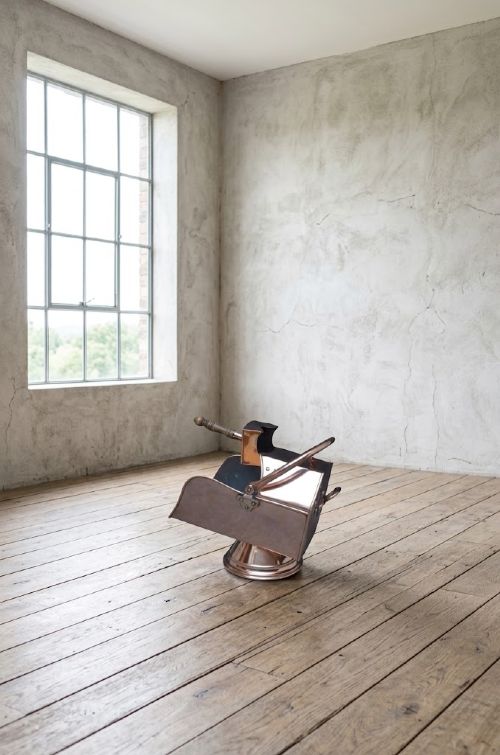
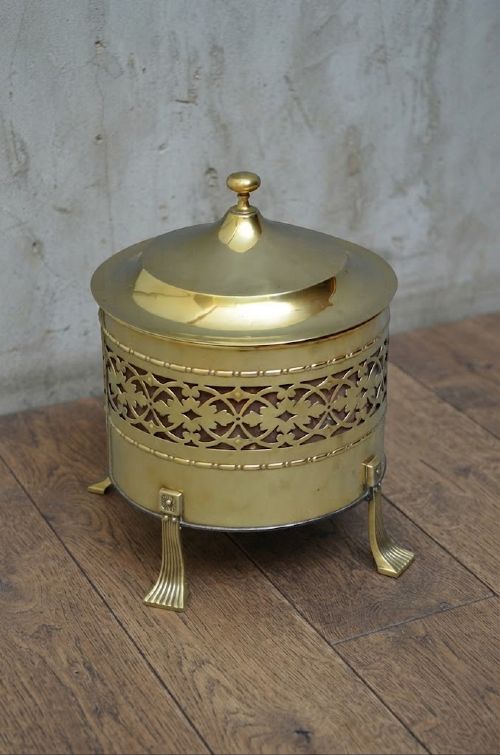
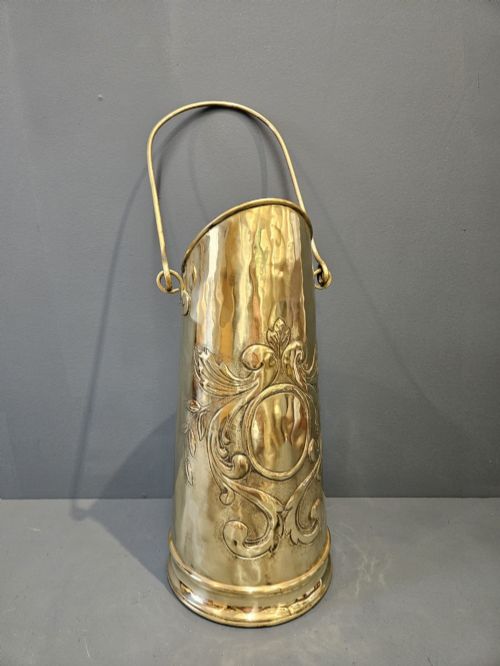
A polished brass scuttle is a hearth accessory designed to store coal, logs, or peat beside an open fire. You will encounter various forms across this selection, including helmet shapes, buckets, purdoniums, and bins.
The pieces span multiple eras, with Victorian and Edwardian examples appearing frequently alongside earlier George III, Regency, and Georgian designs. Makers often combined brass with copper, wood, or iron to create durable containers for daily use.
How they were made
Craftsmen utilised sheet brass and copper, sometimes combining the metals on a single body to create contrast. Many vessels feature riveted construction, while others incorporate decorative fretwork or cast elements.
Handles and liners required sturdy engineering to bear the weight of fuel. Iron and wood frequently appeared in internal components, handles, or associated shovels to provide structural support.
Polished Brass Scuttle Retail Price Guide 2026
Typical asking prices for polished brass scuttle among the pieces listed under this phrase on Sellingantiques today, from the lower quarter to the upper quarter. They describe what is for sale here now, not the wider market.
A German artillery shell from 1915 found a second life as a polished metal container.
What varies in quality
The thickness of the metal sheet and the sturdiness of the construction separate robust examples from lighter ones. Heavier gauge brass and secure riveting indicate better initial manufacture.
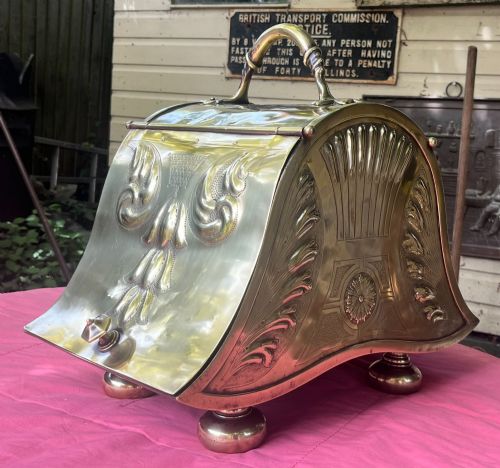
Refinement of design also distinguishes the range. Pieces featuring crisp Art Nouveau ornamentation, Adam style detailing, or original shovels demonstrate greater attention to decorative finish.
BENHAM AND FROUD·William Soutter & Sons
The Polished Brass Scuttle Glossary
- Coal helmet
- A coal scuttle shaped with a flared, sloping rim resembling a traditional helmet, designed for easy pouring. This form is common among George III and Victorian examples.
- Purdonium
- A box-style coal scuttle featuring a drop-down front and an internal liner, often designed in the Adam style. These enclosed containers kept fuel tidy beside the hearth.
- Dinanderie
- A term for various objects made of brass or copper, originating from the Belgian town of Dinant. These items often display decorative surface work.
- Jardiniere
- An ornamental pot or stand intended for holding plants, though frequently repurposed as a log or coal bin. They appear in brass and copper across several periods.
- Trench art
- Decorative or utilitarian objects fashioned by soldiers from military scrap material during wartime. Examples include modified shell cases utilised as metalware containers.
Polished Brass Scuttle: Frequently Asked Questions
What is a polished brass scuttle?
A polished brass scuttle is a metal container used to hold coal, logs, or peat near an open fireplace. They were built to combine utility with decorative metalwork for the domestic hearth.
Over time, these pieces transitioned from purely functional coal carriers into prominent fireside ornaments. Their reflective surfaces helped brighten darker rooms during winter months.
How do I clean polished brass?
Polished brass responds best to gentle cleaning with appropriate metal polishes and soft cloths to maintain its shine without abrasive scratching. Avoid harsh chemical cleaners that can strip historic patinas.
Regular dusting prevents soot and ash buildup from dulling the surface finish. Proper maintenance preserves the bright appearance intended by the original maker.
Can I use an antique scuttle for real coal?
Many antique scuttles retain sturdy metal construction and internal liners suitable for holding solid fuel. However, modern users often line older vessels to protect the historic interior from moisture and abrasion.
Alternatively, these containers function well as dry storage for firewood or kindling. They also serve as decorative planters and umbrella stands in living spaces.
How do I date a brass scuttle?
Dating relies on identifying stylistic details, construction methods, and materials associated with specific periods such as the Georgian, Victorian, or Edwardian eras. Riveting techniques and handle designs often change across these timelines. Nomenclature and maker marks, where present, provide further clues to manufacture dates. Comparing decorative motifs like Art Nouveau curves or Adam style symmetry helps narrow down the origin.