





Polished Brass Bin
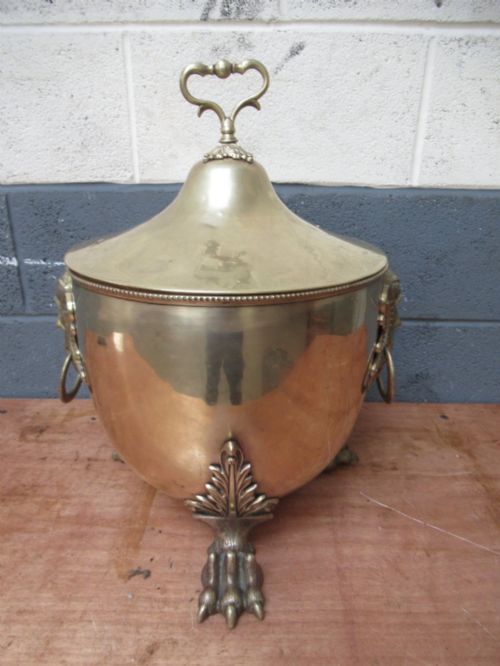
A polished brass bin brings warmth and a reflective shine to the hearth, serving as a practical container for coal, logs or peat.
Polished Brass Bin
A polished brass bin is a functional fireside accessory designed to hold coal, logs, or peat while adding a bright metallic accent to the hearth. Buyers searching for a polished brass bin will encounter various forms ranging from traditional coal buckets and scuttles to jardinieres and umbrella stands.
The examples available span several distinct periods including the Victorian and Edwardian eras, alongside Regency and Adam style pieces. Most items date from the nineteenth and early twentieth centuries, reflecting the domestic utility and metalworking traditions of those times.
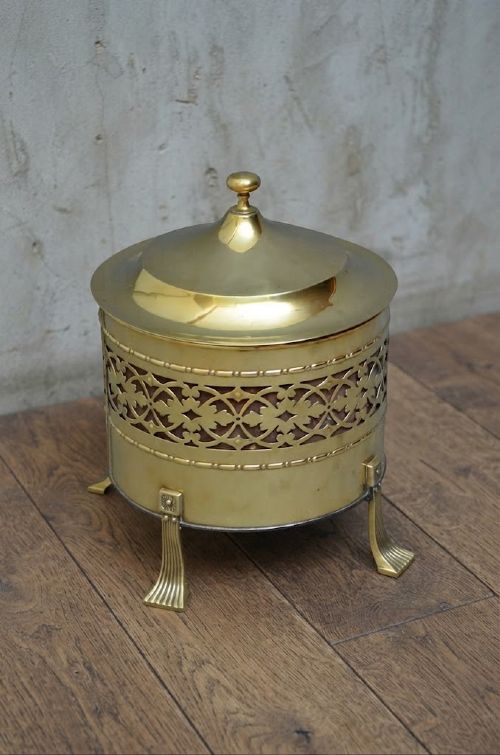
Many of these containers double as planters or log bins, sometimes complete with interior liners for practical use. The forms vary from straightforward cylindrical receivers to ornate buckets featuring fretwork designs and decorative handles.
How they were made
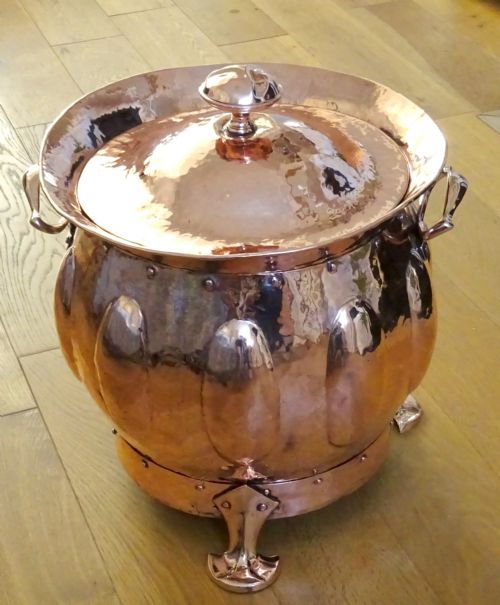
These pieces rely primarily on brass and copper, sometimes paired with wood and iron for structural strength or handles. Metalworkers shaped the sheet brass through beating and joining, creating durable vessels intended for daily fireside service.
Surface treatment defines the finish, with polishing bringing out the bright golden lustre of the metal. Decorative elements such as fretwork and stylized motifs were applied using techniques typical of the Victorian, Edwardian, and Art Nouveau periods.
Polished Brass Bin Retail Price Guide 2026
Typical asking prices for polished brass bin among the pieces listed under this phrase on Sellingantiques today, from the lower quarter to the upper quarter. They describe what is for sale here now, not the wider market.
What varies in quality
Quality rests upon the weight of the metal and the crispness of any decorative detailing, such as fretwork designs or applied mounts. Heavier gauge brass and robust construction indicate a piece built to withstand the heavy daily loads of coal and logs.
William Soutter & Sons
The Polished Brass Bin Glossary
- Coal purdonium
- A specialised metal coal box or scuttle, often featuring a sloping front and a shovel compartment, designed to sit neatly by the fireplace. These pieces were popular during the nineteenth century for domestic coal storage.
- Jardiniere
- An ornamental pot or receptacle, typically made of brass or copper, used to hold plants or flowers. In the context of the fireside, similar vessels often double as log bins or peat buckets.
- Dinanderie
- A term for various objects made of brass, copper, or bronze, named after the Belgian town of Dinant famous for medieval metalworking. It encompasses decorative vessels and containers hammered or cast in base metals.
- Fretwork
- An ornamental design created by cutting patterns through the metal sheet, often seen around the rim or body of Edwardian coal buckets. This technique lightened the visual weight of the container while adding decorative flair.
- Liner
- A removable inner vessel, usually made of metal, placed inside a coal bucket or planter to protect the outer brass from moisture and debris. Original liners enhance the completeness and utility of the piece.
Polished Brass Bin: Frequently Asked Questions
What is a polished brass bin used for?
These metal vessels were primarily manufactured to store coal, logs, or peat beside an open fireplace. Their bright reflective surfaces also made them popular as decorative jardinieres or umbrella stands in period hallways.
Over time, many owners have repurposed these sturdy containers as indoor plant holders or general storage bins. Their combination of utility and decorative metalwork ensures they remain versatile accessories in contemporary rooms.
How do I date a brass coal bucket?
Dating relies upon observing the construction methods, the style of decoration, and materials such as iron or wood fittings. Pieces stamped or associated with specific makers offer a clearer timeline.
Stylistic cues also help narrow down the period, ranging from the classical restraint of Regency and Adam style pieces to the flowing lines of Art Nouveau items from the early twentieth century. Comparing handles, feet, and edge finishes against known period examples confirms the era.
Are brass bins difficult to maintain?
Maintaining a polished finish requires occasional cleaning with a suitable metal polish to remove tarnish and restore the golden shine. Many collectors prefer to leave a natural aged patina to show the object's history.
Regular dusting and keeping the interior dry, especially if used with a liner, prevents corrosion. Gentle care preserves both the metal surface and any delicate fretwork.
Did these bins come with liners?
Many period coal buckets and planters originally included a removable metal liner to catch dirt and moisture. These liners protected the decorative outer brass from the abrasive nature of coal and wet logs.
Finding a piece with its original liner is a notable bonus for completeness. Replacements are sometimes used when the original has worn away through decades of fireside use.