
Pocket Watch Chain Fob
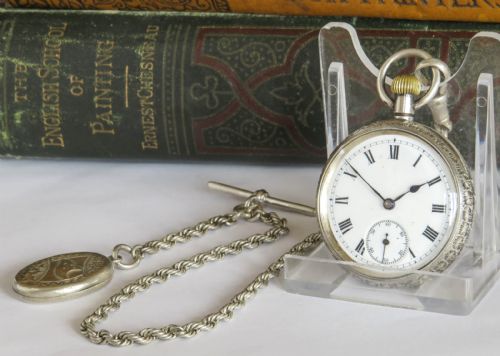
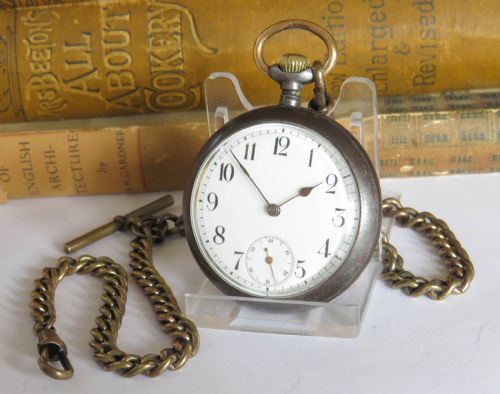
A pocket watch chain fob secures and decorates the timepiece once tucked safely into a waistcoat pocket.
Pocket Watch Chain Fob
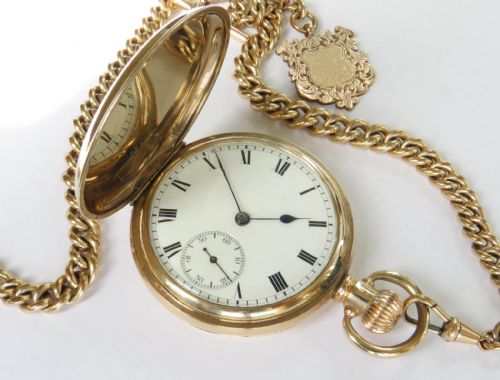
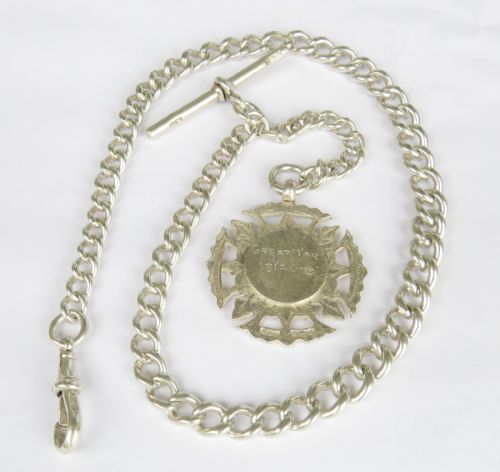
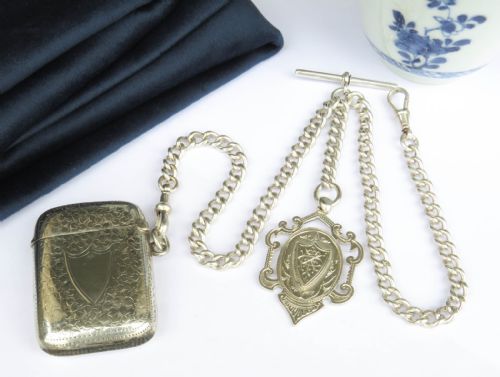
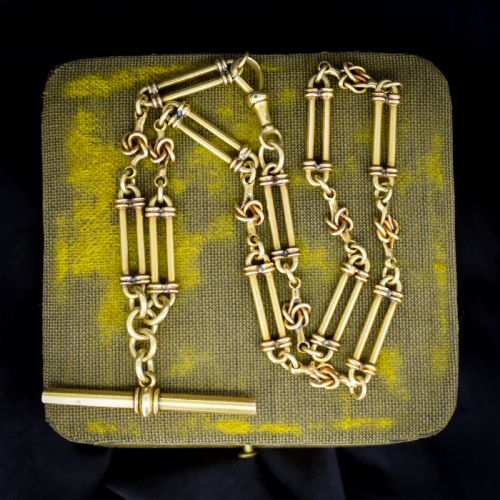
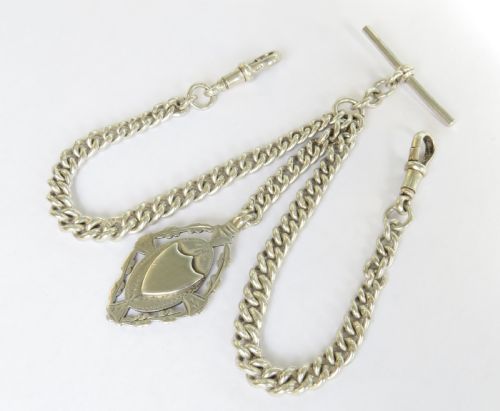
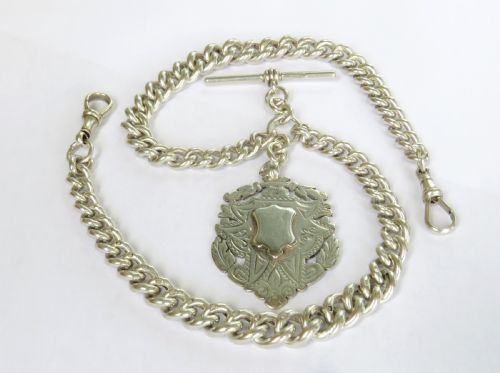
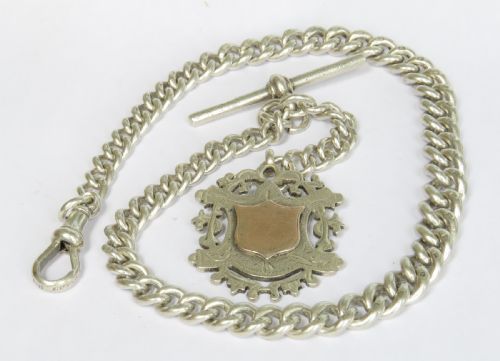
A pocket watch chain fob brings together functional chains and decorative pendants, originating primarily from the Victorian and Edwardian eras through to the 1930s. When searching for a pocket watch chain fob, buyers encounter substantial silver albert chains, delicate gold albertinas, and varied dangling medals or seals.
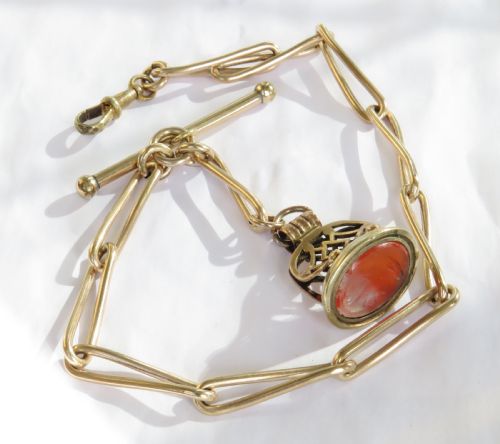
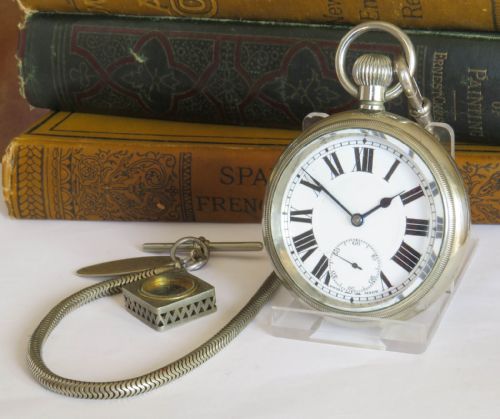
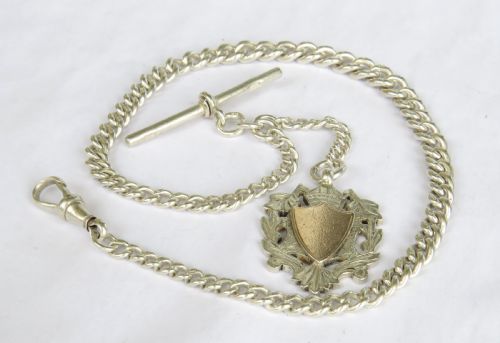
Most items on this page pair sterling silver or rolled gold chains with specific thematic fobs, ranging from compasses and stamp cases to sporting medallions and intaglios. These pieces reflect personal histories, club memberships, and everyday timekeeping habits of the late nineteenth and early twentieth centuries.
The assortment spans single and double albert configurations designed to span buttonholes, alongside shorter lengths adapted into modern necklaces. Collectors find both plain utility chains and ornate variations set with enamel, glass, or precious metals.
Materials and Construction
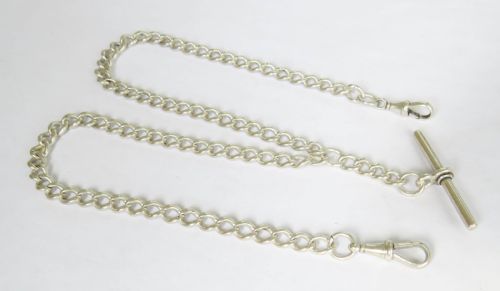
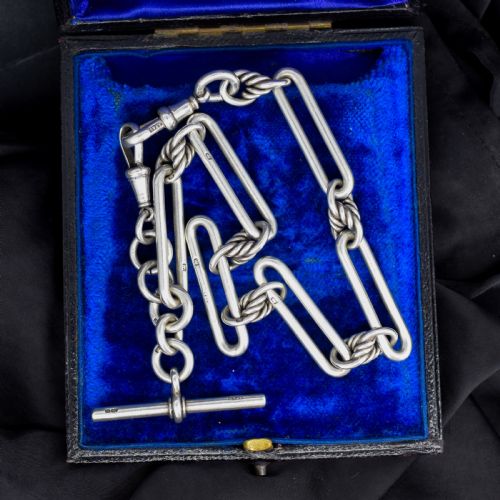
Silversmiths and goldsmiths constructed these chains predominantly from solid sterling silver or rolled gold, utilising durable link patterns such as curb, trombone, and figaro. Individual links are securely soldered and connected by swivels and T-bars designed to withstand daily wear.
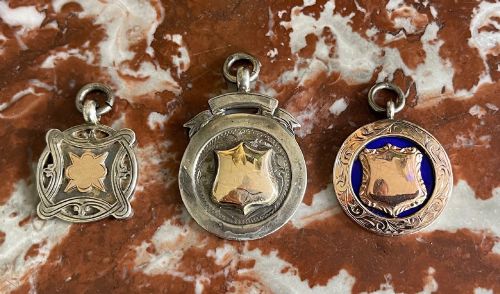
Decorative fobs incorporate stamped sheet metal, cast silver components, and hand-set elements like glass intaglios or enamel work. Hallmarks stamped onto individual links and fob bezels provide clear records of assay offices and manufacturing years.
Distinctions in Quality
Quality rests upon the weight of the metal, the integrity of the links, and the clarity of the maker marks and hallmarks. Heavy gauge silver and thick rolled gold layers retain their structural form and decorative engraving far better over decades of handling.
The artistry found in the attached fob medallion elevates a piece, distinguishing standard mass-produced items from finely detailed sporting, military, or masonic commissions. Original matching components and crisp, unrubbed hallmarks indicate superior preservation.
Crisford and Norris
The Pocket Watch Chain Fob Glossary
- Albert chain
- A heavy watch chain designed to go across a waistcoat front, named after Prince Albert. It typically fastens with a T-bar through a buttonhole.
- Albertina
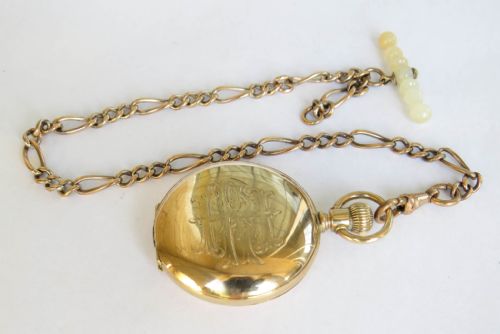
- A finer, more delicate version of the albert chain, often multi-stranded and traditionally worn by women as a bracelet or short necklace.
- T-bar
- The short transverse bar at the end of a watch chain used to secure the chain through a waistcoat buttonhole.
- Fob
- A small ornament, medal, or seal attached to a pocket watch chain. They often commemorated clubs, military service, or personal achievements.
- Intaglio
- A gem or glass stone carved with a design sunken beneath the surface, commonly used in swivel seals attached to watch chains.
- Full hunter
- A pocket watch fitted with a spring-loaded metal cover that protects the glass face from scratches.
Pocket Watch Chain Fob: Frequently Asked Questions
How do I wear a pocket watch chain today?
Many buyers wear shorter chains or albertinas as necklaces around the neck, utilising the existing spring rings and T-bars as part of the clasp system. Others attach the T-bar through a lapel or pocket buttonhole on a jacket to display the chain and fob traditionally.
The durability of sterling silver and rolled gold makes these pieces suitable for regular daily wear, provided the swivel clips and links are checked for security.
What is the difference between an albert and an albertina?
An albert chain is heavier and constructed with robust single or double curb, trombone, or figaro links intended for men's waistcoats. An albertina is a much lighter, often multi-strand variant created with delicate sliding beads and tassels.
While both served to secure pocket watches, albertinas were frequently worn as bracelets or delicate neck chains during the Victorian period.
What do the different fob designs signify?
Fobs often represent specific aspects of the original owner's life, including sports club memberships, military regiments, railway companies, or masonic lodges. Enamelled shields, engraved shields, and miniature books or compasses were common choices.
Agricultural, cricket, and shooting club fobs display detailed motifs that reveal the specific hobbies and associations of Edwardian and Victorian owners.
How can I date a silver watch chain?
British silver watch chains and fobs usually feature assay office hallmarks stamped directly onto the links, the T-bar, or the fob bezel. These marks include a letter indicating the exact year of assay, alongside the lion passant for sterling silver.
Matching hallmarks across multiple components suggest the chain and fob were put together as a unified set by the original maker.