

Pocket Match Striker
A pocket match striker is a portable container designed to keep matches dry and ignite them on an integrated abrasive surface.
Pocket Match Striker
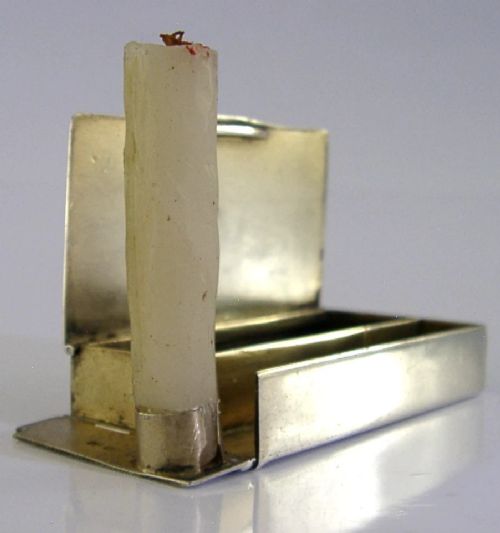
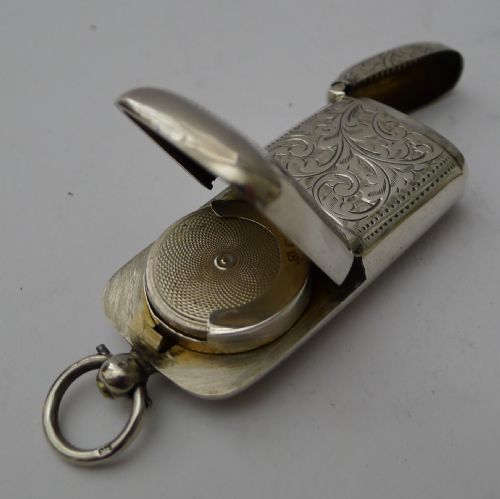
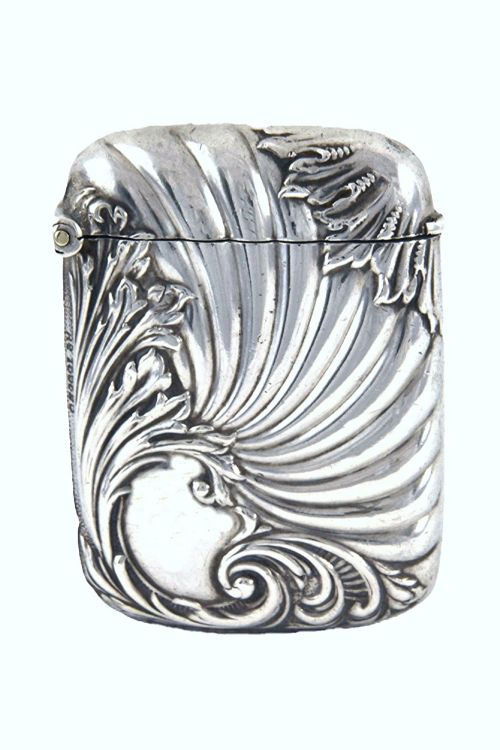
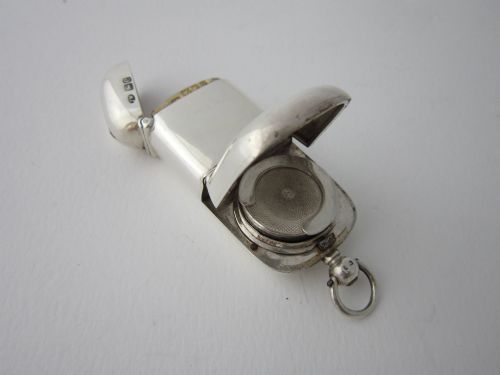
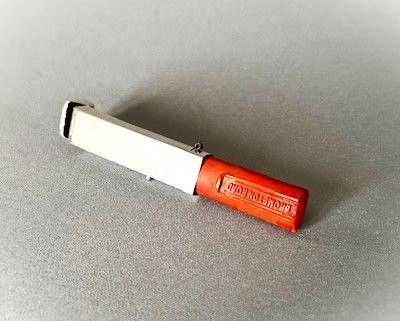
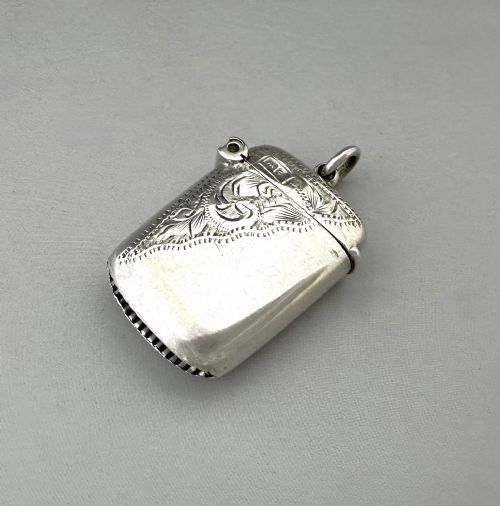
When you search for a pocket match striker, you are looking at small personal containers that twentieth-century and Victorian gentlemen and ladies carried for lighting cigars, cigarettes, or candles. These pocket match strikers appear primarily as silver vesta cases, alongside combination pieces that house sovereigns, wax tapers, or photographs. The versions most commonly met on this page date from the Victorian and Edwardian eras, spanning regional English assay offices like Birmingham and Chester.
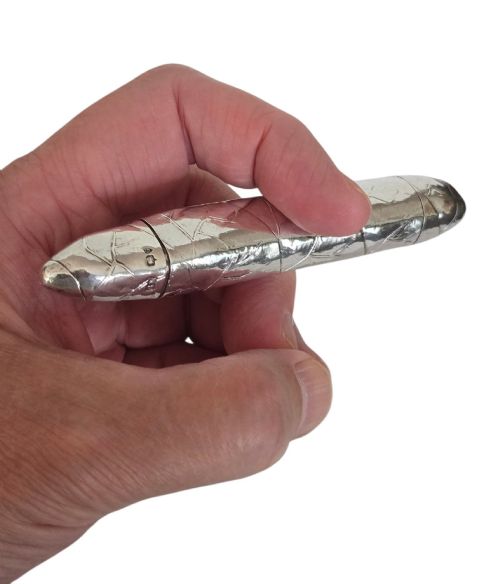
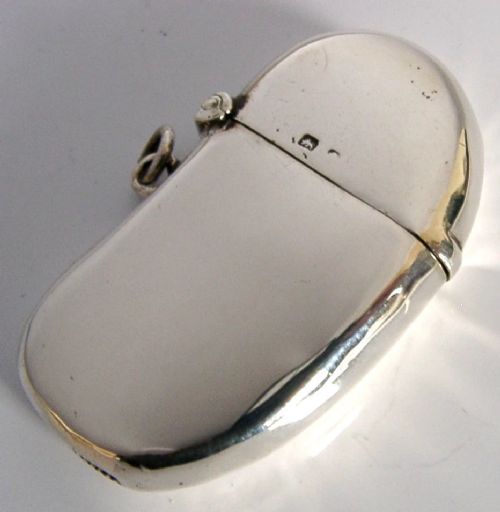
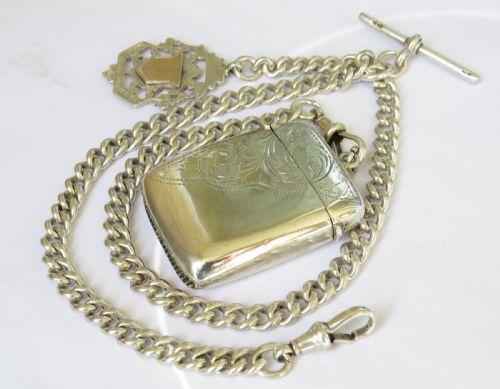
Beyond standard rectangular shapes, makers formed pocket match strikers into novelty silhouettes including animals, boots, sarcophagi, and kidney beans. Many examples integrate structural compartments for stamps, watch chains, or tinder tubes, reflecting the personal utility demanded by their original owners. Survival rates favour sterling silver construction, though steel, enamel, and papier mâché variants occasionally surface in the record.
How they were made
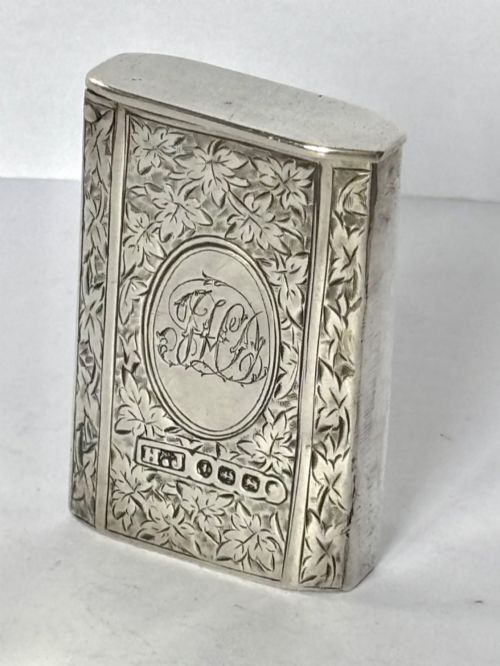
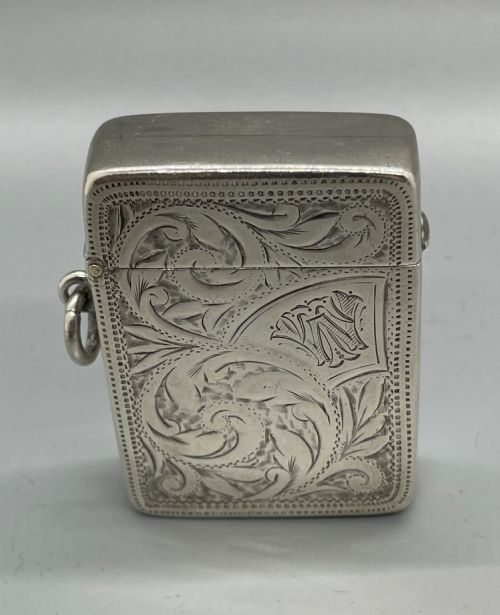
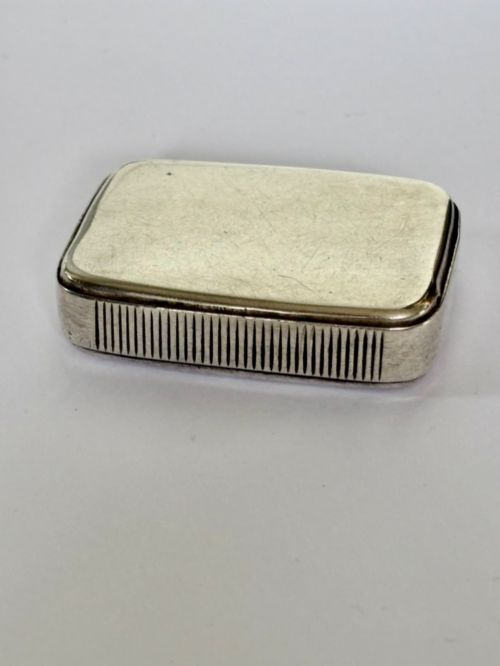
Silversmiths constructed pocket match strikers predominantly from sterling silver, shaping sheet metal through pressing, folding, and soldering to create hinged lids and hollow bodies. The integral striker surface typically consists of a ribbed, milled, or cross-hatched patch incorporated directly into the base or side of the metal case. Artisans applied hallmarks stamping assay office symbols, date letters, and maker marks into the interior rims or exterior panels.
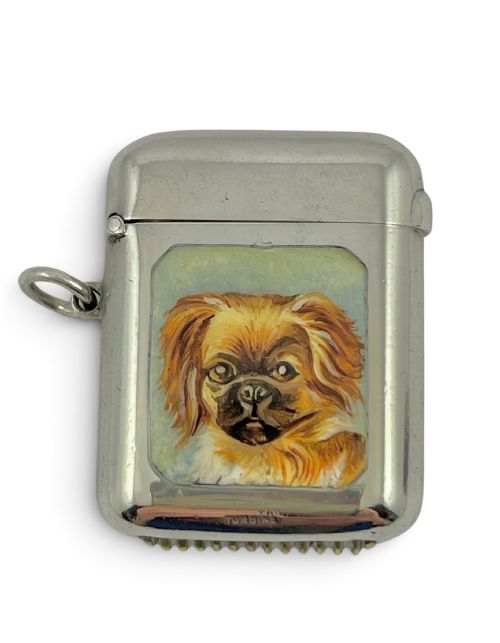
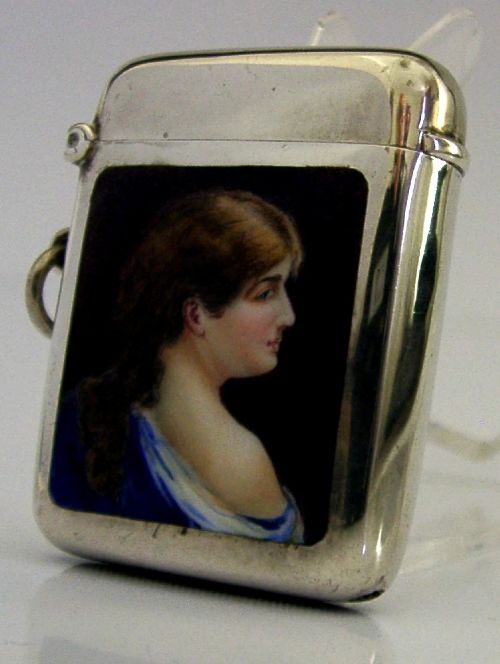
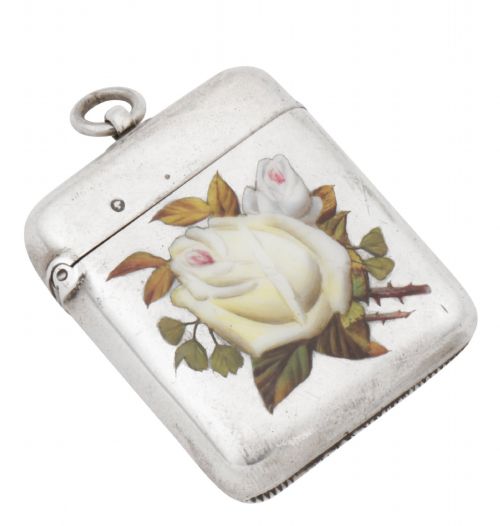
Decorative finishes on pocket match strikers involved hand engraving, applied enamel crests, and silver gilt interiors. Novelty forms required specialised casting and modelling techniques to shape silver into figurative subjects such as elephants, cats, and double-ended cigars. Painted vitreous enamel panels were fused to the metal surface to display floral motifs or heraldic designs.
Pocket Match Striker Retail Price Guide 2026
Typical asking prices for pocket match striker among the pieces listed under this phrase on Sellingantiques today, from the lower quarter to the upper quarter. They describe what is for sale here now, not the wider market.
The listings on this page span the Victorian, Edwardian, and George V periods, executed primarily in sterling silver.
What varies in quality
The distinction between standard production pocket match strikers and exceptional examples lies in the ambition of the design and the crispness of execution. Novelty animal forms and detailed hand-painted enamel work represent a higher tier of craftsmanship than plain rectangular cases. Crispness in the milling of the striking surface and the structural integrity of the spring-loaded hinge determine the functional preservation of each piece.
Maker attribution also elevates certain pocket match strikers, with pieces bearing marks from renowned workshops commanding greater interest. The complexity of combination pieces, such as those housing sovereign holders or wax taper mechanisms, demonstrates superior manufacturing capability compared to single-purpose containers.
Sampson Mordan & Co·A & J Zimmerman·William Neale·Minshull & Latimer·William Hair Haseler·Alfred Clark·Howard James
The Pocket Match Striker Glossary
- Vesta Case
- A small pocket container designed to hold matches, known as vestas, equipped with a striking surface. These cases date predominantly from the nineteenth and early twentieth centuries.
- Wax Taper
- A slender wax-coated wick used to transfer a flame from a match to a candle or pipe. Some combination cases incorporate a compartment specifically for these tapers.
- Sovereign Case
- A small circular pocket holder sized to fit British gold sovereign coins. Many pocket match strikers were manufactured as dual-purpose combination cases housing both coins and matches.
- Silver Gilt
- Silver that has been coated with a thin layer of gold on its interior or exterior surfaces. This technique protected the silver from tarnishing when exposed to matches and tobacco.
- Hallmark
- An official stamp applied to precious metals indicating the purity, assay office, and year of manufacture. British pieces typically display a standard mark, city mark, and date letter.
Pocket Match Striker: Frequently Asked Questions
What is a vesta case?
A vesta case is a small portable box designed to hold safety matches and provide a rough surface for striking them. Victorians carried them daily to keep their matches dry in damp weather.
These accessories were typically attached to watch chains or carried loose in waistcoat pockets. They represent a distinct era of personal pocket hardware before disposable lighters became common.
How do I date a silver vesta?
You date a silver vesta by examining the hallmarks stamped into the metal, which include a specific letter corresponding to the year of assay. Assay office symbols, such as an anchor for Birmingham or three wheat sheaves for Chester, identify where the piece was tested.
Maker marks alongside these stamps reveal the silversmith or firm responsible for production. Comparing these punches against standard assay tables gives an exact year of manufacture.
What is a combination vesta?
A combination vesta is a multi-functional pocket accessory that pairs a match container with another everyday item like a coin holder, stamp case, or photograph frame. These pieces allowed owners to carry multiple pocket essentials in a single housing.
Common variations include dual compartments for gold sovereigns and matches, or integrated tubes for holding wax tapers. Their complex internal mechanics reflect high levels of Victorian silversmithing.
How were matches struck on them?
Matches were struck against a cross-hatched or milled textured section integrated directly into the metal base or side of the case. This abrasive panel provided enough friction to ignite early sulphur and phosphorus matches.
The striker area is frequently worn down on older pieces from repeated use against match heads. Collectors look for crisp milled lines that indicate minimal wear over the decades.