
Pocket Match Holder
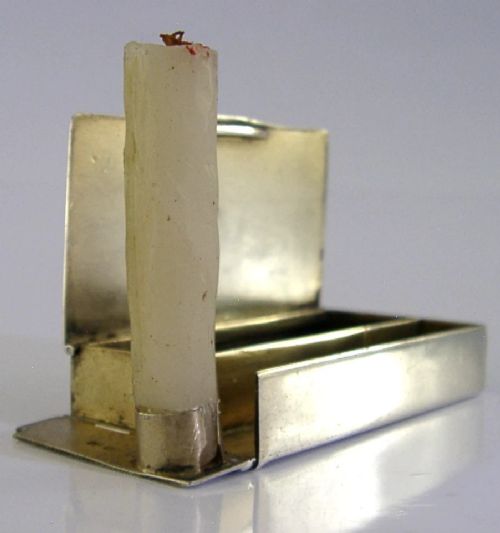
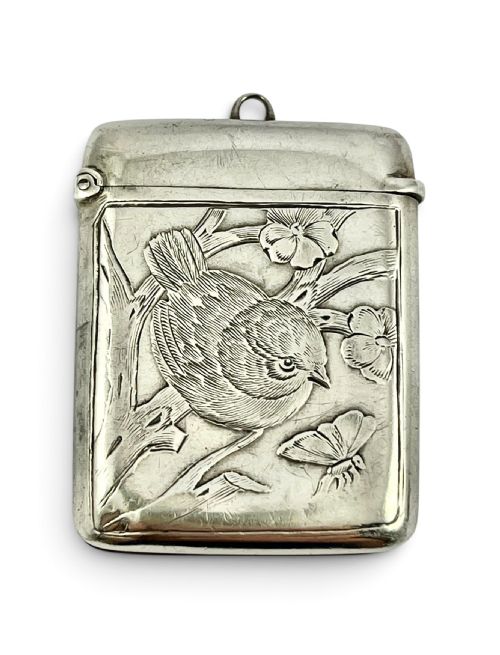
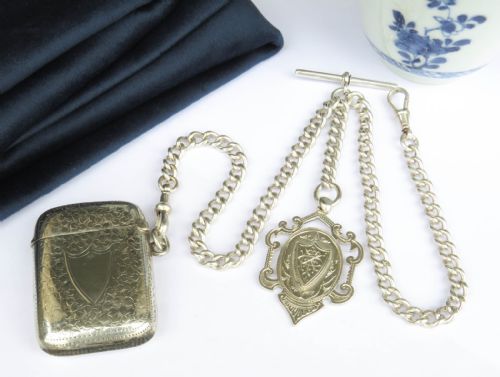
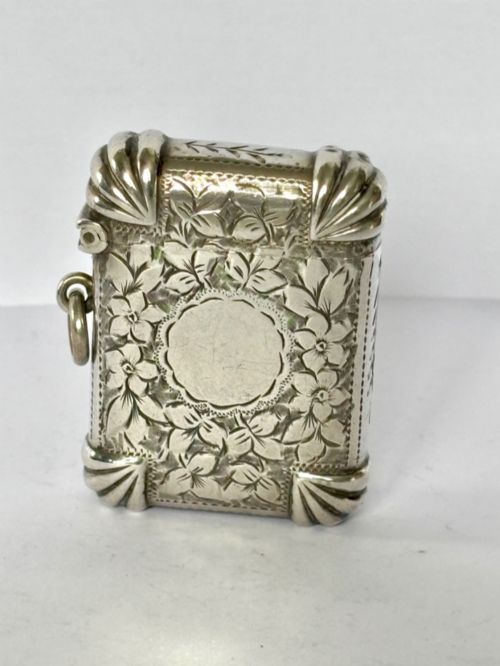
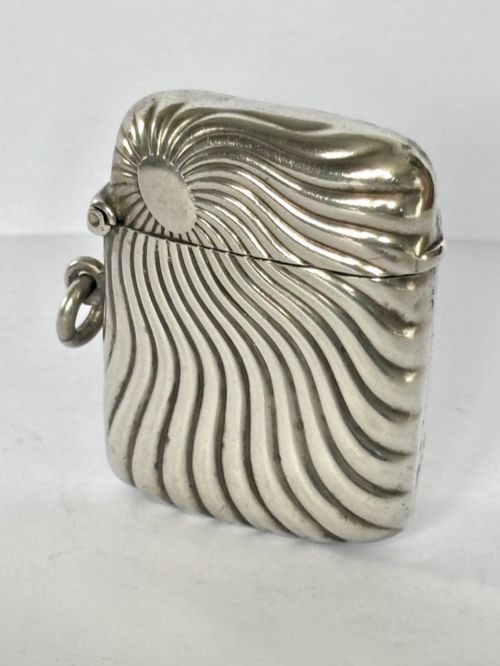
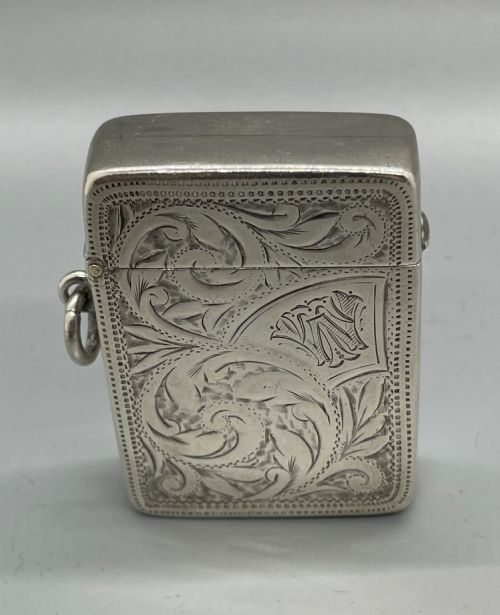
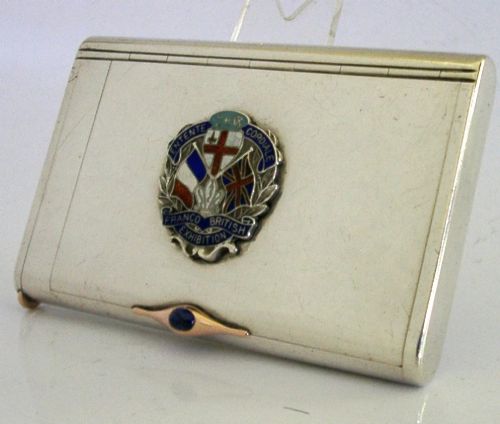
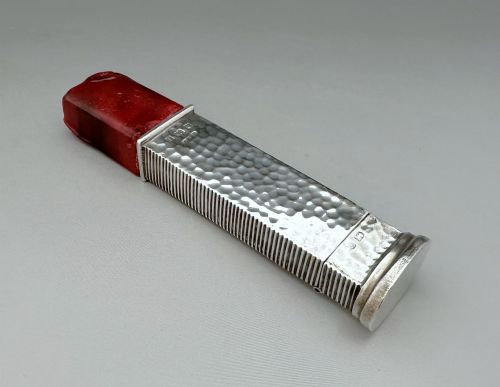
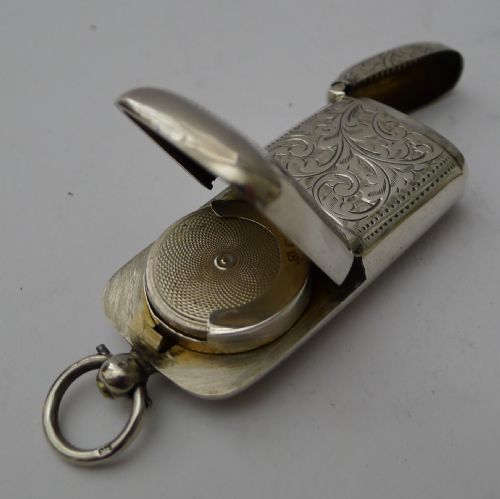
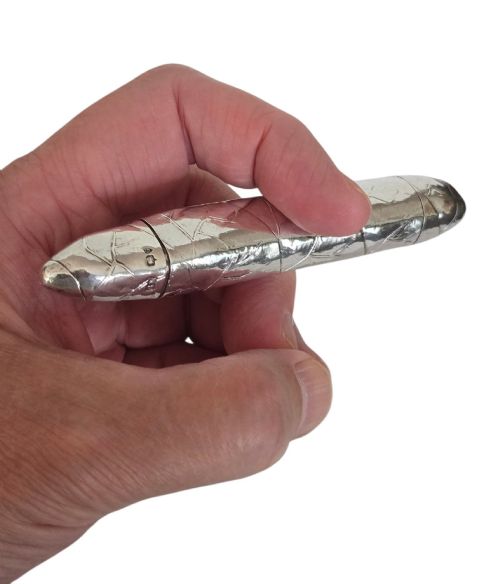
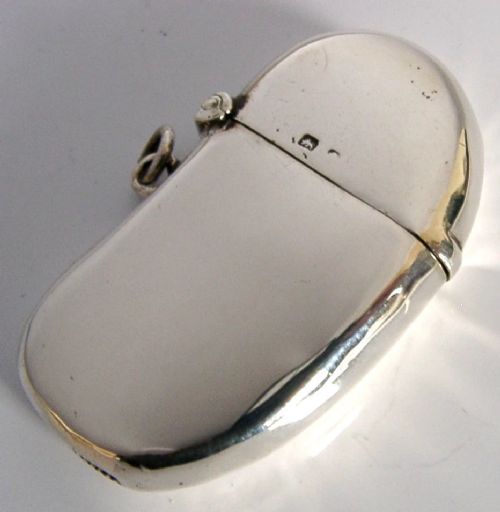
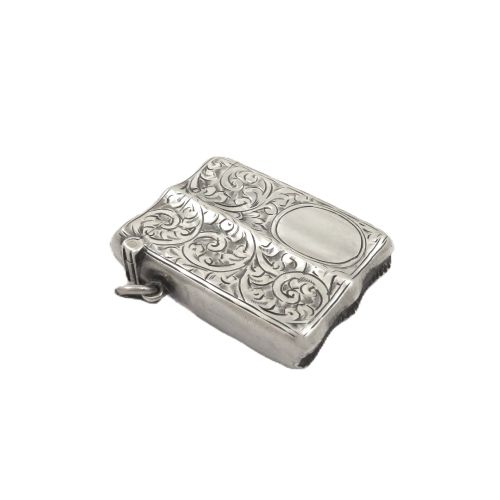
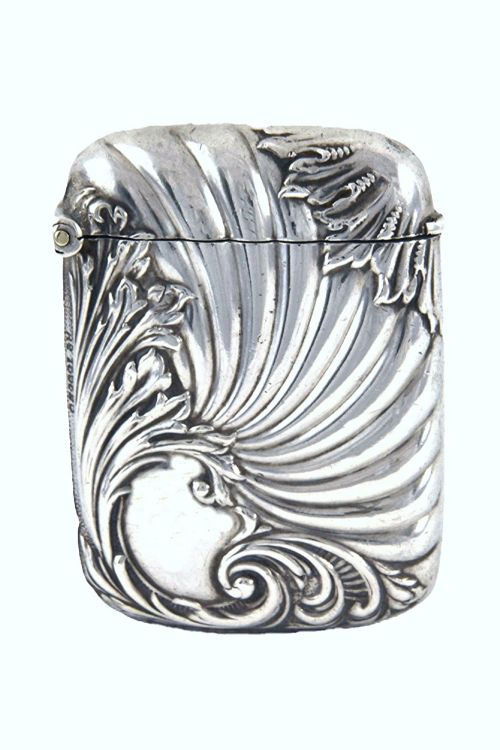
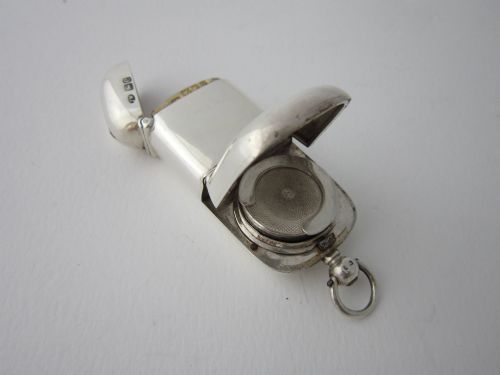
These pocket match holder examples, also known as vesta cases, are small metal containers designed to carry matches securely in a waistcoat pocket.
Understanding pocket match holder forms
A pocket match holder takes the form of a small metal container, frequently called a vesta case, designed to safeguard wax matches during the Victorian and Edwardian eras. These portable objects emerge from periods spanning the late nineteenth century through to the early decades of the twentieth century, reflecting the daily habits of smokers and travellers who required a safe method to carry combustible vestas.
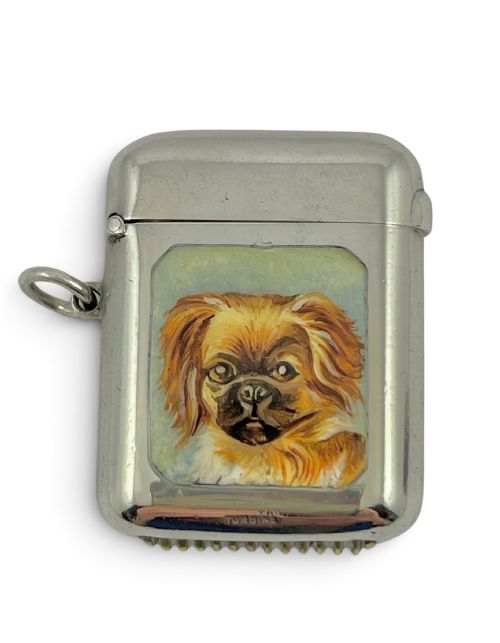
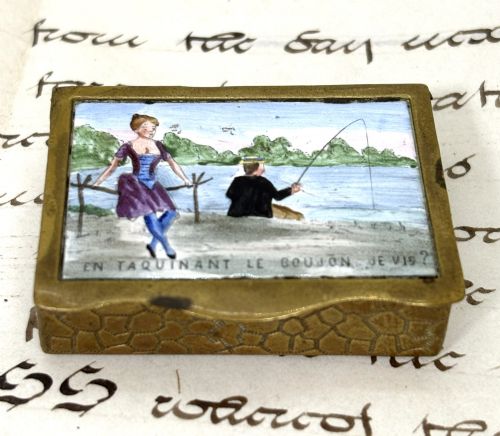
The pieces listed on this page encompass sterling silver and enamel designs, featuring heart shapes and hand-painted floral motifs such as yellow and white roses. Alongside standard rectangular vesta cases, the wider record includes papier mache wall pocket match holders and strikers, demonstrating both pocket-worn and domestic varieties.
Collectors encounter items produced across distinct stylistic movements including Victorian, Edwardian, and Arts & Crafts designs. Assay offices such as Chester and Birmingham mark many of these silver containers, tying specific pieces to documented workshops and years like eighteen eighty-eight, eighteen ninety-five, and nineteen hundred.
Materials and construction
Silversmiths constructed the primary body of these pocket match holders using sterling silver, beaten and formed into hinged cases with integrated strike lines on the base. Vitreous enamel and hand-painted decoration added colour and intricate botanical detail to the metal surfaces, particularly on Edwardian examples.
Papier mache formed the substrate for larger wall-hanging pocket match holders, providing a lightweight yet sturdy base for decorative finishes and striking surfaces. Makers employed traditional metalworking techniques, including stamping, engraving, and hand-painting, to finish each individual piece.
Retail Price Guide 2026
Typical UK retail prices for pocket match holder, calculated from the Sellingantiques database of over a million retail prices indexed since 2003. This retail price guide relies exclusively on Sellingantiques data; no external sources or auction records are used, so the figures do not describe the wider market.
Some pocket match holders were shaped precisely like hearts, adding a sentimental touch to an everyday smoker's accessory.
Assessing quality in pocket match holders
The refinement of the hand-painted enamel decoration and the crispness of the chased or engraved silver surfaces distinguish finer examples from standard production pieces. Superior items display meticulous attention to detail in floral subjects like roses, alongside well-preserved surface colour.
Structural integrity, particularly the strength of the hinge and the precise closure of the lid, separates better-made vesta cases from heavily worn counterparts. Maker marks and clear assay office stamps provide additional distinction, indicating documented workshop origins.
Robert Pringle·William Neale·J.B. Bennet
The Pocket Match Holder Glossary
- Vesta case
- A small pocket container designed to hold matches, known colloquially as a pocket match holder. These devices kept wax vestas dry and prevented accidental ignition in the pocket.
- Sterling silver
- A silver alloy containing ninety-two point five percent silver by mass, forming the primary metal used for the majority of these antique containers.
- Vitreous enamel
- Glass fused to the surface of the metal through firing, creating a durable and colourful decorative layer on select match holders.
- Assay mark
- A stamp applied to precious metals indicating the standard of purity, the assay office location, and the year of testing.
- Arts and Crafts
- A design movement prioritising traditional craftsmanship and simple forms, represented among these pieces through distinct stylistic choices.
Frequently Asked Questions
What is a pocket match holder?
A pocket match holder is a small metal container, historically termed a vesta case, built to carry matches safely in a pocket.
These pieces protected delicate wax matches from moisture and friction during daily transport.
What materials are used?
Most examples consist of sterling silver, sometimes embellished with vitreous enamel and hand-painted floral decoration.
Alternative materials like papier mache appear in wall-mounted pocket match holders.
How do I date a vesta case?
Assay office marks and date letters stamped directly onto the silver provide precise manufacturing years.
Stylistic indicators such as Edwardian enamel work or Arts and Crafts motifs also help narrow the period.