

Pocket Collectable
Pocket collectable pieces are portable objects spanning centuries, offering miniature mechanics and everyday craftsmanship for modern display.
Pocket Collectable
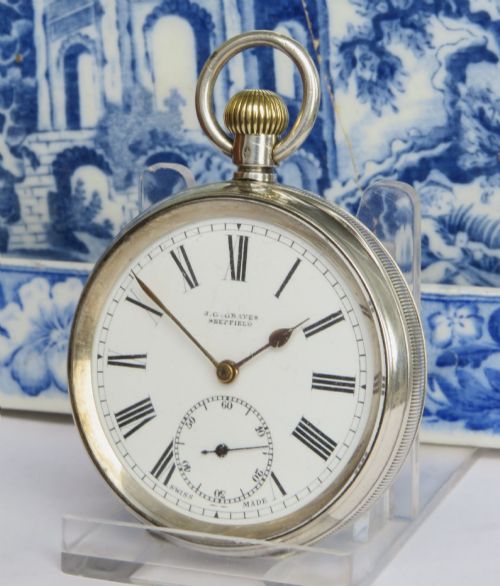
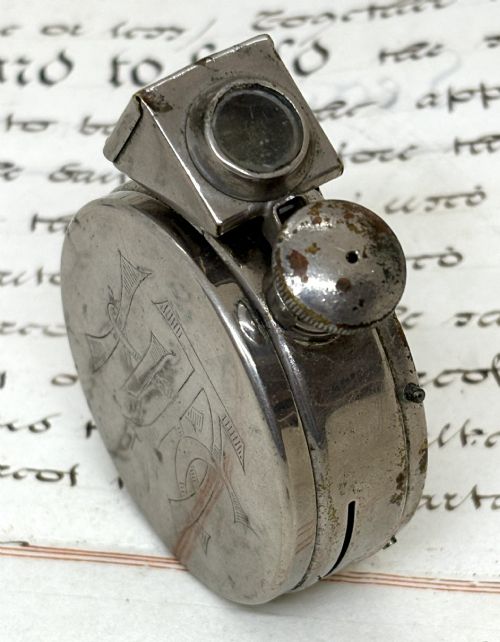
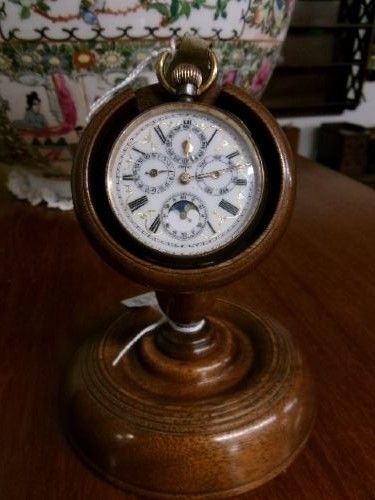
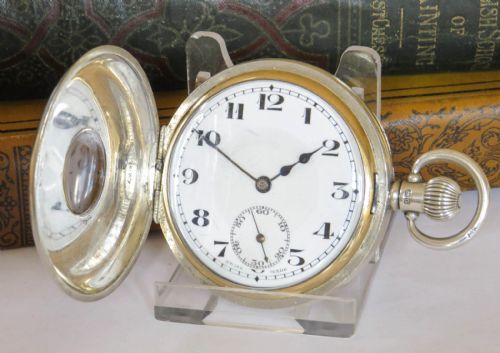
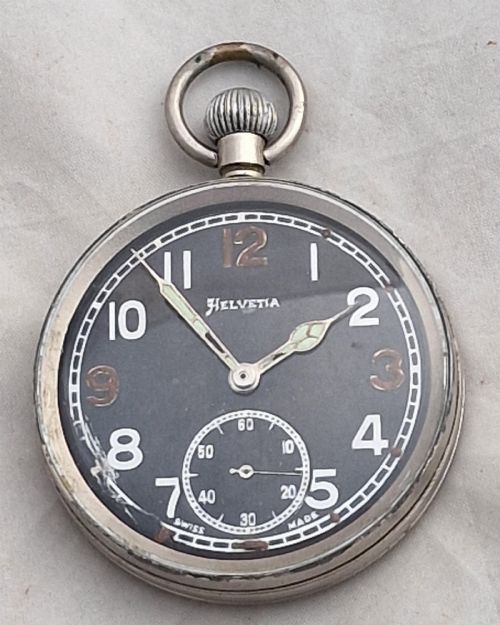
A pocket collectable covers a diverse group of portable historical items designed to be carried or held in the hand, encompassing everything from timepieces and personal accessories to small implements. When searching for a pocket collectable, buyers encounter varied functional objects produced across multiple eras, ranging from Georgian pocket pistols and nutmeg graters to Victorian vesta cases, snuff boxes, and early twentieth-century pocket watches.
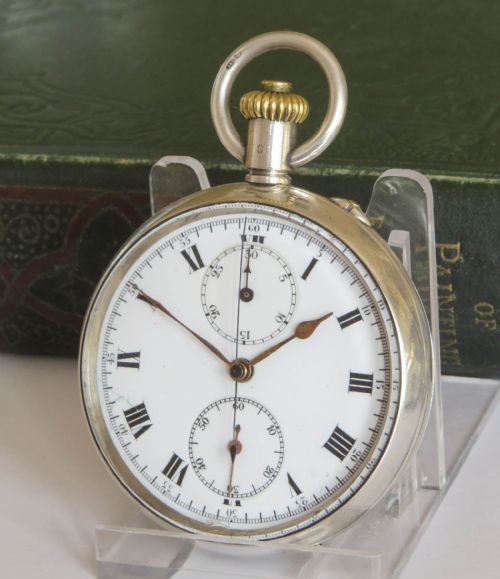
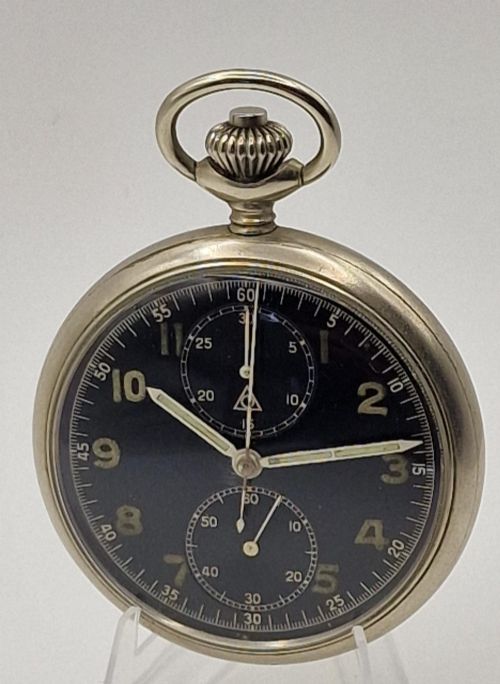
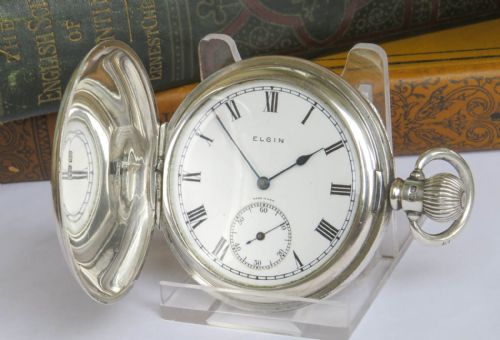
The objects represented span the Georgian, Victorian, Edwardian, and early twentieth-century periods, showing how daily utility intersected with decorative arts. Common forms include pocket watches by makers such as Waltham, Elgin, and Cyma, alongside percussion pistols, brass barrel overcoat pistols, vesta cases, and travelling mirrors.
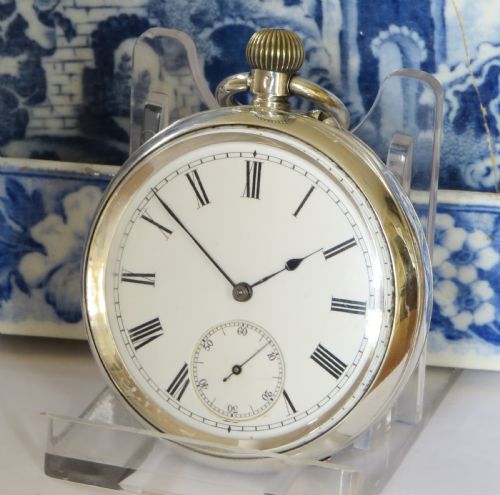
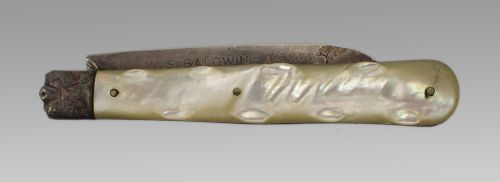
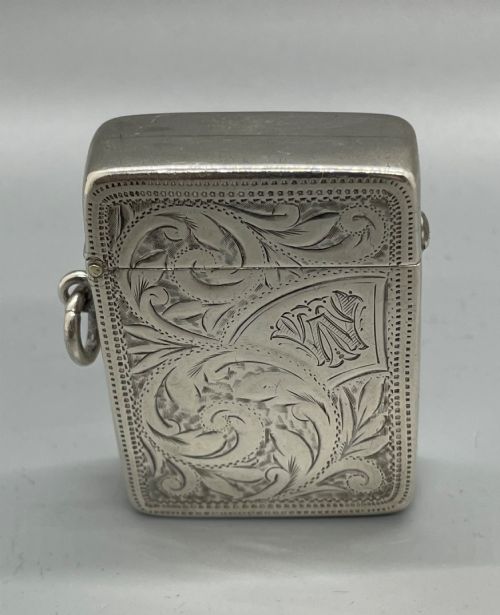
Buyers are most likely to meet silver pocket watches, silver vesta cases, and pocket knives made from materials like steel, brass, and tortoiseshell. These items reflect the domestic, military, and personal habits of past centuries, scaled down for convenience and pocket carriage.
Materials and methods of construction
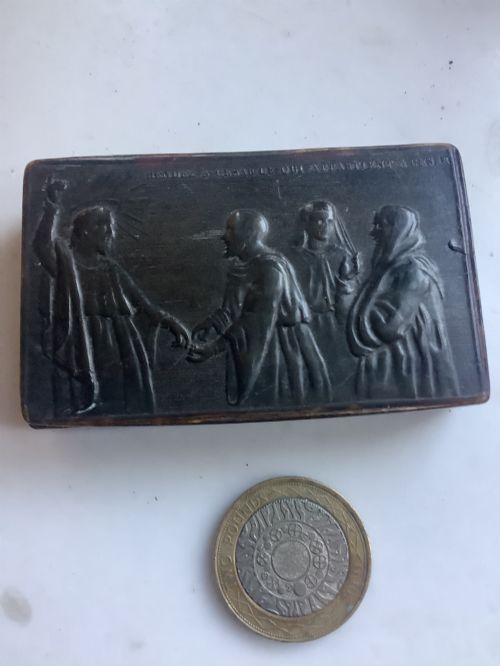
Makers utilised a combination of metals and organic materials, employing sterling silver, gun metal, brass, steel, and iron for mechanical and protective components. Organic elements such as tortoiseshell, horn, fruitwood, mother-of-pearl, and ebony provided tactile exterior surfaces for personal items like snuff boxes and fruit knives.
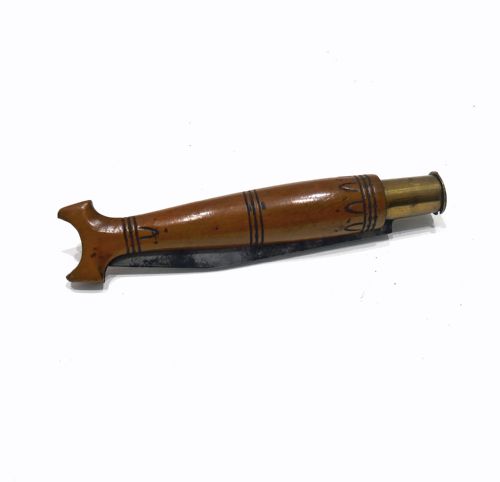
Techniques recorded in the pieces include engine turning, silver gilding, and intricate hand-carving applied to horn and wood, as seen in items like the fisherman's penknife in the form of a fish. Watch movements relied on precision metalwork, enamel dials, and specialised gearing housed within engraved or smooth metal cases.
Pocket Collectable Retail Price Guide 2026
Typical asking prices for pocket collectable among the pieces listed under this phrase on Sellingantiques today, from the lower quarter to the upper quarter. They describe what is for sale here now, not the wider market.
One fruit knife takes the charming form of a carved wooden fish, hiding its steel blade inside the wooden tail.
Distinctions in quality
Quality rests upon the crispness of maker marks, hallmarking clarity, and the precision of decorative work such as engine turning or embossed silver-gilt detailing. Pieces featuring signed movements, traceable maker attribution like Henry Matthews or J W Benson, and specialised complications demonstrate higher standards of original manufacture.
The integrity of mechanical action in items like pocket watches, pocket pistols, and folding mechanisms dictates the superior tier of survivals. Finer examples retain their original fitted boxes, operational components, and undamaged organic inlays such as tortoiseshell or mother-of-pearl.
Henry Matthews·Waltham·Elgin·Cyma·J W Benson·Negretti & Zambra·Allen & Thurber
The Pocket Collectable Glossary
- Vesta case
- A small portable container designed to hold wax matches, often fitted with a striking surface on the base. These cases were widely carried in pockets during the Victorian and Edwardian eras.
- Vinaigrette
- A small ornamental box featuring an internal perforated grille, used to hold a sponge soaked in aromatic vinegar. They were popular in the Georgian and Victorian periods for countering unpleasant odours.
- Verge pocket watch
- An early form of watch escapement utilising a vertical wheel and pallet mechanism. This style represents traditional watchmaking from the Georgian period.
- Engine turned
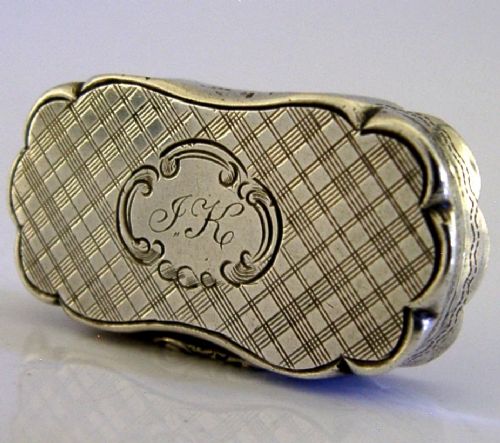
- A surface decoration applied mechanically by a lathe to produce intricate geometric patterns. This technique frequently appears on silver vesta cases and snuff boxes.
- Pepperbox revolver
- A multi-barrel firearm where the cylinders form the barrels themselves, revolving as the weapon is cocked. These weapons date primarily to the mid-nineteenth century.
Pocket Collectable: Frequently Asked Questions
How do I date a pocket watch?
Dating a pocket watch involves checking interior movement serial numbers against maker records or examining silver hallmarks on the outer case. Brands like Waltham, Elgin, and Cyma recorded production years systematically.
Style indicators such as dial layout, hand shape, and casing metal also point toward specific decades like the Edwardian period or the 1930s.
What were snuff boxes used for?
Snuff boxes held powdered tobacco, which users inhaled through the nose as a social habit popular from the Georgian era onward. They were designed for easy pocket carriage.
Materials ranged from tortoiseshell and horn to silver and ebony, frequently decorated with carved scenes or engine-turned patterns on the lid.
How were pocket pistols carried?
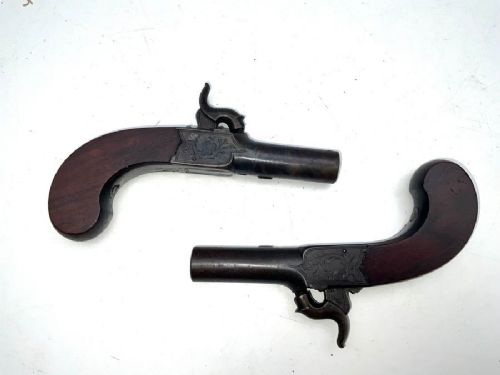
Pocket pistols and overcoat pistols were designed for personal self-defence, small enough to slip into a pocket or a coat compartment. They utilised flintlock or percussion cap mechanisms.
Many examples feature short brass barrels and folding bayonets, making them compact until deployed. They represent mid-nineteenth-century personal security habits.