




Platinum Set Gold Ring
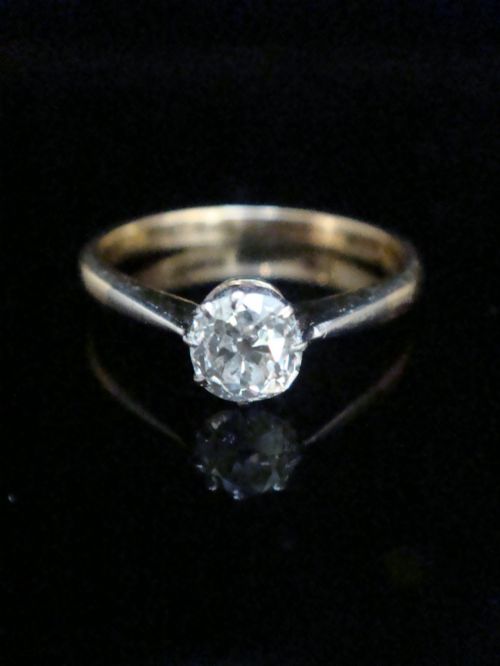
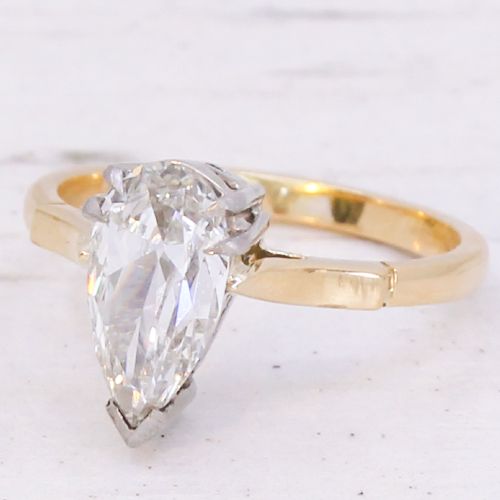
A platinum set gold ring combines the bright, enduring strength of platinum settings with the rich warmth of gold bands.
Platinum Set Gold Ring
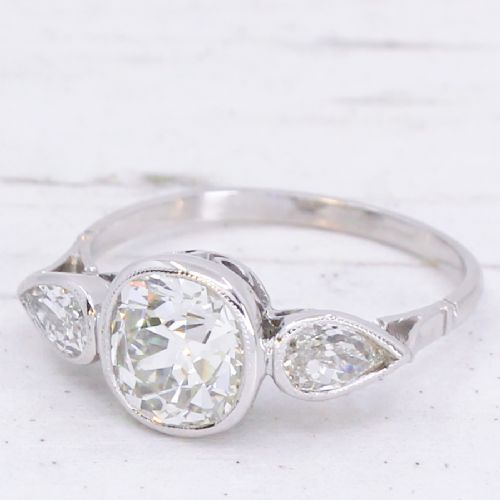
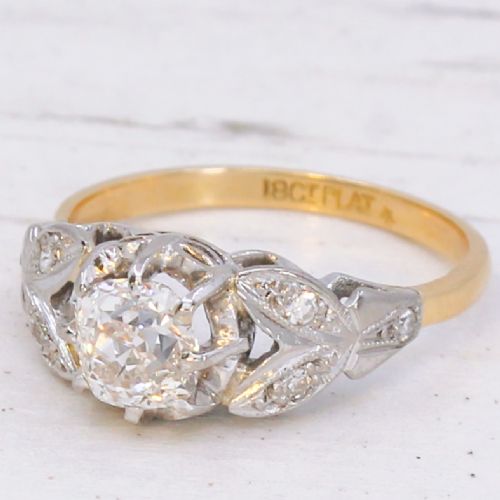
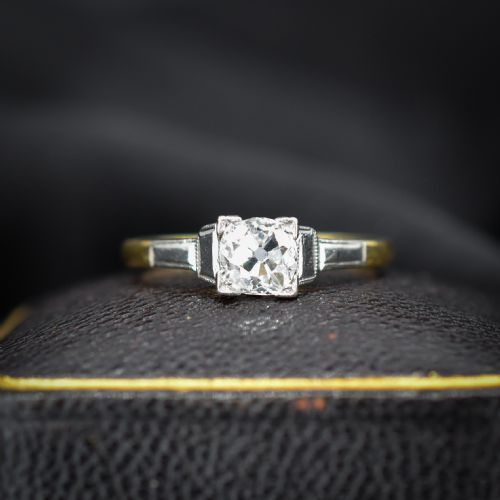
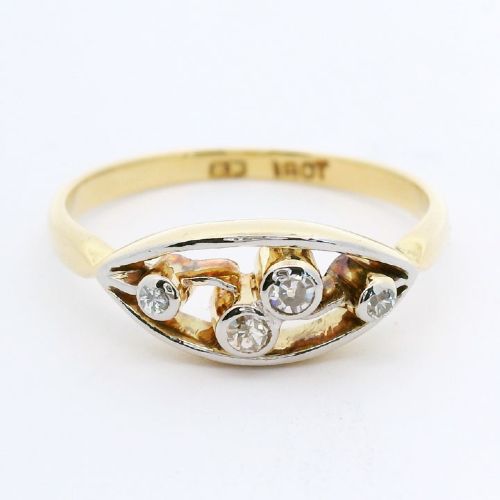
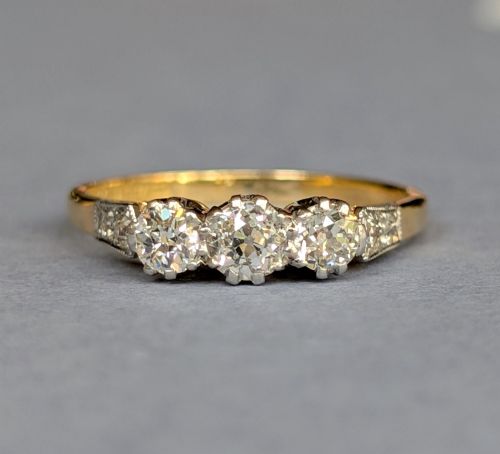
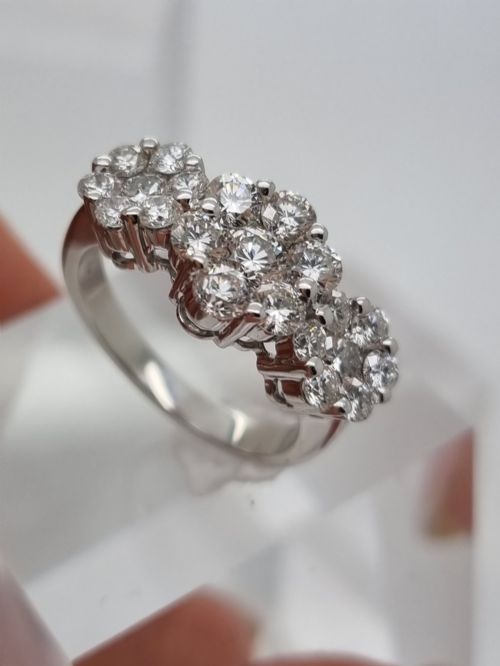
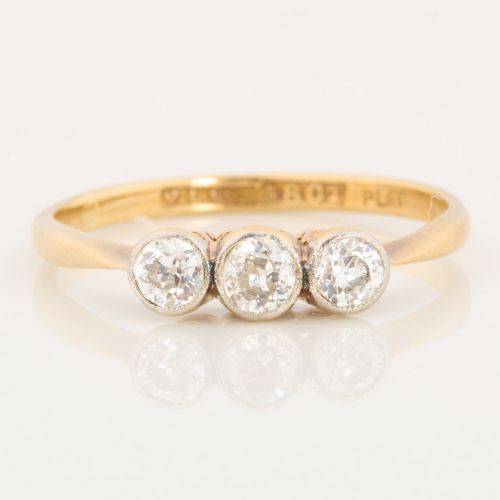
A platinum set gold ring brings together precious metals and fine stones across Edwardian, Art Deco and mid-century periods. These pieces serve primarily as engagement rings, cluster rings, and multi-stone trilogy designs.
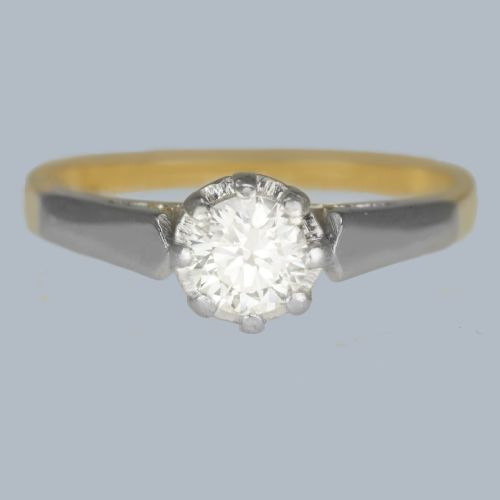
The combination pairs a durable white metal claw or bezel setting on the face with a contrasting yellow, white or rose gold band. This construction highlights the brilliance of diamonds and blue sapphires while maintaining a comfortable daily wear profile.
How they were made
Craftsmen utilised platinum for the upper settings to securely hold diamonds and sapphires in precise geometric or illusion mounts. The metal properties of platinum allowed for delicate millegrain edges and fine wire work without risking stone loss.
Bands were cast or forged from eighteen-carat yellow, white, or nine-carat gold, then joined to the platinum heads by solder or integrated gallery construction.
Some Art Deco rings hide secret geometric starbursts underneath the gallery, whispering fine details meant only for the wearer's skin.
What varies in quality
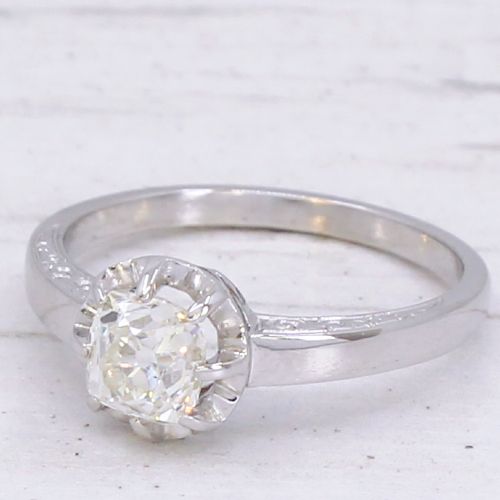
The standard of a platinum set gold ring depends heavily on the precision of the metal smithing and the symmetry of the stone arrangement. Hand-cut stones such as old European, old cushion, and transitional cuts display distinct facet patterns that elevate the character of the piece.
Superior examples feature crisp geometric gallery work, intact millegrain decoration, and well-matched gemstone clarity and colour across multi-stone configurations.
The Platinum Set Gold Ring Glossary
- Platinum setting
- A precious white metal mount holding gemstones on the face of a ring, valued for its strength and secure grip.
- Old European cut
- An early brilliant diamond cut featuring a small table, high crown, and large open culet, common in antique pieces.
- Trilogy ring
- A ring set with three stones, traditionally symbolising the past, present, and future.
- Millegrain
- A decorative technique featuring a row of tiny raised metal beads along the edges of a setting.
- Toi et Moi
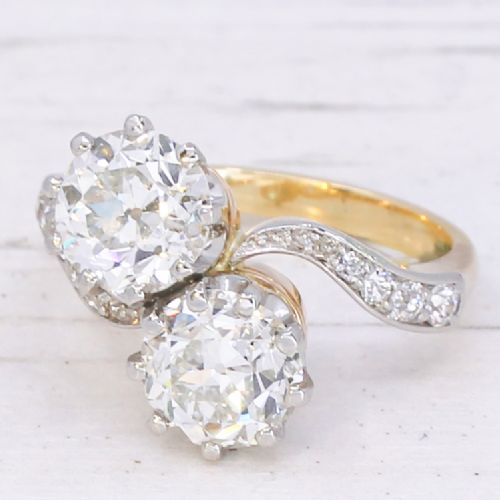
- A ring style featuring two main side-by-side stones representing two souls intertwined.
Platinum Set Gold Ring: Frequently Asked Questions
What periods do these rings come from?
The pieces span from the Edwardian era through the Art Deco period and into the mid-twentieth century. Edwardian examples often feature delicate floral or cluster motifs, while Art Deco items showcase geometric and symmetrical designs.
Later mid-century pieces bring cleaner lines and varied diamond cuts. Each era contributes distinct structural and aesthetic characteristics to the selection.
Why use both platinum and gold?
Makers used platinum for the top settings because its bright white colour and exceptional strength allowed for secure stone claws and fine detail work. The gold shank provided structural warmth, traditional weight, and lower overall cost compared to a solid platinum body.
This two-metal construction became the defining hallmark of quality jewellery production during the early twentieth century.
Are these rings suitable for daily wear?
These rings were built for daily use, combining the durability of platinum settings with sturdy gold bands. Antique stones and settings benefit from regular professional checks to ensure claws remain tight and secure.
Removing the jewellery during heavy manual tasks preserves the delicate millegrain edges and prevents unnecessary wear on the gold shanks.
How do I identify an Art Deco ring?
Art Deco rings are characterised by geometric motifs, stepped shoulders, and symmetrical arrangements of diamonds and sapphires. Platinum settings are shaped into squares, lozenges, or sunburst patterns atop contrasting gold bands.
Makers of this period frequently utilised calibre-cut stones and fine millegrain borders to create sharp architectural lines.