
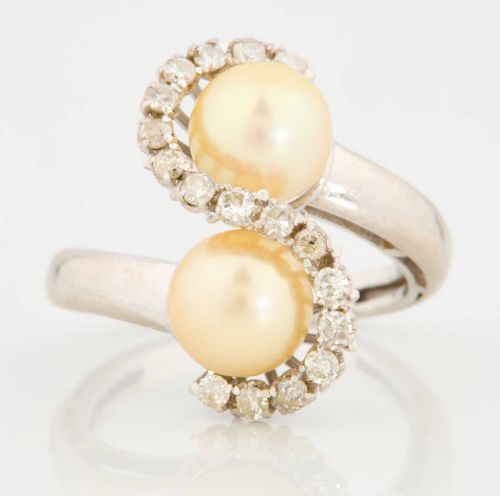


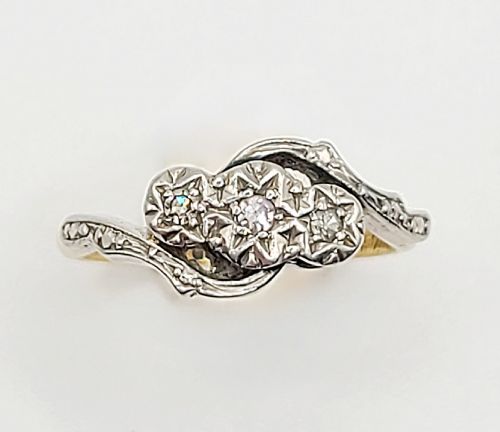


Antique Diamond Swirl Ring
An antique diamond swirl ring brings together flowing curves and sparkling stones, offering a distinctive piece of jewellery history for daily wear.
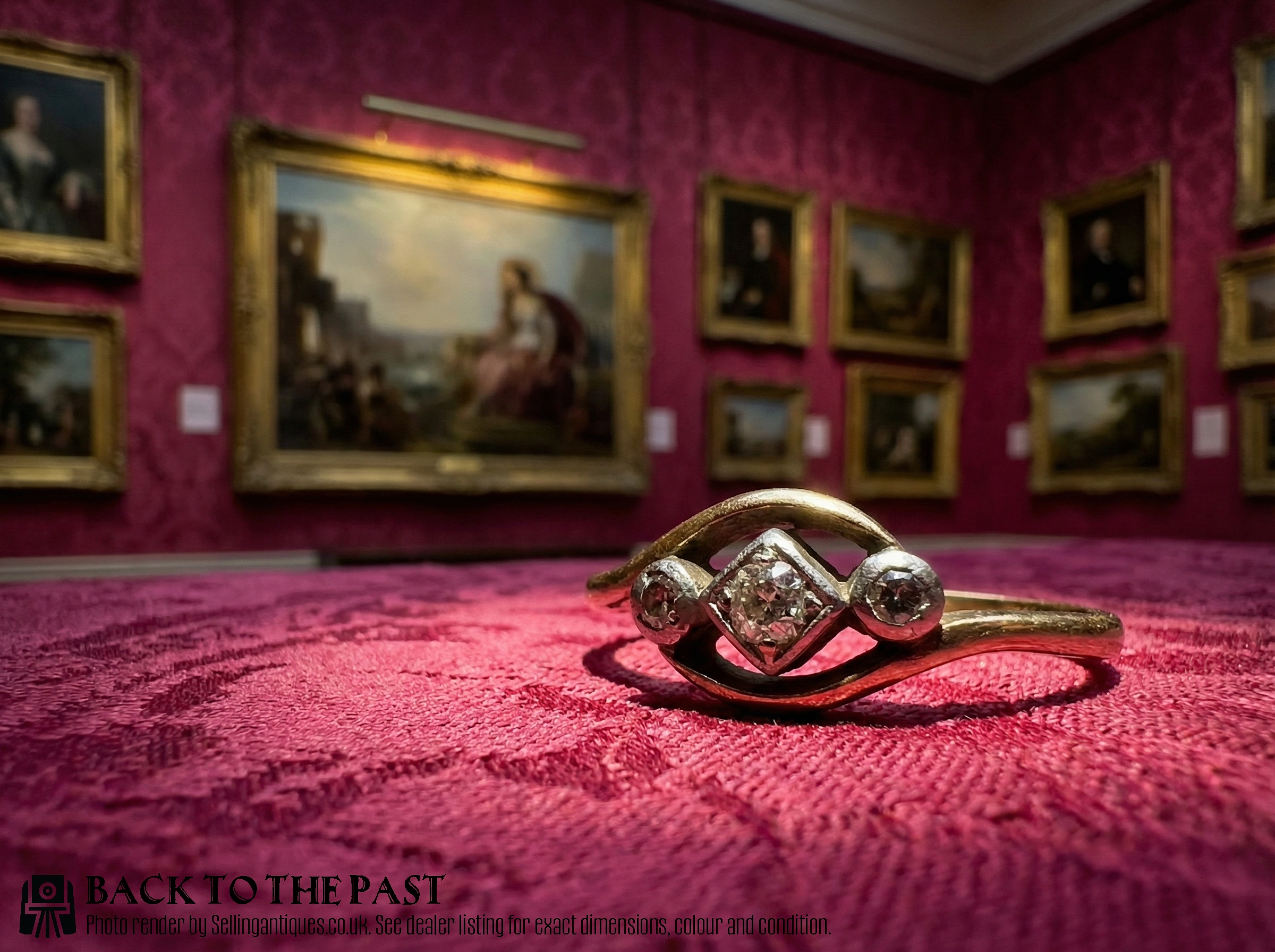
Antique Diamond Swirl Ring
An antique diamond swirl ring showcases dynamic curved designs that wrap around the finger, drawing the eye along fluid circular or spiral pathways. When you search for an antique diamond swirl ring, you encounter pieces that span multiple eras from the early twentieth century through the mid-century period.
Makers across France and Britain shaped these swirling motifs using old cut, transitional cut, and rose cut diamonds. The resulting jewellery ranges from delicate Edwardian ribbon designs to bolder Art Deco bombée and spiral cluster configurations.
Materials and construction methods
Master jewellers combined durable platinum with yellow and white gold to construct these intricate mountings, often utilising platinum for the top setting to securely hold the diamonds while using gold for the shank. This dual-metal technique allowed artisans to create strong, fine claws and bezels that maximise light entry into the stones.
Diamonds are hand-set alongside pearls, rubies, and garnets using grain setting, bezel setting, or star setting methods appropriate to the period. The integration of 18ct gold and platinum provides the structural integrity needed to support curving, asymmetric swirl patterns without distorting over time.
Some French rings conceal tiny secret hallmarks tucked away inside the curve of the shank.
Factors of craftsmanship and design
The distinction between standard examples and exceptional pieces rests upon the fluidity of the swirl and the precision of the stone setting. Finer rings demonstrate harmonious proportions where the metal curves seamlessly around the central diamonds without awkward transitions.
Quality also appears in the selection and cutting of the stones, particularly where old cut or transitional cut diamonds match the curvature of the handmade mount. The integrity of the original metalwork, including crisp millegrain edges and well-preserved hallmarks, elevates the standing of any given piece.
The Antique Diamond Swirl Ring Glossary
- Old cut diamond
- A hand-faceted diamond shape typical of the late nineteenth and early twentieth centuries, featuring a small table and high crown that produces a soft, candlelit sparkle. This cut contributes to the antique character of Edwardian and early Art Deco rings.
- Platinum
- A dense, strong white metal widely used in twentieth-century jewellery to create secure, delicate settings for diamonds. Its strength permitted master jewellers to craft ultra-fine claws and elaborate openwork designs.
- Art Deco
- A design movement spanning the 1920s and 1930s characterised by geometric precision, symmetry, and stylised motifs. Rings from this period often display bold architectural lines alongside sweeping curves.
- Millegrain
- A decorative technique involving a row of tiny raised metal beads along the edges of a setting. This subtle detail softens the transition between metal and stone, commonly found on Edwardian and platinum mounts.
- Trilogy ring
- A ring featuring three main stones, typically representing the past, present, and future. In swirl designs, these three stones are often integrated into a sweeping or spiralling band.
Antique Diamond Swirl Ring: Frequently Asked Questions
How do I care for my antique diamond swirl ring?
Clean your ring gently using warm soapy water and a soft-bristled brush to remove everyday oils from beneath the stones. Avoid harsh chemical dips, especially if the piece incorporates softer gems like pearls or rubies.
Have a professional jeweller inspect the claw settings periodically to ensure the platinum or gold secure the diamonds firmly in place.
Are these rings suitable for everyday wear?
Platinum and 18ct gold provide robust foundations suitable for daily use when handled with reasonable care. However, rings featuring pearls require extra caution to prevent scratching or moisture damage.
Remove your jewellery during heavy manual tasks or sports to protect delicate millegrain work and stone settings from impact.
How can I tell an Edwardian ring from an Art Deco one?
Edwardian rings lean towards lacy, garland-style motifs with softer curves, delicate piercing, and extensive use of millegrain decoration. Platinum-topped gold is a hallmark of this period.
Art Deco rings introduce stronger geometric contrast, bolder lines, and sharper angles, even within swirling or spiral arrangements. The mountings often utilise solid platinum to achieve striking monochromatic effects.
What is an old cut diamond?
An old cut diamond is an antique stone shaped by hand before modern machine-cutting standards were established in the twentieth century. These stones typically feature smaller tables, higher crowns, and open culets.
They produce a distinct, warm glow under low lighting rather than the intense brilliance associated with modern brilliant cut diamonds.