




Platinum Jewellery Necklace
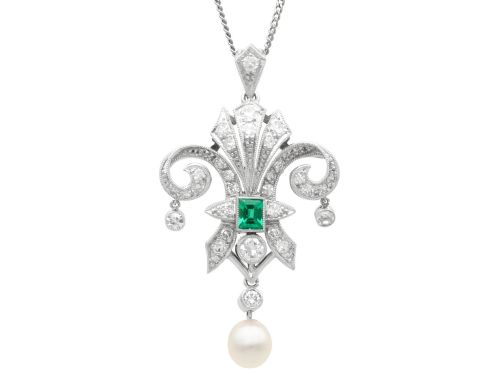
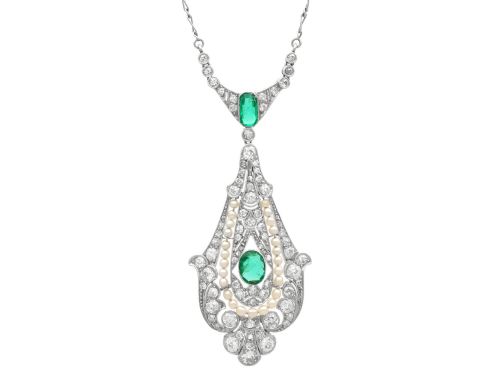
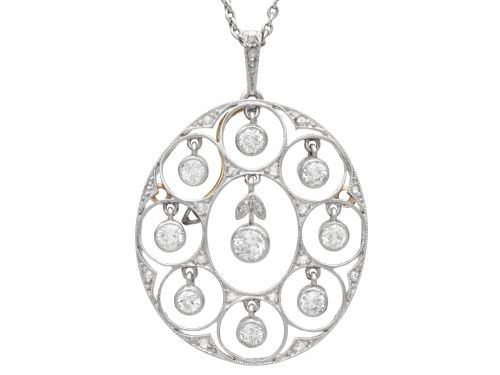
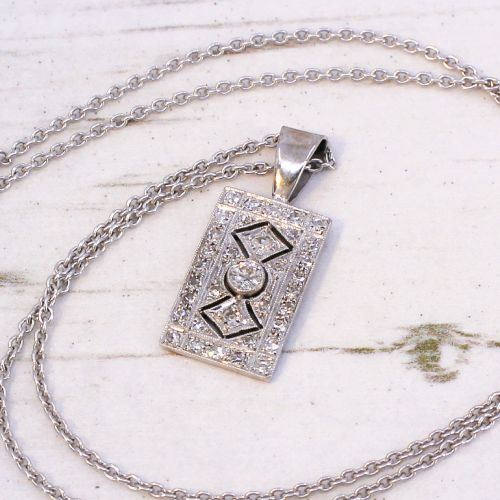
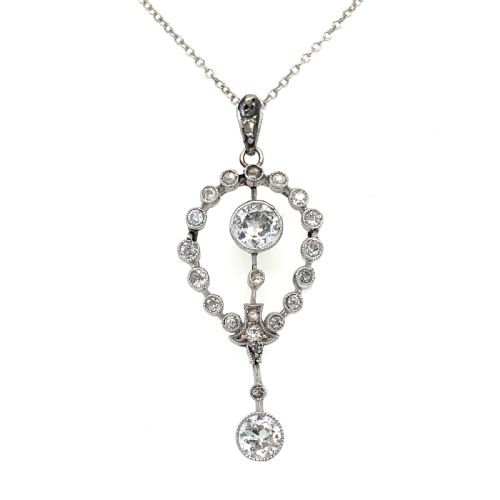
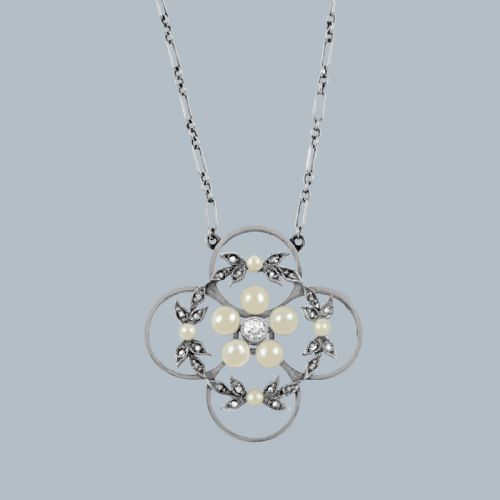
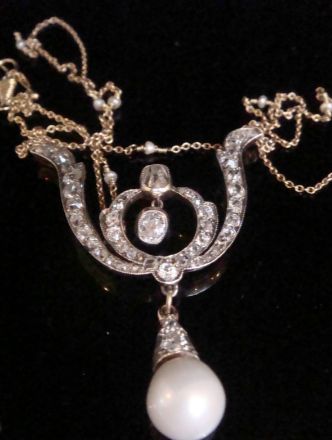
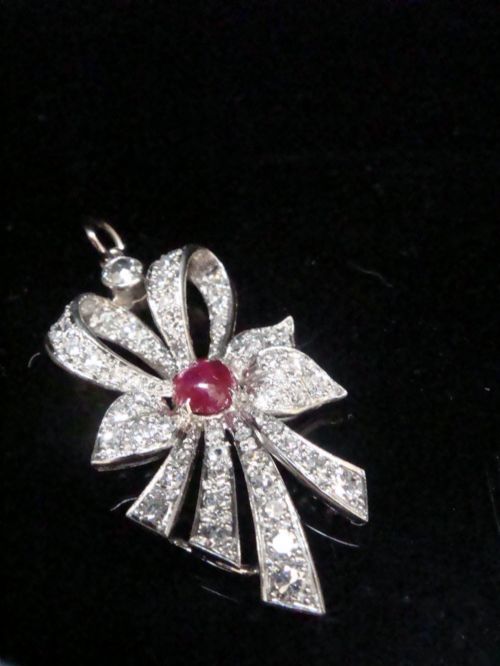
When searching for a platinum jewellery necklace, collectors encounter delicate Edwardian ribbonwork and geometric Art Deco settings mounted with diamonds, pearls, and sapphires.
Platinum Jewellery Necklace
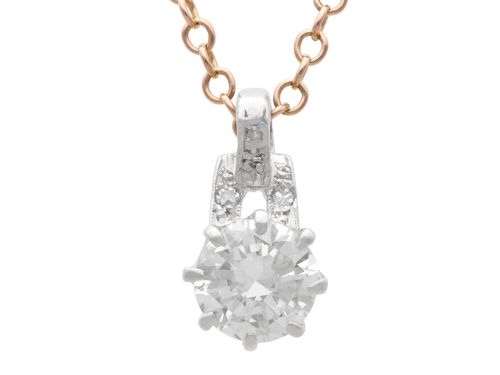
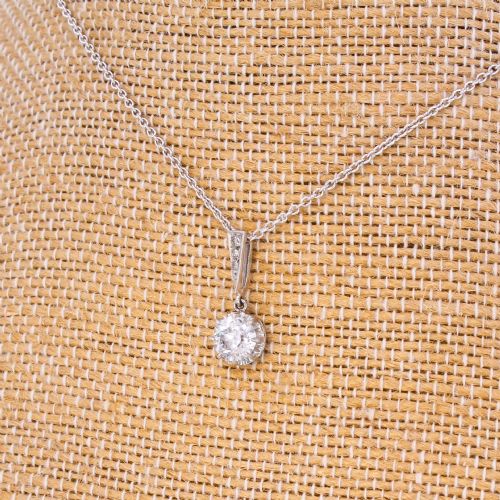
A platinum jewellery necklace encompasses delicate pendants, fringe necklaces, and long chains spanning the Victorian, Edwardian, Art Nouveau, Art Deco, and Mid-Century periods. Pieces typically feature a central gemstone or cluster suspended from a fine platinum chain or integrated into an intricate framework.
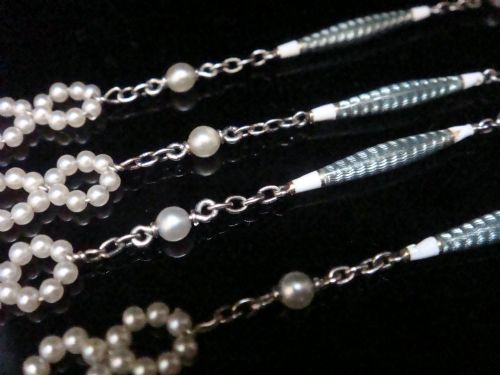
Edwardian examples showcase bows, garlands, and natural pearls alongside diamonds, whereas Art Deco creations lean into geometric sapphire, emerald, and diamond arrangements. Cross pendants, lorgnettes, and negligee necklaces also appear among the varied formats recorded in the inventory.
How they were made
Platinum emerged as the preferred metal for fine necklaces due to its strength, which allowed jewellers to fashion exceptionally fine yet secure settings for diamonds and pearls without heavy gold claws. This tensile strength enabled lace-like openwork designs, millegrain edges, and platinum-topped gold constructions seen in earlier Edwardian and Victorian pieces.
Some Art Deco platinum offerings double as optical aids, hiding opera glasses within their jewelled lorgnette frames.
What varies in quality
The standard of craftsmanship is visible in the delicacy and precision of the platinum piercing and the uniformity of the millegrain work. Superior examples demonstrate meticulous hand-working where the metal frames enhance the stones without appearing rigid or heavy.
Gemstone selection and matching dictate the upper tier of pieces, particularly in necklaces featuring substantial emeralds, Ceylon sapphires, or graduated diamond fringes. The integration of original fitted boxes and the preservation of original clasps and chain lengths further distinguish finer survivals.
Eduard Foehr
The Platinum Jewellery Necklace Glossary
- Millegrain
- A decorative technique involving tiny raised beads of metal along the edges of a setting. This method softens the transition between the platinum and the stones.
- Negligee pendant
- A necklace style featuring two unequal drops suspended from a central motif. It gained popularity during the Edwardian era.
- Old-cut diamond
- A hand-faceted diamond cut before modern brilliant standards were established. These stones typically feature smaller tables and higher crowns.
- Dog clip
- A secure spring-loaded snap hook used on chains to attach pendants or pocket accessories. It is commonly found on antique chain necklaces.
- Fringe necklace
- A necklace design where dangling gemstone drops or pendants hang closely along the lower edge of the chain. This layout creates a shimmering drapery effect.
Platinum Jewellery Necklace: Frequently Asked Questions
How do I date a platinum necklace?
Dating relies on stylistic markers such as Edwardian garland motifs, Art Deco geometric symmetry, or Mid-Century minimalism. Hallmarks and the integration of metals like 15ct gold alongside platinum also help establish the era of manufacture.
Changes in cutting styles for diamonds and coloured stones provide further chronological clues. Examining the construction of the clasp and chain links reveals period-specific manufacturing techniques.
Were platinum and gold used together?
Yes, many Edwardian and earlier pieces utilise a combination of yellow gold for the structural reverse and platinum on the front surface. This technique maximised the white reflective qualities of platinum for the gemstones while retaining the warmth and tradition of gold underneath.
Later Art Deco pieces transitioned towards all-platinum settings or platinum combined with white gold. This dual-metal approach is a reliable indicator of transitional turn-of-the-century jewellery.
How should I care for antique pearl necklaces?
Natural pearls require gentle handling because organic nacre is softer than gemstones and vulnerable to acids, perfumes, and cosmetics. Wiping them with a soft cloth after wearing helps maintain their lustre.
Periodic restringing by a specialist ensures the silk thread remains secure, particularly for longer natural saltwater pearl chains. Storage should ideally be in a dedicated lined compartment away from harder diamond items.