


Platinum Claw Ring
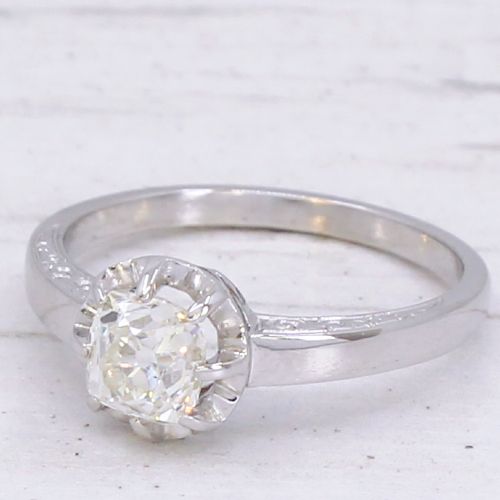
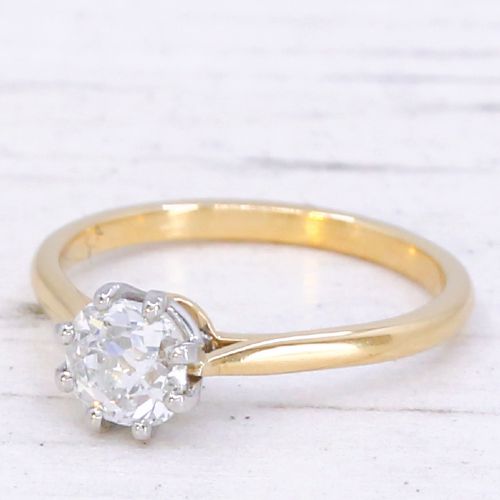
A platinum claw ring secures stones with fine metal prongs, holding diamonds and sapphires from Edwardian, Art Deco, and mid-century periods.
Platinum Claw Ring
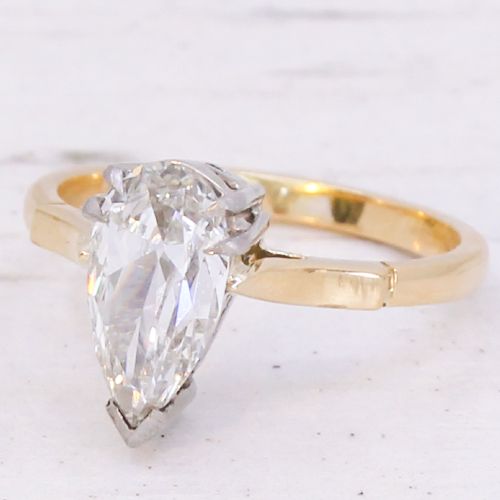
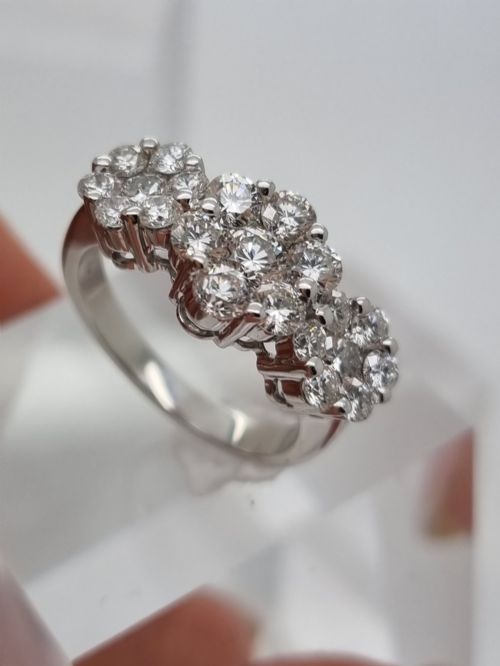
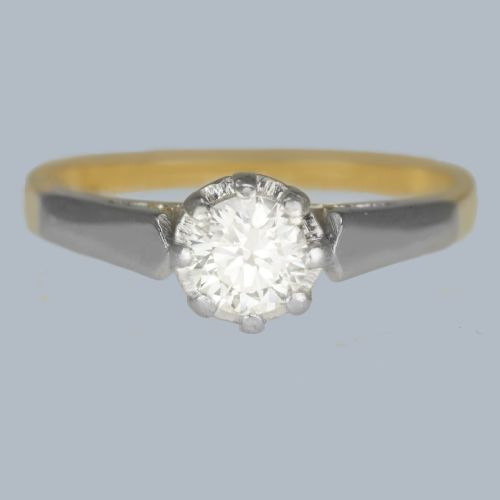
A platinum claw ring uses slender metal prongs to elevate and secure gemstones, allowing maximum light to reach the stone. The platinum claw ring appears frequently in solitaire, trilogy, and cluster forms across this selection.
Makers paired these platinum settings with diamonds, sapphires, and occasionally gold bands during the Edwardian, Art Deco, 1940s Retro, and Mid-Century periods. These pieces function primarily as engagement rings or fine jewellery.
The selection ranges from early twentieth-century old cut stones to later transitional cuts, reflecting changing lapidary techniques over several decades.
Materials and construction
Craftsmen utilised platinum for its strength and ductile nature, which permitted the creation of exceptionally fine claw settings without sacrificing structural security. This metal holds diamonds and sapphires firmly while maintaining a minimal visual profile.
Stones within these mounts typically display old European, old mine, transitional, or pear cuts shaped by hand during the nineteenth and twentieth centuries. Jewelers combined these stones with yellow gold, white gold, or platinum shanks, sometimes incorporating secondary rose cut diamonds along the shoulders.
Listings span periods from the Victorian era through the 1960s, featuring platinum paired with diamonds, sapphires, and gold.
Quality and execution
Superior examples demonstrate precise symmetry in the claw arrangement and careful alignment of the central stones with any shoulder diamonds. The robustness of the platinum prongs relative to the weight of the gem determines the longevity and refinement of the setting.
Stone provenance and cut characteristics significantly influence the distinction between standard pieces and exceptional items within the range. The integration of high-grade diamonds, natural Burmese sapphires, and maker signatures elevates certain rings above typical production.
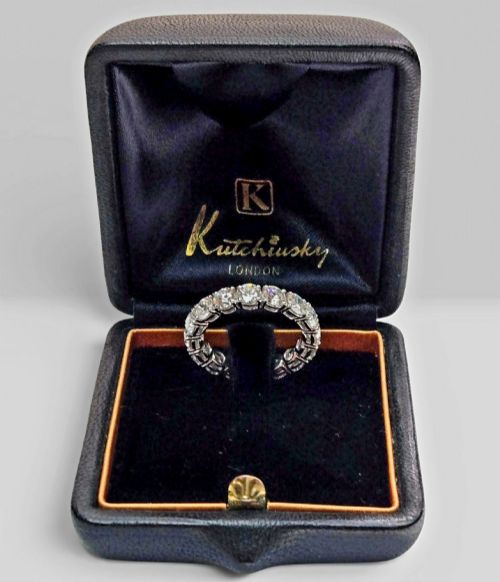
Kutchinsky
The Platinum Claw Ring Glossary
- Claw setting
- A mounting style that uses individual metal prongs to hold a gemstone in place. This technique maximises light entry through the pavilion of the stone.
- Trilogy ring
- A ring set with three stones, traditionally representing the past, present, and future. These pieces often combine a larger central diamond with two smaller side stones.
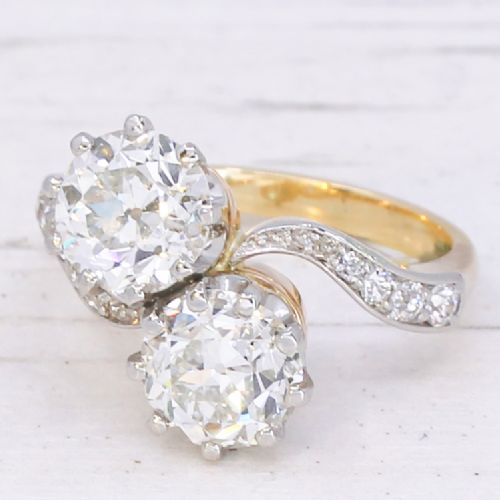
- Toi et Moi ring
- A two-stone ring design where two prominent gems sit side by side on the shank. The French phrase translates to you and me.
- Transition cut
- A diamond cut used from the late 1930s to the 1950s that bridges the older European cut and the modern brilliant cut.
Platinum Claw Ring: Frequently Asked Questions
What is a platinum claw ring?
A platinum claw ring is a piece of fine jewellery featuring a strong platinum metal setting with prongs that grip a central gemstone, such as a diamond or sapphire.
These rings span multiple historical eras including the Edwardian and Art Deco periods, serving primarily as engagement or commemoration rings.
How do I identify an Art Deco platinum claw ring?
Art Deco pieces often display geometric lines, crisp symmetry, and intricate gallery work alongside traditional claw-set central diamonds.
Platinum was the preferred metal of the era due to its strength, which allowed jewellers to create delicate-looking settings that remained durable.
What stones are set in these rings?
The primary stones found in these selections are diamonds featuring old European, old mine, or transitional cuts.
Sapphires, including Burmese origin stones, also appear as central gems or side stones in trilogy and cluster configurations.
Can I wear my platinum claw ring daily?
Platinum is a dense and durable metal that withstands everyday wear well, making it suitable for regular use in engagement rings.
Owners should still have the claw settings checked periodically by a jeweller to ensure the prongs remain secure around the stones.