
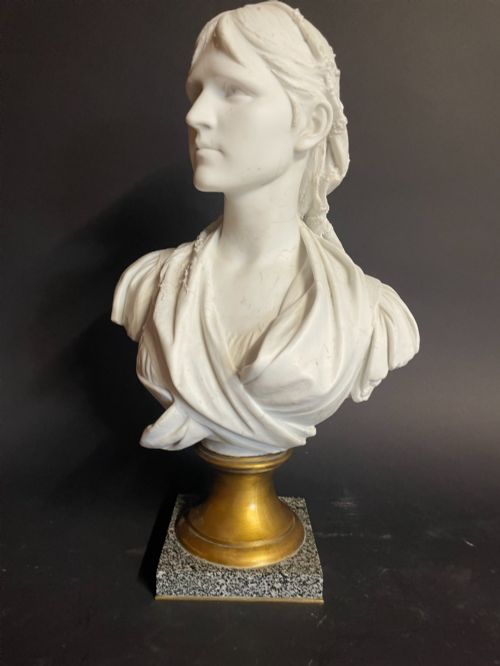
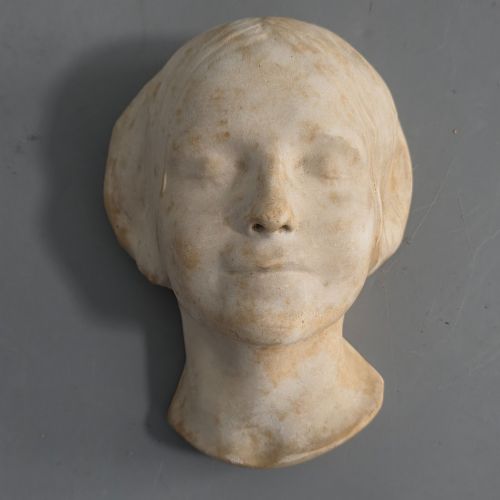
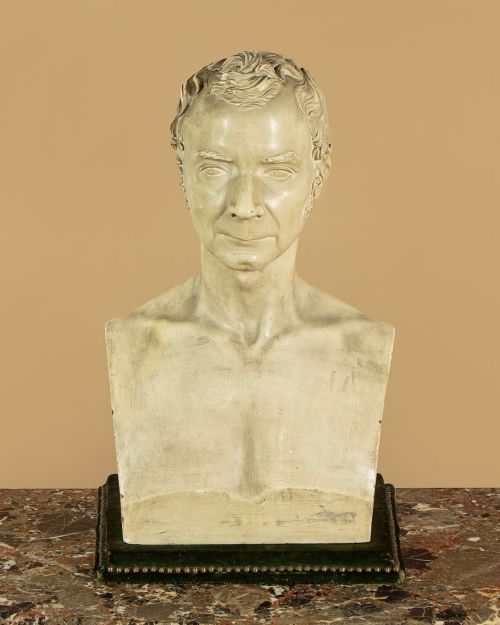
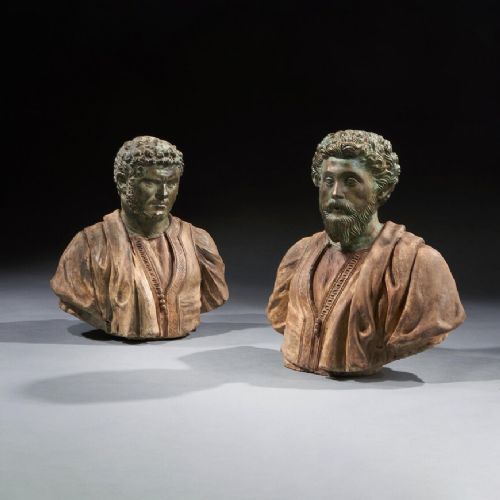
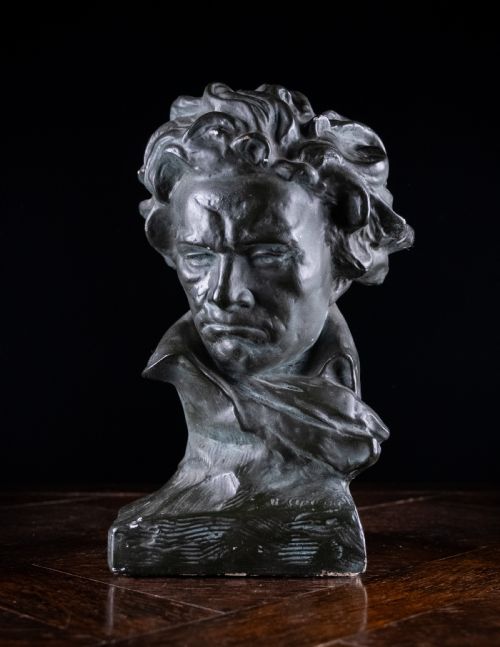
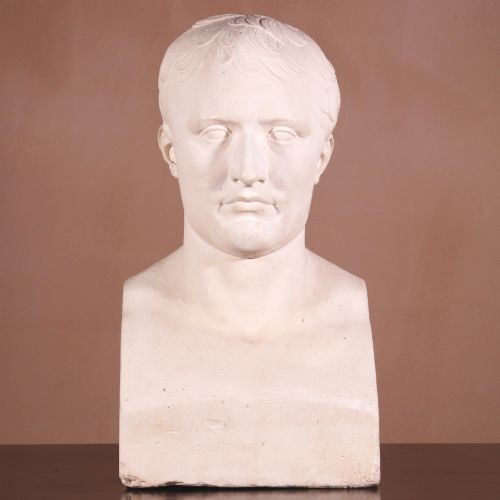
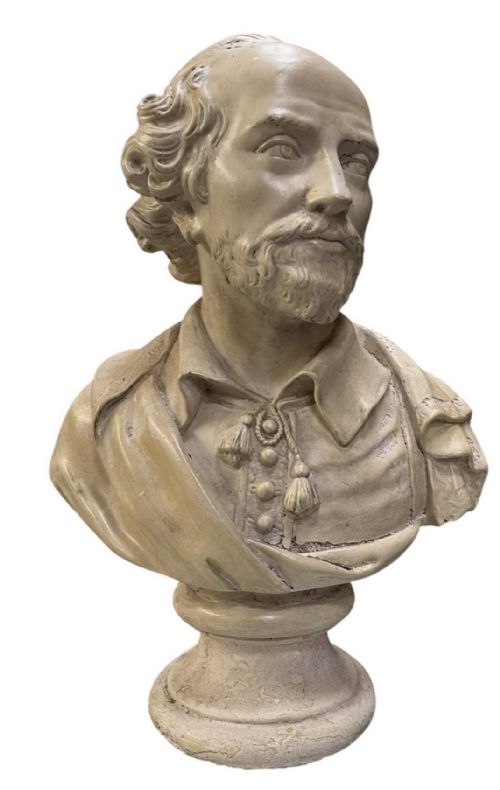
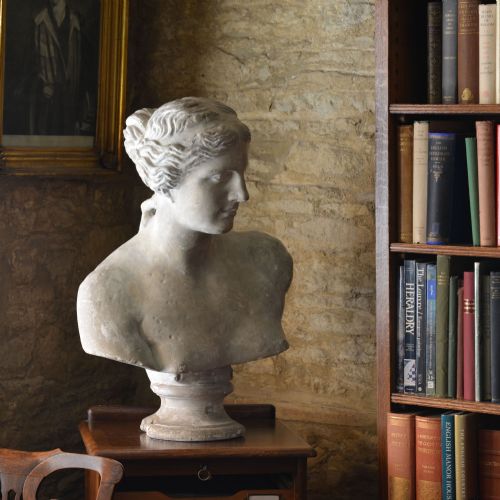


Plaster Bust Sculpture
These plaster bust sculpture pieces capture classical figures, historical characters and literary icons, offering an expressive addition to any room.
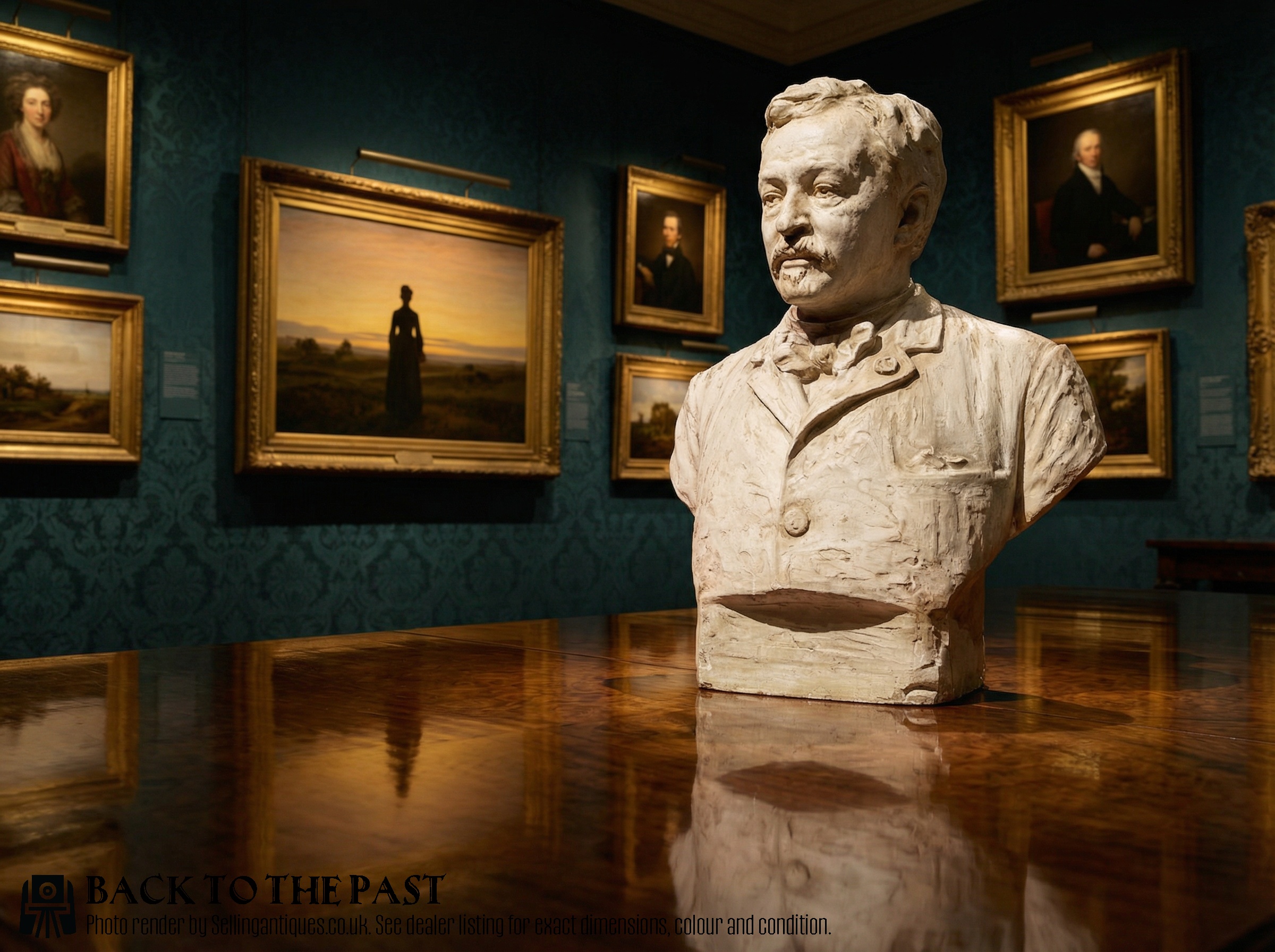
Plaster Bust Sculpture
Plaster bust sculpture works range from classical figures like Venus de Milo, Homer and Roman emperors to historical subjects, literary figures and specific sitters such as Ludwig Van Beethoven or cellist Rodolphe Soiron. You will frequently encounter nineteenth-century pieces alongside Edwardian and Art Deco examples.
The selections on this page encompass various formats including freestanding library busts, wall sculptures, and pieces mounted on pedestals or columns. Creators rendered these works to emulate marble, stone or bronze, spanning Neoclassical, Classical Revival, Victorian and Art Deco styles.
Many items portray recognizable historical personages, Caesars, or anonymous gentlemen and ladies, often reflecting the grand tour tastes of the nineteenth century and subsequent twentieth-century modernist influences.
How They Were Made
Makers constructed these sculptures primarily using plaster and gypsum, frequently reinforcing the core with wood, gesso or terracotta to provide structural stability. Artisans poured or cast the mixture into moulds to capture fine facial details and drapery.
Listings feature periods spanning from the mid nineteenth century through the Art Deco era, utilising materials such as gypsum, paint, terracotta and gesso.
What Varies in Quality
The skill of the original modeller and the fidelity of the mould dictate how lifelike and balanced the final subject appears. Greater artistic presence in handling the expression and posture separates standard decorative items from masterworks.
Raffaelo Monti·Antonio Rossellino·Bohumil Rezl
The Plaster Bust Sculpture Glossary
- Plaster
- A building and moulding material made from gypsum, water and other ingredients that hardens into a solid form when dry. It accepts fine detail easily, making it popular for sculptural casts.
- Terracotta
- Baked clay used for sculptural works and busts, offering a warm reddish-brown earthenware appearance. It provides a durable alternative to plaster.
- Gesso
- A plaster mixture used as a smooth base for paint or gilding on sculptural surfaces. It helps prepare the foundation for surface finishes.
- Scagliola
- A composite material made from selenite, glue and pigments, mixed to imitate marble and other fine stones. It was often used for pedestals and architectural columns.
- Neoclassical
- A style inspired by the classical art and culture of ancient Greece and Rome, emphasising restraint and proportion. It heavily influenced nineteenth-century bust sculpture.
Plaster Bust Sculpture: Frequently Asked Questions
What are plaster bust sculptures?
These are three-dimensional sculptural portraits cast in plaster, depicting historical figures, classical gods, literary icons or anonymous sitters. They were produced extensively during the nineteenth and early twentieth centuries.
Craftsmen often finished the plaster surfaces with paint or patination to emulate more expensive materials like bronze or marble for display in libraries and studies.
How should I display a plaster bust?
These sculptures suit placement on bookshelves, mantelpieces, wooden brackets or dedicated pedestals and columns. Their classical proportions make them strong focal points in hallways or studies.
Keep them away from direct moisture and handling, as painted or patinated plaster surfaces can mark or chip if dropped against hard edges.
How do I identify the period of a bust?
Examine the style, surface treatment and any markings or signatures inscribed into the base or rear of the sculpture. Neoclassical and Victorian pieces often reflect nineteenth-century academic tastes, while geometric stands point to the Art Deco era.
Materials such as gesso and specific patination methods also offer clues regarding the approximate decade of manufacture.
Were these made as copies of antiques?
Many nineteenth-century busts were cast as reductions or interpretations of famous classical sculptures found in European museums. They served an educational purpose for libraries and homes before the era of widespread photography.
Other pieces recorded contemporary musicians, writers or historical figures from life or from established portrait commissions.