




Pink Turkish Rug
A pink turkish rug brings warmth and historic pattern to a room through soft, muted vegetable dyes and traditional Anatolian knotting.
Pink Turkish Rug
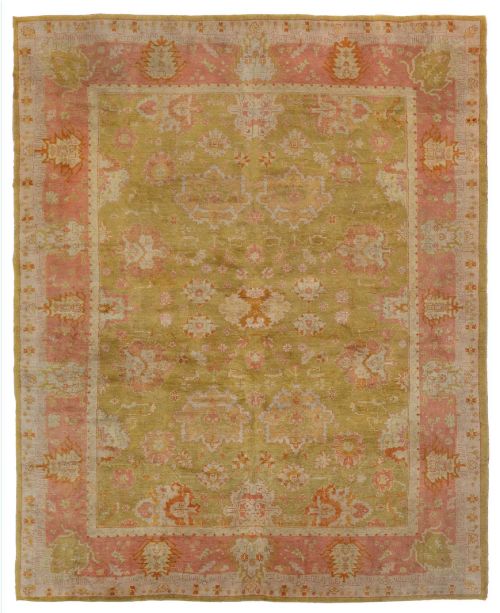
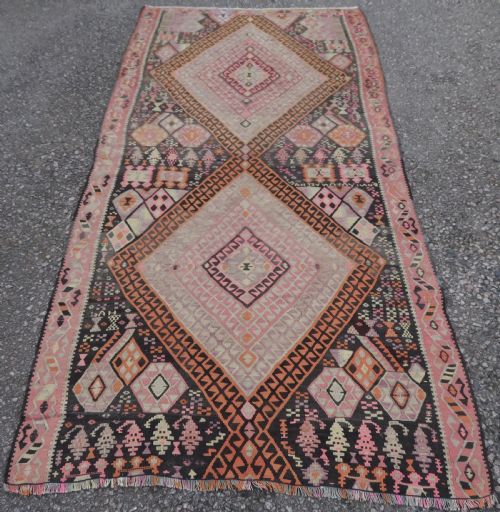
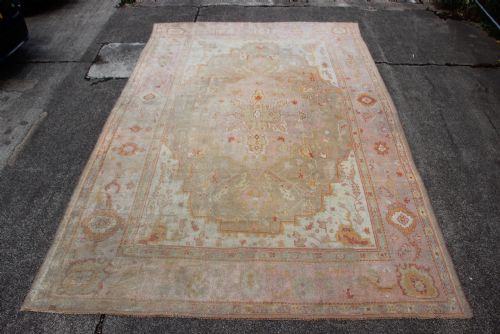
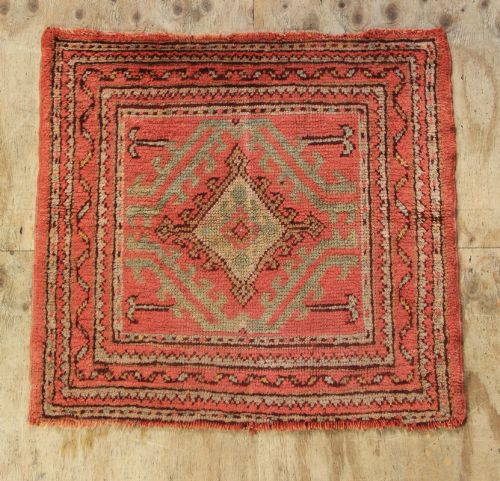
A pink turkish rug is typically an antique carpet or mat originating from Anatolian weaving centres such as Oushak, Sivas, Kirsehir, and Bandirma. These floor coverings date from the nineteenth century into the early twentieth century, spanning periods including 1880, 1890, 1900, 1910, and 1920.
The format ranges from small mats and square prayer rugs measuring around one metre to large carpets exceeding four metres in length. Designs include classic central medallions, willow tree motifs, Caucasian-inspired patterns, and traditional banded layouts associated with Ottoman and village weaving traditions.
How a pink turkish rug was made
These textiles are constructed primarily with wool pile on cotton foundations, utilising hand-spun materials that accept natural dye stuffs unevenly to create subtle tonal variations known as abrash. Weavers tied symmetrical or asymmetrical knots by hand across vertical looms, incorporating regional design vocabularies passed down through generations in towns like Ushak, Kula, and Milas.
The characteristic soft pink grounds and pastel colour palettes emerge from aged madder and other plant-based dyes mellowing over decades of light exposure and domestic wear. Edges are typically finished with hand-bound selvedges and remaining kilim ends.
Pink Turkish Rug Retail Price Guide 2026
Typical asking prices for pink turkish rug among the pieces listed under this phrase on Sellingantiques today, from the lower quarter to the upper quarter. They describe what is for sale here now, not the wider market.
What varies in quality
The distinction between standard and exceptional pieces rests upon the finesse of the drawing, the harmony of the faded palette, and the integrity of the original wool pile. Superior examples display balanced proportions in medallion or prayer layouts, alongside intricate secondary borders that remain crisp and legible.
Condition matters greatly, particularly the depth of the remaining pile across high-traffic areas and the originality of the side cords and ends. Rugs retaining their full dimensions and undisturbed surface texture command higher regard among collectors than heavily restored or reduced specimens.
The Pink Turkish Rug Glossary
- Abrash
- A natural variation in shade within a single field of colour caused by differences in dye batches or hand-spun wool lots. This subtle striping or clouding is characteristic of genuine antique vegetable-dyed carpets.
- Oushak
- A historic carpet-weaving town in western Anatolia known for large-scale floral designs and soft pastel colour palettes. Ushak carpets often feature expansive fields and muted pink or terracotta tones.
- Prayer rug
- A small rug featuring a mihrab or niche design at one end, traditionally oriented toward Mecca during daily prayers. These rugs often display architectural arches and central floral motifs.
- Kilim
- A flat-woven carpet or rug produced without a pile by tightly interweaving warp and weft strands. Sarkoy kilims represent a specific regional variety found within this tradition.
- Medallion
- A symmetrical central ornament placed in the field of a rug. Classic Anatolian medallion designs draw upon centuries of Ottoman decorative arts.
Pink Turkish Rug: Frequently Asked Questions
How do I clean a pink turkish rug?
Gentle surface vacuuming without a beater bar removes everyday dust from the wool pile. Professional specialist cleaning is necessary for deep washing to protect the antique foundation.
Water exposure and standard household detergents can damage natural dyes and cotton warps. Seek conservators experienced with vintage Anatolian textiles.
Are these rugs suitable for high-traffic areas?
Antique wool carpets possess natural durability and resilience that withstand moderate walking traffic. Placing a quality underlay beneath the textile prevents slipping and reduces fibre friction.
Very fine prayer rugs or pieces with low pile benefit from placement in quieter rooms like bedrooms or studies to preserve their remaining wool.
How can I date a turkish rug?
Dating relies upon wool characteristics, dye analysis, structural weave density, and stylistic comparison with documented examples from specific periods. Nineteenth-century pieces typically exhibit hand-spun wool and distinct vegetal dye combinations.
Early twentieth-century carpets often display slightly brighter pastel ranges or transitional motifs. Comparing knot counts and structural margins helps confirm the era of production.
What causes the pink colour in these rugs?
The soft pink tones originate from madder root dye and other natural colourants applied to hand-spun wool. Decades of sunlight exposure and gentle washing gradually soften bright reds into delicate pastels.
This mellowing process creates the signature faded aesthetic prized by collectors of antique carpets. No two rugs age identically due to varying mineral content in regional water sources.