



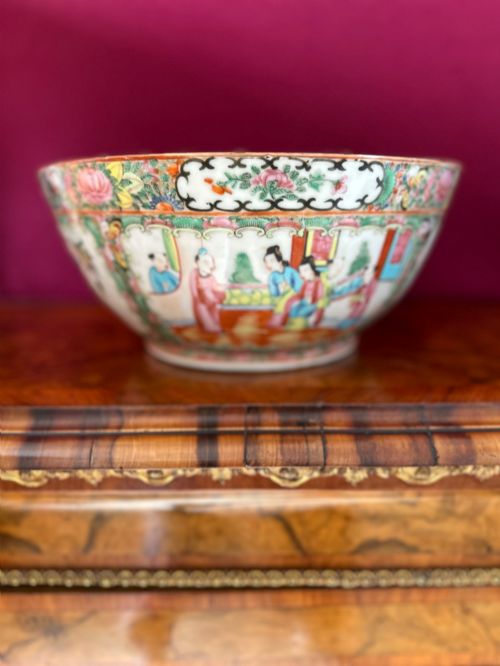
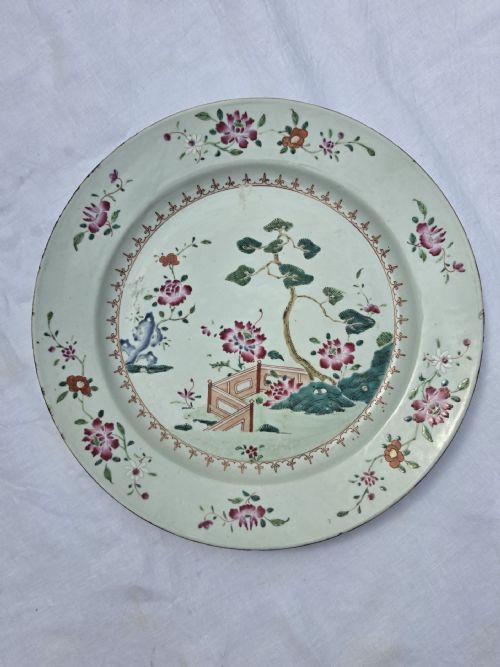
Pink Rose Painting
A pink rose painting captures botanical delicacy across centuries of porcelain and canvas.
Pink Rose Painting
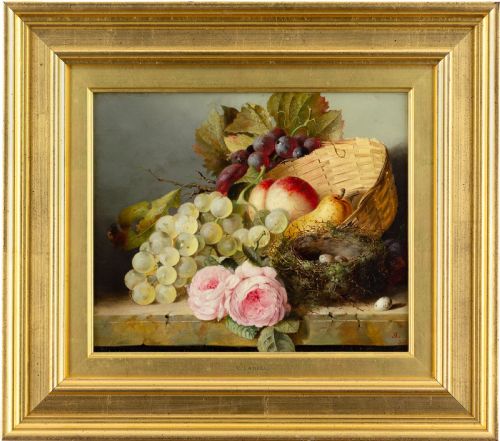
A pink rose painting encompasses floral subjects rendered across diverse formats, uniting botanical studies with decorative arts. Buyers searching this phrase encounter European canvases alongside Chinese export ceramics and regional porcelain.
The objects span multiple periods, from eighteenth-century Qianlong production through nineteenth-century Victorian output into twentieth-century works. Forms include oil paintings, porcelain plates, bowls, vases, and teapots decorated with floral motifs.
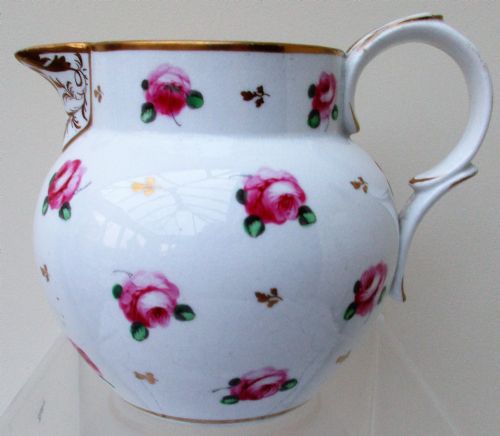
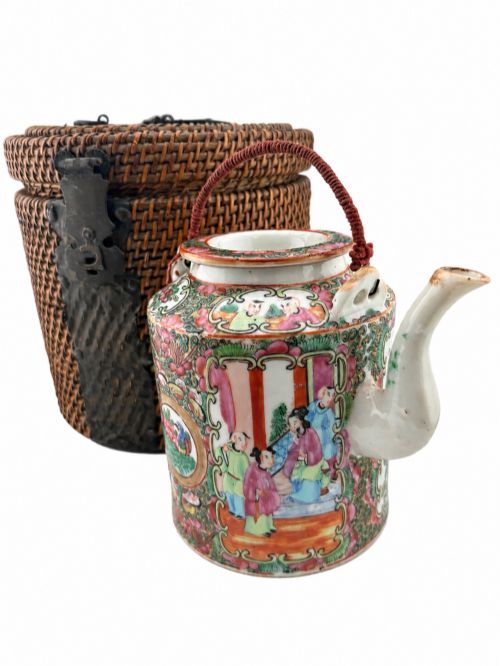
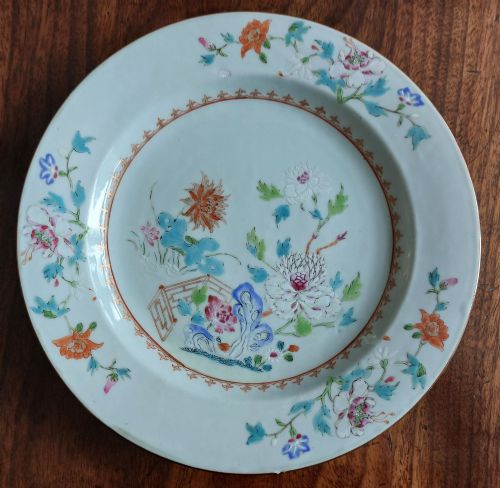
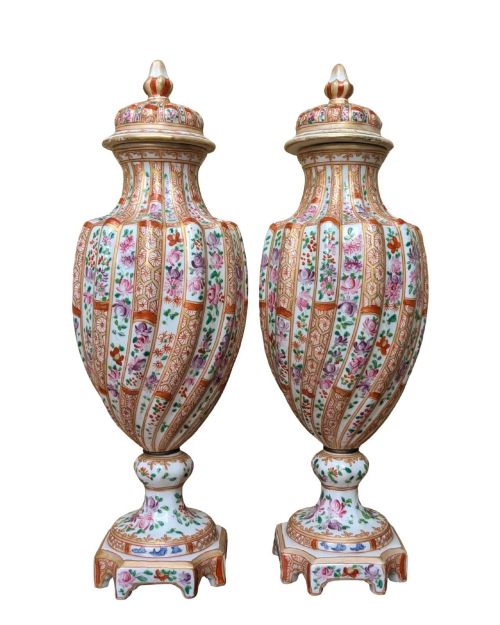
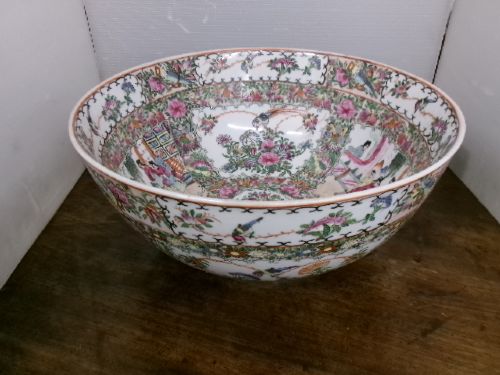
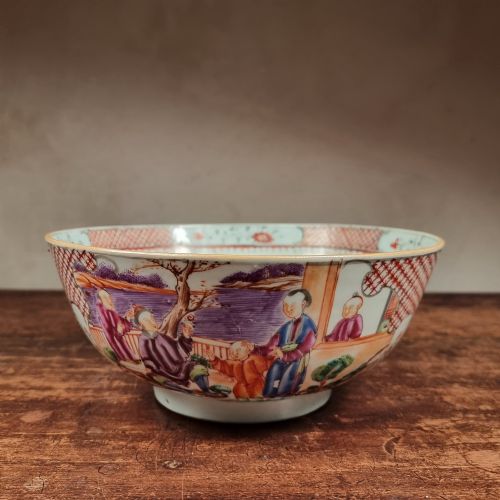
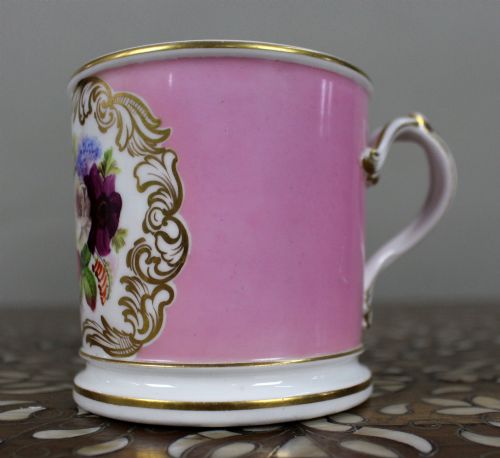
Chinese Canton and Famille Rose wares dominate the ceramic selections, often featuring hand-painted pink blossoms alongside figurative or avian scenes. European porcelain factories such as Worcester, Derby, and Wemyss also contribute specialised floral vessels.
How they were made
Ceramic pieces utilise hard-paste porcelain or earthenware bodies decorated with overglaze enamel pigments. Painters applied rose pinks alongside gilt accents, sometimes incorporating gold leaf on moulded surfaces.
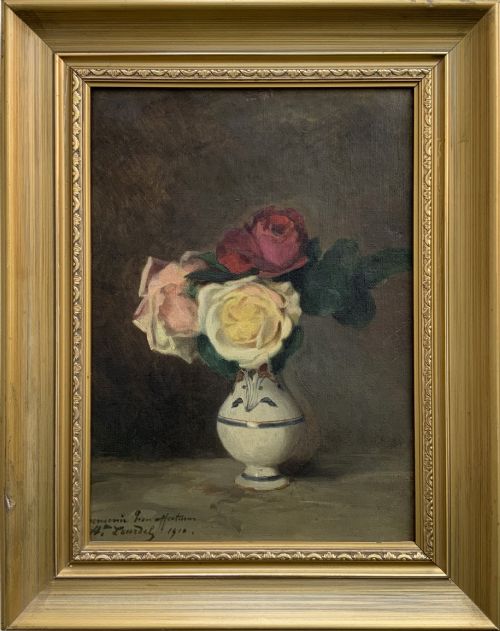
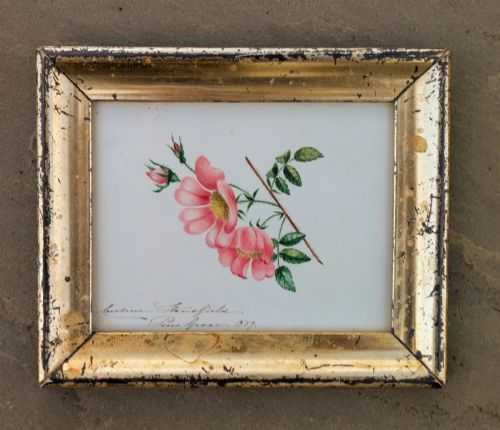
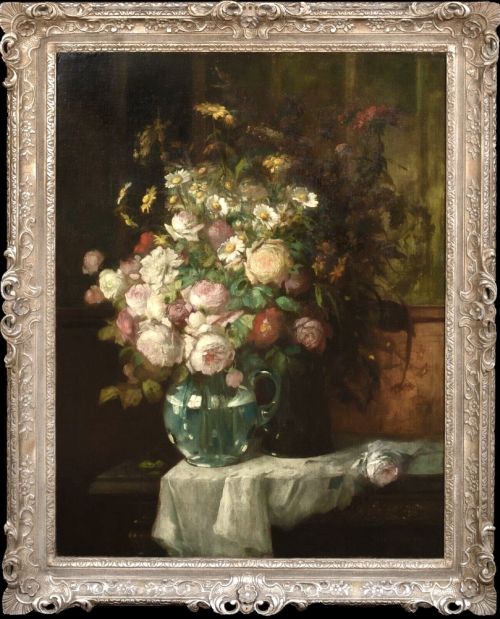
Canvases employ oil paints or watercolours on stretched fabric or paper to depict floral still lifes. Artisans combined brushwork techniques to capture the soft petals and foliage of wild and cultivated roses.
Pink Rose Painting Retail Price Guide 2026
Typical asking prices for pink rose painting among the pieces listed under this phrase on Sellingantiques today, from the lower quarter to the upper quarter. They describe what is for sale here now, not the wider market.
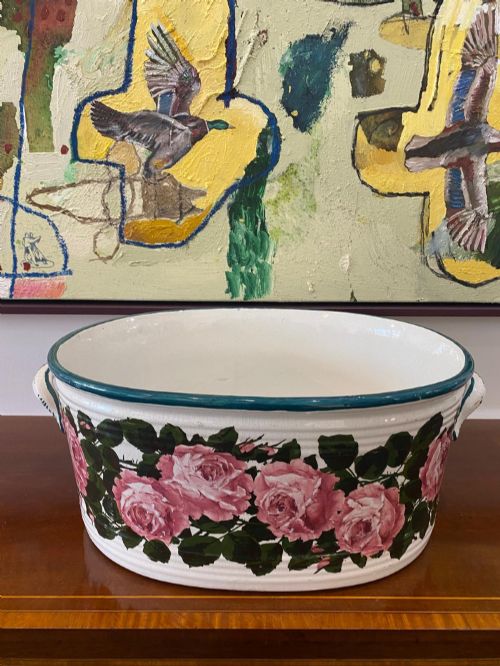
Wemyss cabbage roses bring an unapologetically cheerful jolt of nursery-plate charm to any solemn nineteenth-century sideboard.
What varies in quality
Quality rests upon the precision of the brushwork and the depth of the enamel or pigment application. Finer ceramic examples display crisp detailing in the floral motifs and controlled overglaze firing without pitting.
On canvas and paper, the naturalism of the composition and the subtlety of colour blending determine the standard. Superior pieces maintain harmonious balance between the floral subject and the surrounding ground.
Edme Samson·Wemyss·Royal Worcester·Konstantin Stoitzner·Edward Ladell
The Pink Rose Painting Glossary
- Famille Rose
- A major palette of Chinese ceramic enamels introduced during the Qing Dynasty, distinguished by opaque pink or rose colours derived from colloidal gold.
- Overglaze Enamel
- Ceramic decoration applied to a previously fired and glazed surface, requiring a lower secondary kiln firing to bond the colours.
- Still Life
- An artwork depicting mostly inanimate subject matter, typically commonplace objects or natural items such as cut roses in a vase.
- Gilt
- Application of a thin layer of gold or gold leaf to the surface of porcelain, wood, or metal to provide decorative highlights.
- Moon Flask
- A flattened ceramic vessel with a circular body, two small handles, and a narrow neck, often decorated with painted floral panels.
Pink Rose Painting: Frequently Asked Questions
What is a pink rose painting?
A pink rose painting refers to artwork and decorated ceramics featuring floral rose motifs in pink pigments. The category spans oil paintings on canvas and hand-painted porcelain vessels.
These objects cross European and Asian traditions, encompassing eighteenth-century export porcelain and nineteenth-century still life paintings. Each piece highlights floral subjects through distinct regional techniques.
How are Famille Rose pieces identified?
Famille Rose ceramics are identified by their characteristic opaque pink enamel colours used in the decorative painting. This palette developed during the Qing Dynasty and appears on plates, bowls, and vases.
The enamel work is typically applied over a white porcelain glaze, often combined with gilt highlights and intricate border patterns. Many pieces originate from Chinese export kilns during the eighteenth and nineteenth centuries.
Where were these porcelain pieces made?
These porcelain pieces were produced in major Chinese kiln centres like Jingdezhen and Canton for domestic and export markets. European factories also manufactured comparable floral wares.
English works originated from establishments such as Worcester and Derby, while French makers produced Sevres-style items. Each region applied distinct local methods to render the floral designs.
How do I care for antique porcelain?
Antique porcelain requires gentle handling to protect fragile overglaze enamels and applied gilding from abrasion. Items should be kept away from direct sunlight and washed by hand when necessary.
Avoid using harsh cleaning agents or abrasive cloths on the painted surfaces. Display vessels securely on stable surfaces or dedicated stands to prevent accidental knocks.