



Pink Porcelain Jug
A pink porcelain jug brings soft colour to a table, combining delicate ceramic bodies with hand-painted detail from the eighteenth century onwards.
Pink Porcelain Jug
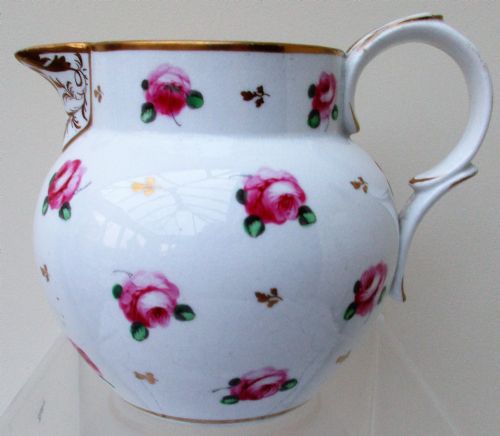
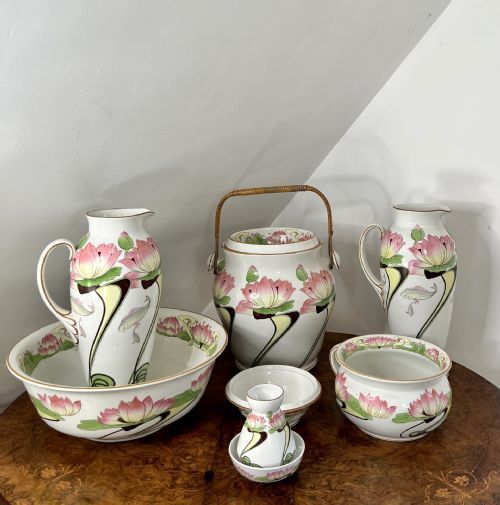
A pink porcelain jug is an item for the table or washstand, appearing in forms ranging from small cream jugs to larger ewers and wash sets. When you search for a pink porcelain jug, you encounter pieces spanning the Georgian, Victorian, and Edwardian eras, each reflecting the prevailing domestic habits of its time.
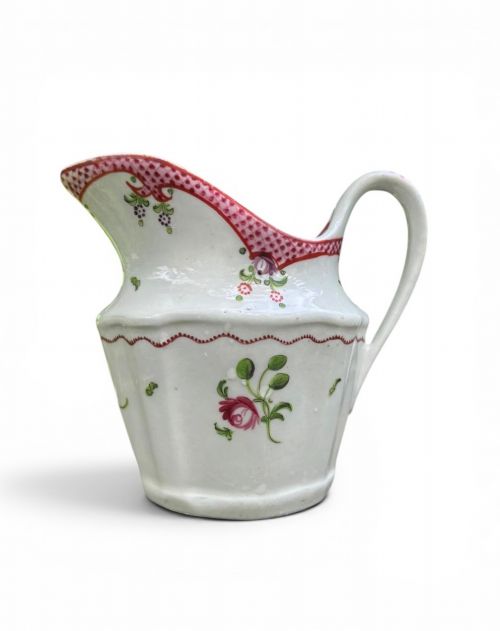
The domestic cream jug dominates the earlier entries, particularly eighteenth-century examples from makers like New Hall and Coalport, while later Victorian and Edwardian periods introduce larger decorative ewers and wash set pieces. These objects served functional roles in serving cream or water before evolving into purely decorative cabinet pieces.
Origins stretch from English factories such as Royal Worcester and Grainger Worcester to continental workshops like Royal Vienna and Chinese export kilns. Buyers find both intimate cream jugs intended for tea service and grander reticulated ewers designed for display.
Materials and technique
Makers utilised fine porcelain bodies, often enhanced with enamel colours and gold leaf gilding to create the characteristic pink and gilt decoration seen across these pieces. Techniques such as hand-painting and reticulation required skilled kiln work to fuse the glaze and metal highlights onto the ceramic surface.
The application of glaze provides the glossy finish common to these items, while earthenware and cane details appear alongside porcelain in specific bathroom sets and decorative figures. Enamel pigments deliver the soft pink tones that define the palette of these jugs and ewers.
Pink Porcelain Jug Retail Price Guide 2026
Typical asking prices for pink porcelain jug among the pieces listed under this phrase on Sellingantiques today, from the lower quarter to the upper quarter. They describe what is for sale here now, not the wider market.
The listings include porcelain, enamel, gilt, gold leaf, earthenware, glaze, cane, and gilding across pieces spanning the eighteenth century to the twentieth century.
Factors in quality
The refinement of the porcelain body and the crispness of the hand-painted enamels separate standard utility vessels from exceptional display pieces. Finer items exhibit precise gilding and intricate reticulation, showing the hand of a skilled decorator rather than mass production.
The integrity of the glaze and the preservation of the gold leaf over time indicate how well a piece was fired and cared for in its original domestic setting. Earlier Georgian cream jugs often display thinner, more translucent pastes compared to heavier Victorian forms.
New Hall·John Rose Coalport·Royal Worcester·Grainger Worcester·Royal Vienna·Royal Dux
The Pink Porcelain Jug Glossary
- Ewer
- A large jug with a wide spout and handled base, historically used for pouring water or as a decorative ornament.
- Reticulation
- An openwork net pattern cut into the porcelain before firing, requiring considerable skill to prevent distortion in the kiln.
- Gilding
- The application of gold leaf or gold paint to ceramic surfaces, used to highlight rims, handles, and painted panels.
- Sparrow beak
- A small eighteenth-century cream jug shape characterised by a distinctively pinched, bird-like pouring lip.
- Enamel
- Opaque glass-like colours fused to the porcelain surface during firing to create bright, permanent decorative scenes.
Pink Porcelain Jug: Frequently Asked Questions
What were pink porcelain jugs used for?
These pieces served practical household tasks such as pouring cream at the tea table or holding water as part of a bedroom wash set. Over time, many larger ewers transitioned from functional items to decorative objects displayed on mantelpieces or in cabinets.
Smaller cream jugs remained closely tied to tea service rituals throughout the Georgian and Victorian periods. Their design evolved to suit changing domestic habits and interior tastes.
How can I tell a Georgian jug from a Victorian one?
Georgian pieces, such as those from the eighteenth century, tend to feature finer, more translucent porcelain bodies and simpler domestic forms like sparrow beak cream jugs. Victorian items often display heavier handles, bolder polychrome decoration, and more elaborate moulded or reticulated shapes.
Examining the base, paste texture, and style of painting helps distinguish between the two eras. Makers' marks, where present, also provide clear chronological reference points.
What is a Chinese export porcelain jug?
Chinese export porcelain refers to wares made in China specifically for the European market, often following Western shapes while retaining traditional Asian painting styles. Famille rose patterns, featuring opaque pink enamels, are typical of these eighteenth-century pieces.
These jugs arrived via trade routes and combined Eastern ceramic techniques with European domestic requirements. They remain distinct for their thin body and unique palette.