

Pine Wooden Trunk
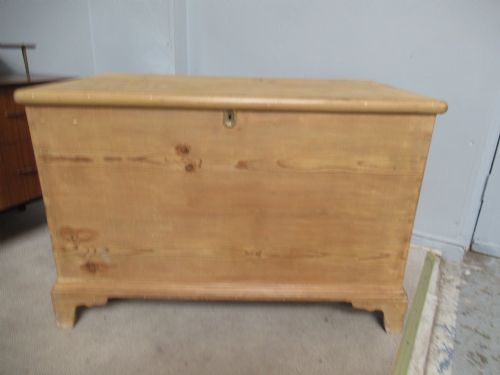
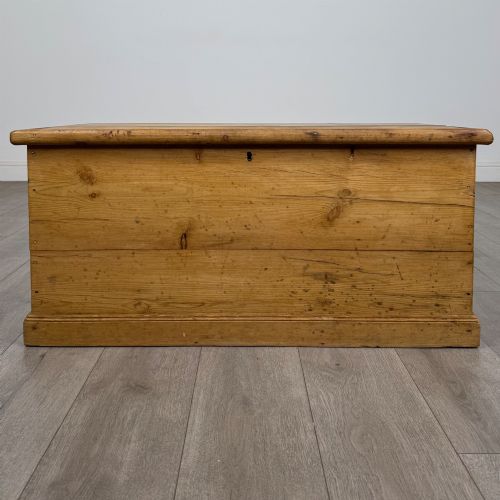
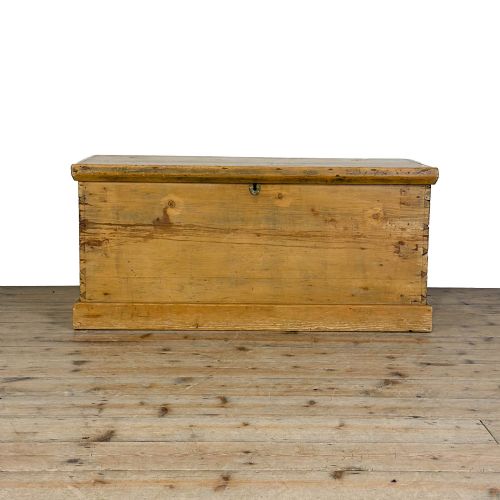
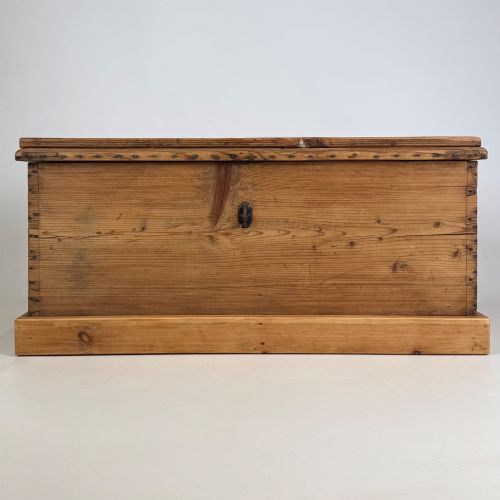
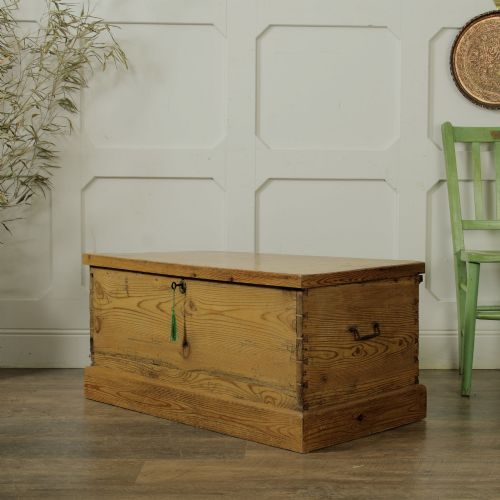
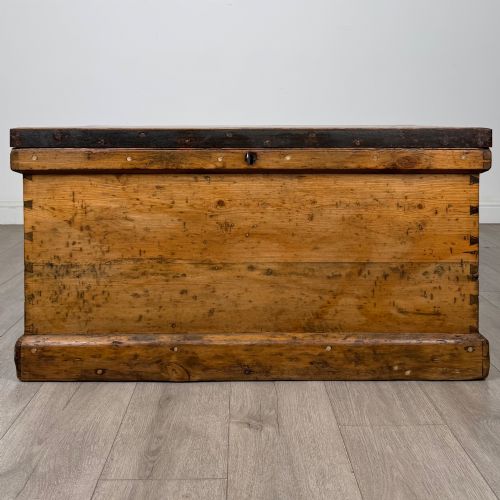
A pine wooden trunk brings robust utility and honest charm to a room, offering generous storage built from sturdy timber.
Pine Wooden Trunk
When searching for a pine wooden trunk, buyers encounter a diverse selection of storage chests, blanket boxes, and coffers spanning several centuries. The pieces originate from domestic workshops across Britain, Scandinavia, France, and other European regions, reflecting local traditions in their construction and finish.
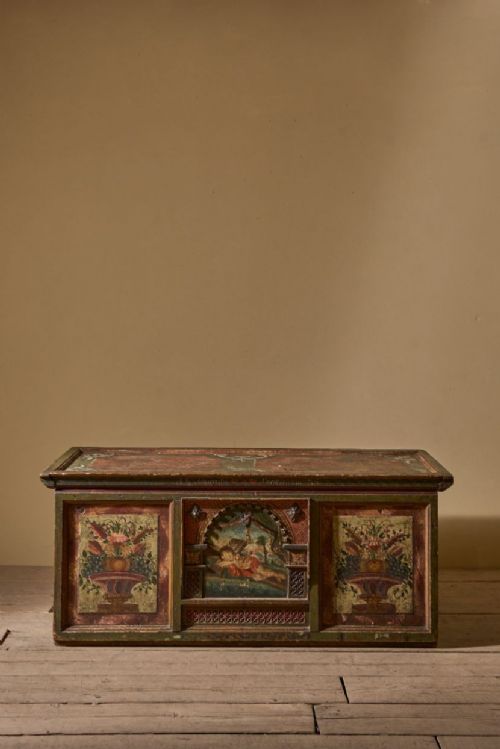
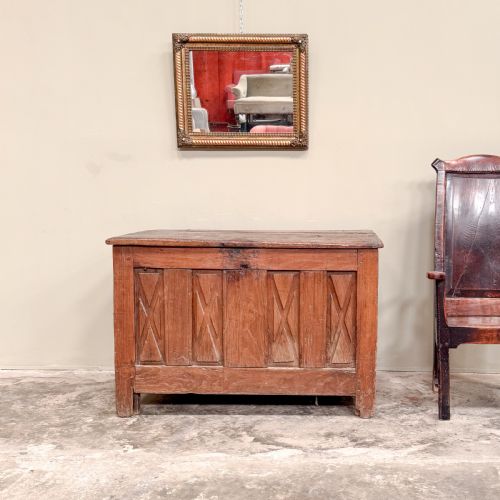
Victorian and nineteenth-century examples dominate the selections, alongside earlier Georgian and eighteenth-century items. Forms range from simple blanket boxes and travel trunks to fitted tool chests, mule chests featuring internal drawers, and painted marriage chests.
Styles vary from utilitarian rustic farmhouse and country pieces to more decorative folk art and painted finishes. Buyers select these items for practical household storage, hallway seating, or as focal points displaying authentic period character.
Materials and construction methods
Makers utilised standard pine alongside denser pitch pine and Oregon pine for structural durability. Boards were joined to form deep rectangular bodies, often featuring hinged lids designed to protect contents from dust and moisture.
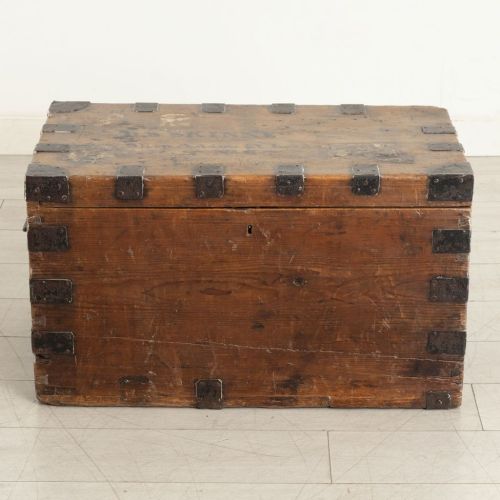
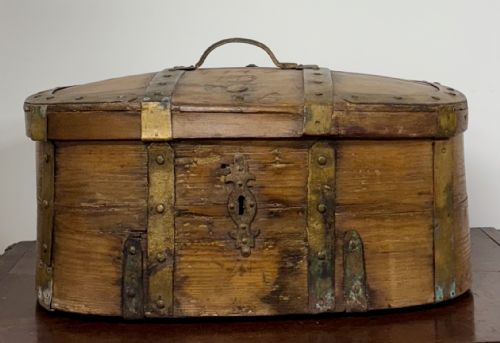
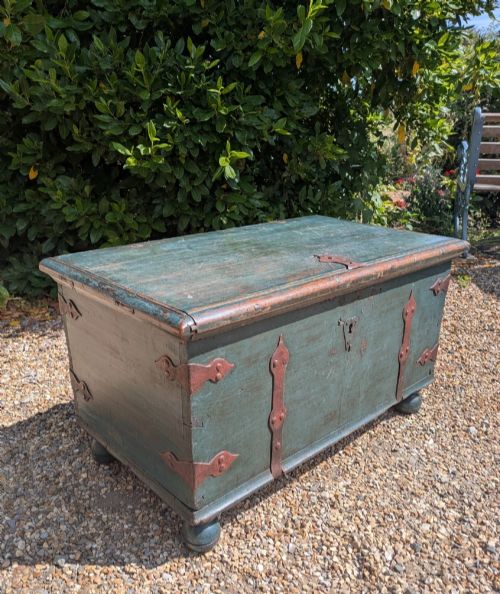
Hardware played a crucial role in reinforcement and transport. Hand-forged iron strapwork, brass bindings, and sturdy iron handles strengthened corners and lids on travel trunks, campaign chests, and heavy storage boxes.
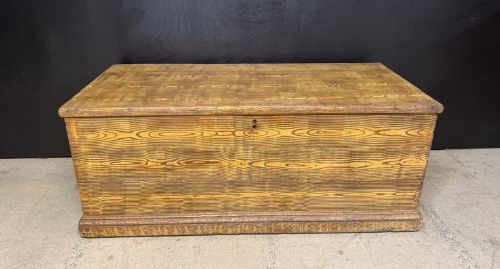
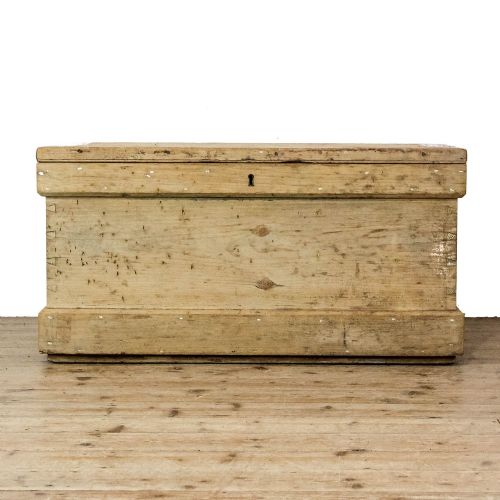
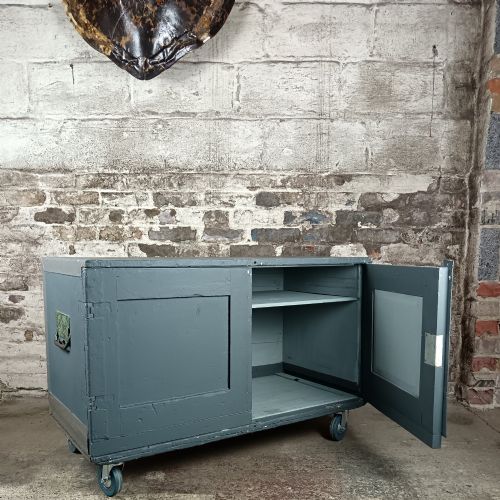
Surface treatments varied significantly according to regional taste and domestic use. Pieces display natural waxed pine, scumble painted finishes, original folk art decoration, or protective layers of historic paint.
A nineteenth-century trunk once belonged to Jessie Degan Cole of Dawn House in Winchester, adding a distinct documented provenance.
What separates the finest examples
Quality rests in the integrity of the timber and the preservation of original surfaces. Unaltered structural elements, original hardware such as hinges and locks, and untouched historic paint or rich patination elevate an example significantly.
Internal complexity also distinguishes superior pieces. Boxes featuring fitted internal drawers, secret compartments, or dovetailed construction demonstrate a higher standard of joinery from the maker than basic nailed carcases.
The Pine Wooden Trunk Glossary
- Mule chest
- A storage chest fitted with one or more drawers at the base beneath the main compartment. This form evolved during the seventeenth and eighteenth centuries to provide easier access to linens without opening the lid.
- Scumble paint
- A translucent or broken colour glaze applied over a base coat to simulate the grain of more expensive hardwoods or create decorative patterning. Artisans frequently utilised this technique on nineteenth-century domestic furniture.
- Strapwork
- Metal bands or hinges fixed across the exterior of a trunk to reinforce joints and protect corners during transport. These elements are often hand-forged from iron.
- Pitch pine
- A durable timber derived from North American pine species containing high resin content. It provides exceptional strength and a distinctive grain pattern.
- Cooffer
- A large wooden chest traditionally used for storing valuables, documents, or textiles before the widespread use of wardrobes.
Pine Wooden Trunk: Frequently Asked Questions
How were pine trunks used historically?
These chests served primarily for storing household linens, blankets, clothing, and personal possessions in domestic settings. Their sturdy construction also made them suitable for travel and military transport.
Heavier versions functioned as tool chests for tradesmen or secure storage for valuable household documents.
How do I care for a waxed pine finish?
Maintain the timber by applying a traditional beeswax polish periodically to nourish the wood and preserve the surface sheen. Avoid placing the chest in direct sunlight or near heat sources to prevent timber splitting.
Clean the surface gently with a dry or barely damp cloth, avoiding harsh chemical cleaners that strip historic patination.
How can I tell the period of a pine trunk?
Examine the construction methods, such as dovetail joints, handmade nails, and the type of hinges used on the lid. Earlier eighteenth-century pieces often display hand-planed boards and simpler, robust joinery.
Nineteenth-century examples frequently incorporate machine-sawn timber, brass hardware, or specific painted decorations characteristic of the Victorian era.
Are these trunks suitable for modern living?
Pine chests offer substantial concealed storage capacity for living rooms, bedrooms, and hallways while functioning as decorative coffee tables or window seats. Their neutral wood tones and painted finishes complement both contemporary and traditional interiors.
Internal spaces accommodate bulky items like spare bedding, winter garments, and shoes.