
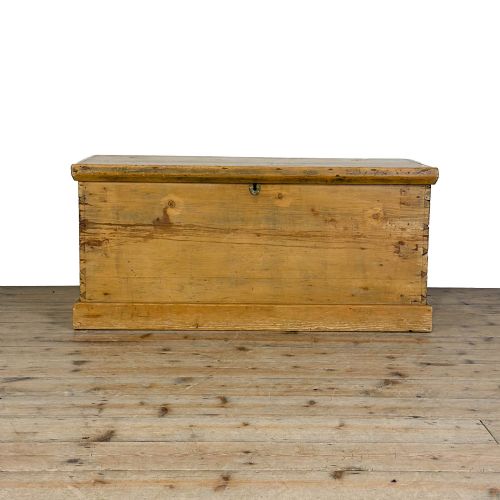
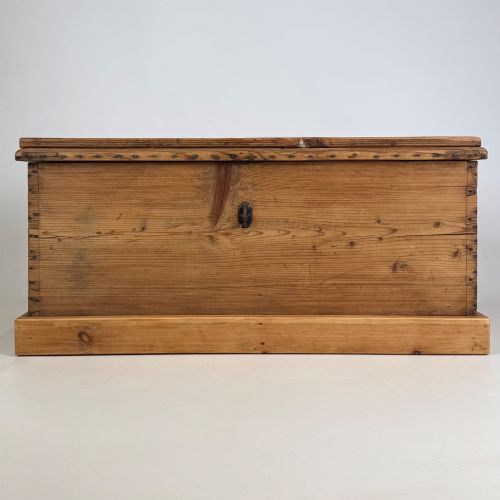
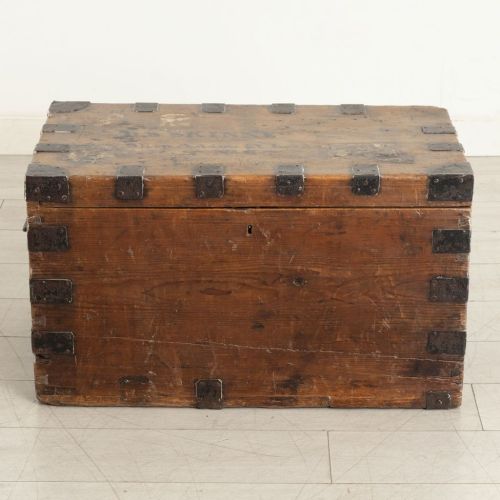
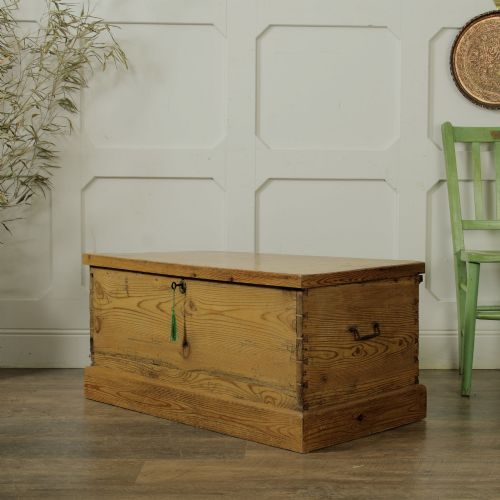
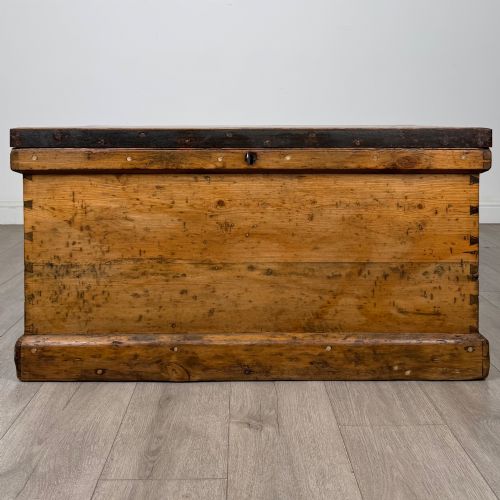
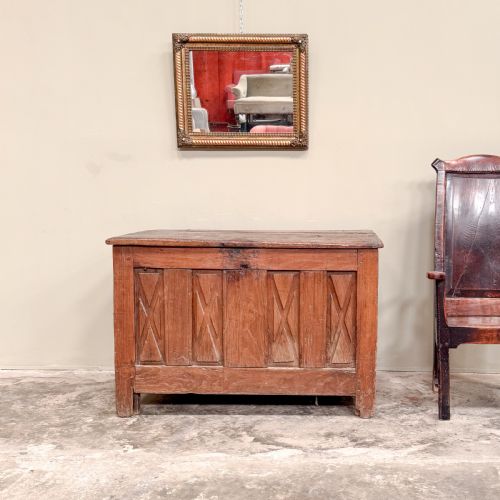

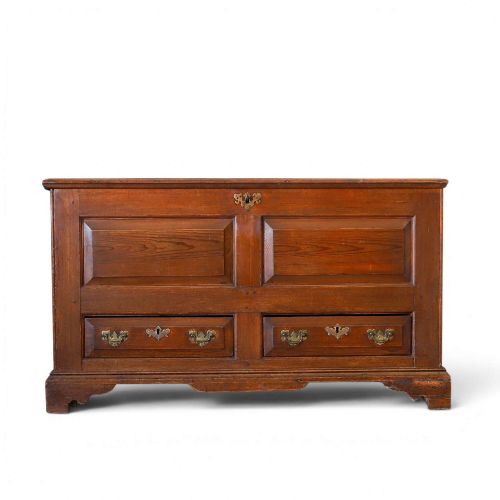
Pine Wooden Storage Coffer
A pine wooden storage coffer offers robust utility and honest charm, bringing straightforward domestic history into a modern room.

Pine Wooden Storage Coffer
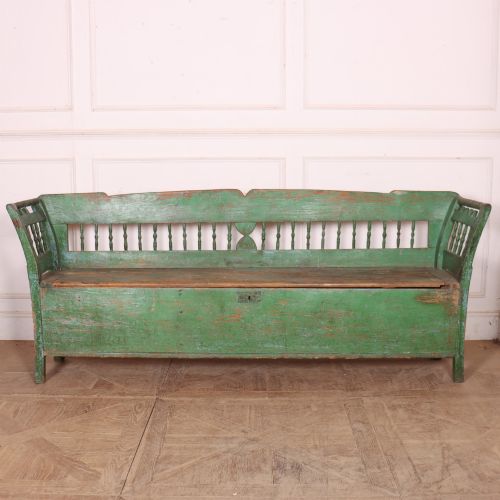
When you search for a pine wooden storage coffer, you encounter sturdy timber receptacles built for domestic utility across the eighteenth and nineteenth centuries. These pieces encompass blanket boxes, mule chests, travel trunks, and bench-seating hybrids originating from British, French, Scandinavian, Dutch, and Hungarian traditions.
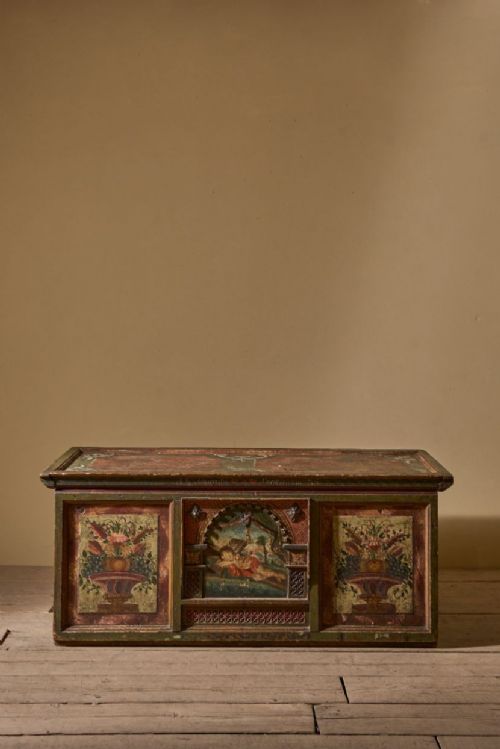
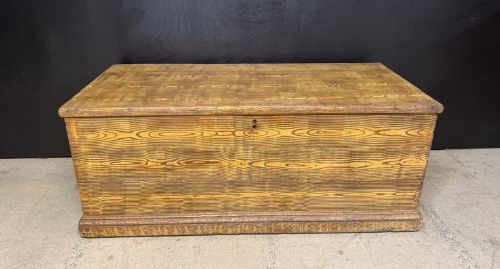
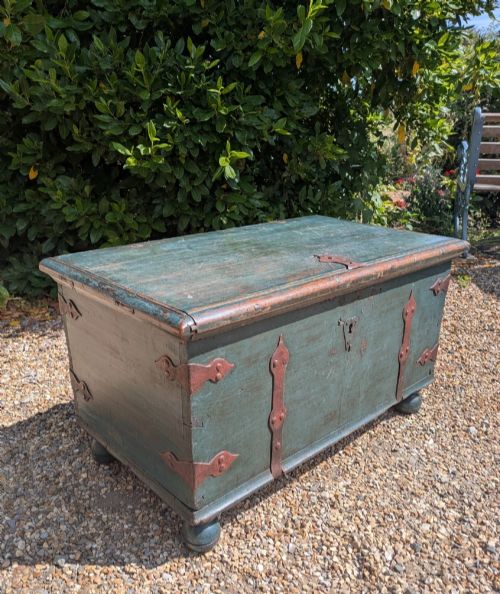
You are most likely to meet nineteenth-century Victorian examples finished with wax, scumble paint, or hand-forged iron strapwork. Earlier Georgian and eighteenth-century specimens appear alongside specialised forms like pitch pine chests with internal drawers or brass-bound campaign trunks.
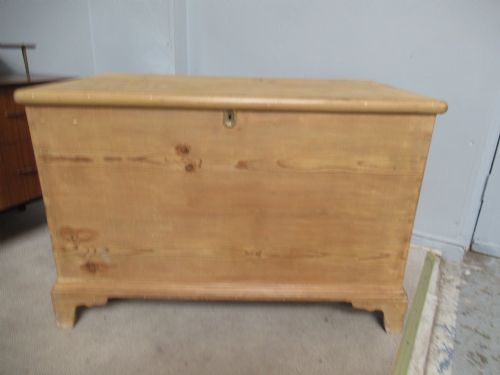
These items served practical roles holding linens, tools, and travel gear in farmhouses, country homes, and estates. Their surviving forms reflect regional vernacular furniture design, utilising softwoods that acquired deep patination through generations of domestic use.
How they were made
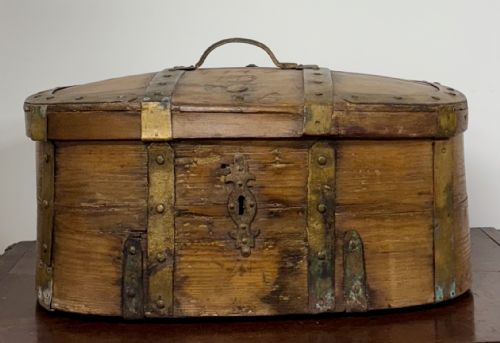
Carpenters utilised native pine and pitch pine boards joined with dovetail or pegged construction to build rigid walls capable of withstanding heavy loads. Lids were hung on iron hinges, often secured by strapwork or heavy corner brackets for durability during transport.
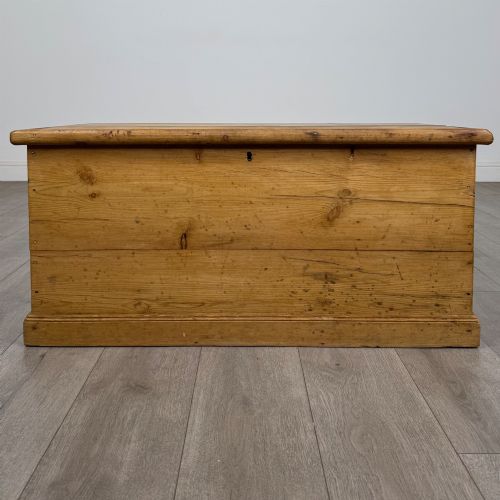
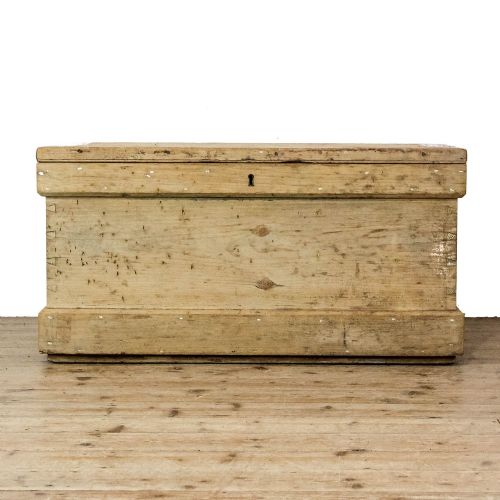
Surface treatments varied from simple transparent wax finishes that highlighted the timber grain to decorative applications of paint, scumble glazes, and folk art motifs. Iron, brass, and wrought hardware provided both structural reinforcement and functional locking mechanisms.
One Swedish marriage chest waited patiently through the nineteenth century, holding linens embroidered with promises that outlasted the winter frost.
What varies in quality
The degree of original survival separates everyday utility pieces from superior examples, particularly regarding undisturbed paint surfaces, authentic hardware, and untouched interior fittings like till boxes and drawers. Integration of hand-forged iron strapwork or original regional decoration elevates a piece above standard workshop production.
Structural integrity depends on timber selection, where dense pitch pine or well-seasoned old-growth softwood resists warping and maintains tight joinery over centuries. The subtlety of patination - formed through natural oxidation and consistent waxing - distinguishes untouched antique surfaces from later interventions.
The Pine Wooden Storage Coffer Glossary
- Mule chest
- A storage chest featuring one or more drawers built into the base beneath the main compartment. This form bridges the traditional blanket box and the chest of drawers.
- Pitch pine
- A resinous North American and European pine species valued for its density and striking grain patterns. It provided exceptional durability for heavy-duty trunks and chests.
- Scumble
- A translucent or semi-opaque layer of paint applied over a base coat and manipulated with combs or rags to imitate more expensive grained woods. It defined much nineteenth-century decorative country furniture.
- Strapwork
- Flat metal bands fixed to the exterior of a chest to reinforce corners, hinges, and seams. These straps were frequently hand-forged by local blacksmiths.
- Patina
- The surface sheen and colour acquired by timber through age, handling, and wax polishing. It serves as a key indicator of original finish and continuous history.
Pine Wooden Storage Coffer: Frequently Asked Questions
How were pine coffers used originally?
These boxes functioned primarily as heavy-duty storage for woollens, household linens, and personal apparel in domestic chambers. They also served as travel trunks for transit or as seating benches in farmhouse kitchens and hallways.
Interior compartments, known as tills, held smaller valuables, documents, or candles securely away from the main contents. Their robust lids allowed them to double as tables or steps when space demanded multi-functional utility.
How do I distinguish eighteenth and nineteenth century pine?
Eighteenth-century pieces typically exhibit wider board widths, hand-cut joinery such as large dovetails, and deeper natural patination developed over longer exposure. Regional construction methods, particularly in French and Scandinavian pieces, often display distinct nail types and timber preparation.
Nineteenth-century examples frequently incorporate standardised machine-sawn components, though country workshops retained hand-forged hardware well into the Victorian era. Painted finishes and scumble work also reflect Victorian taste compared to earlier Georgian waxed surfaces.
Can I use a coffer as a coffee table?
The flat lids and sturdy construction of these chests make them suitable for use as low tables in living spaces. Their internal capacity simultaneously conceals everyday clutter like blankets, books, and media items.
Ensure the hinges and lid stability support any intended surface use without straining the antique timber or historical hardware. Placing protective pads beneath objects prevents accidental scratching of waxed or painted tops.
What is a mule chest?
A mule chest combines the deep top-loading compartment of a traditional blanket box with one or more lower drawers. This hybrid form emerged when makers recognised the difficulty of accessing items at the bottom of a deep chest.
Georgian and nineteenth-century examples often feature brass drawer pulls and fine dovetailing on these lower compartments. The design represents an intermediate step in furniture evolution toward the standard chest of drawers.