


Hand Painted Pine Chest
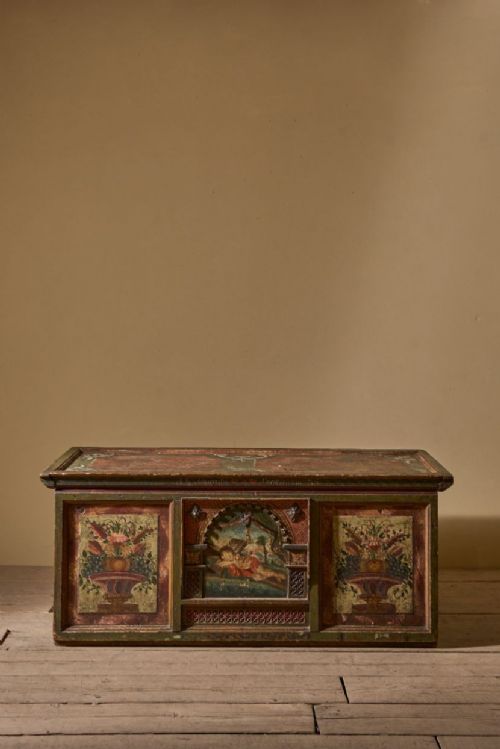
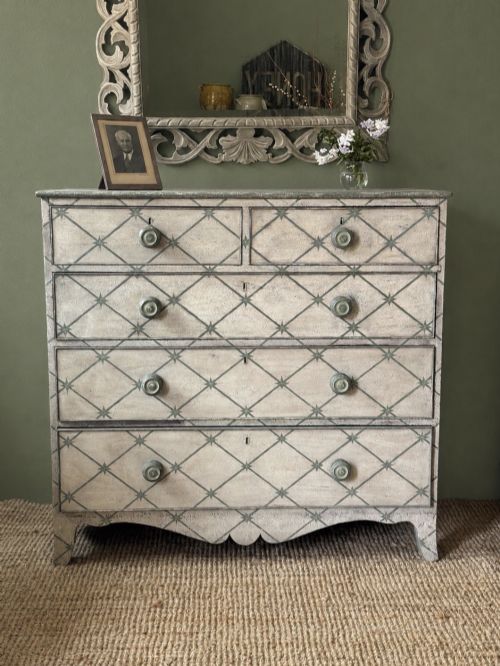
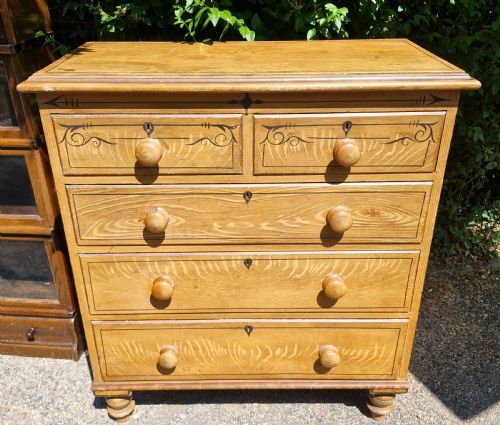
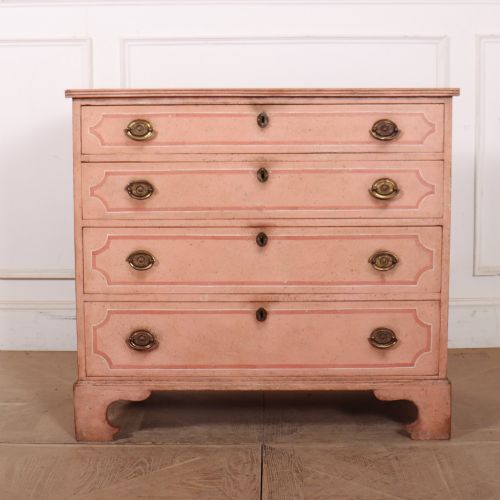
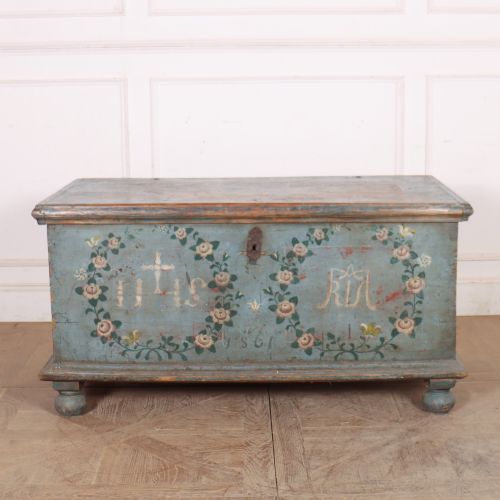
These hand painted pine chest examples bring together robust domestic storage and decorative folk traditions across European workshops.

Hand Painted Pine Chest
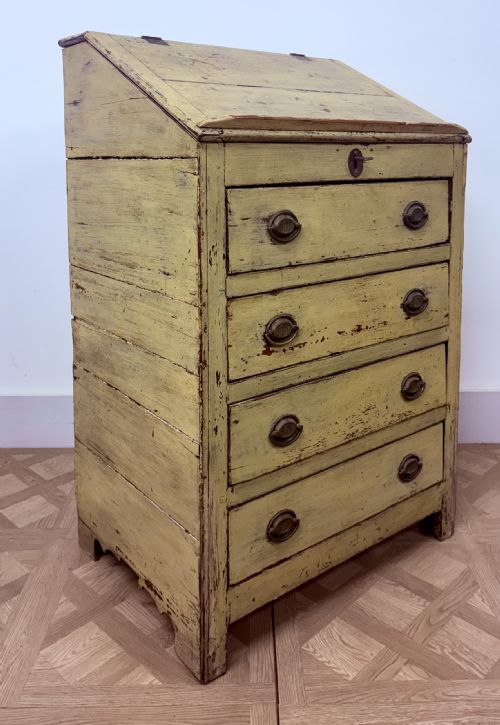
A hand painted pine chest serves as a sturdy receptacle for household textiles and valuables, taking the form of blanket boxes, coffers, storage boxes, and chests of drawers. These pieces emerge from domestic and provincial settings across Britain, Scandinavia, Hungary, Spain, and the Alpine region.
The 19th century and Victorian periods dominate the selection, alongside Georgian examples and pieces from the 1930s. Buyers frequently encounter dome top coffers and marriage chests alongside utilitarian chests of drawers finished with pigment.
Regional variations shape the character of each hand painted pine chest, from Scandinavian folk art motifs to English provincial writing slope drawers. Makers built these items to endure daily household use while displaying local decorative customs.
Materials and construction
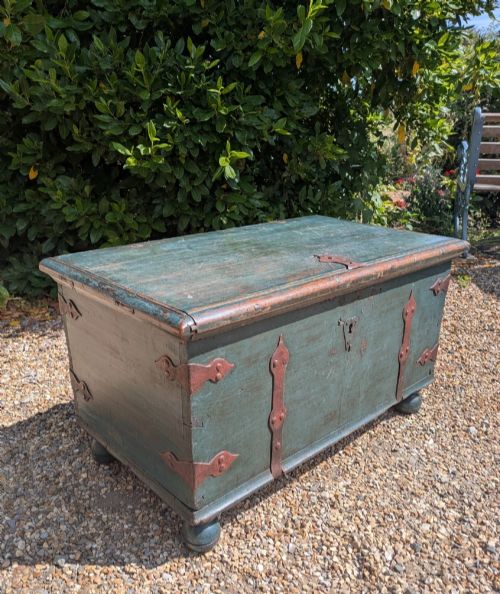
Carpenters constructed these items primarily from solid pine timber, utilising boards joined to form deep storage cavities or drawer carcases. Workshops reinforced corners and lids with hand forged iron strapwork and brass hardware.
Surface decoration relies on pigment applied directly to the wood, sometimes employing scumbling techniques or simulated birch effects to mimic costlier timbers. Painters often added decorative floral motifs, lettering, or Moorish style ornamentation over the original painted ground.
Listings feature pine, painted wood, wrought iron, and brass across 19th-century, Victorian, and Georgian periods.
Judging the work
Quality rests upon the preservation of the original paint surface and the integrity of the pine timber beneath. Pieces retaining untouched pigment and authentic decorative brushwork command greater interest than later repainted surfaces.
Structural honesty distinguishes finer examples, visible in the hand forged iron strapwork, dovetail joints, and original brass fittings. The precision of provincial joinery and the execution of folk art decoration determine the standing of each piece within its regional tradition.
GEMLA FABRIKERS
The Hand Painted Pine Chest Glossary
- Scumble
- A translucent layer of dark paint manipulated over a lighter base colour to create broken colour effects or simulate wood grain. This technique appeared frequently on Victorian pine furniture.
- Marriage chest
- A celebratory storage box commissioned for a wedding, often inscribed with initials and dates. These pieces frequently display elaborate folk art painting.
- Coffer
- A heavy wooden chest with a lid, used traditionally for storing valuables and documents. Many feature dome tops and robust iron hardware.
- Strapwork
- Ornamental bands of metal, typically iron or brass, fixed across the exterior of a chest to reinforce the wooden construction. Hand forged examples show individual blacksmith marks.
Hand Painted Pine Chest: Frequently Asked Questions
How were these chests used historically?
Households utilised these boxes and chests for storing bulky textiles, blankets, and personal valuables securely away from damp conditions. Marriage chests specifically held the dowry linens accumulated for a new household.
Larger trunk formats also served as luggage for travel, while fitted chests of drawers combined compartmentalised storage with writing surfaces for daily domestic administration.
How do I care for a painted pine surface?
Protect the original pigment by keeping the chest away from direct sunlight and maintaining stable indoor humidity levels. Dust gently with a dry, soft cloth without applying modern chemical polishes.
Avoid placing damp items directly onto the timber or painted top, as historical pigments remain sensitive to moisture and abrasion.
How can I tell the period of a pine chest?
Examine the construction methods, tool marks on the timber, and the style of the hardware and paintwork. Georgian and early 19th century pieces often feature hand cut dovetails and forged iron hinges.
Victorian and later 19th century examples frequently display machine sawn elements alongside traditional joinery, while specific painted motifs align with regional folk art traditions of the era.
Where were these pieces made?
Craftsmen produced these chests across rural workshops in Britain, Sweden, Hungary, Spain, and the Alpine regions. Each area developed distinct decorative idioms, such as Scandinavian floral panels or English estate made utility finishes.
Local timber availability dictated the use of pine, while itinerant painters or village carpenters applied the surface decoration.