



Pine Two Over Three
Pine two over three chests of drawers offer honest domestic storage, pairing two small upper drawers above three larger ones for everyday utility.
Pine Two Over Three
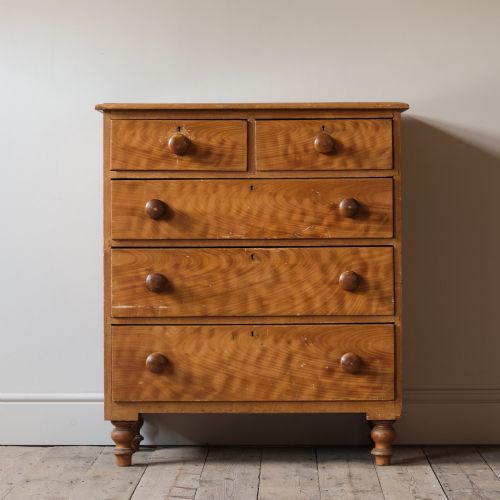
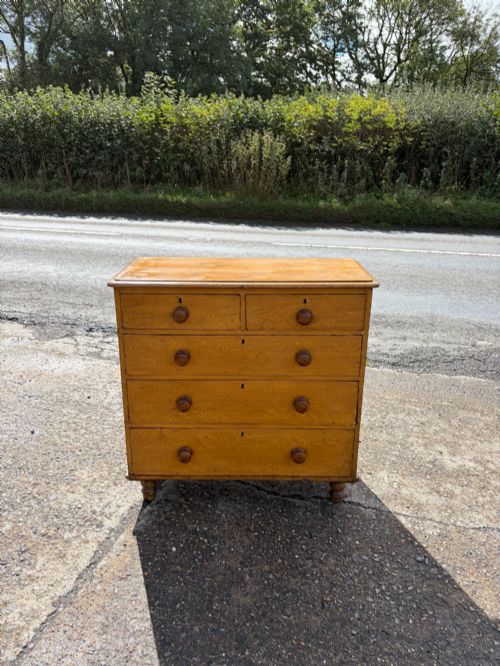
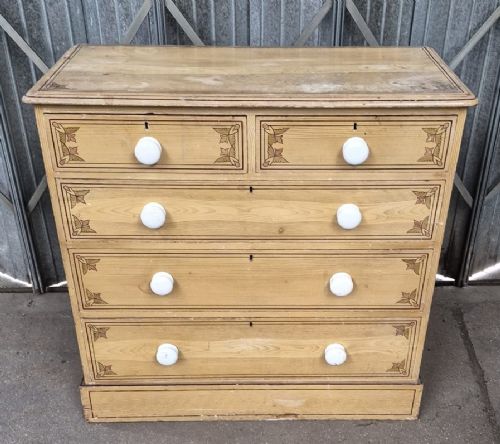
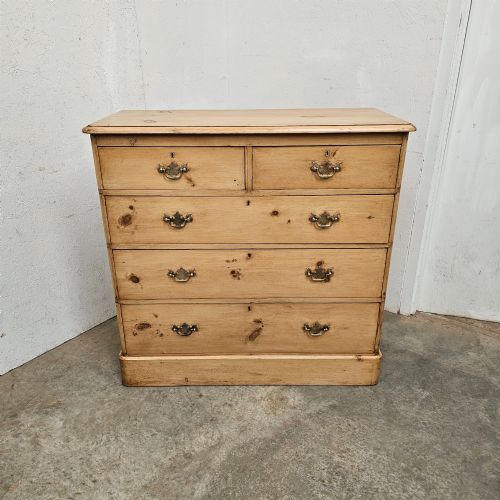
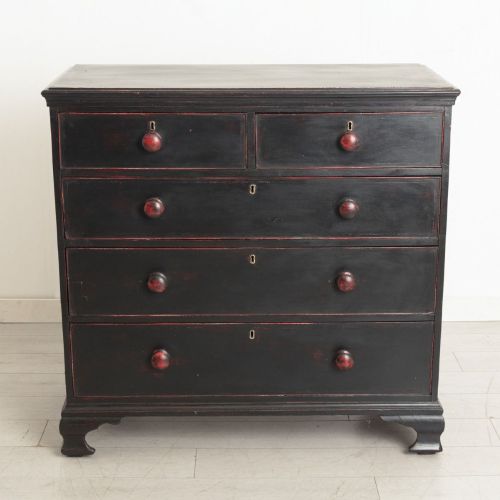
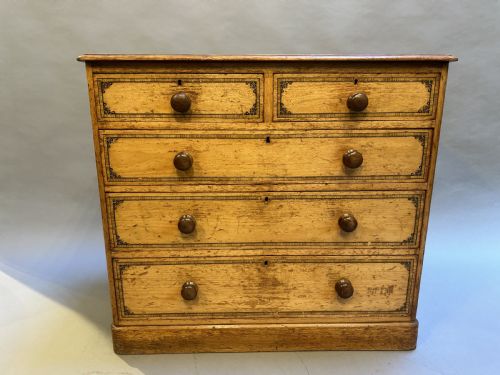
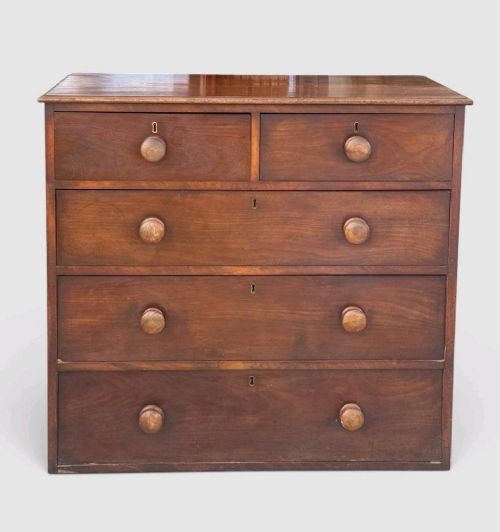
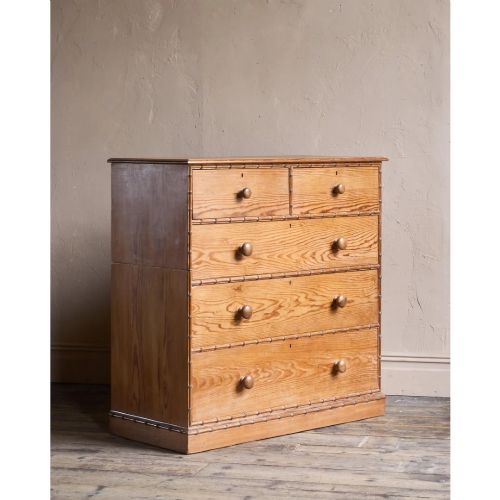
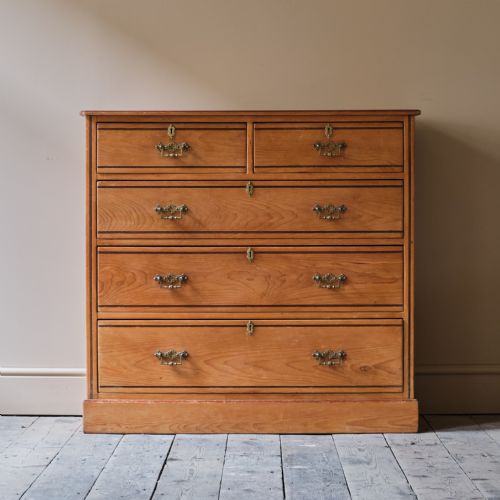
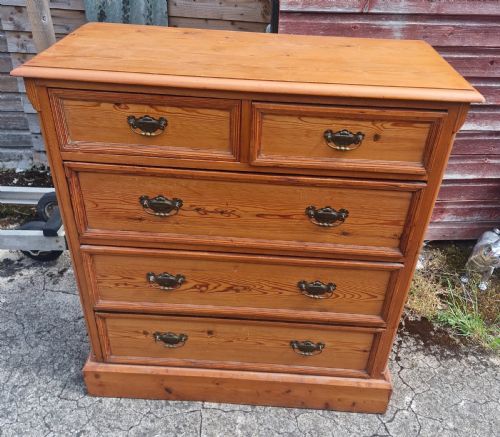
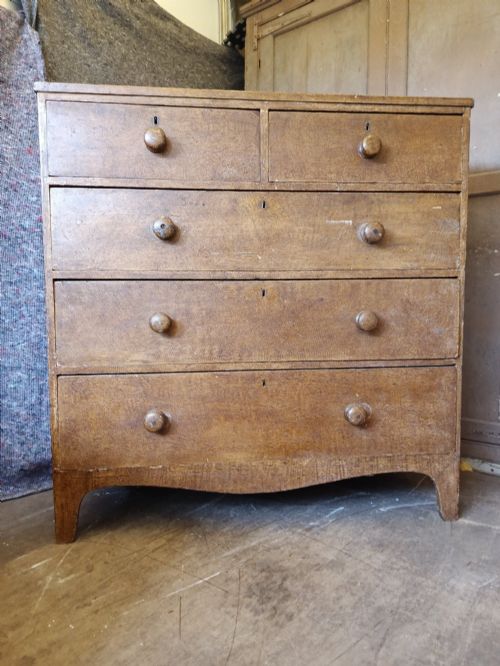
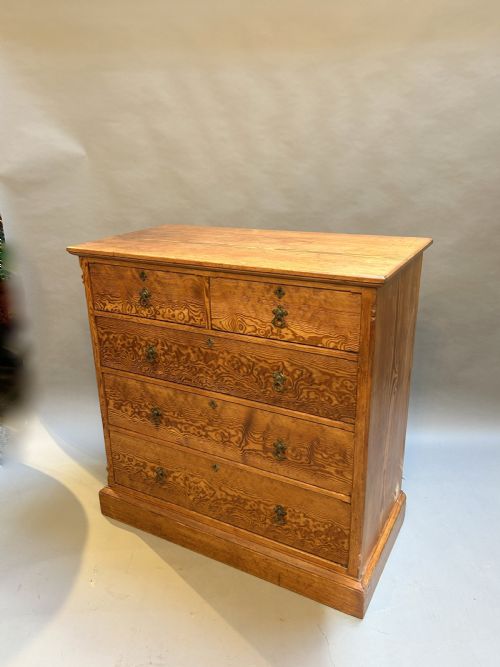
When searching for pine two over three, a buyer finds robust timber chests of drawers built to hold domestic belongings. These practical pieces feature a distinctive arrangement of two half-width drawers sitting directly above three full-width graduating drawers.
Most examples encountered here belong to the Victorian and Edwardian eras, spanning the nineteenth century up to 1900 and beyond. The form remains a staple of traditional bedroom furniture, valued for straightforward proportions and reliable capacity.
How They Were Made
These chests utilise solid wood construction, relying principally on pine as the primary timber. Metal fittings such as brass handles and hardware appear alongside wooden elements to complete the structure.
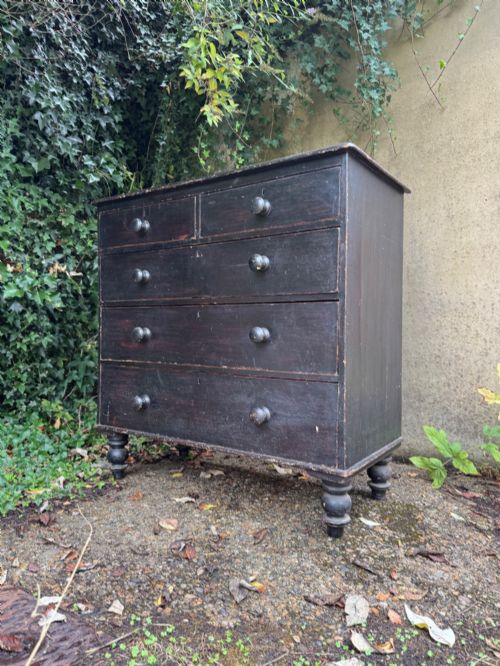
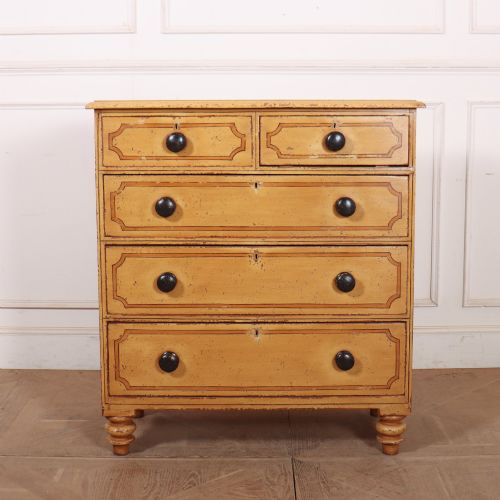
Surface finishes vary across the pieces, with examples displaying stripped wood, traditional wax treatments, historic paint, or scumble glaze. Makers built these items to withstand rigorous daily use in homes of the period.
Pine Two Over Three Retail Price Guide 2026
Typical asking prices for pine two over three among the pieces listed under this phrase on Sellingantiques today, from the lower quarter to the upper quarter. They describe what is for sale here now, not the wider market.
Some nineteenth-century pine chests wear layers of scumble paint so convincingly textured that generations mistook them for walnut.
What Varies in Quality
Quality rests upon the proportion of the carcass and the integrity of the timber joinery. Finer chests maintain smooth drawer operation and well-balanced facades, whereas simpler pieces show more rustic construction methods.
The choice of finish dictates visual appeal, from neatly waxed surfaces to decorative scumble paint effects. Original hardware and undisturbed patination distinguish the more desirable examples from heavily altered pieces.
The Pine Two Over Three Glossary
- Pine
- A soft timber extensively utilised in nineteenth-century cabinet making for sturdy domestic furniture. It takes wax, paint, and scumble finishes readily.
- Scumble
- A decorative paint technique creating simulated grain patterns or mottled effects on wooden surfaces. It gained popularity during the nineteenth century for embellishing utility furniture.
- Victorian
- The period of British history spanning the reign of Queen Victoria, characterised by robust craftsmanship and diverse domestic styles. Pieces from this era often feature heavy timber construction.
- Edwardian
- The period following the Victorian era, lasting until the First World War, known for lighter domestic designs. Edwardian pine furniture often appears stripped to a clean wooden tone.
Pine Two Over Three: Frequently Asked Questions
What is a two over three chest?
A two over three chest is a drawer configuration featuring two smaller drawers placed side by side at the top, positioned above three wider drawers.
This layout allowed for the organisation of smaller items in the upper section while keeping bulkier garments in the deeper lower drawers.
Are these chests strictly Victorian?
While the majority originate from the Victorian period and the nineteenth century, production extended into the Edwardian era.
Dates across the surviving examples span from around 1870 through to 1900, reflecting continuous demand for practical storage.
How do I care for waxed pine?
Waxed pine benefits from occasional applications of beeswax to nourish the wood and maintain a gentle sheen.
Keep these chests away from direct heat sources and excessive moisture to protect the timber and historic surface treatments.
What does scumble paint mean?
Scumble refers to a translucent glaze applied over a base coat and manipulated with tools to imitate finer wood grains or textures.
Victorian makers frequently used this method on pine to elevate the appearance of utilitarian furniture.