

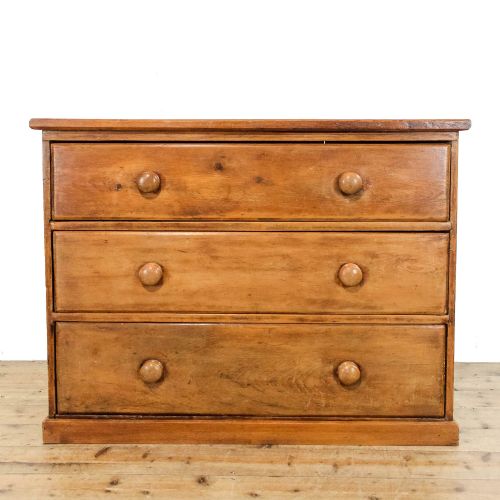
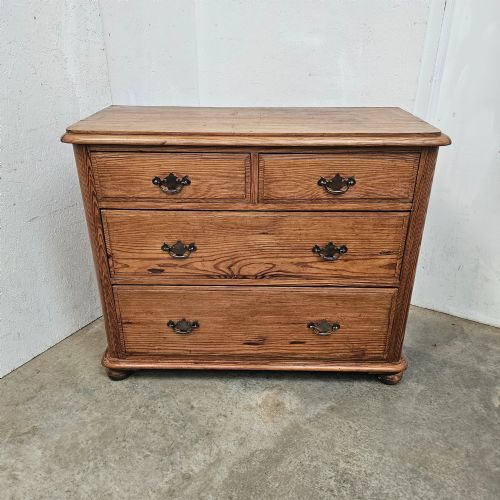
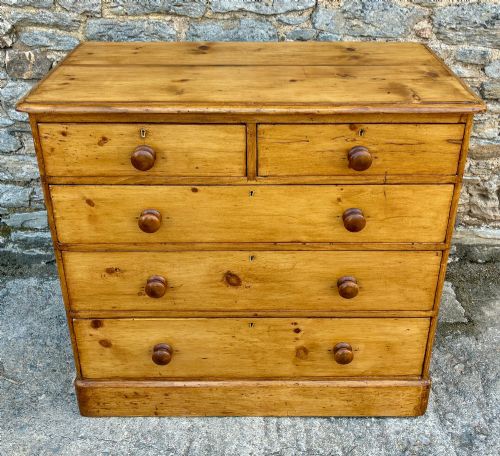
Pine Storage Furniture
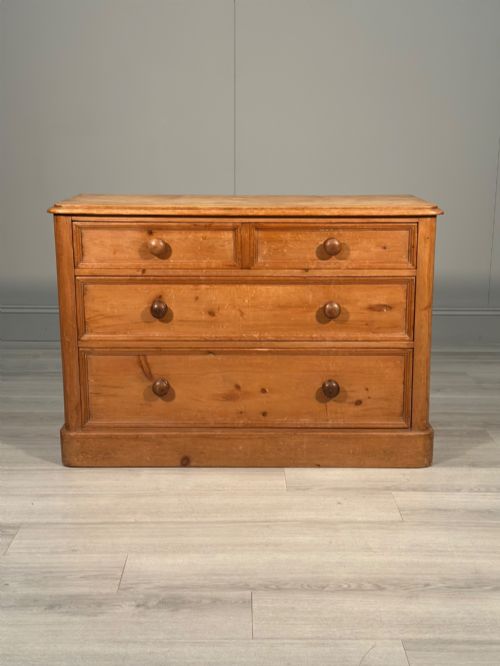
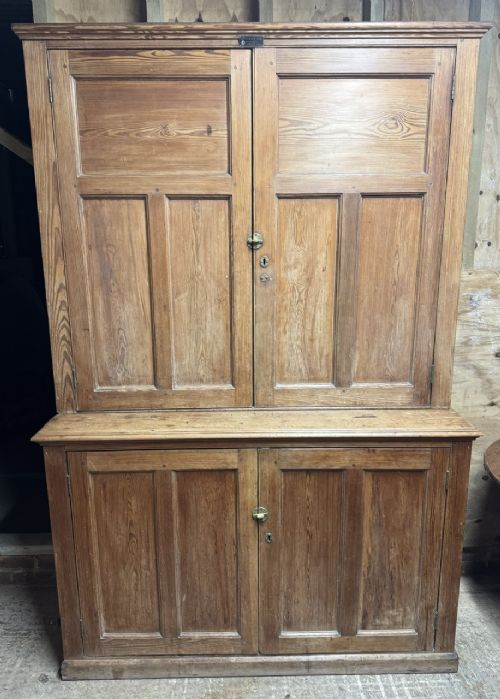
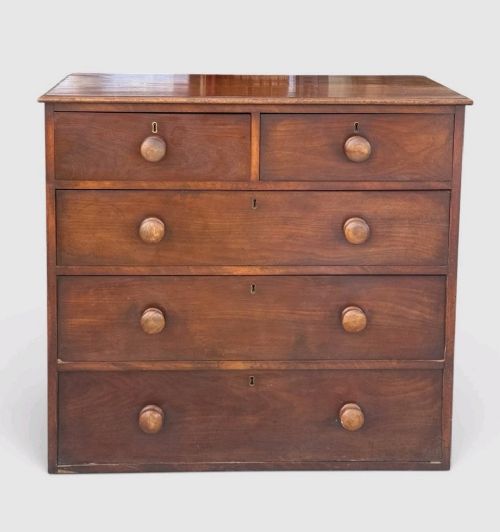
Pine storage furniture brings robust, practical utility to interiors through chests of drawers, cupboards and benches spanning the Georgian to Edwardian eras.
Pine Storage Furniture
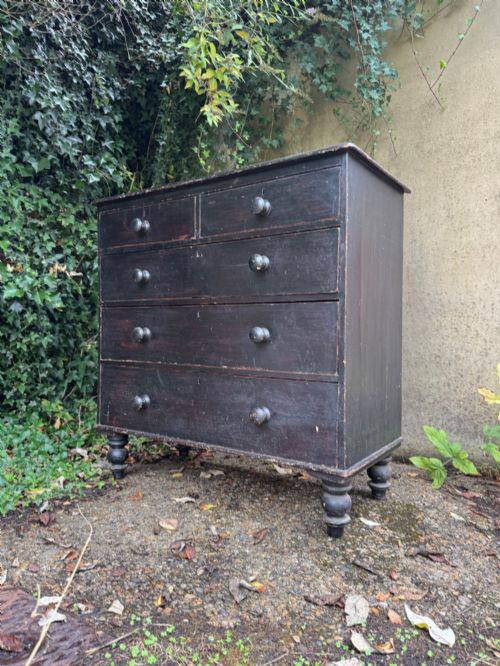
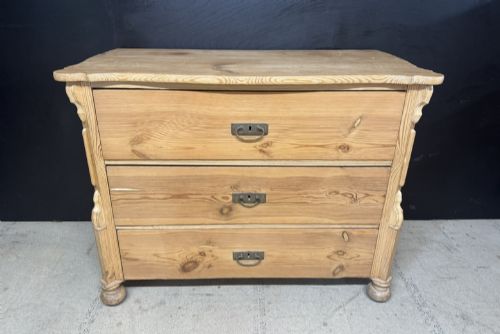
Buyers seeking pine storage furniture encounter a wide variety of domestic and institutional forms, predominantly chests of drawers and cupboards from the Victorian period. These pieces originate from diverse regions including England, Wales, Ireland, France, Austria, Sweden and Japan, reflecting local workshop traditions.
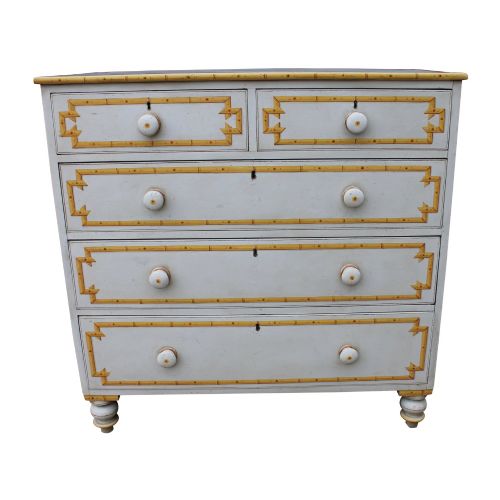
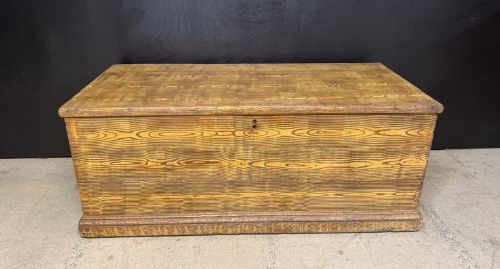
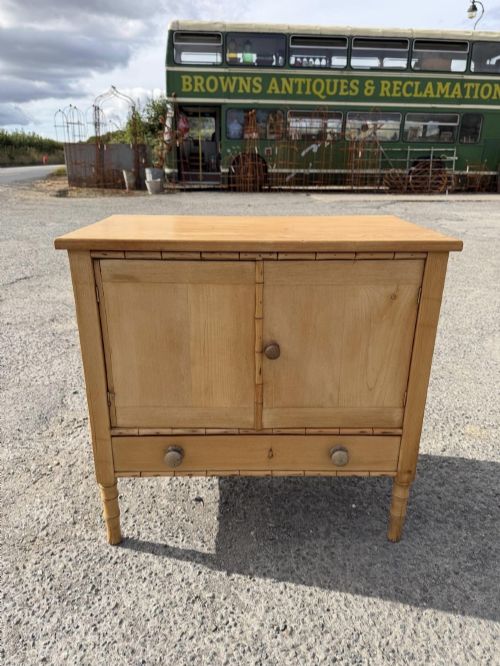
The selection extends from utilitarian school cabinets and housekeeper cupboards to decorative items like faux bamboo chests and painted marriage chests. Form follows function closely, with interior configurations designed specifically for linen, clothing or general household storage.
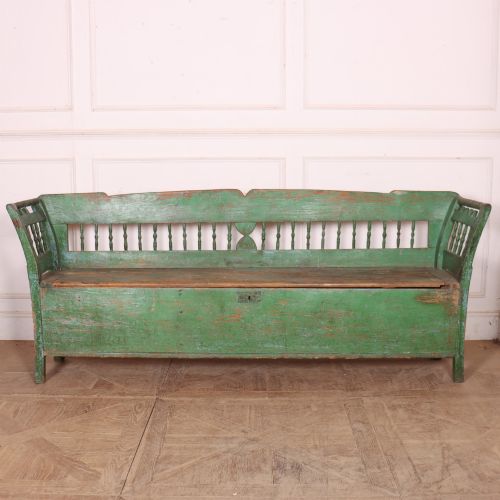
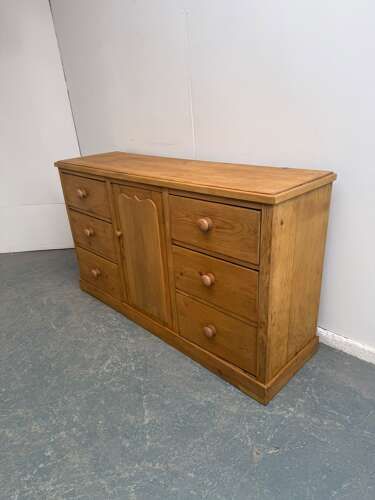
Alongside chests and cupboards, the listings include benches, wardrobes, dresser bases, trunks and pigeon holes. These utilitarian objects served everyday domestic and workspace needs across the nineteenth and early twentieth centuries.
Materials and construction methods
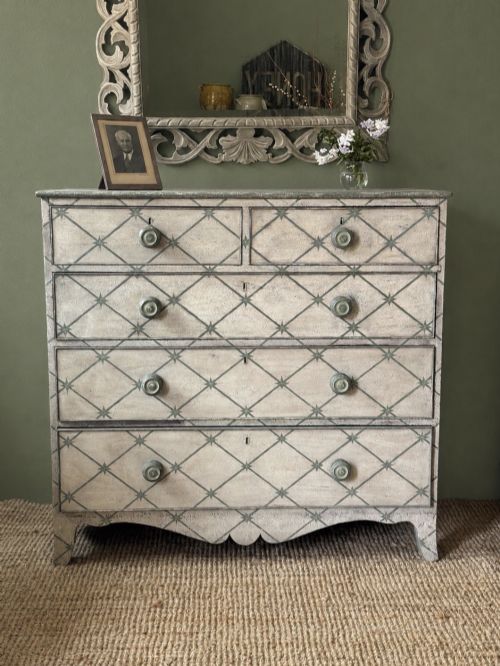
Construction relies primarily on pine and pitch pine, supplemented by structural and decorative elements in iron, brass, metal, wood and ceramic. Surfaces display either a waxed finish, a stripped appearance, or decorative paint treatments such as scumble and stencilling.
Joinery techniques serve the practical demands of daily use, utilising solid timber panels for carcases, drawers and doors. Original paint finishes and hardware remain intact on numerous examples, documenting period workshop practices.
The inventory spans Victorian, Georgian, Edwardian and early twentieth-century eras, featuring pine alongside iron, brass, paint and ceramic elements.
Distinguishing quality across pieces
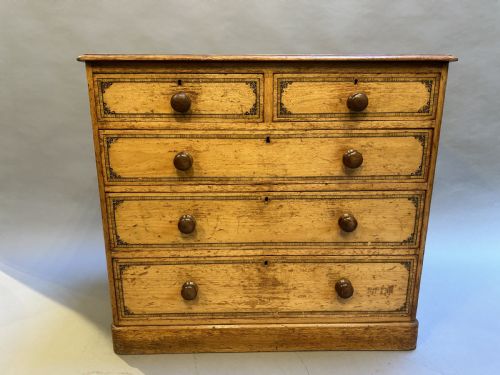
Quality depends heavily on the survival of original surface treatments, whether early wax, scumble paint or stencilling, compared to later stripping or repainting. Intact historical finishes and original hardware distinguish superior examples from heavily altered pieces.
Structural integrity and the preservation of original internal configurations, such as untouched drawer sets or pigeon holes, separate standard utility items from more refined regional or stylistic variants like Aesthetic Movement and Arts and Crafts examples.
The Pine Storage Furniture Glossary
- Pitch pine
- A dense, resinous softwood variant featuring prominent grain patterns frequently utilised in nineteenth-century cabinetry for added durability.
- Scumble
- A decorative painting technique involving translucent glaze dragged over a base coat to simulate more expensive figured timbers.
- Mule chest
- A storage chest fitted with one or two drawers beneath the main compartment, combining trunk and drawer utility.
- Linen press
- A tall cupboard traditionally housing sliding trays or shelves for storing folded textiles and garments.
- Campaign military chest
- A sectional storage chest designed for transport, featuring flush-fitting brass handles and reinforced corners.
Pine Storage Furniture: Frequently Asked Questions
What periods do these pieces span?
The inventory encompasses items dating from the Georgian era through the Victorian and Edwardian periods up to the early twentieth century.
Most items originate in the nineteenth century, reflecting the widespread domestic use of pine during that era.
How do I care for waxed pine?
Maintain waxed surfaces by applying a traditional beeswax polish periodically and buffing with a soft cloth to preserve the sheen.
Keep pieces away from direct heat sources and strong sunlight to prevent the timber from drying out or splitting.
Are original paint finishes common?
Several pieces retain their original painted surfaces, scumble glazes, or stencilled decoration applied during the nineteenth century.
These surviving finishes offer insight into period aesthetics before the later fashion for stripping timber bare.
What regional styles are available?
The selection includes British country furniture alongside continental pieces such as Austrian farmhouse benches and Swedish marriage chests.
Each region utilised distinct construction methods and decorative painting traditions suited to local domestic requirements.