


Pine Pot Cupboard
A pine pot cupboard serves as a practical bedside companion, offering enclosed storage with distinct regional and period character.
Pine Pot Cupboard
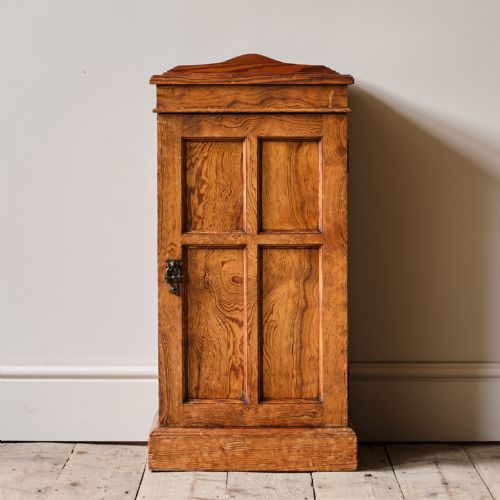
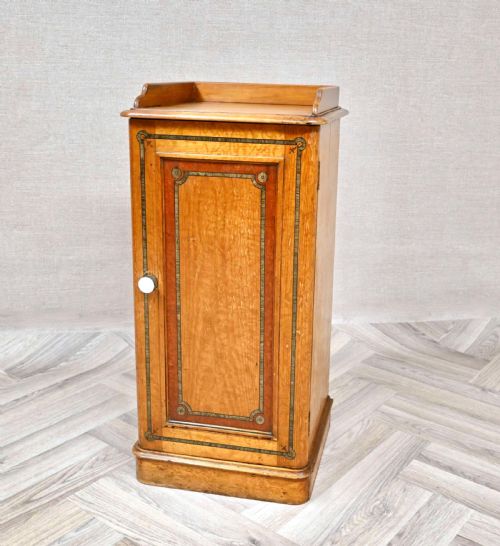
A pine pot cupboard is essentially a compact bedside cabinet designed originally to house a chamber pot beneath a top surface. Buyers searching for a pine pot cupboard encounter various forms, most commonly single-door Victorian bedside cabinets standing beside beds or serving as small side tables.
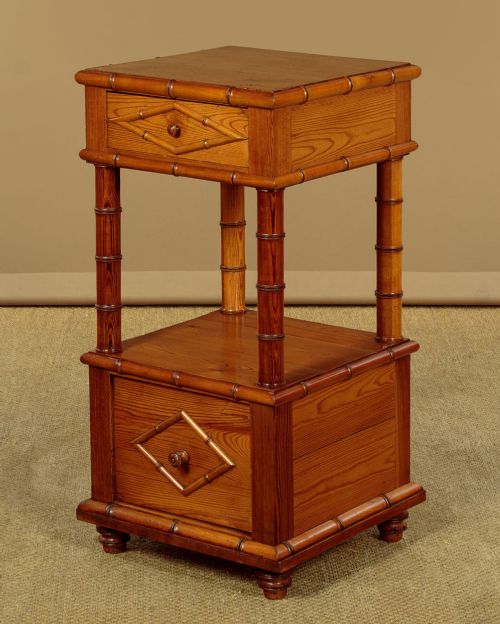
The listings show these pieces appearing under alternative names such as bedside tables, night stands, and small side cupboards. Alongside standard British Victorian examples, regional variants emerge from Hungary, France, Sweden, and the Netherlands.
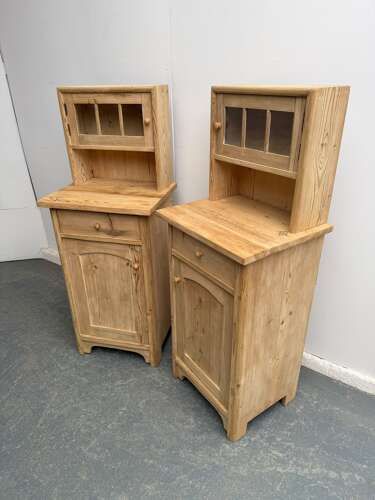
The selection ranges from simple utilitarian storage boxes to sophisticated pieces incorporating marble slabs, ceramic inserts, and painted finishes. Pairs appear frequently alongside single cabinets, offering symmetrical bedside placement.
Materials and construction
Construction relies primarily on pine and pitch pine, sometimes paired with oak structural elements or cedar framing. Joinery methods reflect standard nineteenth-century cabinet-making techniques, utilising solid timber panels and dovetailed drawer construction.
Surface treatments vary widely between natural waxed pine, grained finishes, and applied paint schemes in black, grey, or blue. Premium variants incorporate fitted marble tops or zinc surfaces designed to handle moisture and daily wear.
Some historic bedside cabinets hide their chamber pot origins behind remarkably grand marble columns.
Distinctions in quality
Quality in a pine pot cupboard rests upon the integrity of the timber and the sophistication of its secondary materials. Pieces featuring heavy marble tops, carved details, or integrated columns demand greater skill in construction than plain domestic utility items.
The finish dictates much of the character, with original period paint or grained surfaces holding distinct appeal over stripped and rewaxed timber. Proportion and scale also separate standard utilitarian pieces from more refined stylistic interpretations like Gothic Revival or Aesthetic Movement designs.
The Pine Pot Cupboard Glossary
- Pot cupboard
- A small bedside cabinet originally built to conceal a chamber pot behind a single door. These compact units later transitioned into general bedside storage for bedrooms.
- Pitch pine
- A durable resinous pine timber utilised frequently in nineteenth-century furniture making. It offers a distinct reddish hue and prominent grain patterns.
- Upstand
- A vertical raised backboard attached to the rear edge of a cabinet top. This feature prevents items from slipping off the surface.
- Grained
- A painted surface treatment mimicking the natural grain of more expensive hardwoods like oak or mahogany. Painters applied layers of pigment and used specialised combs to achieve the effect.
- Aesthetic movement
- A nineteenth-century design style emphasising visual beauty over narrative subject matter. Cabinets from this movement often display clean lines and painted decorative schemes.
Pine Pot Cupboard: Frequently Asked Questions
What is a pine pot cupboard?
A pine pot cupboard is a small bedside cabinet historically designed to hold a chamber pot. They provide enclosed storage with a single door and often a small drawer.
Today these versatile cabinets function primarily as bedside tables or small side units in living spaces.
How do I use one today?
These cabinets fit neatly beside modern beds to hold lamps, books, and nighttime essentials. Their compact footprint also suits small hallways or tight corners as accent tables.
The enclosed cupboard space helps keep surfaces clear of clutter while offering practical concealed storage.
Are marble tops original?
Many Victorian bedside cabinets feature fitted marble slabs designed to provide a durable, wipe-clean surface for washing accessories. These stone inserts are frequently original to the piece.
White, black, and grey marble varieties appear across nineteenth-century English and continental workshops.
How do I date these cabinets?
Dating relies on construction methods, hardware, and stylistic clues like Gothic Revival or Aesthetic Movement details. Most examples date from the Victorian era and the broader nineteenth century.
Earlier eighteenth-century specimens display heavier timber construction and simpler regional vernacular styles.